


 Česky (CZK)
 Slovensky (EUR)
 Deutsch (EUR)
 Austria
 Belgium
 Bulgaria
 Croatia
 Denmark
 Estonia
 Finland
 France
 Germany
 Greece
 Hungary
 Italy
Italy Latvia
 Lithuania
 Luxembourg
 Netherlands
 Poland
 Portugal
 Romania
 Slovenia
 Spain
Spain Sweden










History of Asian cuisines: what shaped flavors from rice fields to big cities
“The history of Asian cuisines” is not a single timeline and a few famous dishes. It is the story of how climate, available crops, seas and rivers, religion, trade, migration and urban life gradually created very different cooking styles. The article will help you navigate the main differences (rice vs. wheat, coast vs. inland, fermentation vs. coconut vs. spices) and give you practical tips on how to choose a direction at home according to taste and how to get started.
🕰️ History of Asian cuisines in practice: why it’s not just about recipes
Asian cuisine is not one cuisine nor one flavor logic. The most important “historical” insight is simple: food in different parts of Asia developed according to living conditions. What grows in a given climate, what can be preserved long-term, what are social and religious customs, which trade routes existed and how people moved – all of that has over time been imprinted into what we today consider the typical flavor of a region.
That’s why it makes more sense to follow the forces that shape a cuisine, rather than to look for one “correct” definition. These contexts then explain why rice is the center of the plate in some places and wheat noodles in others, why fermentation dominates in some areas and coconut or spices in others, and why urban street food is often as important as home cooking.
Climate and living conditions: where rice-lightness emerges and where a heartier “northern” logic prevails
One of the strongest factors that shapes cuisine over the long term is climate. It’s not just about temperature – it’s about what can be cultivated, what is commonly available and which techniques make sense for everyday cooking.
Humid and warm areas: rice, coconut, herbs and acidity
In tropical and subtropical conditions rice, coconut palms, tropical fruit, aromatic herbs and fast-growing vegetables thrive. In coastal belts fish and seafood also play a major role. That is why the cuisines of these areas are often:
- rice-based (rice and rice noodles as the natural center of the meal),
- coconut-based (coconut as fat, richness and roundness),
- fresh and sour (lime, tamarind and other sour components),
- herb-forward (fresh aromatics as part of the dish’s “identity”),
- often oriented toward fish and lighter preparations.
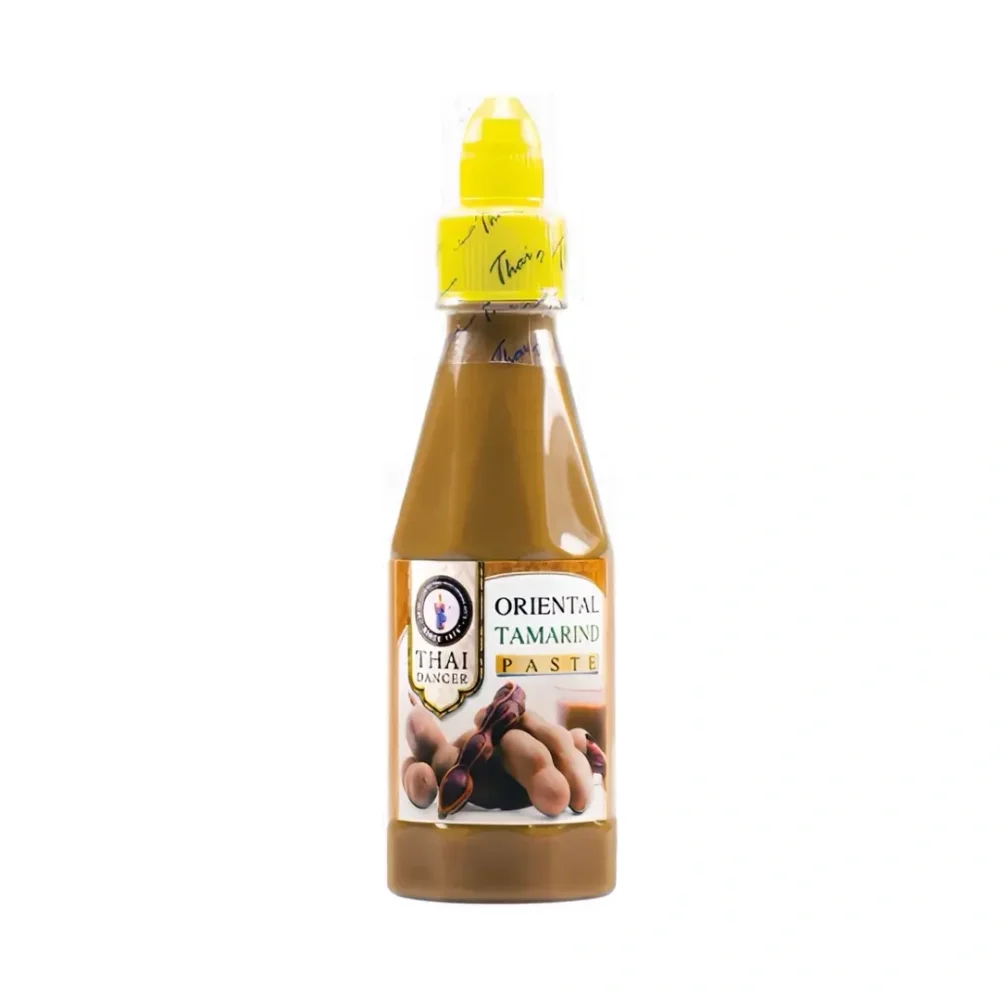
A concrete sour “signal” of Southeast Asia can be easily understood at home with tamarind: a few teaspoons of tamarind paste can push a sauce or a wok mix toward the typical sweet-and-sour direction (start with roughly 1–2 teaspoons per pan, adjusting to taste and the saltiness of other ingredients).
Drier, cooler or more northern areas: wheat, legumes, broths and preservation
In drier or cooler conditions wheat, millet, barley, legumes, meat, root vegetables and more durable products often play a larger role. In practice this leads to cuisines being more often:
- noodle- or bread-based (wheat foundations),
- heartier and “winterier” in the meal logic,
- more reliant on broth, soups and braises,
- technologically focused on preservation and practicality.
A useful aid for orientation is the division into “northern” and “southern” flavors: northern directions more often work with wheat, broths and heartiness, southern directions more often with rice, herbs, coconut and freshness. But it is important to take this only as a guiding compass, not as a map that “explains everything” – in the south there are also rich and very spicy dishes and in the north delicate and subtle styles.
Rice belt vs. wheat belt: two basic “histories” of starches
A major difference across Asia often starts with the question: what is the carrier? In other words, what fills you up and what carries the sauce, broth, spices or fermented bases. In many areas this center is rice, elsewhere wheat (and with it noodles or bread).
This division is practical at home too: when thinking “which Asian style” suits you, try starting with whether you are more drawn to rice bowls and rice noodles, or rather wheat noodles and broth-based directions. It doesn’t solve everything, but it quickly narrows the selection and helps you link to the right ingredients and techniques.
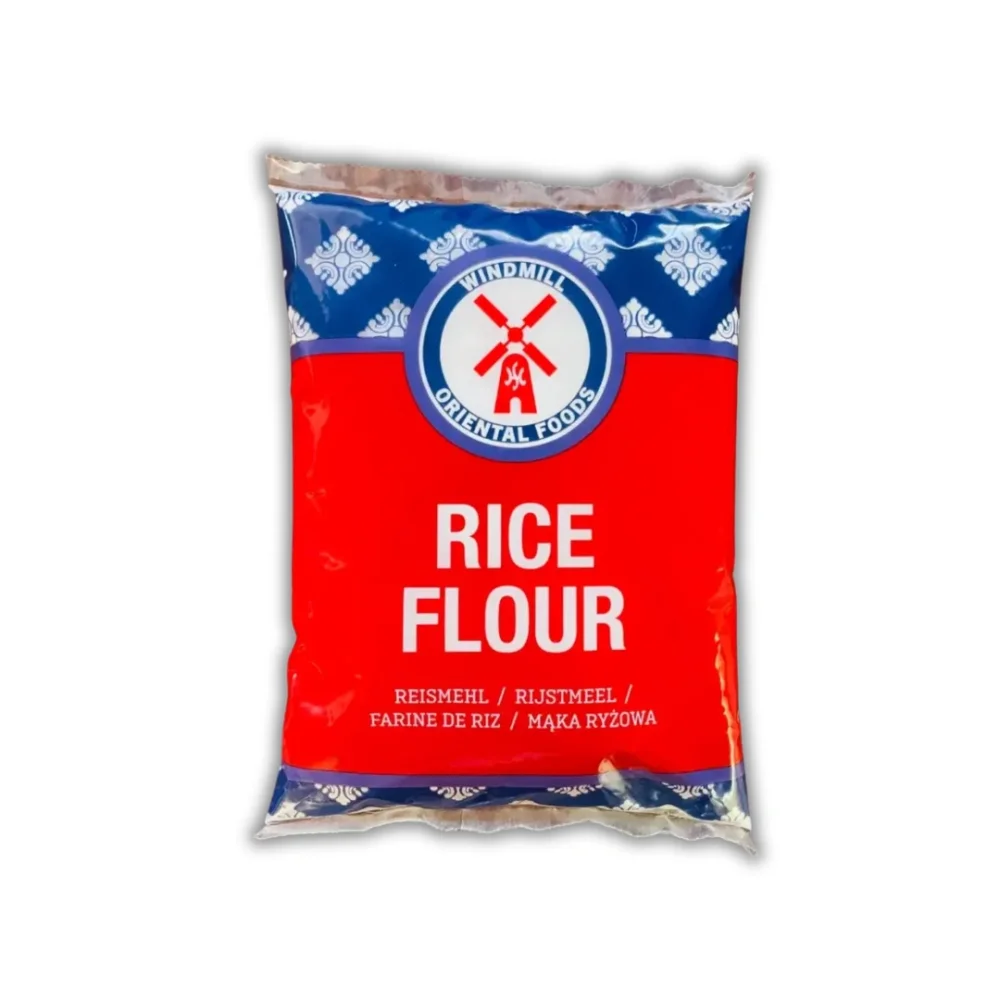
Rice directions often naturally pair with rice products in cooking techniques. For some preparations (thickening, light batters, coating) rice flour can make sense – for example rice flour is suitable where you want a finer texture and a neutral taste, without overpowering the aromatics of sauces and herbs.
Sea, rivers, islands and inland: where “marine umami” comes from and why fermentation is more common in some places
Another long-term “shaper” of flavors is the relationship to water: coastlines, islands, river deltas and trading ports versus inland. In coastal and island areas seafood and condiments that can add pronounced saltiness and umami in small amounts are naturally emphasized.
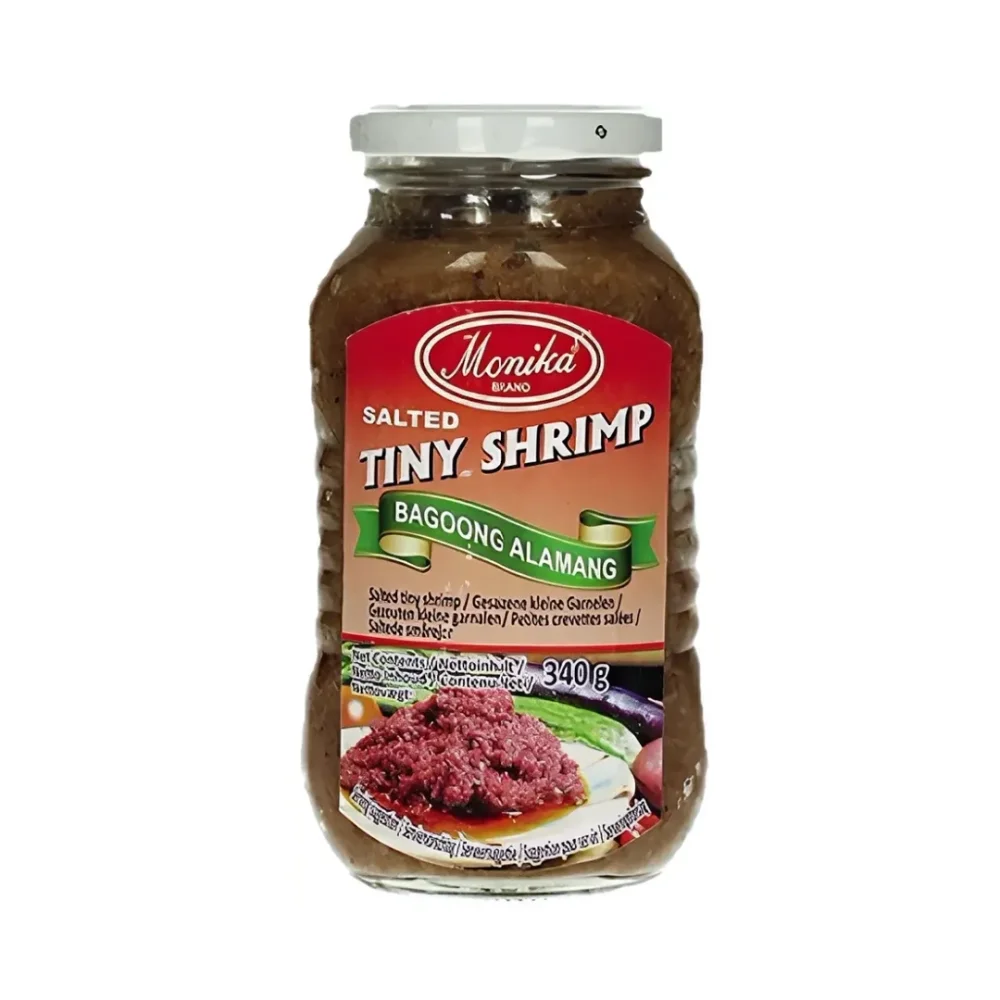
Southeast Asia includes, among other things, fish sauces and fermented marine bases. A concrete example helps to understand their intensity: salted shrimp are a type of condiment where the rule “less is more” really applies. If you’re starting with such an ingredient, add only a small amount first (for example half a teaspoon), stir, taste and then adjust. The goal is not for the dish to taste “of shrimp,” but to gain deeper saltiness and character.
Inland areas, on the other hand, often build flavor more on grains, broths, meat, legumes and more durable ingredients. This is one reason regional styles can differ even when geographically relatively close.
Trade, migration and the city: why flavors spread and why street food carries identity
Asian cuisines did not historically develop as closed museums. Trade routes, migration and cultural contact have long changed what people consider “home” flavor. This is important today as well: when you encounter different versions of a single dish or a “city” and “country” variant, it is not a mistake – it is the natural result of the movement of people and ingredients.
This is particularly visible in cities: in many parts of Asia the regional style is inseparable from urban food and street food. This applies, for example, to Singapore and Malaysia, Vietnam, Taiwan, Thailand, Indonesia or India. Street food and the culture of stalls or hawker centers often:
- concentrate local specialties in a small area,
- help preserve regional recipes,
- make food part of the city's everyday rhythm,
- create the identity of a neighborhood or city.
Therefore, “regional style” can sometimes be paradoxically more visible at an ordinary stall or night market than in a representative restaurant.
Fermentation, coconut, spices and broth: four shortcuts to understanding regional differences
When trying to understand why Asian cuisines differ, it often helps to look at what their “main flavor engine” is built on:
- Fermentation (for example fermented soy bases and pastes; in some regions also fermented marine components).
- Coconut (fat and richness in tropical areas; often combined with herbs and acidity).
- Spices (distinct directions that build aroma and depth through spicy profiles; typically associated with the Indian subcontinent, but without the simplification “India = one cuisine”).
- Broth (depth, richness and structure of a dish through broth-based approaches, soups and noodles).
Specifically in East Asia (China, Japan, Korea, Taiwan) a strong role of rice and in places wheat, fermented soy bases, the importance of broths, noodles and sides, a large role of umami and work with texture are often mentioned. Sesame is also a typical flavor line here.
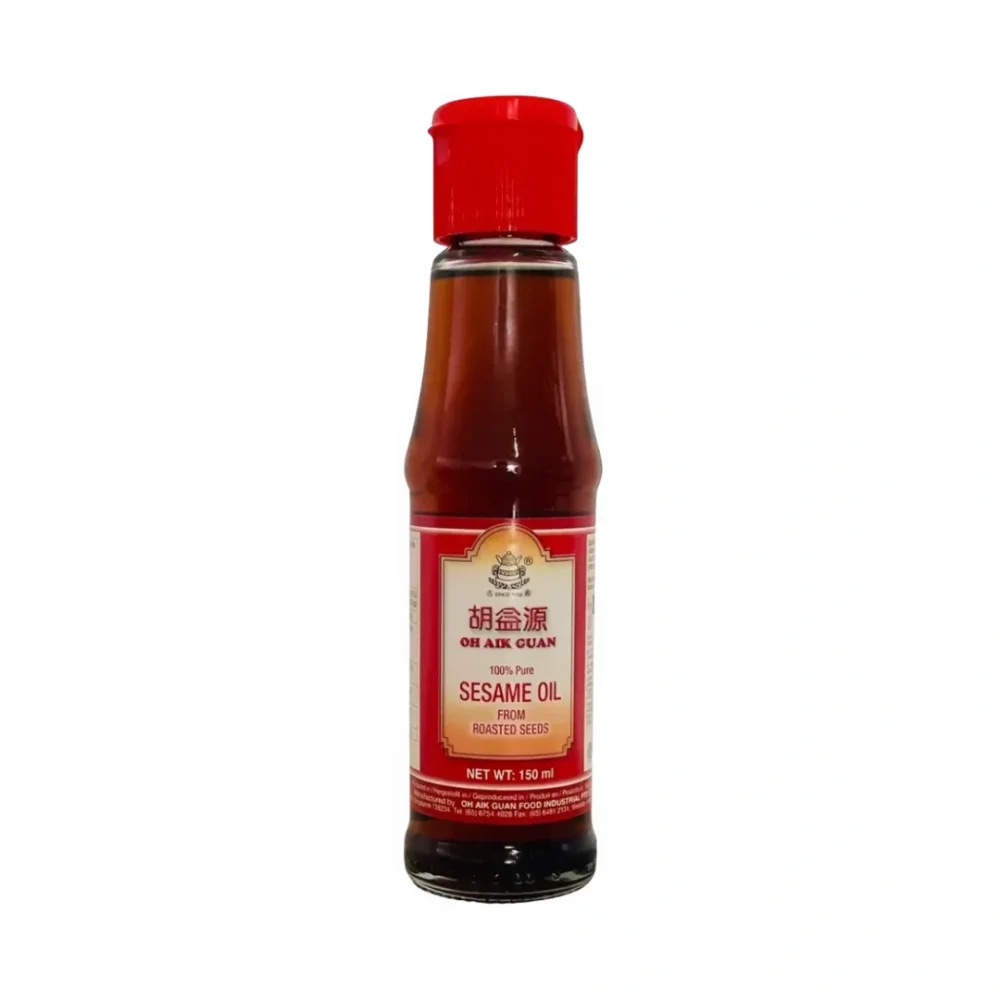
At the level of a single household “dot” you can recognize it even in sesame oil: a few drops at the end can highlight the aroma without long cooking. A suitable example is sesame oil – treat it more as a finishing seasoning than as a high-heat cooking fat (start with roughly 1/2 to 1 teaspoon per portion and add according to intensity).
In Southeast Asia (for example Vietnam, Thailand, Laos, Cambodia, Malaysia, Singapore, Indonesia, the Philippines) you will often encounter rice and rice noodles, fresh herbs, fish sauces and fermented marine bases, coconut, tamarind and other acidic components, sambals and curry pastes – and a very strong street food culture.
Meat-free traditions as part of history: shojin ryori, Korean temple food and Indian directions
Vegetarian and vegan Asian cuisine is not marginal or an “impoverished” variant. In many parts of Asia it has deep historical roots and its own rules, techniques and flavor systems. The key is that well-constructed meat-free food usually does not rely on a single meat substitute, but on a combination of umami, texture, fermentation, spices, (plant) broth, herbs and properly chosen bases.
From specific traditions, the Japanese shojin ryori (Buddhist vegetarian cuisine built on seasonality, tofu, vegetables, mushrooms, seaweeds and careful work with broth and texture) and Korean temple food (associated with temples, vegetarian, often practically vegan, based on moderation and respect for life; nevertheless full-flavored thanks to thoughtful seasoning) are often mentioned.
India has one of the strongest vegetarian traditions in the world, but it is important not to reduce that to the shorthand “Indian = automatically vegetarian”. If you cook plant-based, it makes sense to watch for typical “hidden” obstacles by region: in Japan vegans often run into dashi, in Vietnam and Thailand into fish sauce and curry pastes, in India into dairy products and ghee, and in Korea into jang and some types of kimchi.
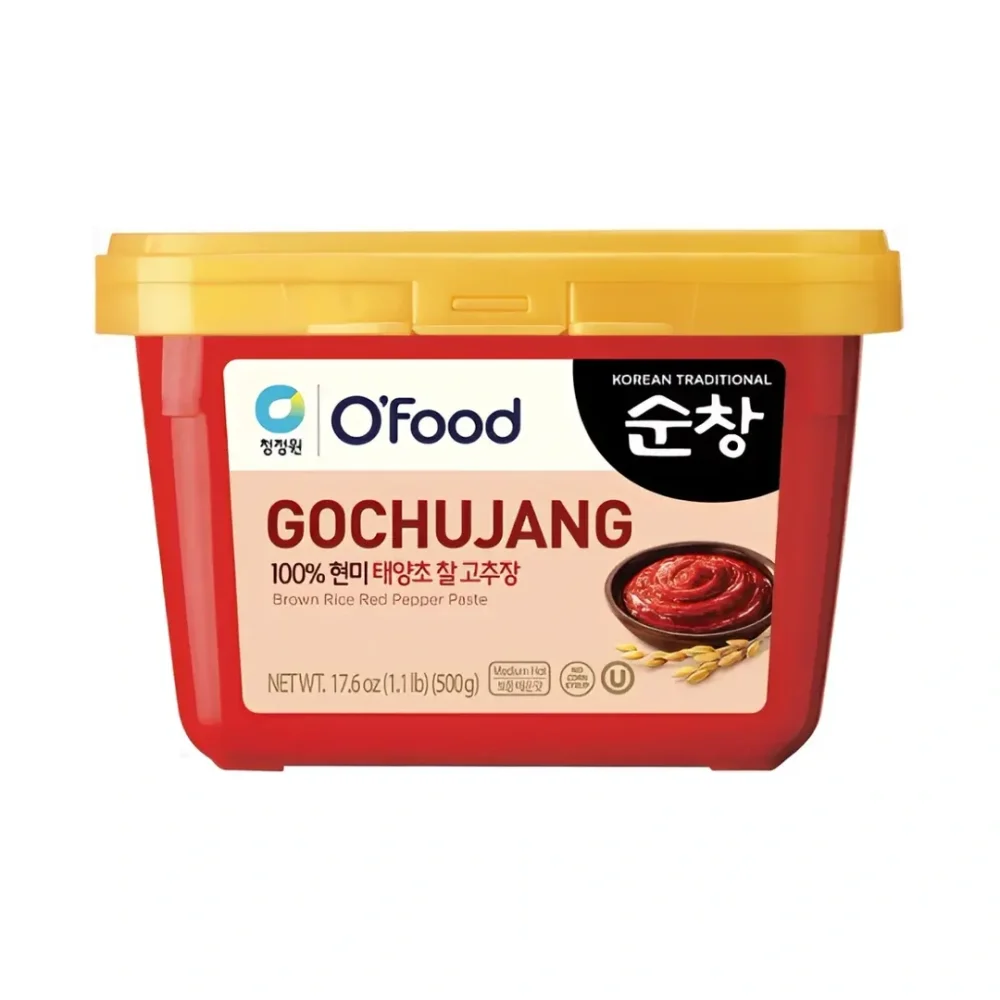
For a quick illustration of the fermented spicy depth in the Korean direction, gochujang can serve as an example gochujang (Korean chili paste): use it in small amounts and gradually, because you best “set” the intensity by dosing. To start, often 1 teaspoon in a sauce or marinade is enough, mix and taste.
How not to get lost at home: choosing a style by taste and first safe steps
Culture and context are not just academic. They very practically help estimate what you will like and which direction to take.
Choose a direction based on what you expect from the food
- Lightness, freshness and herbs: directions associated with Vietnam, parts of Thailand, some regions of Malaysia and Indonesia and lighter Japanese styles often work well.
- Depth, fermentation and umami: Japan, Korea, China and the fermented bases of Southeast Asia often work well.
- Spicier and heartier logic: India, Sri Lanka, parts of Indonesia and Malaysia and the more robust styles of China often work well.
- Street food and urban energy: directions associated with Singapore, Taiwan, Vietnam, Thailand, Malaysia, Indonesia and India often fit.
Build your “history in a pan” on three questions
- What is the carrier? Rice / rice noodles, or wheat noodles and broth-based directions?
- What is the flavor engine? Fermentation (soy bases, pastes), coconut, spices, or broth?
- Where is the freshness? Herbs, acidity (tamarind, lime), or rather sesame and a “rounded” umami depth?
This is not a test of correctness, but a practical method to avoid randomly mixing styles that are then hard to tune at home.
Mise en place: why decisions are often made on the cutting board (and how not to ruin your wok)
In many Asian kitchens, ingredient preparation carries extraordinary weight: quick techniques (stir-fry, quick noodle dishes, fried rice) do not allow time to “finish” things on the fly. Practical minima that help immediately:
- Prepare everything in advance (chopped, measured, mixed) – in the pan you then only assemble the order.
- Cut evenly: same pieces = same pace of cooking. Uneven cuts often mean raw and overcooked parts in the same dish.
- Think about shape: thin cuts for quick stir-frying, larger pieces for braising or roasting. Shape is not just aesthetics, it's technology.
- Watch the water: if ingredients release water, instead of frying they steam and flavor and texture will “run away”.
If your stir-fry isn't working, very often it's not the sauce but the preparation: bad cutting, bad order and bad timing will burn the aromatics before the rest is done.
Most common misconceptions about “history” and regional styles (and why they hold you back)
- “Asia tastes the same, it just gets spicier in some places.” The differences are deeper: the staple grain, fat, fermentation, stock, texture, sauce and serving method. Spiciness is just one variable.
- “Street food is less important than home cooking.” In many cities, street food is one of the main carriers of cultural identity and regional style.
- “Traditional cuisines are static.” They are not: they evolved through migration, trade and cultural contact. That's why there are many versions and local exceptions.
- “If I know a recipe, I know the cuisine.” Without context, the purpose of ingredients and why certain things are done a certain way (for example the role of fermentation, acidity or stock) is easily lost.
- “Southeast Asia is just coconut and chili.” It isn't: there is a big difference between Vietnam, Thailand, Malaysia, Indonesia, the Philippines and Singapore – and you often recognize it by whether herbaceous freshness, acidity, fermented seafood bases or coconut richness dominate.
What to take away from the article
- The history of Asian cuisines is best understood through what has long shaped the cuisines: climate, available crops, water (coast/rivers/islands), religion, trade, migration and urban life.
- For home orientation, three compass questions are the most practical: rice vs. wheat, the flavor engine (fermentation/coconut/spices/stock) and where the freshness is (herbs/acidity vs. sesame umami depth).
- Street food is not a “side” chapter – in many regions it is the main bearer of identity and the concentrated form of the local style.
- Vegetarian and vegan directions have in Asia strong roots; flavor is often built through umami, texture and fermentation, not just meat substitutes.
- For quick techniques, mise en place decides: preparation and cutting often affect the result more than “the right sauce”.

Read next
If you want to explore this topic further, continue with these related blog guides and articles:
