

 Česky (CZK)
 Slovensky (EUR)
 Deutsch (EUR)
 Austria
 Belgium
 Bulgaria
 Croatia
 Denmark
 Estonia
 Finland
 France
 Germany
 Greece
 Hungary
 Italy
Italy Latvia
 Lithuania
 Luxembourg
 Netherlands
 Poland
 Portugal
 Romania
 Slovenia
 Spain
Spain Sweden










“Asian cuisine” sounds like one category, but in practice it encompasses a large cultural space where food evolved according to climate, available crops, religion, social rules, trade, migration, and daily rhythms of life. When you understand these contexts, it becomes easier to choose a style you will enjoy, and you’ll stop making typical mistakes (like reducing everything simply to spiciness).
Why Address “Culture” in Food (and Not Just Recipes)
In Asian cuisines, you often encounter situations where the same type of food (soup, noodles, curry, rice) tastes completely different depending on the region. This is neither coincidence nor a “secret ingredient”: it’s the result of environment and habits. Climate influences what can be grown and how food is preserved. The availability of the sea or rivers affects protein sources and saltiness. Dining style decides whether the cuisine is based on individual plates or shared bowls and side dishes.
Practically, this means that understanding the context will help you:
- choose a kitchen style based on taste (light and herbal vs. fermented and umami vs. spicy and rich),
- understand the role of key tastes (sourness, saltiness, umami, aroma),
- not confuse a technique or ingredient that “makes sense” in a given style.
What Does “Asian Cuisine” Actually Mean: One Term, Many Systems
Asian cuisine is not one cuisine nor one flavor logic. It is a broad collection of different culinary systems shaped by climate, crops, religion, social rules, trade, and migration. Therefore, it makes sense to perceive Asian food as a network of contexts, not just a collection of recipes.
Once you adopt this perspective, you’ll start noticing questions that truly determine flavor:
- What is grown locally and what is imported?
- Is the starch base more rice or wheat?
- Is the area coastal (easy access to fish and sea flavors), or inland?
- Is everyday food “fast urban” (street food), or family-style and shared at the table?
Climate and Living Conditions: Why Herbs Dominate in Some Places and Richer Bases in Others
Humid and Warm Areas
In warm and humid regions, herbs and aromatic ingredients often thrive, and cuisines tend to be built on freshness, aroma, and flavor contrast. For readers, the practical takeaway is key: if you enjoy lightness, “juiciness,” and herbal character, Southeast Asian styles (within regions and specific traditions) often suit you well.
Drier, Cooler, or More Northern Areas
In drier or cooler (and generally more northern) conditions, food develops differently: richer bases, work with broths, and techniques that extract deep flavor from available ingredients play a larger role. This reflects what is perceived as “comforting” taste: more fullness, more umami, more warming logic.
It is important that these are not strict categories. They are a rough map: climate and living conditions create probabilities, not universal rules.
The Rice Belt and the Wheat Belt: Two Landscapes of Everyday Food
One of the best ways to navigate Asia is to perceive the difference between the “rice” and the “wheat” worlds. It’s not just about the side dish – it concerns what typical meals look like, which textures are preferred, and how the entire plate is composed.
Rice World
In rice regions, rice is often the center of the meal: as a base, side dish, or an ingredient for other forms (such as rice products). Differences between rice types are not a “detail for connoisseurs” but a factor that changes the result. If you want to start practically, it helps to choose a concrete direction:
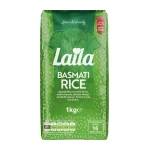
- the basmati style typically suits aromatic, loose side dishes (see basmati rice),
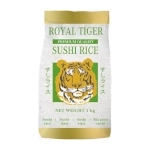
- for Japanese-style service and working with rice “shaped,” focus on sushi rice,
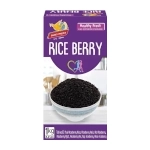
- if you want to try other regional types, a good guide is other rices.
Wheat World
In the wheat world, naturally other starch forms and a different “kitchen logic” dominate – often with a greater role for doughs, shaping, and techniques that suit wheat well. Even if you cook at home occasionally, this distinction helps: you won’t expect the same behavior of ingredients and the same meal construction in all “Asian” recipes.
Seas, Rivers, Islands, and Inland: Where Saltiness and Umami Come From
Coasts, rivers, and islands fundamentally change cuisine: not only by bringing fish and seafood but mainly by determining what flavor bases become common elements in cooking. In some regions, very intense “marine” and umami profiles (often in the form of pastes and seasonings) naturally prevail, used in small amounts.
A good example is shrimp paste: used as a strong salty-umami seasoning, usually only a small amount is needed to change the character of the whole dish. If you want to understand what “umami from the sea” means in practice, this is the type of ingredient that demonstrates it clearly: Maepranom Shrimp Paste 350 g.
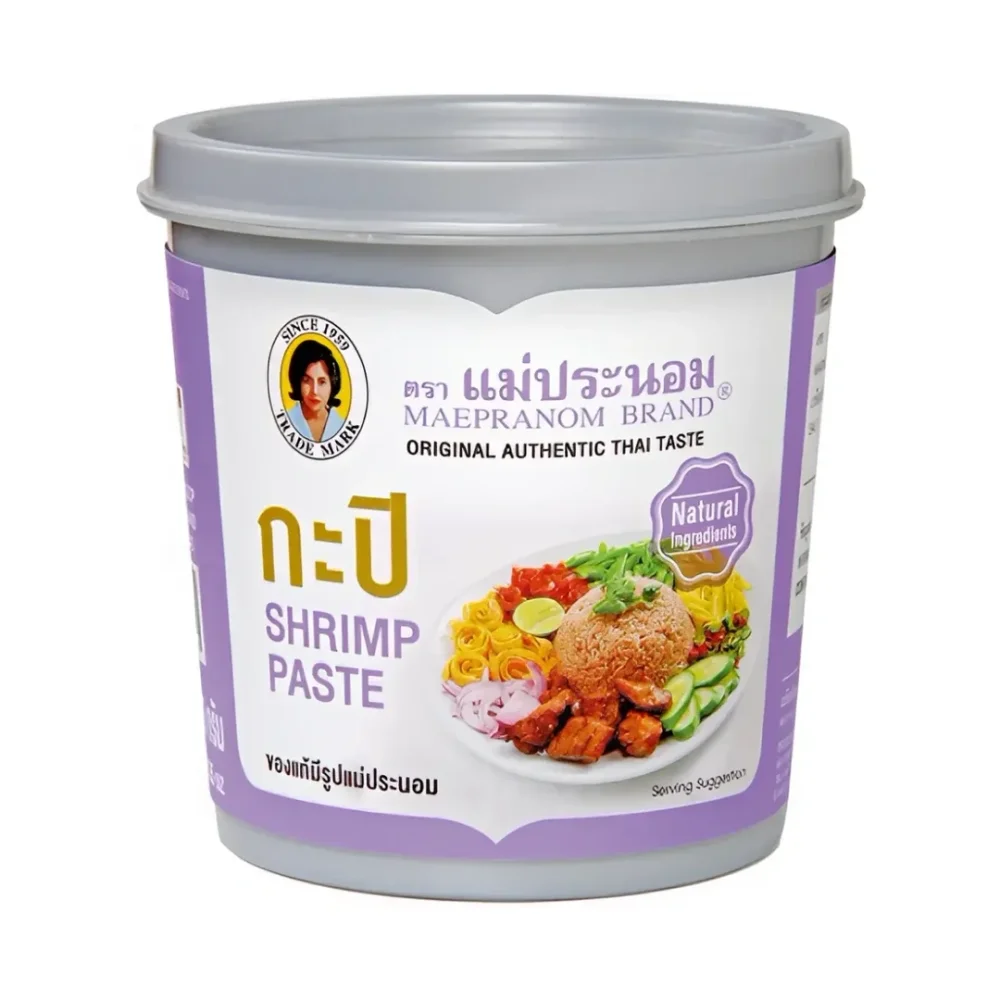
In inland areas, saltiness and depth sources are often approached differently. This does not mean coast = fish flavor and inland = no fish. It means availability of ingredients and preservation traditions push cuisine toward different “base notes.”
What Determines Flavor Character: Fermentation, Spices, Coconut, and Texture
When people ask why Asian cuisines can be so distant from each other, the answer often isn’t a single spice but rather what type of “depth” is common in a given cuisine. In one area fermentation dominates, in another spices, in another coconut bases or broths. And texture work also plays a role.
Fermentation: More Than Preservation
Fermentation is one of the oldest methods of preserving and transforming food. In Asian cuisines, it’s not only for longevity: it’s a way to create umami, soften sharp flavors, add depth, and transform ingredient texture. Fermentation yields a wide range of sauces, pastes, side dishes, and soups that form fundamental flavor building blocks.
Spices and Blends: A Different Type of “Signature”
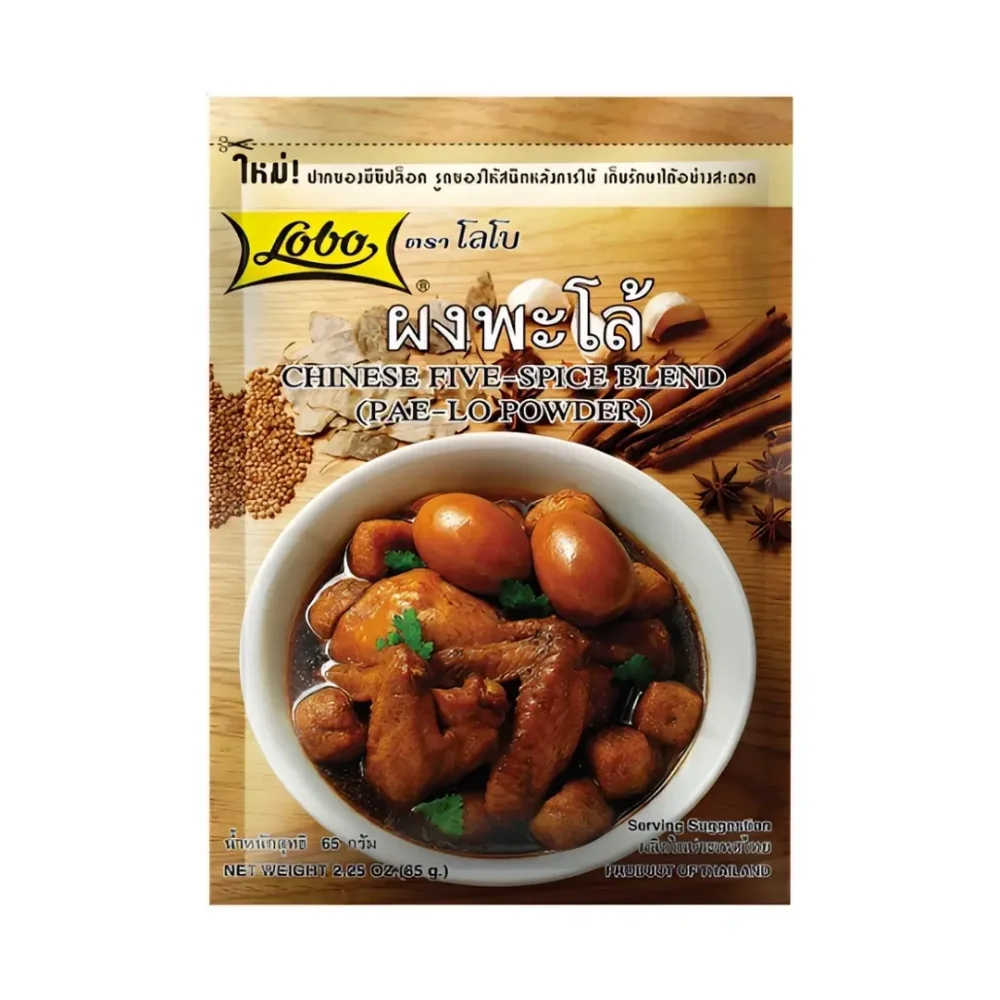
In some culinary styles, the character is more built on a spiced profile – fragrance, warming taste, and aromatic blends. If you want to quickly understand at home how a spice blend can dramatically change the impression of a dish (without combining many ingredients), try a blend with a typical sweet-spicy profile, for example Lobo Five-Spice Mix 65 g – and use it sparingly because it’s intense.
Texture (Especially in Sweets): A Different Compass Than “Just Taste”
In many parts of Asia, texture is as important as taste – and often even more so in desserts. The Western view of sweets is mainly about sweetness, butteriness, or baking. Here, desserts are often judged by whether they are elastic and sticky, chewy, gel-like, smooth, icy, crumbly, or layered. This helps understand why some Asian desserts are not “about sugar” but about the experience in the mouth.
Dining, Sharing, and Urban Food Culture: Why the “How” Matters Too
Etiquette and dining in Asian cuisine are not just rules of politeness. In many regions, they are part of the meaning of the meal: who starts first is important, how shared food is handled, how bowls and sides are used, and how respect is shown to hosts or elders.
Many Asian tables are based on sharing: instead of individual plates, people gather around multiple bowls and plates and the meal consists of various complements, sides, and contrasts. This changes home cooking too: sometimes it makes more sense to prepare smaller amounts of several items than one “main” portion.
Hawker Culture: Sharing Without Excessive Formality
The picture also includes urban food culture – such as Singapore’s hawker culture. Here it is not about strict formal etiquette but communal dining in a lively space where different communities and cuisines meet. It’s a good reminder that “etiquette” in Asia doesn’t only mean taboos and prohibitions but also the ability to operate in a shared multicultural environment.
Tea and Hospitality
Tea in many Asian cultures functions as an expression of hospitality and a way to create a meeting atmosphere. Sometimes it has a ritual form, elsewhere it’s a simple gesture (offering, pouring, refilling), but the meaning of “care for the guest” remains.
How to Choose a Style Based on Taste (and How to Start at Home)
Culture and contexts are not just “academics”: they are practical guides on how to pick a cuisine that suits you. Instead of asking “what is authentic,” a more useful question is often “what kind of taste am I actually looking for.”
Quick Flavor Map Based on What Attracts You
- Lightness, Freshness, Herbs: often Vietnam, parts of Thailand, some regions of Malaysia and Indonesia, and lighter Japanese directions.
- Depth, Fermentation, and Umami: often Japan, Korea, China, and fermented foundations of Southeast Asia.
- Spiced and Richer Logic: often India, Sri Lanka, parts of Indonesia and Malaysia, and more robust Chinese styles.
- Street Food and Urban Energy: often Singapore, Taiwan, Vietnam, Thailand, Malaysia, Indonesia, and India.
How to Start Without Complex Sourcing: 3 Practical Steps
- Choose One “Axis” for a Week (e.g., “fresh herbal” or “fermented umami”). If you mix everything at once, it’s easy to lose what makes the taste typical.
- Get One Base Ingredient and One Seasoningthat define the style. In the rice world, the base ingredient is often rice; for seasoning, use pastes and blends (guide: pastes and blends).
- Start with Small Doses: for concentrated pastes and blends, it’s common that “a little goes a long way.” Practical rule for the first try: add a small amount, cook/mix, taste, then add more if needed.
🍽️ Specific Starting Combinations (Without Full Recipes)
- Japanese Style of Working with Rice: start with sushi rice and try seasoning it with a mild acidity of rice vinegar, for example, Thai Dancer Rice Vinegar 300 ml. Add acidity gradually so that rice remains balanced, not “overly sour.”
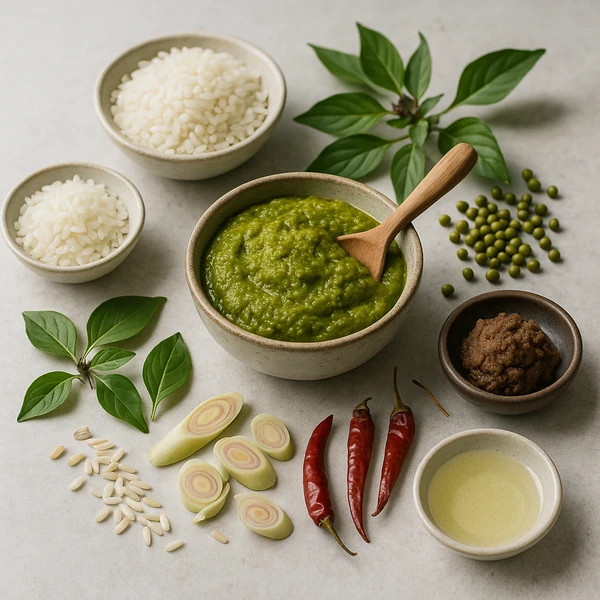
- Thai Direction: Herbal Fresh but Full: for a quick insight into curry logic, use a concentrated base, for example, Lobo Green Curry Paste 50 g. Start with a smaller amount and adjust because the paste intensity is usually strong.
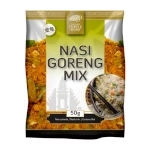
- Indonesian Direction: “Urban” Rice: if you are attracted to street food logic, you can start with a blend made specifically for fried rice, for example, AHG Nasi Goreng Rice Paste 50 g. It will help you understand how “ready-made” seasoning bases work in practice.
- Indian Direction: Working with Legumes and Spices: as a universal ingredient that easily absorbs spices, try mung beans, for example, Golden Chef Mung Beans 400 g. With legumes, it’s advisable not to overdo spices at the start – you can always add, but not remove.
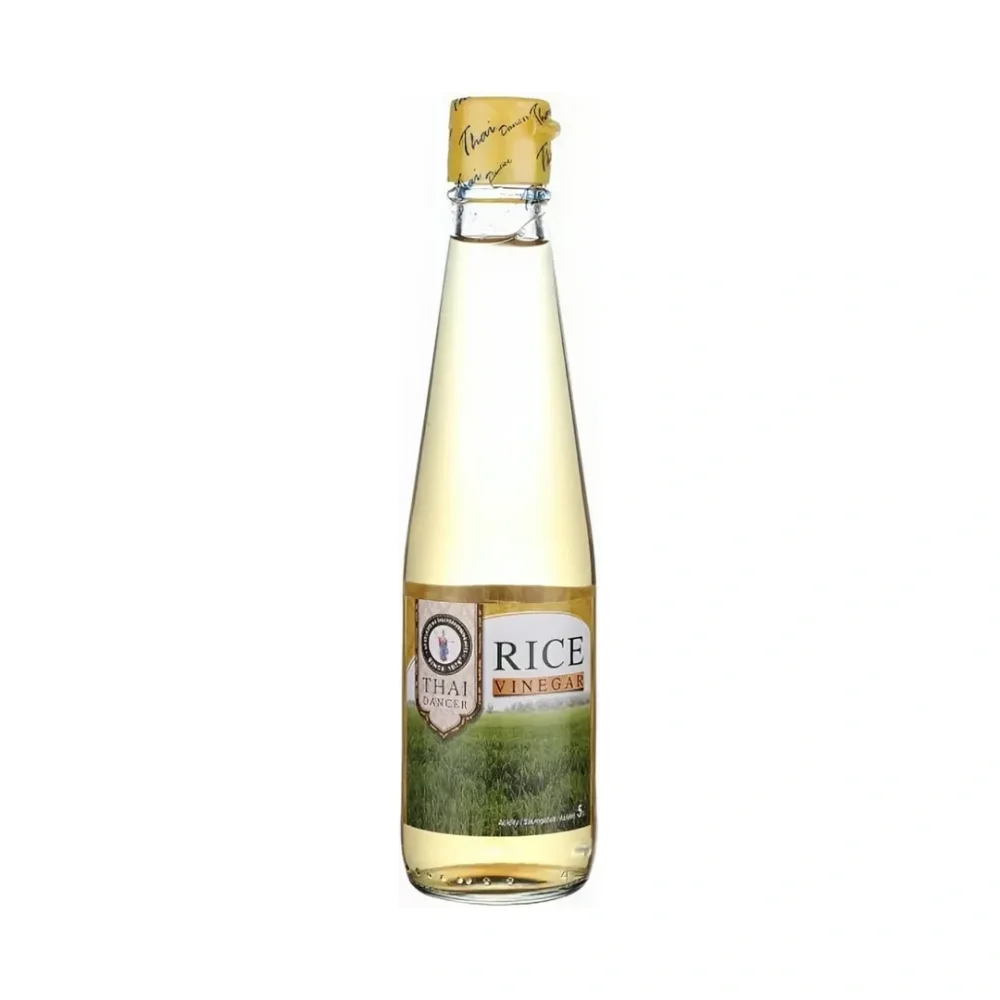
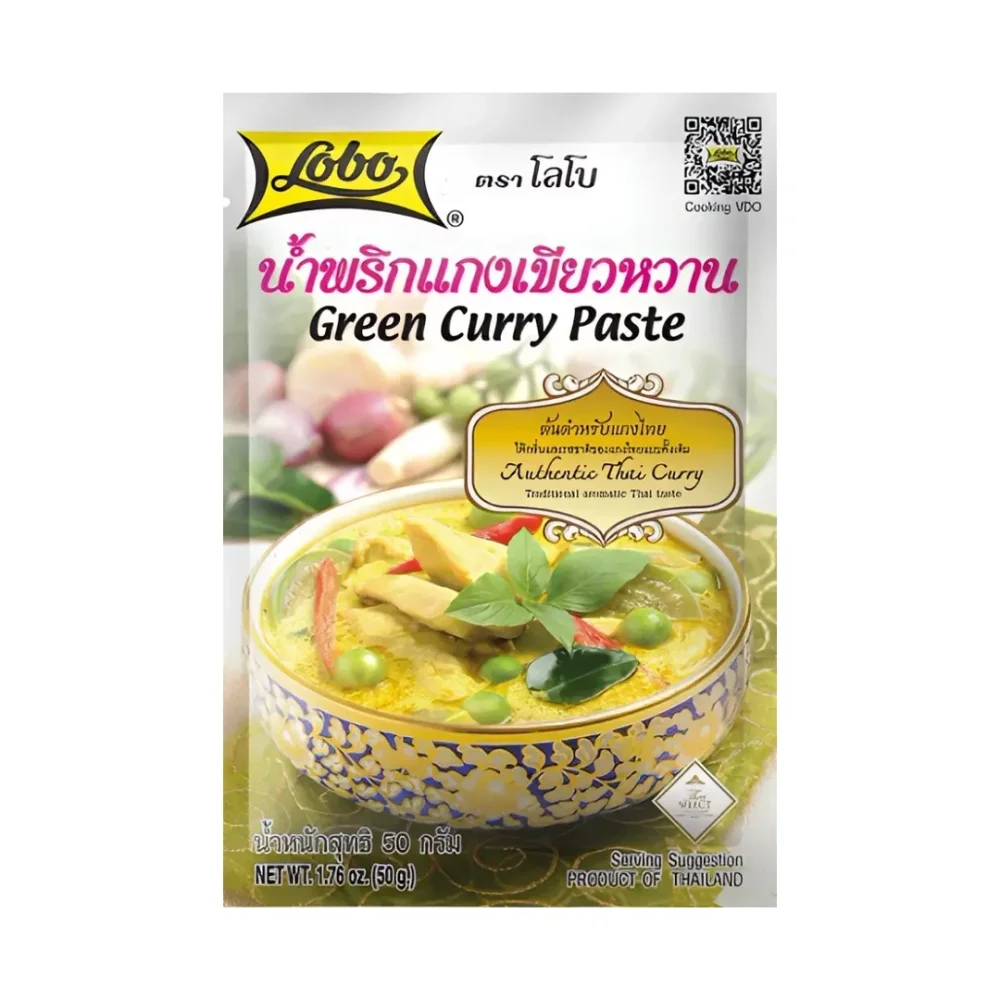
If you want quick rice seasoning without complicated steps, pastes and spices for rice also serve as a practical guide, pastes and spices for rice. But consider them a “style signature,” not a universal taste for all of Asia.
💡 Most Common Mistakes and What to Watch Out For
- “Asian cuisine is one.” It isn’t. It is a broad collection of different systems – and the same food can have different logic in different regions.
- “The difference is just that it’s spicier in some places.” Differences span climate, crops, broth, fermentation, fat, texture, and dining style. Spiciness is just one option, not the main explanation.
- “Street food is less important than home cooking.” In many cities, street food is one of the bearers of cultural identity – and thus also how flavors spread and what people consider “typical.”
- “Traditional cuisines are static.” They aren’t. They evolved through trade, migration, and contact with other cultures – which is why tastes change and blend.
- “If I know the recipe, I know the cuisine.” Without context, the meaning of ingredients, service, and symbolism is easily lost. Typically, one badly substitutes a key component (e.g., ferment element) and wonders why “it doesn’t taste like in the restaurant.”
- “Fermented = automatically probiotic.” Fermented foods may contain live microorganisms and some may be sources of live cultures, but not every fermented food is automatically probiotic. From a culinary perspective, the key is mainly that fermentation changes taste and texture.
- “One etiquette rule applies throughout Asia.” Asia is not one culture. What is highly sensitive in Japan or Korea may not have the same weight elsewhere; modern urban dining tends to be more relaxed, but some gestures around shared meals remain culturally sensitive.
What to Take Away from the Article
- Asian cuisines are best understood as a set of contexts: climate, crops, religion, dining rules, trade, and migration.
- For orientation, it is very practical to distinguish between the rice and wheat worlds and perceive the difference between the coast and the inland.
- The flavor character of regions often rests on different bases: fermentation, spices, coconut directions, broths – and texture can also play an important role.
- For first steps, it works to choose a style based on taste (with a conscious "focus" on one axis) and start with small dosing of concentrated seasonings.
- The most common mistakes arise from oversimplification (only spiciness, one Asia, one set of rules) and from the notion that a recipe without context = understanding the cuisine.