


 Česky (CZK)
 Slovensky (EUR)
 Deutsch (EUR)
 Austria
 Belgium
 Bulgaria
 Croatia
 Denmark
 Estonia
 Finland
 France
 Germany
 Greece
 Hungary
 Italy
Italy Latvia
 Lithuania
 Luxembourg
 Netherlands
 Poland
 Portugal
 Romania
 Slovenia
 Spain
Spain Sweden










Etiquette and dining in Asian cuisine: why sharing happens, how chopsticks work, and what differs by country
Etiquette at the Asian table is not just a "set of rules" to stress you out. In many parts of Asia, it is a natural part of what food means: sharing, respect for the host and the food, order, small gestures, and the way of serving. Once you understand a few principles, you will behave more confidently at the communal table – both at home and when traveling.
Asian dining is often not just about what is eaten, but how it is eaten: who starts first, how food is taken from shared bowls, how chopsticks or spoons are used, how tea is served, and how respect is shown to elders or the host. It is also important that in many cultures food is seen as shared time for family, guests, and relationships – and etiquette is a way to keep this sharing pleasant for everyone.
🌶️ What is truly typical for Asian dining (and why it is not “just politeness”)
Across different countries, principles repeat that give Asian dining its “shape.” These are not universal laws for all Asia (there are large differences), but frequent patterns worth knowing:
- Respect for the host and for the food – often shown more in small details than in grand gestures.
- Emphasis on sharing – shared dishes and sides are often more important than "my plate."
- Smaller role of an individual plate and conversely a larger role of bowls and shared plates in the center.
- Importance of order, placement, and way of serving – it matters what belongs where and when something is taken.
- Big role of small gestures – how you put down chopsticks, how you reach into shared dishes, whether you pour for others, if you wait for elders.
These “small” rules often decide whether you appear considerate. Not because someone wants to control every move, but because with shared food it is easy to bother others, take too much, or disrupt the dining rhythm.
Why food is so widely shared in Asia: family, hospitality, and multiple dishes at once
In many parts of Asia, food is deeply connected with family, community, and hospitality. Therefore, it is often served in a way that makes it naturally shareable: multiple bowls and side dishes on the table, which everyone takes from progressively.
Such dining has several practical consequences:
- More than “portions,” balance at the table is addressed – so that everyone gets some and can continuously build bites according to taste.
- Etiquette is closely linked to how food is taken from the shared (and how respect is shown).
- The atmosphere is often just as important as the food itself: sharing creates a communal rhythmin which the surroundings are more sensed.
If you are used to the model “my plate = my food,” sharing might be the biggest change at first. Good news: usually it’s enough to keep simple consideration – taking smaller amounts, not rushing, and being aware of what’s happening around.
Chopsticks: a tool and a cultural signal
Chopsticks are not just an “alternative to a fork.” They are both a tool and a non-verbal signal: how you use them often shows whether you understand the rules of sharing and respect at the table.
General principles: how to behave at shared meals
Even without perfect holding technique, you can appear confident – if you keep a few principles in mind:
- Notice how others work: pace and order are often more important than “correct finger placement.”
- With shared dishes it is crucial not to be chaotic: don’t rummage in food, don’t take too long choosing "the best," take a reasonable amount.
- Putting down chopsticks is not a detail: small gestures often create an impression of respect (and do not disrupt shared service).
- Waiting for elders / others is part of the shared rhythm in many cultures.
- Pouring for others (and not yourself) can be more important in certain situations than holding chopsticks “by the book.”
👉 If you are unsure how to behave, a simple rule often works: do things so everyone at the table feels at ease – without haste, without “taking up space,” and without demonstratively tuning your own comfort at the expense of others.
Japan and Korea: the same tool, but a different context
It’s tempting to think that “chopsticks are just chopsticks.” But chopsticks are embedded in a broader dining logic: somewhere there is more work with bowls, elsewhere a natural combination with a spoon, elsewhere the way of serving and order plays a big role.
Therefore, it’s useful not just to focus on chopsticks themselves, but also on what type of table and what food arrangement is typical for the given cuisine.
Japan: respect for service and food
Japanese dining is often described as emphasizing respect for service and for the food and the importance of order, placement, and way of serving. In practice, this means that etiquette often does not happen in “big prohibitions,” but in being aware of how the food is presentedand acting so as not to disturb the service.
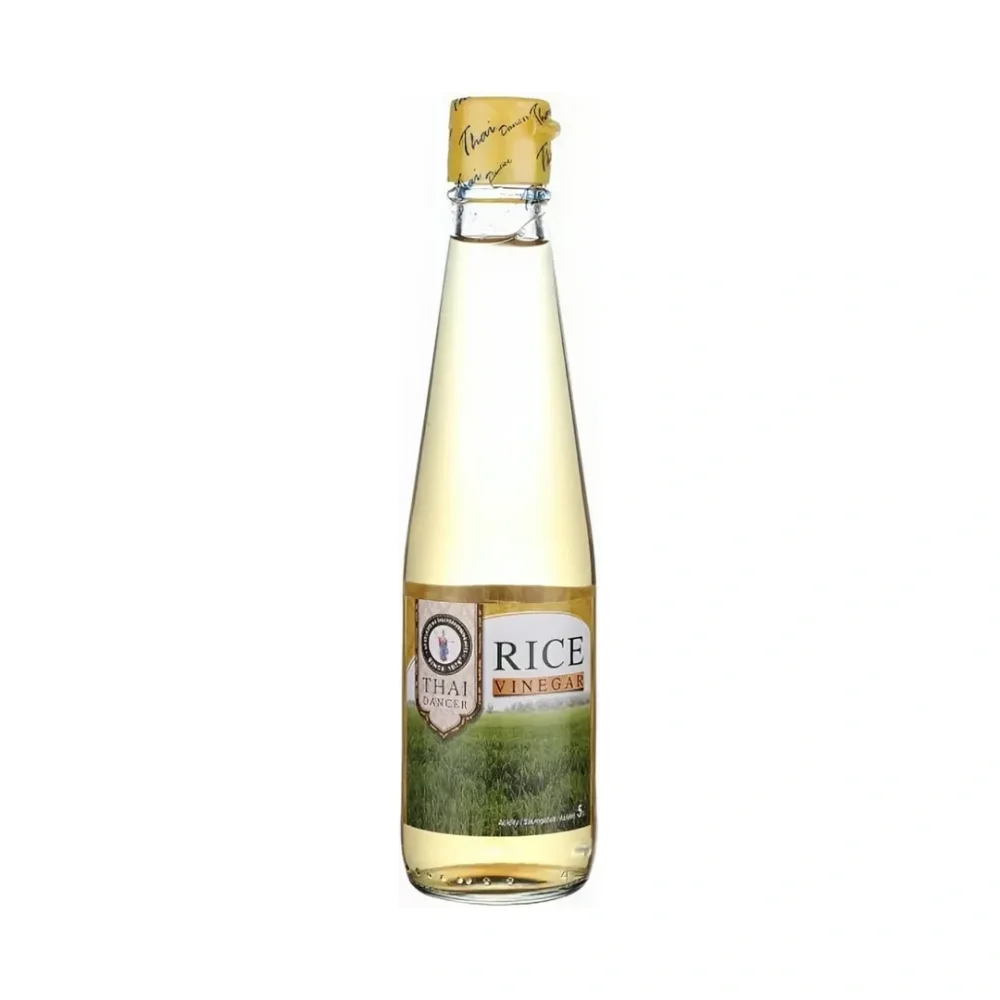
If you want to try the Japanese atmosphere at home, working with simpler, clean flavors and precise seasoning often helps. A typical example is rice and its subtle balancing with acidity – rice vinegar is used for that. If you deal with this type of seasoning, it can make sense to reach for a milder variant, for example Thai Dancer rice vinegarwhich suits situations where you don’t want the acidity to overpower other tastes.
From the perspective of “etiquette,” it is especially important that the Japanese style often emphasizes: calm, attention to detail, and considerate handling – precisely those things that matter most when sharing food.
Korea: dining as an arranged table
Korean etiquette nicely shows that dining is connected to the structure of the table. The traditional model works with several bowls and side dishes at once, so “where things are” and “when who starts” are not trivialities but part of the system.
Typical features of Korean dining:
- Rice and soup are placed in front of the diner.
- Around them are banchan (various small side dishes) and other bowls meant for sharing.
- Spoons and chopsticks have their place and are used in combination.
- Younger people usually wait for the eldersbefore they start eating.
- When pouring alcohol or serving elders, emphasis is placed on a two-handed gesture.
What is important in Korea and often surprises visitors:
- Do not lift the bowl of rice or soup to your mouth.
- Correctly combine the spoon and chopsticks depending on what you are eating.
- Respect the elders at the table (start time, pouring, serving).
- Understand that dining is a shared affair, not an individual “quick eating.”
This is a good example that etiquette is not just “formal”: it can be alive and present even in everyday meals because it helps keep a common rhythm and order at the table.
How to try Asian dining at home (without stress)
You don’t have to know all the rules of a given country. Just set up an environment at home that supports what is typical for Asian dining: sharing, small portions, consideration, and a calmer pace.
1) Set the table for sharing: a common center + small portions
- Put in the middle of the table 2–4 shared bowls (even if they are only simple side dishes).
- Everyone can have their own bowl for rice/soup, but leave the “main event” in the middle.
- When taking from the shared dishes, start with a small amount. With shared food, it’s better to add than to take too much at once.
2) Chopsticks and shared bowls: one thing that decides the impression
With shared food, it is more important than perfect technique whether you behave “cleanly” and considerately with the shared bowls. Practically this means: don’t reach into the food for a long time, don’t pick through it, don’t turn pieces over, and leave others the same chance.
3) Pouring, waiting, pace: small social signals
- When waiting for elders or the host, don’t take it as formality. In practice, it creates the atmosphere and you avoid awkward “who starts.”
- If something is being poured at the table, it often works better to offer to others first than to serve yourself first.
🍽️ 4) Tea and shared serving: it’s also about atmosphere
The topic of dining is not just about rules but about what kind of space is created at the table. In many parts of Asia, food functions as a shared experience and a way of building relationships – and tea can be part of that “slowing down” and hospitality.
5) Practical tip for seasonings: choose according to function and read labels
With shared dining, it is useful to have seasonings that don’t overpower the taste but help to fine-tune it. Generally, it’s good to understand the function of the ingredient and not rely just on a striking package or name.
A simple rule from practice selecting Asian ingredients helps: read the label and sense what is listed in the composition at the top (ingredients are usually listed descending by weight). This way you can more easily tell if you are taking more of a “base” or a ready-seasoned product – which can change the final impression with shared food more than you expect.
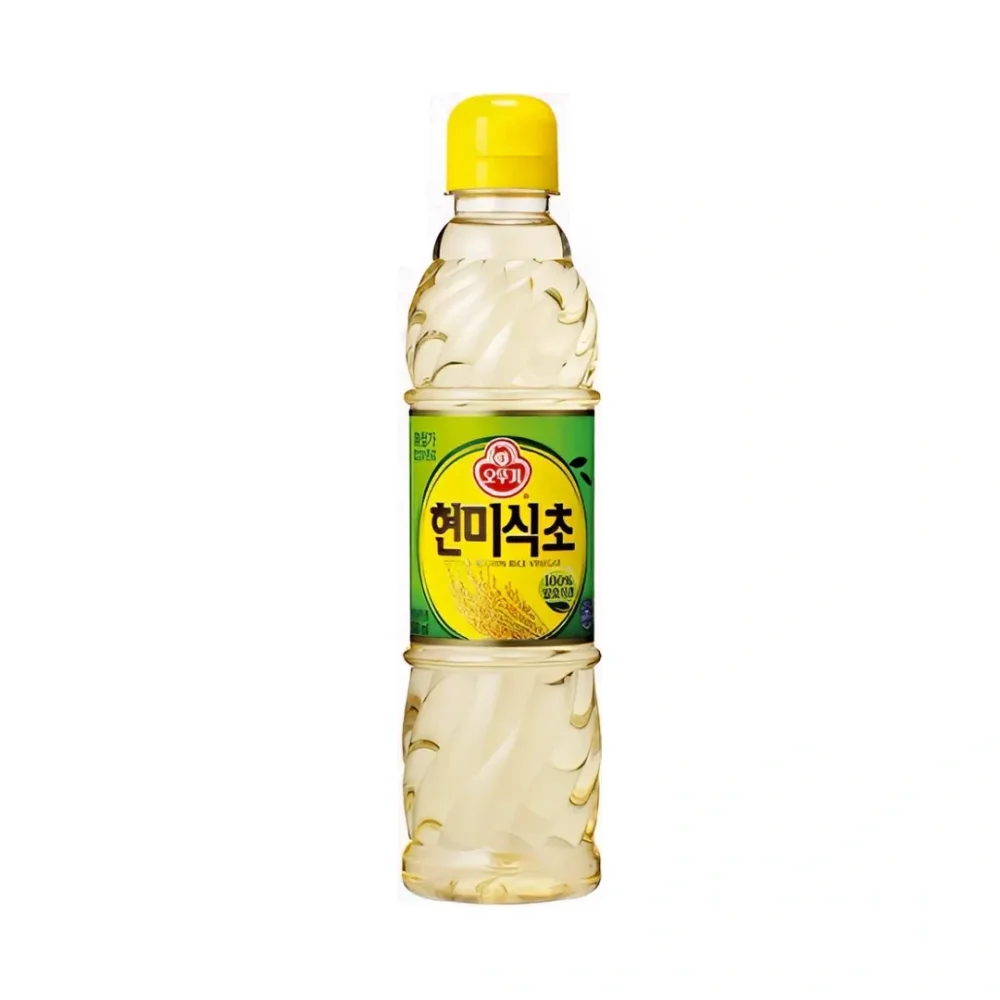
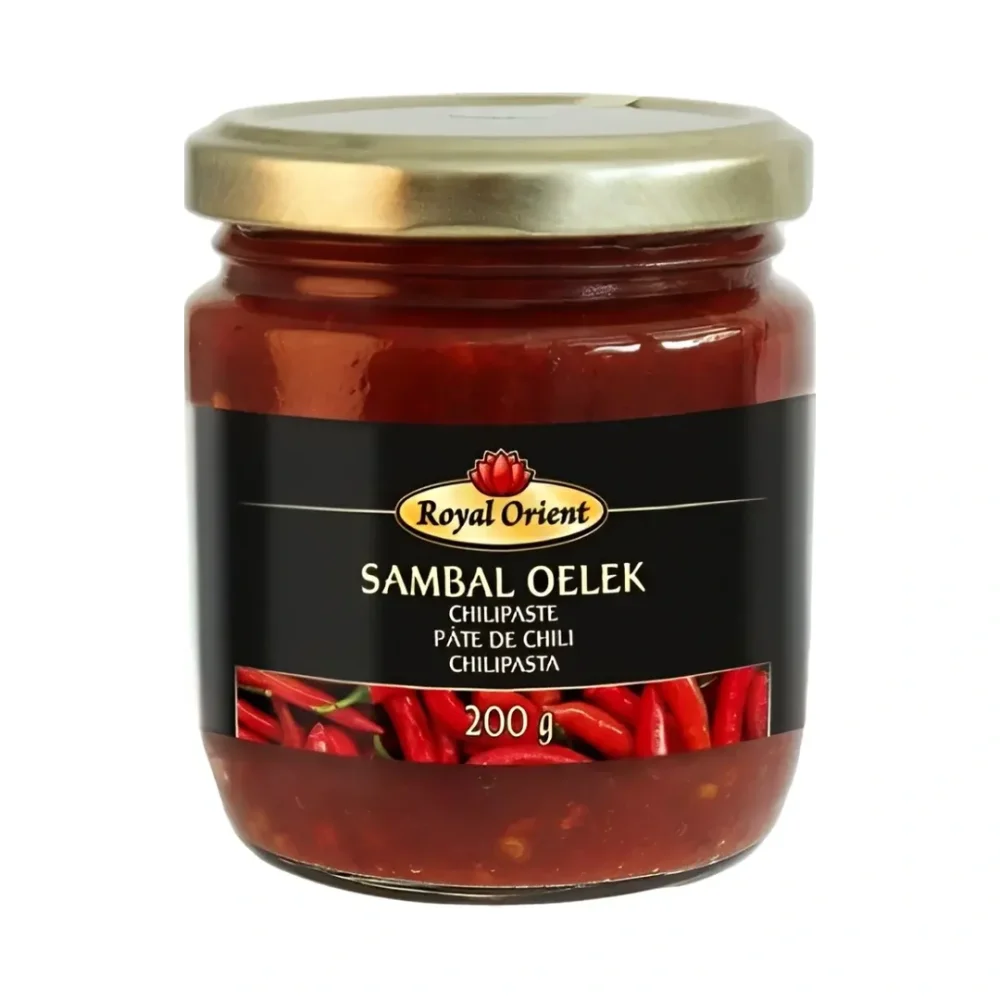
If you want a milder and balanced acidity, you might go for, for example, Ottogi brown rice vinegar. And if you are working with intensely flavored pastes (spicy or strongly salty), it’s fair to dose them carefully at the shared table. A typical example of “pure” spiciness is Sambal Oelek – with such things it’s worth setting them aside so everyone can add according to their taste.
Most common mistakes and embarrassments: what to avoid
- “The rules are the same across all of Asia.” They are not. Similarities exist, but differences between countries and regions can be fundamental. Therefore, it’s better to stick to general principles of sharing and respect and rather learn specific rules by observing in the given context.
- "Etiquette is mainly for restaurants." Often, it is even more important at home or during family meals because it is about relationships and hospitality, not about "formal performance."
- "It is enough to know how to hold chopsticks." It is not enough. Equally important is how you behave towards the shared meal, whether you wait for others, how you pour, and how you respond to the host.
- "Formal tea is just a tourist attraction." In many cultures, tea has deep cultural and historical roots and can be part of how the atmosphere at the table is created.
✅ If you have to remember just one thing: in Asian dining, “correctness” is often recognized by whether your behavior supports sharing and calm – not by whether you hit every little rule on the first try.
What to take away from the article
- Etiquette in Asian cuisine is in many parts of Asia part of the meaning of the meal, not just formal politeness.
- Many dishes are based on multiple bowls and communal sharing – and that is why small gestures matter so much.
- Chopsticks are not just a tool: it is also important how things are taken from the shared dishes, how you wait for others, and how respect is shown.
- The Japanese context emphasizes respect for service and detail, the Korean one highlights an organized table (rice, soup, banchan) and the importance of elders at the table.
- At home, you can try Asian dining style best by setting the table for sharing, taking smaller portions, and maintaining a calm pace.

Read next
If you want to explore this topic further, continue with these related blog guides and articles:
