


 Česky (CZK)
 Slovensky (EUR)
 Deutsch (EUR)
 Austria
 Belgium
 Bulgaria
 Croatia
 Denmark
 Estonia
 Finland
 France
 Germany
 Greece
 Hungary
 Italy
Italy Latvia
 Lithuania
 Luxembourg
 Netherlands
 Poland
 Portugal
 Romania
 Slovenia
 Spain
Spain Sweden










Why the same food tastes different in another part of the country (and how to make sense of it)
Maybe you've experienced it: you order the "same" food in a different part of the country – and yet it tastes surprisingly different. It's not necessarily the chef's fault or "inauthenticity." Often, it's a logical consequence of how the region shapes ingredients, techniques, seasoning, and what people consider the "right" taste.
What "the same food" actually means and why it doesn't literally apply in practice
The name of the dish is often just an abbreviation. In different regions, it can mean the same idea of food (for example, a hearty dish based on grain and strong seasoning), but not necessarily the same basic ingredients and certainly not the same flavor profile.
In the Asian context (and often even within a single country), the following differ:
- the base (rice vs. wheat and noodles, or other grains),
- the main "savory driver" of flavor (e.g., fish sauce vs. soy/fermented bases),
- aromatics (herbs, spices, garlic/onion/ginger),
- acidity and freshness (citrus, vinegars, pickles),
- fat and "body" (e.g., coconut logic in warmer regions),
- preservation and flavor-enhancing techniques (fermentation, drying, broths, braising).
Therefore, food can have the same name, but the regional version will be based on a different ingredient reality – and thus a different taste.
What shapes regional flavor the most: five forces that change even the "same" dish
1) Climate and agriculture: what grows determines the common cuisine
Climate decides what is naturally available. In warm and humid areas, it is easier to rely on rice, coconut, tropical fruit, and aromatic herbs. In drier, cooler, or more northern areas, wheat, legumes, meat, and storable ingredients often play a bigger role. When the usual availability of ingredients changes, the "norm" of how food should taste changes as well.
2) Sea, rivers, islands vs. inland: different saltiness, different depth
Coastal and island cuisines tend to be more connected with fish, seafood, and fish-based elements. Inland areas more often rely on grains, meat, legumes, and preservation techniques. The practical effect: even if a dish looks "the same," its umami and saltiness may be based on a completely different foundation.
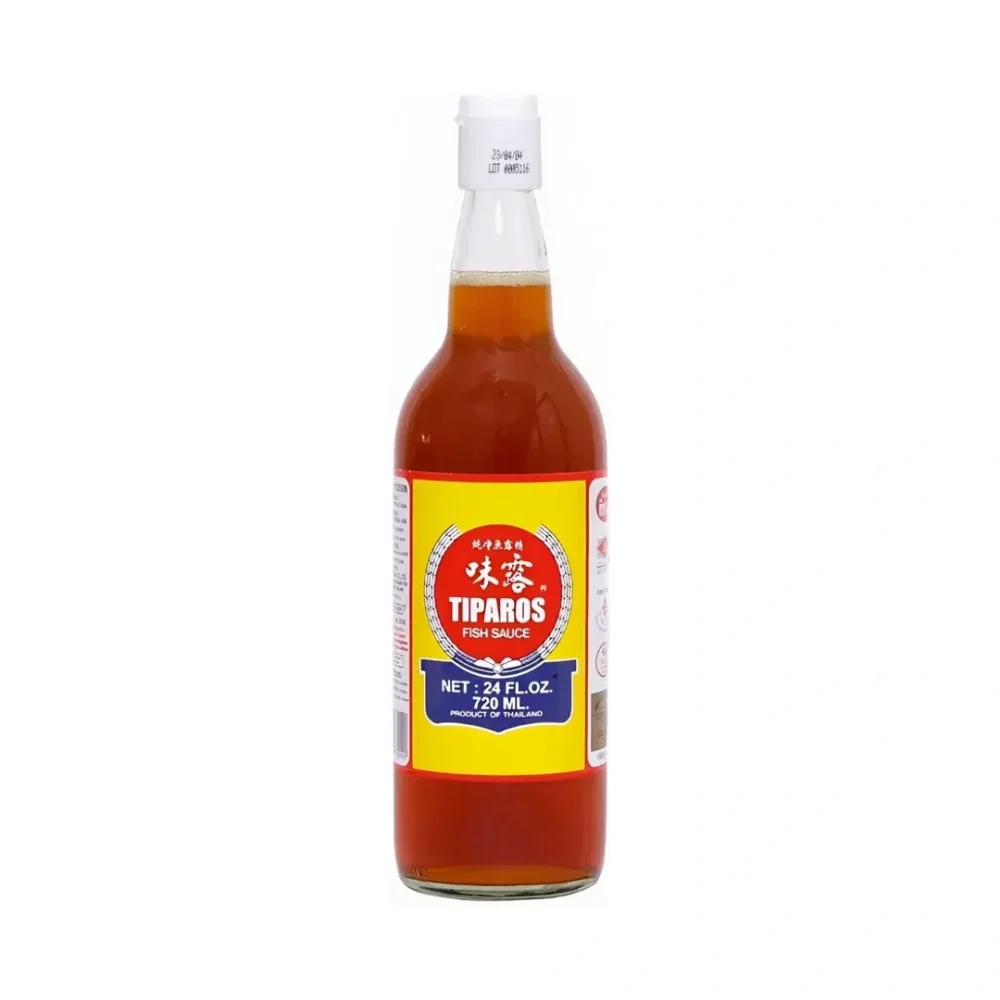
A typical example of liquid, very concentrated saltiness and umami used in Southeast Asia is fish sauce. If you want to understand at home what gives a "regional signature" to flavor, try working with Tiparos fish sauce – often a few drops are enough to shift the whole dish into another flavor world.
3) Religion and cultural rules: what is eaten (and what is not) is part of the recipe
Buddhist, Hindu, Muslim, and local traditions influence how meat is treated, which ingredients are common and which are festive. Therefore, it may happen that the "same" dish has a heavily meaty version in one part of the country, while elsewhere it is more based on legumes, tofu, or fermented bases – and the flavor composition will differ.
4) Trade and migration: ports mix flavors, inland is more conservative
Asia has been fundamentally transformed by maritime and land trade. Spice routes and Silk Roads carried not only goods but also techniques, ideas about food, working with grains, and fermentation. Additionally, newer crops like chili peppers came to Asia as part of the so-called Columbian exchange. The result: what today seems like a "traditional regional flavor" can be a historical mixture of older techniques and newly adopted ingredients.
5) City vs. countryside (and holidays): food can have the same name but a different role
In urban environments, flavors mix and standardize more quickly, while the countryside often has a stronger link to season and local ingredients. Moreover, festive foods often follow conservative rules: it's not just about ingredients, but also symbolism (abundance, luck, longevity, family unity). This leads to the "same" dish having a festive and a regular version – and regions differ in what they consider the correct festive form.
Northern vs. southern tastes: a useful aid (but not a fixed map)
A practical way to quickly orient yourself is to perceive two major flavor directions. It's just a tool – not a rule without exceptions.
More northern or cooler areas often tend towards:
- wheat and noodles,
- heavier and more robust dishes,
- a bigger role of meat,
- spiciness (depending on the region, via pepper/garlic/onion/chili),
- soups, stews, and a "warming" logic.
Warmer and more humid areas often more often rely on:
- rice,
- coconut,
- herbs,
- lighter, fresher, and more acidic flavors,
- fish and seafood,
- a greater proportion of fresh ingredients and quick preparations.
Important note: even in the south, there are rich and very spicy dishes, and even in the north, delicate and refined cuisines exist. The point of this tool is more to give you a hint, about the direction the food's seasoning will likely take.
Rice belt vs. wheat belt: when the base changes, so does the "same" dish
One of the biggest differences across Asia (and often within countries) is whether the center of the plate is rice, or wheat (noodles, flatbreads, dumplings).
Practically, this means that the "same" dish can naturally be built as rice + a pronounced savory/umami component, while elsewhere it makes more sense as a noodle dish or a dish where the flavor is carried through the broth and a wheat base.
A simple principle from regional styles illustrates this well: somewhere the base of the dish can be rice and fish sauce, while elsewhere wheat noodles and soy sauce – and elsewhere still, rice, dhal and spices. It's not just about ingredients but about what flavor "logic" the region considers home.
How to quickly check at home "where" the flavor comes from – and how to fine-tune it in practice
If you want to understand why the same dish name tastes different every time, try consciously identifying three things in the food: base, main savory/umami and type of freshness. Then only address spiciness and sweetness.
Step 1: Determine the "motor" of umami and saltiness (and dose in drops)
- Fish base: when the dish is based on marine saltiness and umami, add fish sauce very carefully. Start with about 1/2 teaspoon per serving of sauce or broth, stir and taste. It is easy to over-salt, and then balancing is needed (dilution, rice, vegetables, or acidity).
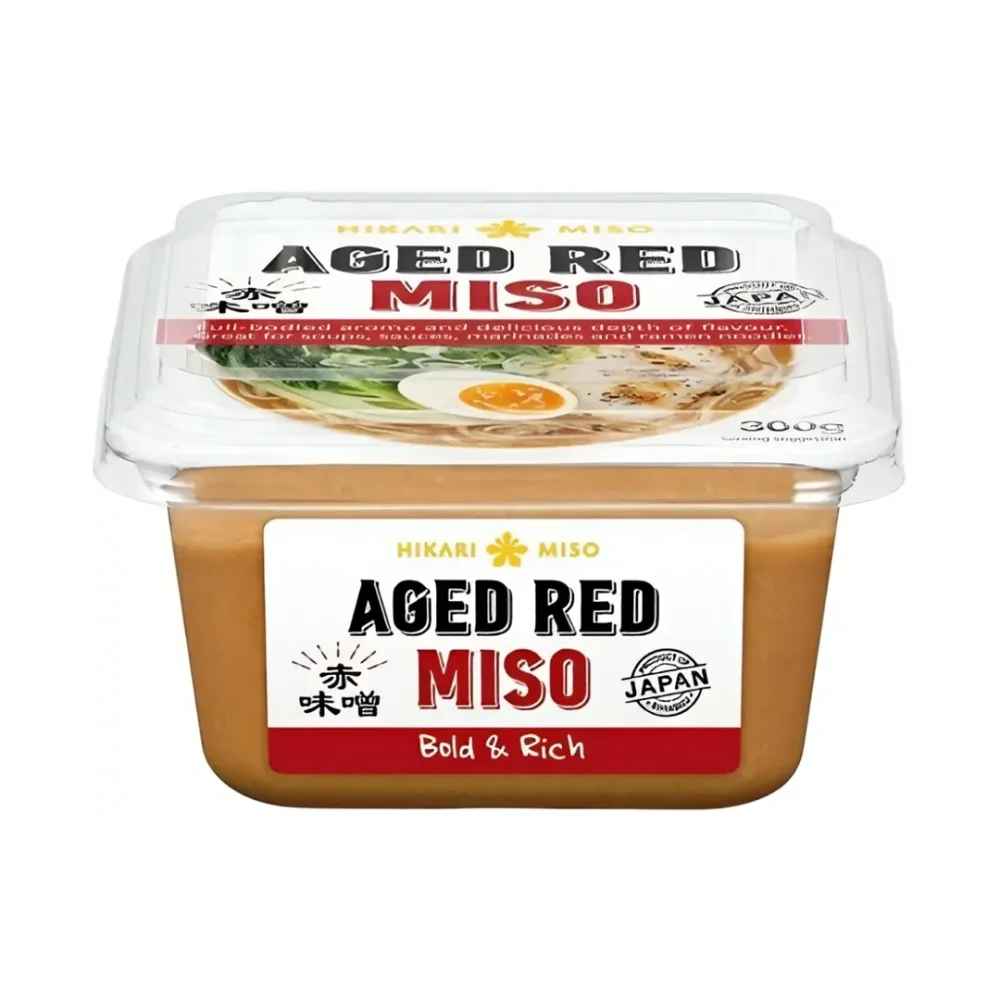
- Fermented "soy" base: in some ways (typically Japanese), depth is built through fermented pastes. If you want to taste at home what mature fermentation does to food, try red miso paste Hikari. In a hot dish, it's better to dissolve it separately in a little liquid and then add it – and start with a small amount (the flavor is strong).
Step 2: Choose the type of acidity (different acidity = different regional impression)
In warmer and more humid areas, dishes tend to be fresher and more acidic. Acidity should not be just "sharp" – it is about lifting the dish. A gentler and rounder acidity can make a big difference, for example, in dressings, marinades, and seasoning rice.
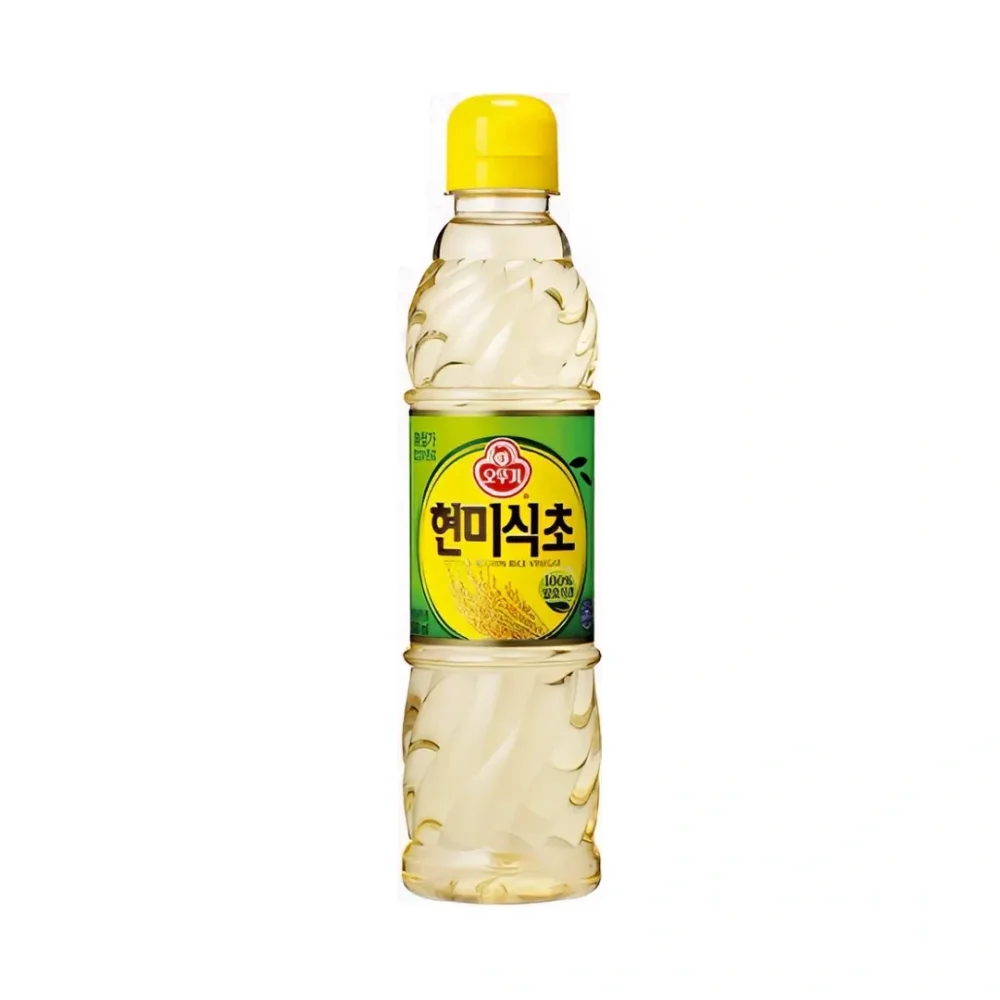
If you want to work with acidity gently, use brown rice vinegar Ottogi. A practical starting dose: begin with 1–2 teaspoons in a small bowl of dressing or sauce, stir and adjust in small steps.
Step 3: Decide if the dish should have an "herbal lightness" or "spiced richness"
Here a simple rule from cultural context helps: if you want lightness, freshness, and herbs, styles associated with Vietnam or parts of Thailand often work; if you want depth, fermentation, and umami, Japanese, Korean, and Chinese directions often work; and if you want a spicy and richer logic, India or Sri Lanka often work.
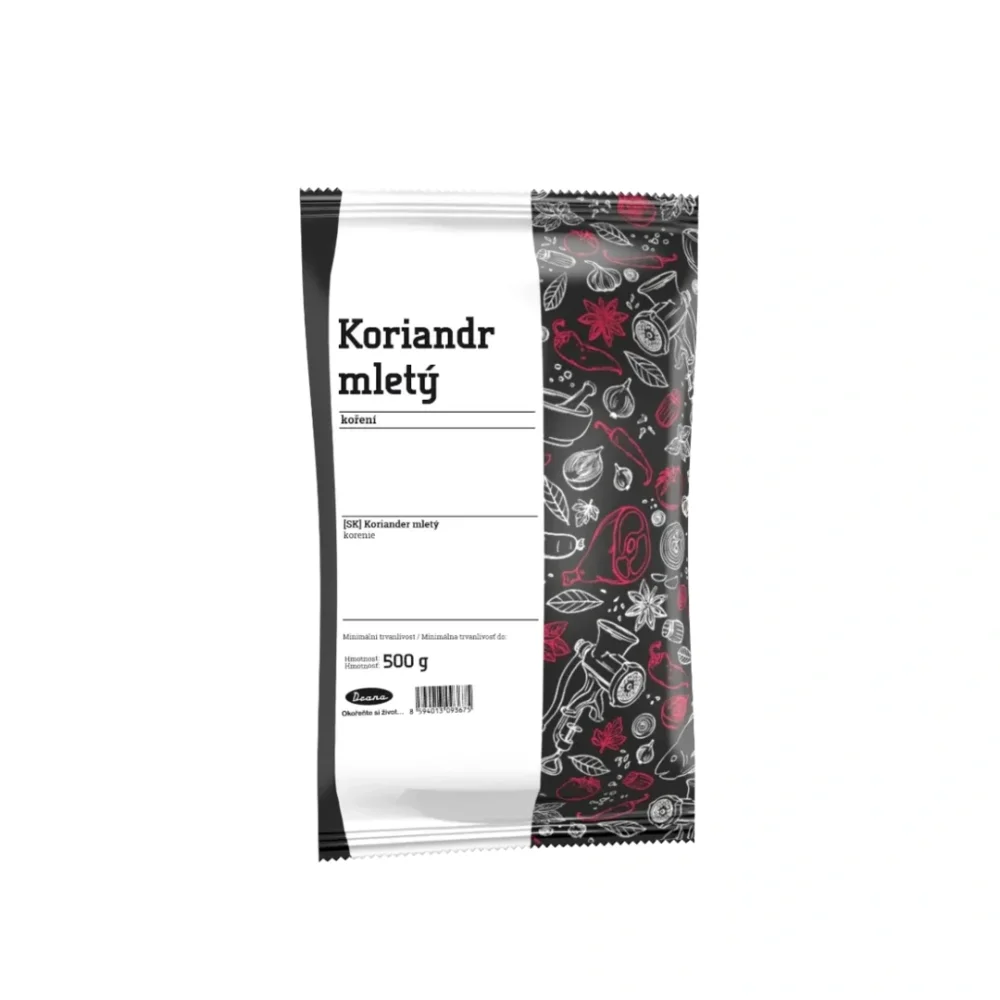
For spicy directions, it is typical that spices do not just form a "sprinkle" but the backbone of flavor. An easily understandable example of a spice that rounds and connects flavor is ground coriander Drana – add it in pinches to the sauce or base, simmer briefly, and taste.
Step 4: If the dish has a "southern" tropical trace, consider coconut logic
In warmer and more humid areas, coconut and an overall lighter, fresher style are more common. If you want to simulate the "southern" type of sauce at home, it is good to work with a base that quickly smells fragrant in fat and then blends with coconut milk.
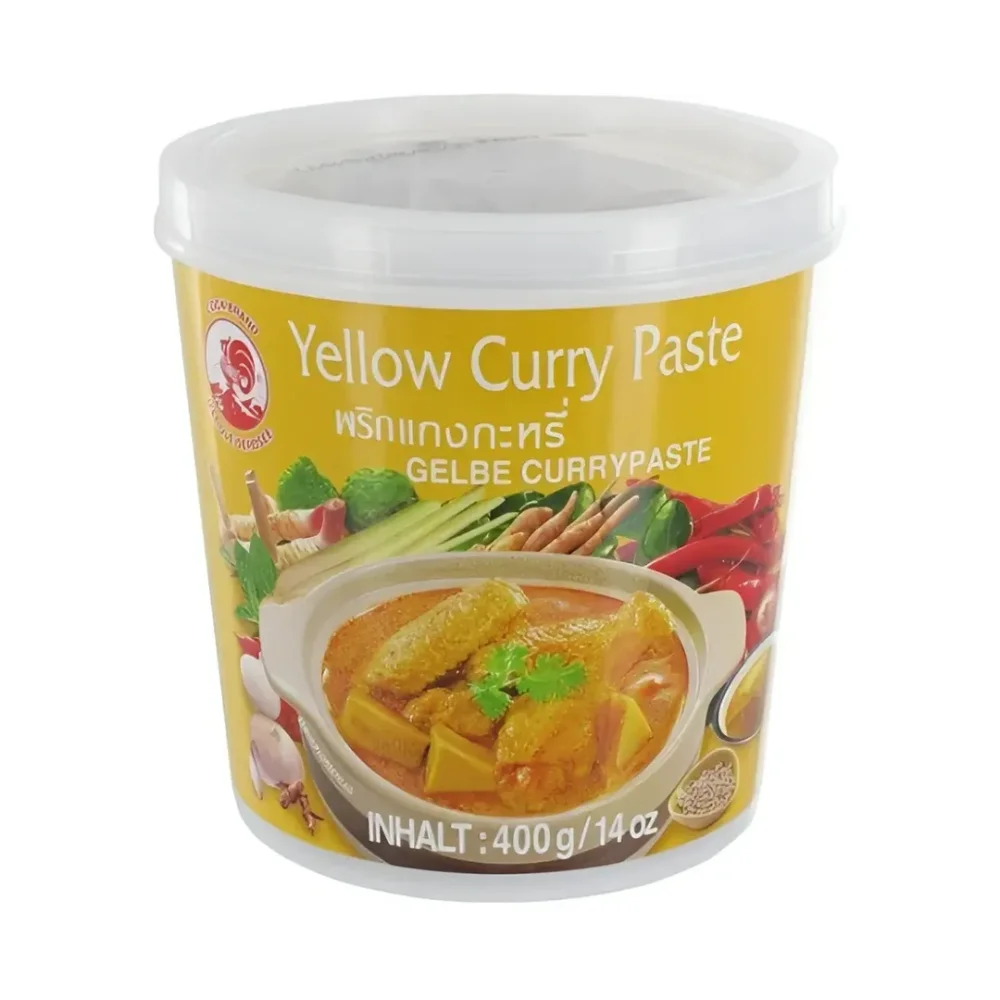
A practical starting point can be yellow curry paste Cock Brand: briefly fragrance it in oil and then build the sauce on it. Dosing is always about taste, but with pastes it is better to start with a smaller amount, stir, and gradually add.
Common mistakes and misunderstandings: why the "same dish" disappoints
- Taking "north vs. south" as a fixed map. It is a tool, not a box. Exceptions exist on both sides.
- Confusing the main savory base. Fish sauce, fermented pastes, and other salty seasonings are not just "salt" – they change the aroma and impression of the dish. If you confuse the base, you don't get the "same dish" but a different style.
- Overdosing concentrated ingredients. Fish sauce and mature miso are strong. If you overdo it, it's hard to bring the dish back to balance. The solution is to taste continuously and add in small steps.
- Expecting "Asian flavor" is one thing. In reality, it varies according to climate, available crops, coast vs. inland, cultural rules, and historical trade influences.
- Not recognizing the role of acidity and freshness. Two versions of the same dish often differ precisely in whether the impression is "lighter and more acidic" or "heavier and broth-based."
What to take away from the article
- The "same dish" is often the same mainly in name; regions change basic ingredients, seasoning, and what is considered a typical flavor.
- The biggest differences are made by climate and agriculture, coast vs. inland, cultural rules, trade influences, and the difference between city and countryside (including festive symbolism).
- As a quick guide, the tool northern/heavier vs. southern/fresher works – but always with exceptions.
- In practice, pay attention to three things: base (rice/wheat), umami engine (fish vs. fermented/soy), and type of acidity. This is the fastest way to understand why two "same" versions taste different.

Read next
If you want to explore this topic further, continue with these related blog guides and articles:
