


 Česky (CZK)
 Slovensky (EUR)
 Deutsch (EUR)
 Austria
 Belgium
 Bulgaria
 Croatia
 Denmark
 Estonia
 Finland
 France
 Germany
 Greece
 Hungary
 Italy
Italy Latvia
 Lithuania
 Luxembourg
 Netherlands
 Poland
 Portugal
 Romania
 Slovenia
 Spain
Spain Sweden










Why the same ingredients are used differently in various countries: climate, grains, sea, and the history of tastes
You might be surprised that the “same” ingredient behaves completely differently in various Asian countries: in some places it is the main dish, elsewhere just a flavoring; sometimes fermentation is emphasized, other times herbs or spices. It's neither a coincidence nor a matter of “right vs. wrong,” but a logic of the environment, available crops, trade influences, and the daily rhythm of life. In the article, we will show how to read these relationships and how to practically use them in home cooking.
Why the “same ingredient” is actually not the same
Asian cuisine is not one cuisine nor one flavor logic. However, if you want to orient yourself practically (and not just admire diversity), it is useful to change the question from “How is it done correctly?” to “What role does this ingredient have in a given region?”
The same ingredient can function in different cuisines as:
- the base of the dish (something everything revolves around),
- a carrier of texture (crunchiness, elasticity, slipperiness, density),
- a seasoning tool (saltiness, umami, sourness, aroma),
- a preservation solution (fermented, dried, salted, pickled forms).
This distinction is key because many home disappointments arise not from a “bad ingredient” but from using a good product in the wrong role.
🍳 Four forces that most change ingredient usage across Asia
1) Climate and living conditions: what can be grown, what must be preserved
One of the strongest factors is climate – it determines what can be grown and what is commonly available. In humid and warm regions rice, coconut palms, tropical fruit, aromatic herbs, fast-growing vegetables, and (in coastal zones) fish and seafood typically thrive. That is why tropical and subtropical cuisines are often rice-based, fresher, more acidic, more herbal, and oriented towards fish and lighter preparations.
On the contrary, drier, cooler, or northern regions place greater importance on wheat, millet, barley, legumes, meat, root vegetables, and longer-lasting products. Such cuisines are more often noodle or bread-based, richer, more reliant on broth, and “practical” in terms of preservation.
Practical consequence: the same category of ingredients (e.g., vegetables) may be used mostly fresh and quickly prepared in one region, while in another, logical methods develop to concentrate flavor and nutrition and carry it over the season (fermentation, drying, salting, pickling).
2) Rice belt vs. wheat belt: changes the “body” of the dish and seasoning
One of the most visible differences is whether the main grain is rice, or wheat. It's not just about the side dish: the structure of meals, typical combinations, and how flavors are built change.
- In one part of Asia, the basis might be rice and fish sauce.
- Elsewhere, wheat noodles and soy sauce.
- And in yet another place, rice, dhal, and spices.
Note that it's not just the “starch” changing, but the whole system: a different type of fullness, different kind of saltiness and umami, different dining rhythm.
3) Sea, rivers, islands, and inland: when sea flavor is the base and when only an accent
Coastal and island areas naturally have a closer relationship with fish and seafood – as well as techniques that make them stable, portable, and flavor-intense ingredients. This is one reason why fermented or heavily salted seasonings are so common in many Asian cuisines.
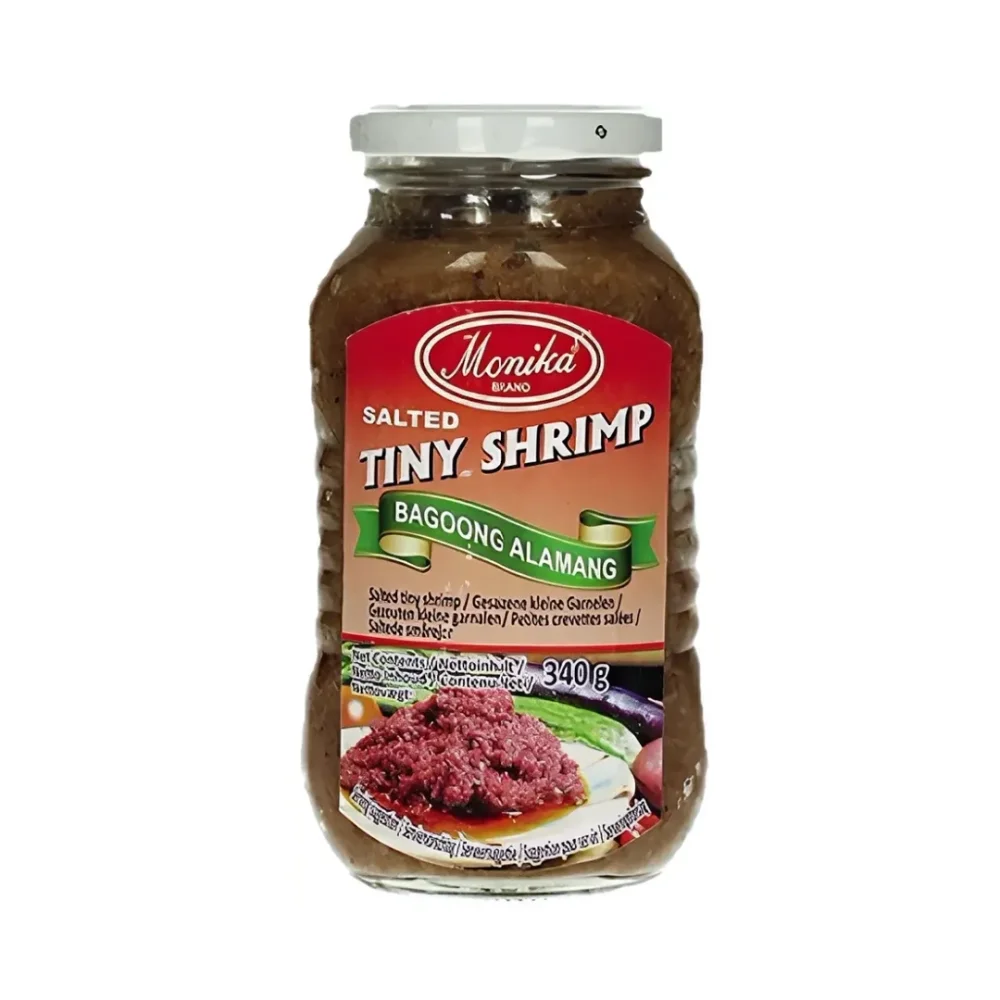
The concept of “small quantity, big effect” illustrates this well: for example, salted shrimp Monika 340 g is not something you eat as a main portion. Its purpose is as a strong flavoring – added carefully to give the dish character and depth.
In inland areas, legumes, meat, broths, and longer-lasting crops often play a bigger role. This is neither “better” nor “worse” – it reflects what is available and what makes sense to preserve.
4) Trade and migration: why some tastes seem “ancient” today but are historically newer
Asia was fundamentally transformed by trade – both by sea and land. Ports were places not only for selling goods but also for mixing flavors. Trade routes transmitted not only ingredients but also techniques, ideas about food, and methods of working with grains and fermentation.
An important moment is the so-called “Columbian exchange”: crops that we now consider typical made their way to Asia. A well-documented example is chili – today inseparable from Thai, Korean, or parts of Indian cuisine, but historically a newer layer. This is a good reminder that “traditional” often means “long-used,” not necessarily “original.”
What this means for home cooking: choose by function, not by name
Start with the question “Where does it belong?”: soup, stir-fry, dip, marinade?
The same ingredient may be intended for different techniques in various countries: for broth, for quick pan toss, for cold sauce, or as a finished seasoning on rice. Before reaching for “Asian sauce” or “Asian mix,” clarify what role it should have:
- Should it create the flavor base? (you will build on it with other ingredients)
- Should it be just an accent? (a few drops/teaspoons at the end)
- Should it mainly add color and depth? (typical for some darker sauces)
Tracking “base vs. seasoned product”: the most common reason food goes off track
A large portion of Asian ingredients exists in two modes: as a basic building block, or as an already prepared, sweetened or otherwise seasoned product. Both are fine, but you need to know what you hold and what it will do in the food.
Practically:
- If you want more control and to cook more varied meals, the “base” usually fits better.
- If you want speed and a specific flavor profile, the “more finished” variant makes sense.
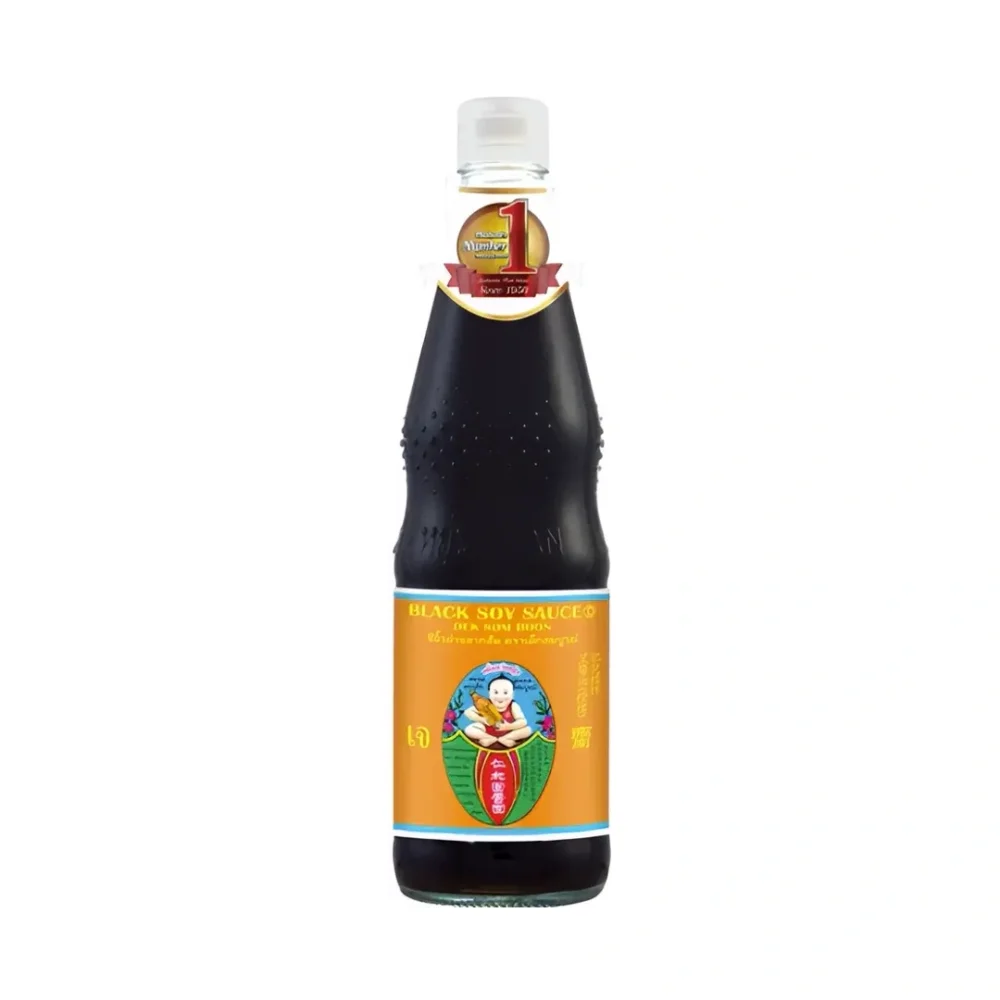
A practical example: darker soy sauces often serve a different role than the universal “salty base.” When you want a richer color and fuller profile in wok dishes, it may make sense to use specifically Dek Som Boon dark soy sauce (recipe D) – but that is precisely why it is not automatically suitable for every situation where you think "I'll add soy sauce."
Sourness is not just “sour”: subtle vs. pronounced sour components
Sourness is essential in Asian cuisine, but not all sourness functions the same way. Proven sources show that rice vinegar, black vinegar, lime, tamarind, or pickled components give food a distinct character – often the difference between “just balancing salt and fat” and “sourness carries flavor.”
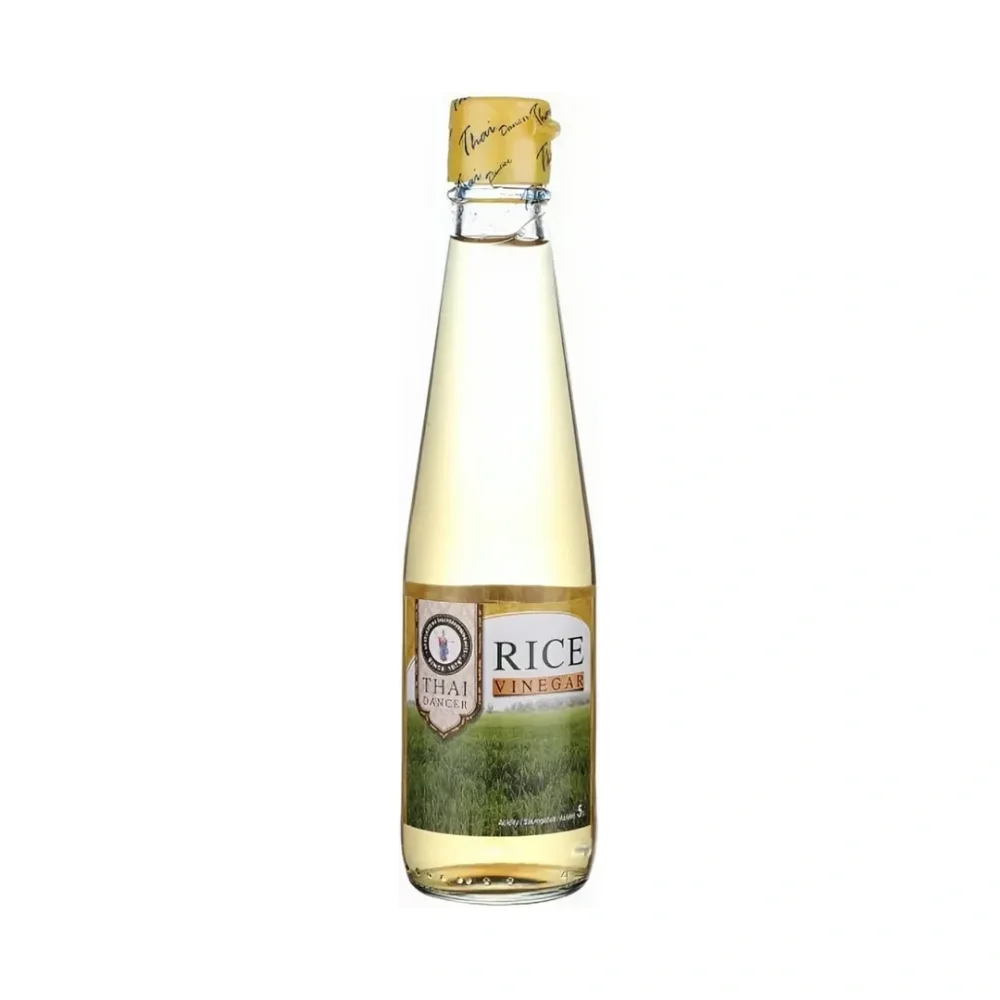
If you are just beginning, it is usually more practical to start with a milder type. A typical example is Thai Dancer rice vinegar, which works where you want a clean, rounder sourness (for example, in dressings, marinades, or quick pickling).
How much to add: start with about 1 teaspoon in a usual household portion of sauce or dressing, stir, and adjust in half-teaspoon increments. It pays to add sourness gradually – excess sourness is harder to fix than salt.
👃 Aromatics: spices and blends in some places, herbs elsewhere, pure broth and umami elsewhere
One major division in Asia is how aroma and flavor are built:
- Spiced and blended cuisines (toasting whole seeds, ground blends, layering aromatics during cooking).
- Herbal and fresh cuisines (fresh herbs, lime, citrus tones, leaves, aromatic roots and stems).
- Softer, broth-umami directions (clear broth, precision seasoning, effort to preserve the natural taste of the ingredient).
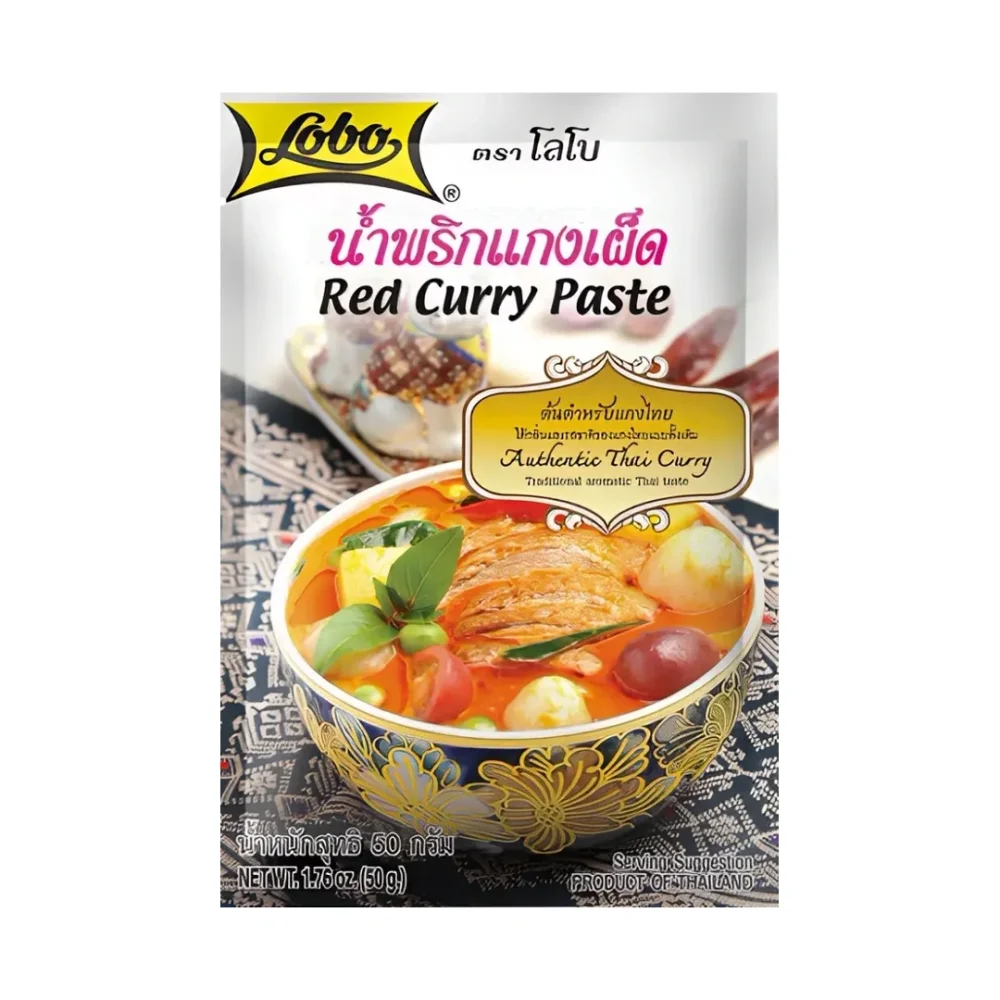
So “Asian food” can mean a full spicy paste on one occasion and, on another, a delicately flavored broth with two precise accents. A practical shortcut for the spiced direction at home can be Lobo red curry paste: use a small amount, briefly warm it in fat, and only then add other liquids/ingredients. This way you “open” the aroma better and avoid just sharp spiciness.
🍜 Texture and “sauce carriers”: why some ingredients shine in one cuisine and are ignored in another
Besides taste, texture is the other big thing. Some cuisines emphasize ingredients that carry the sauce well, stay crunchy, or soften to a particular bite.
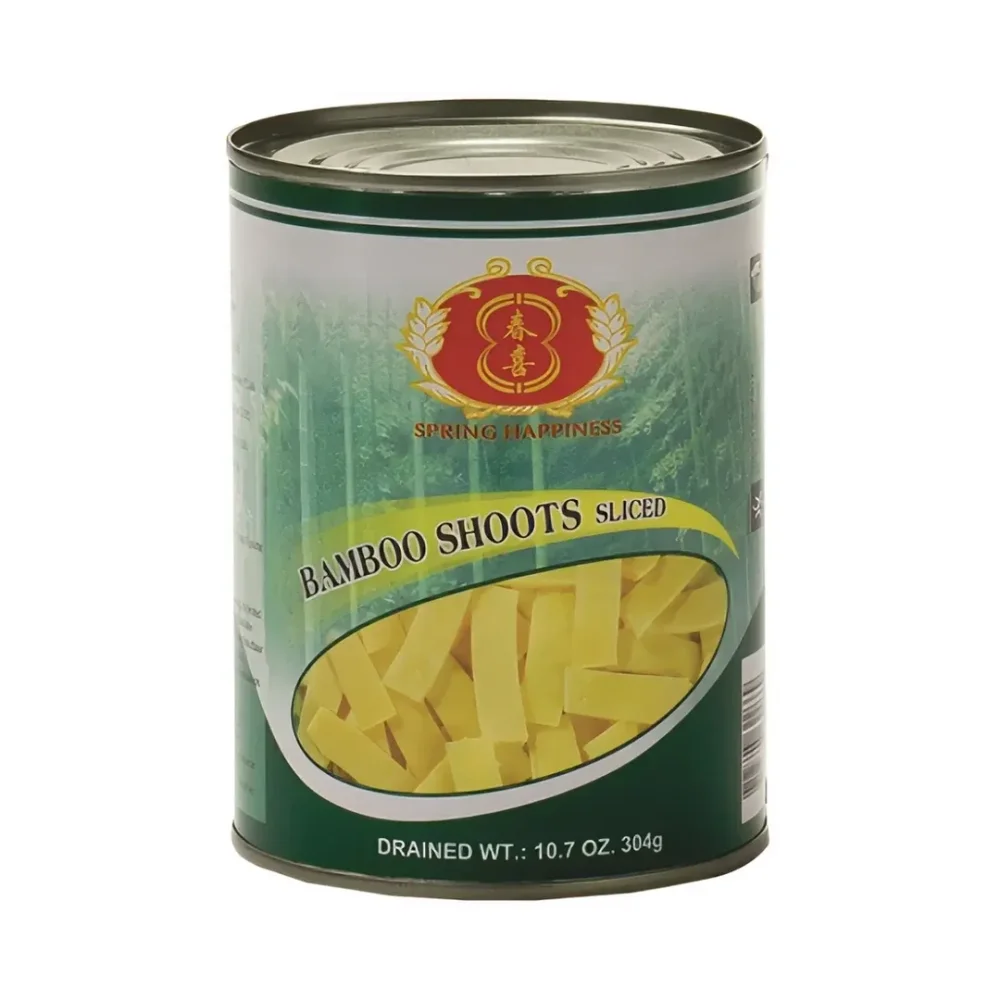
An example of an ingredient typically valued for texture and sauce absorption are bamboo shoots. If you want to try this logic in practice, you can reach for Spring Happiness sliced bamboo shoots and use them in a quick stir-fry or soup, where they contrast with softer ingredients.
Most common mistakes ruining the final taste (and how to fix them)
Mistakes about regions: the problem is not just “too spicy”
These mistakes often repeat:
- “Asia tastes the same, just some places are spicier.” No. The differences are deeper: grain, fat, fermentation, broth, texture, sauce, and serving style.
- “China, Japan, and Korea are almost similar in food.” Only partially: they share some basics but developed different flavor and cultural systems.
- “Southeast Asia is just coconut and chili.” Not true: differences between Vietnam, Thailand, Malaysia, Indonesia, the Philippines, and Singapore are significant.
- “India and Sri Lanka are the same.” They are not: they share some ingredients and history, but flavor profiles and the roles of individual components differ.
How to fix it at home: always choose one specific direction (for example, "rice + fish seasoning" or "wheat noodles + soy seasoning" or "rice + legumes + spices") and keep its basic building blocks. Mixing “all Asian” usually leads to a muddy taste without identity.
Mistakes in shopping: wrong type chosen is a more common problem than a bad brand
- Mixing “authenticity,” strength, and quality: stronger flavor doesn't mean "better"; often just a different function in the dish.
- Not reading the label: especially with sauces and pastes, the difference between “base” and “already finished” variant is crucial.
- Noodles by photo: noodles with the same name can have different thickness, elasticity, and recommended preparation method – so choose by material and use (soup vs. stir-fry vs. salad).
🍳 Mistakes in use: add seasonings as “steering the direction,” not as a one-time intervention
With intense ingredients (fermented, salted, concentrated), the approach pays off: add little, stir, taste, evaluate. Especially if you are working with an ingredient that in some cuisines is used as a base and elsewhere only as an accent.
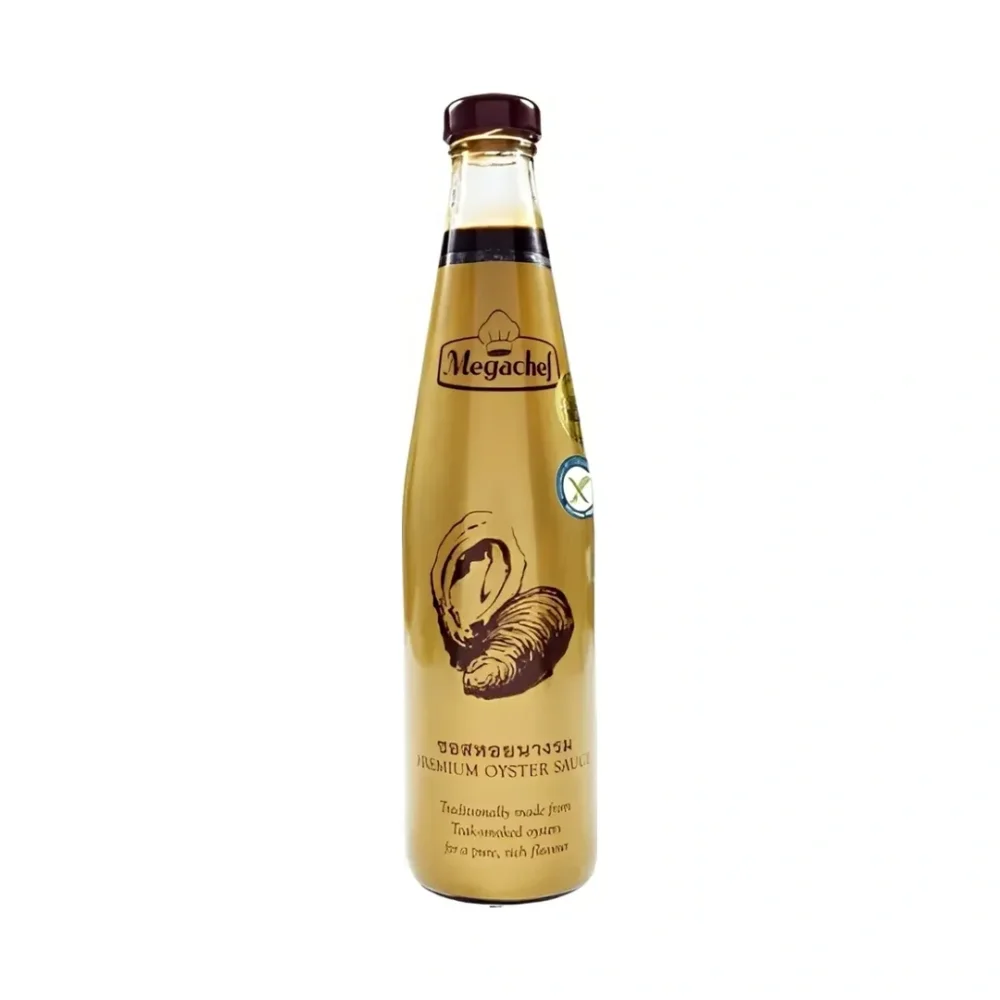
An example of an “umami shortcut” for some stir-fries can be oyster sauce – but again, it is a specific direction, not a universal solution. If you want to try how such a sauce works in a dish, use a small amount (e.g., 1–2 teaspoons per portion) and adjust salt or other sauce according to taste: Megachef oyster sauce.
What to take away from the article
- Different uses of the "same" raw materials do not arise by chance: the main role is played by climate, available crops, sea vs. inland, and trade history.
- First, look for the function of the raw material in the given region (base / texture / seasoning / preservation), only then address the specific product.
- The rice and wheat "world" is not just about the side dish – it changes the entire structure of the meal and the logic of seasoning.
- Acidity, umami, and aroma have different tools in various cuisines; "sour" or "salty umami" is not the same thing.
- The most common mistake in home cooking is choosing the wrong type (basic vs. seasoned variant), not "poor quality".

Read next
If you want to explore this topic further, continue with these related blog guides and articles:
