


 Česky (CZK)
 Slovensky (EUR)
 Deutsch (EUR)
 Austria
 Belgium
 Bulgaria
 Croatia
 Denmark
 Estonia
 Finland
 France
 Germany
 Greece
 Hungary
 Italy
Italy Latvia
 Lithuania
 Luxembourg
 Netherlands
 Poland
 Portugal
 Romania
 Slovenia
 Spain
Spain Sweden










How Trade and Migration Changed Asia's Flavors: Why "Traditional" Often Means "Imported"
The flavors of Asian cuisines didn't emerge just "at home" from what grew outside the village. Alongside climate and local ingredients, they were shaped by trade routes and migration: the movement of crops, spices, preservation techniques, but also ideas of what a "properly balanced" meal is. When you understand this, you can more easily choose a style you'll enjoy – and above all, stop expecting there to be a single universal "Asian flavor."
Food is one of the most reliable records of history: hidden in what we consider typical is a story of travel. In Asia, flavors spread both over land and sea – along with people who moved, traded, founded ports, and mixed everyday cooking with whatever was available at the time.
In practice, this means that "tradition" in many regions did not arise in isolation. It is often the long-term settlement of new ingredients (such as chili) or the adoption of techniques (fermentation, preservation, grain processing) that came to a place through trade networks and migration.
What exactly does it mean that trade and migration changed flavor (and not just the menu)
Trade routes did not transfer just the raw materials. They also transferred taste habits and "kitchen know-how": how to build sauces, how to preserve food, how to combine grains, acidity and fat, or how to work with fermentation.
An important distinction is repeated in sources: cuisine is shaped by climate and crop availability, but it is equally completed by trade, migration, and the daily rhythm of life. Therefore, changes in flavor often do not manifest as a simple replacement of one ingredient with another, but as a shift in the entire "logic" of food – for example, toward stronger acidity, fermented depth, or spicier sauces.
To prevent the reader from getting lost in abstraction, it can be recognized by a simple principle: if a flavor or ingredient requires a long journey (typically spices, aromatic woods, certain crops), its "home" is often not just geography but also the history of transportation and contact between regions.
🍜 How Flavors Naturally Differ in Asia: Climate, Grains, Water, and Available Ingredients
Humid and Warm Regions: Rice, Coconut, Herbs, Fish, and Fresh Acidity
In tropical and subtropical zones, according to sources, rice, coconut palms, tropical fruits, aromatic herbs, and fast-growing vegetables flourish well. When it comes to coasts, fish and seafood naturally increase.
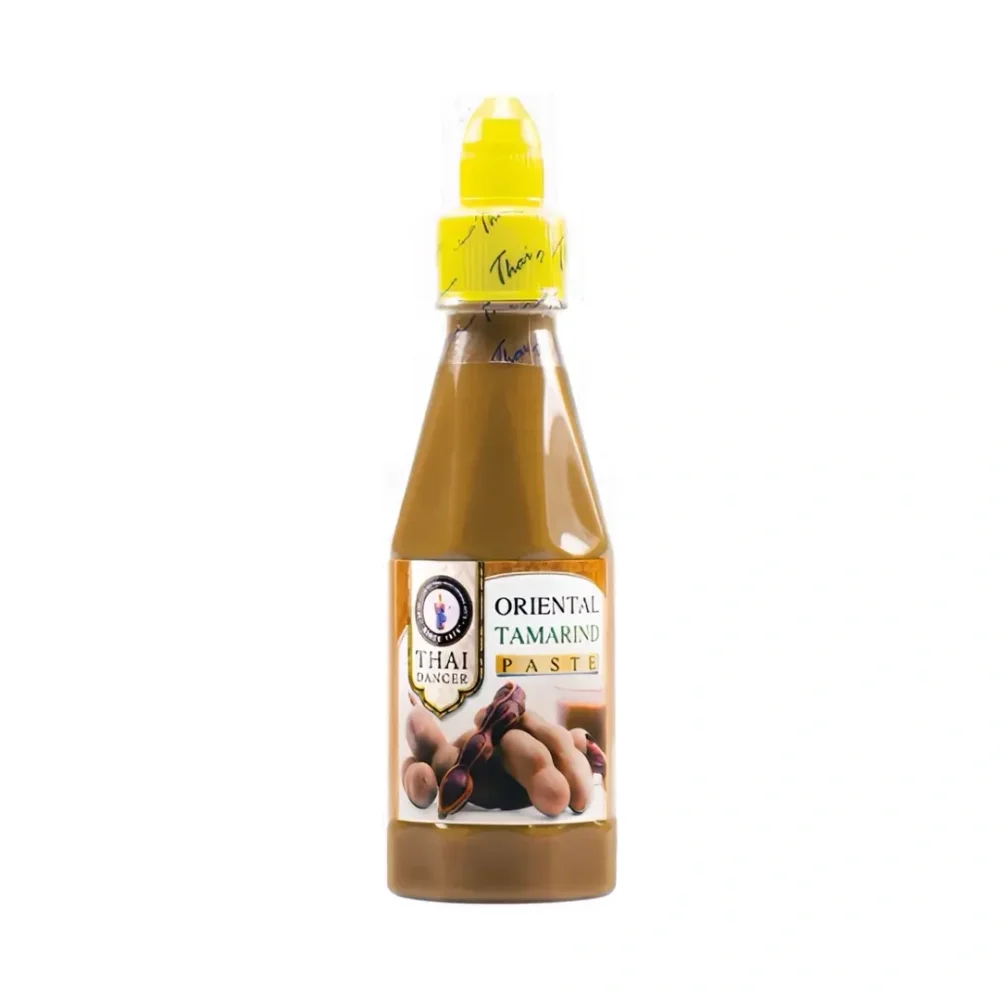
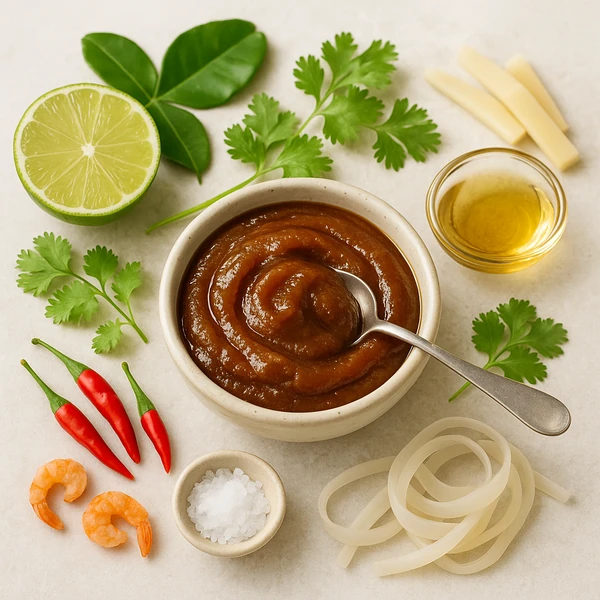
The flavor outcome is often: rice base, lighter preparations, more freshness, pronounced acidity and more herbs. A practical example of the "acidic line" of Southeast Asia is well illustrated by tamarind and lime; tamarind flavor can safely be tested at home, for example, through Thai Dancer tamarind paste, which is stirred into sauces and marinades in small amounts.
Drier, Cooler, or More Northern Regions: Wheat, Legumes, Broths, and Heavier Dishes
In drier or cooler areas, wheat, millet, barley, legumes, meat, and more storable ingredients play a greater role. The result is more often noodle- or bread-based dishes, heartier foods supported by broths, braising, and preservation techniques.
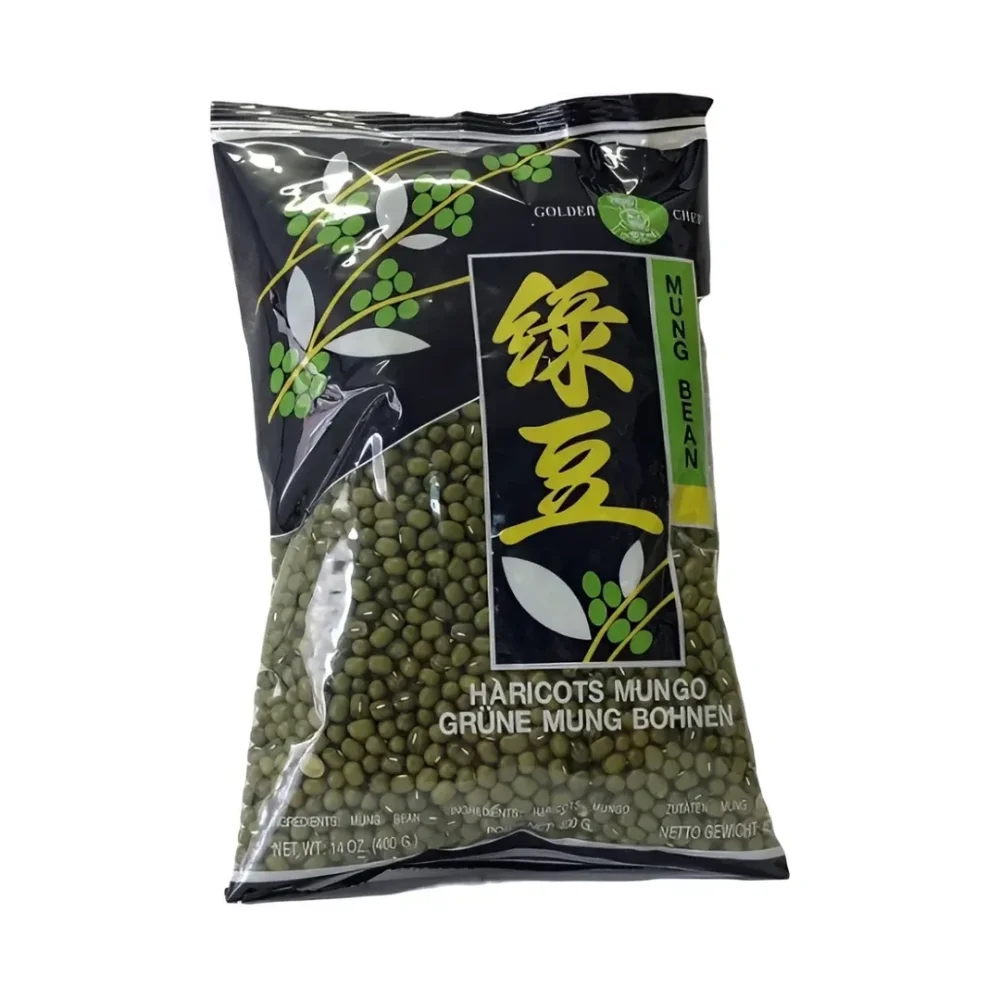
For home reference, it’s also useful to perceive the "supply" logic: legumes and grains store well and are a natural base for filling meals. A typical versatile legume that accepts spices well is, for example, Golden Chef mung beans – suitable for soups and heartier mixtures where you want "body" and satiation.
Rice Belt vs. "Noodle/Bread" Belt: Why the Base of the Plate Is So Important
The difference between rice vs. wheat is not just about the side dish. In practice, it changes the entire cooking: rice cuisines often rely on rice and rice products (noodles, flour), while wheat-based styles more often lean towards noodles, flatbreads, dumplings, and heartier broths.
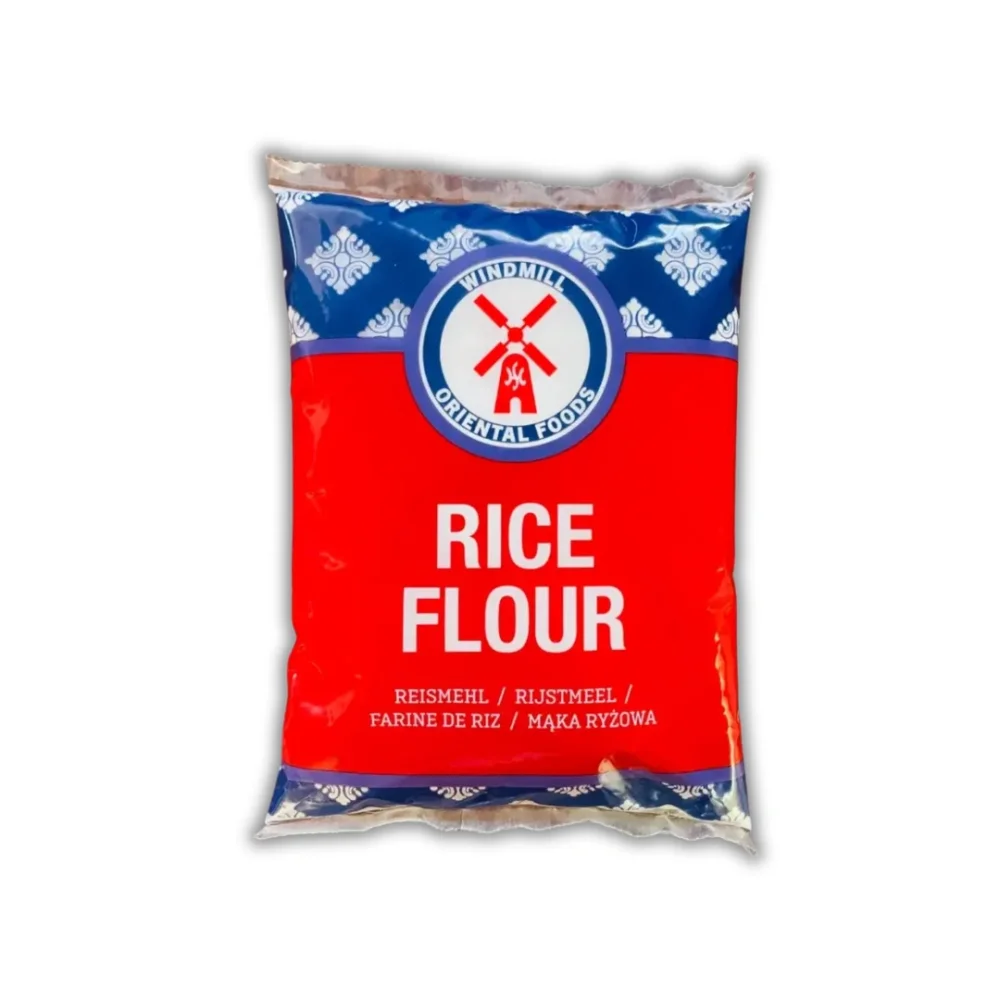
If you want to start "rice style" at home, it’s easiest to have a stable base on hand – such as a guide jasmine rice. And if you're interested in working with rice doughs and thickening, rice flour Windmill rice flourcan be useful; it has a neutral flavor and works in the kitchen as a technical ingredient (thickening, light doughs, breading).
Sea, Rivers, Islands, and Inland: Where the "Sea" Umami Depth Comes From
According to sources, coastal and island cuisines are more strongly connected with fish, seafood, fermented fish bases, and coconut. Conversely, inland areas are more dominated by grains, legumes, meat, and preservation techniques.
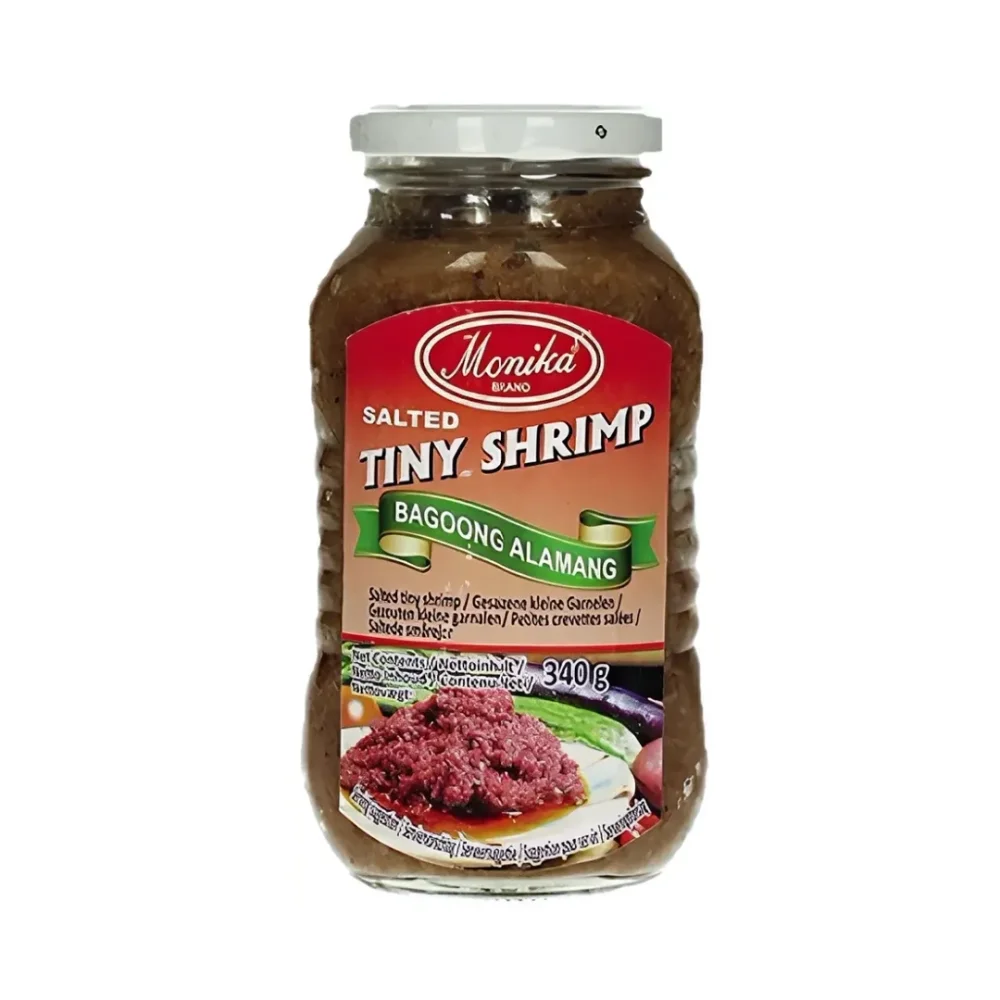
In everyday cooking, this can be recognized in how saltiness and umami are built. Sometimes a soy base is enough; elsewhere fermented fish or shrimp seasonings are used. A very concentrated example of "sea" saltiness is Monika salted shrimp – in dishes, they act more like a spice than a main ingredient, and only a small amount is needed.
🍜 Trade Routes, Ports, and "Newer" Ingredients: What Spread Across Asia and Why We Now Take It as Tradition
Silk Roads and spice routes: transfer of flavors, techniques, and ideas about food
According to sources, trade routes spread not only goods but also techniques, tastes, ideas, and crops. The Silk Roads carried grains, fruits, spices, medicinal and ritual ingredients, food preservation technologies, and ideas about nutrition and balance.
The spice routes connected Indonesia, southern China, India, Sri Lanka, the Malay Peninsula, the Arab world, and Europe. Across regions, ingredients like cinnamon, cassia, cloves, nutmeg, pepper spread – along with flavor combinations that today seem "timeless."
Ports as flavor mixers
A practical point is important: trade needs hubs. Ports and urban centers are places where flavors mix faster than in the countryside – not just because of ingredients but also because of people. Migration means that routines transfer to the kitchen: how to cook quickly, how to season, what is the "right" texture, and what is undesirable.
This urban "energy" often appears in dishes that are quick, adaptable, and work well with what's on hand – rice or noodles, a pronounced sauce, something crunchy, something sour, and something salty.
🍜 Columbian Exchange: Ingredients Deeply Rooted in Asia but Historically Newer
Source materials explicitly remind us that due to the Columbian Exchange, "newer" ingredients such as chili peppers, tomatoes, potatoes, or cassava reached Asia. Today, some are so deeply embedded in regional cuisines that some people do not see a style as "authentic" without them – yet they are a later layer.
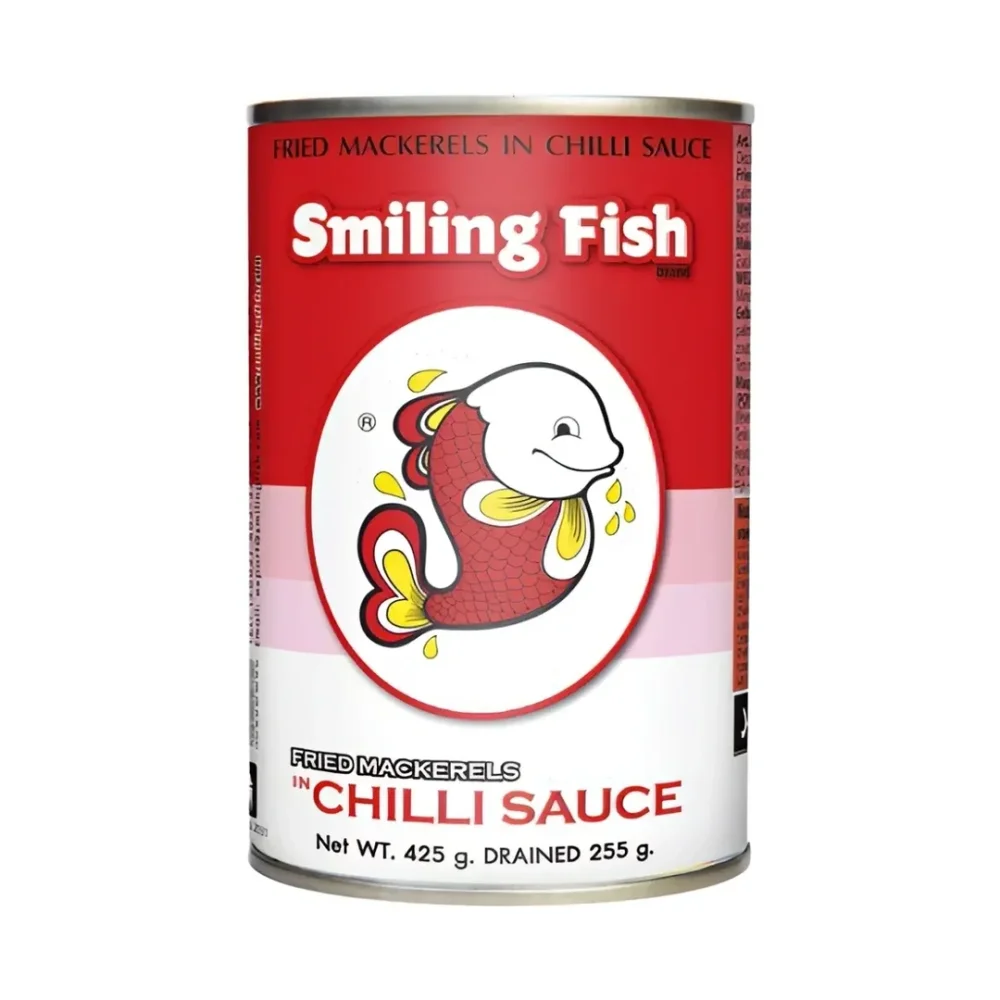
A practical lesson for home cooking: if a dish discourages you because of its spiciness, it doesn’t automatically mean "Asian cuisine is spicy." Often, it’s about specific regional or modern styles. To illustrate how quickly a spicy sauce can change the perception of a fish dish, there are ready-made combinations like fried mackerel in Smiling Fish chili sauce – a good example that "flavors travel" also through sauces and seasoning methods.
How to Choose a Style Based on Flavor (and How to Start with It at Home)
Culture and context are not just academic: they help predict what you’ll like. Sources provide practical guidance based on whether you're looking for lightness and herbs, or rather fermented depth, or richer spiced logic.
1) When You Want Lightness, Freshness, and Acidity
- Look for: herbs, lime/tamarind, small doses of fish bases, rice, and rice noodles.
- How to start at home: make rice as a neutral base and a quick sauce with something sour, something salty, and a bit of sweetness. Add tamarind gradually – typically start with 1–2 teaspoons for the whole pan of sauce and adjust to taste (acidity "opens up" after mixing and heating).
2) When You Want Depth, Fermentation, and Umami
- Look for: soy depth, fermented bases, broths, sesame, side-dish style of "more bowls."
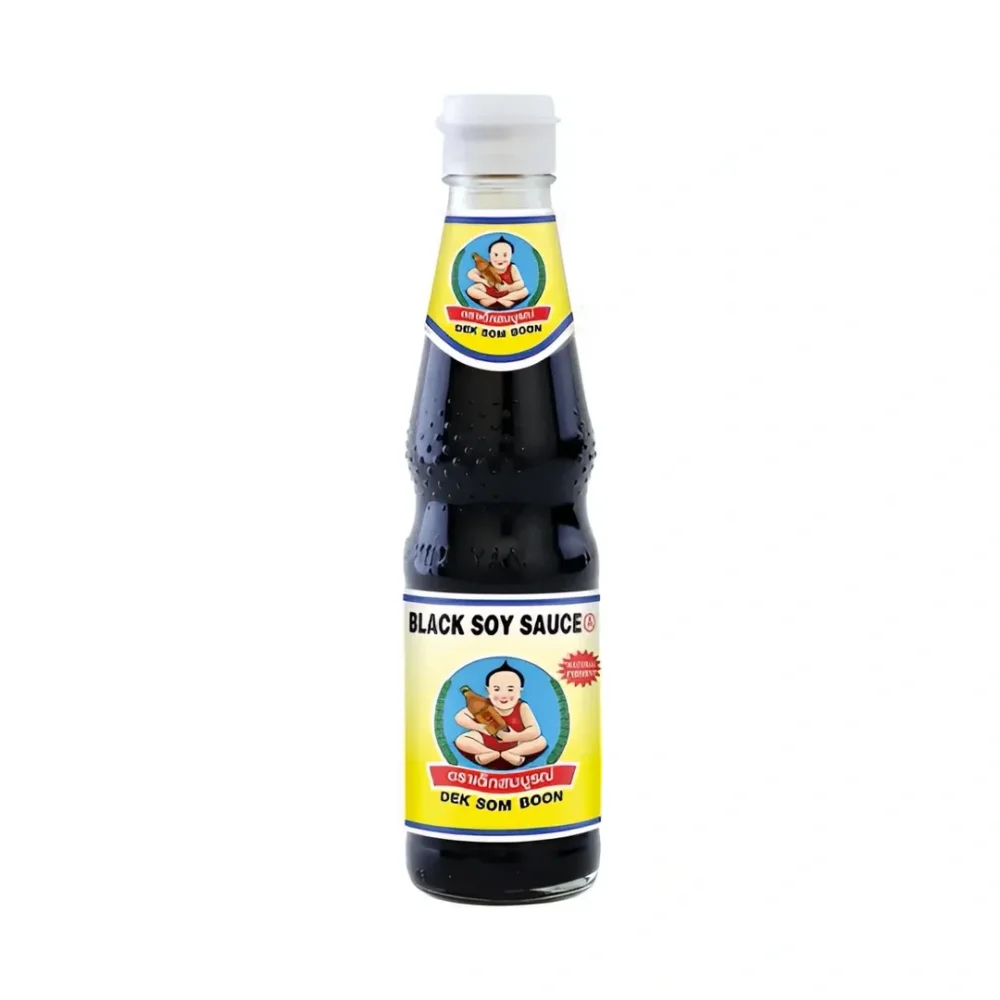
- How to start at home: learn to work with different roles of soy sauces. Dark soy is useful where you want color and rounded flavor – but it can easily overpower food if you use too much. For stir-fry a safe start is 1–2 teaspoons per serving, then adjust. A concrete example is Dek Som Boon dark soy sauce.
- For further orientation: if you want to explore different soy flavor styles (not just "one universal"), a guide to other soy sauceshelps.
3) When You Want Spiced and Heavier Logic
- Look for: legumes, more robust sauces, longer cooking, dishes based on richness and spices.
- How to start at home: build dishes on legumes or grains that can carry spices and hold their structure. With mung beans, it’s worth cooking them to hold shape but not be hard – and add spices in phases (some at the start to the base, some towards the end for aroma).
Mini-guide: how to assemble a "port city" plate at home (quick, adaptable, tasty)
- Base: rice or noodles.
- Texture: crunchy/juicy vegetables. If you want a quick and stable ingredient that absorbs sauce well, canned vegetables like Spring Happiness bamboo shoots slicescan also be used.
- Sauce: one "salty" component (soy base or sea seasoning), one "sour" component (tamarind/lime/vinegar), and optionally a little sweetness.
- Final profile: if you want more "chewy" elasticity in food, you can also try noodles with more distinct texture, for example, City Aroma wide shirataki noodleswhich hold sauces and spices well.
Note that this procedure is not a "recipe" but a framework: this is exactly how cuisine works in places where flavors meet and quickly adapt – in cities, ports, and migration hubs.
💡 Common Mistakes and What to Watch Out For
Mistakes in mapping flavors: north vs. south is not a dogma
The concept of "northern and southern flavors" is a useful tool according to sources but must be used cautiously. Generally, cooler/northern areas tend to favor wheat, heartier foods, soups, and braising, while warmer and wetter southern areas lean towards rice, coconut, herbs, and freshness. At the same time, there are hearty dishes in the south and delicate cuisines in the north. Simplifying the map to "south = light, north = heavy" will cause unnecessary surprises.
"Chili has always been in Asia"
Sources explicitly state that chili peppers are among the ingredients that arrived in Asia as a newer layer. This doesn’t mean they are "less authentic" – just good to know that part of today’s spiciness is the result of historical crop movement, not proof of a single universal Asian flavor.
Confusion of seasoning roles: dark soy is not the same as "any" soy sauce
A practical error in home cooking is to treat soy sauce as one thing. Even within one region, use varies: sometimes you want purely salty taste, other times color and rounding. Dark soy sauce is a great service, but if used as the only salt source in large quantities, the food tends to be overly dark and taste "overstretched."
Fermented sea seasoning: a small dose makes a big difference
The most common mistake with shrimp and fish bases is dosing. If you use salted shrimp (or similarly concentrated sea components) as main ingredients instead of a seasoning, they can easily overpower everything else. A safe approach is to start with a very small amount, mix well, taste, and then possibly add more.
"In Asia it’s eaten like this everywhere": simplifications even in dining etiquette
A similar trap exists with etiquette and dining: sources remind that Asia is not one culture and one rule cannot be issued as a universal law. Some gestures (especially around shared meals, chopsticks, and respect for elders) are sensitive, but their exact form varies regionally and modern urban dining is often more relaxed than formal frameworks.
What to take away from the article
- Flavor in Asia was shaped also by movement: trade routes and migration spread raw materials, techniques, and taste habits, so "traditional" often means "long settled" – not necessarily "original."
- Climate and crop availability explain why rice, coconut, and herbs dominate in some places, while wheat, legumes, broths, and heartier foods dominate elsewhere.
- Sea vs. inland changes how umami and saltiness are built: from fermented soy bases to small doses of sea seasonings.
- North/south is a tool, not a dogma – regional exceptions are the rule, not a mapping error.
- For home orientation it’s best to choose a style based on taste: fresh and sour styles, fermented umami styles, or spiced hearty styles – and select base, sauce, and texture accordingly.

Read next
If you want to explore this topic further, continue with these related blog guides and articles:
