

 Česky (CZK)
 Slovensky (EUR)
 Deutsch (EUR)
 Austria
 Belgium
 Bulgaria
 Croatia
 Denmark
 Estonia
 Finland
 France
 Germany
 Greece
 Hungary
 Italy
Italy Latvia
 Lithuania
 Luxembourg
 Netherlands
 Poland
 Portugal
 Romania
 Slovenia
 Spain
Spain Sweden










American-Style Potato Wedges: How to Get Them Crispy, Season Them Right, and Pick the Best Dips
What people mean by “American potatoes” 🥔
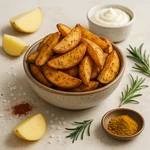
On many European menus, “American potatoes” doesn’t refer to a single authentic regional dish. It’s a familiar style: skin-on potato wedges baked (or air-fried) at high heat, tossed with a paprika-garlic-herb style seasoning, and served with one or more dips.
The appeal is simple: wedges are forgiving, filling, and they carry spices and sauces extremely well. And that last point is exactly why they’re a great canvas for Asian flavors—from curry to miso to chili pastes—without needing complicated techniques.
How to get a truly crispy crust 🔥
Crisp wedges aren’t about one “secret ingredient.” They’re about controlling surface moisture, starch behavior, and heat. Use the tips below and you’ll get the kind of crunch that survives the walk from oven to table.
1) Choose the right potato
- Best all-round: floury/starchy potatoes (often sold for baking or mashing). They fluff up inside and crisp well.
- Waxy potatoes: hold their shape, but can stay a bit firm and less crispy.
- Freshness matters: very new potatoes have more moisture; crisping may take longer.
2) Cut evenly (it’s more important than it sounds)
Keep wedges similar in size so they finish at the same time. A practical target is 8–10 wedges from a medium potato. If some pieces are thin and others thick, the thin ones dry out before the thick ones crisp.
3) Manage surface starch—two easy options
- Quick soak: soak cut wedges in cold water for 15–30 minutes, then drain and dry very well. This reduces excess surface starch that can turn gummy.
- Parboil for the best crunch: simmer wedges for 5–7 minutes until the edges look slightly rough, drain, then steam-dry in the colander for a few minutes. Those roughed-up edges become your crisp “crust.”
4) Oil: a thin, even coat
You don’t need a lot, but you do need enough to coat. A thin film of oil helps heat transfer and browning. Toss in a bowl so every wedge is lightly glossy—no pooling oil at the bottom.
5) Give them space (or they’ll steam)
Spread wedges in a single layer with a little gap between pieces. Crowding is the fastest way to end up with soft, pale wedges.
6) Use high heat and flip once
For most home ovens, 220–230°C (430–445°F) works well. Bake on a preheated tray for about 30–45 minutes depending on size, flipping once halfway so both sides brown.
Optional crisp boosters (pick one)
- Cornstarch: add 1–2 teaspoons per 1 kg of potatoes to your oil + seasoning mix. It creates a drier, crunchier surface.
- A pinch of baking soda (parboil method): 1/4 teaspoon in the boiling water encourages rough edges and better browning.
- Wire rack: bake on a rack set over a tray to improve airflow (especially useful in fan ovens).
Seasoning that tastes bold (not burnt) 🌶️
Classic “wedge seasoning” leans on paprika, garlic, onion, black pepper, dried herbs, and enough salt to wake up the potato. The common mistake is adding everything at once and then baking so long that the garlic/herbs taste bitter.
Timing trick: season in two stages
- Before baking: salt + paprika + pepper (and optionally a little onion powder). These handle heat well and build a savory crust.
- After baking: a small “finishing dust” of garlic powder, dried herbs, or chili flakes for fresher aroma.
A reliable all-purpose mix (use as a guide)
For about 1 kg of wedges:
- 1 1/2 tsp fine salt (adjust to taste)
- 2 tsp sweet paprika (smoked paprika works too)
- 1 tsp onion powder
- 1/2–1 tsp garlic powder (half now, half after baking)
- 1/2 tsp black pepper
- 1 tsp dried oregano or thyme
- 2–3 tbsp neutral oil
Dips that actually match wedges (including Asian-inspired) 🍽️
Wedges are rich and starchy, so the best dips bring one of these: acidity, heat, umami, or a little sweetness to balance spice. Here are fast options that don’t require cooking.
1) Quick curry yogurt dip (mild to spicy)
- 4 tbsp Greek yogurt or thick plain yogurt
- 1–2 tsp curry paste or curry powder (start small)
- 1 tsp lime/lemon juice
- Pinch of salt, optional honey for balance
Why it works: tangy yogurt cuts the oil, curry brings warmth and aroma.
2) Miso mayo dip (umami-forward)
- 3 tbsp mayonnaise
- 1–1 1/2 tsp white miso
- 1/2 tsp rice vinegar or lemon juice
- Optional: a few drops of toasted sesame oil
Why it works: miso adds savory depth without needing a long ingredient list.
3) Gochujang ketchup (spicy-sweet)
- 3 tbsp ketchup
- 1–2 tsp gochujang (Korean chili paste)
- Optional: splash of soy sauce, squeeze of lime
Why it works: wedges love a sweet-spicy dip; gochujang adds fermented complexity.
4) Soy-garlic “snack sauce” (light, salty, addictive)
- 2 tbsp soy sauce
- 1 tbsp rice vinegar
- 1 tbsp sugar or honey
- 1 small grated garlic clove
- Optional: chili flakes, spring onion
Serve it as a drizzle or a dip. It’s punchy—use sparingly.
How to serve wedges so they don’t get boring
- As a side: great with grilled chicken, tofu, or roasted vegetables.
- As a sharing snack: put out 2–3 dips with different “roles” (one creamy, one spicy, one tangy).
- As a quick “fusion plate”: pair with a crisp salad and an umami dip (miso mayo or soy-garlic) to keep it balanced.
Storage and reheating (how to bring back the crunch) ♨️
Wedges are best fresh, but leftovers can be rescued.
- Store: cool completely, then refrigerate in a container lined with paper towel (helps with moisture).
- Reheat best: oven or air fryer at 200–220°C (390–430°F) until hot and crisp (usually 7–12 minutes).
- Avoid: microwaving if you want crispness—it softens the crust.
Common mistakes (and quick fixes)
- Pale and soft: tray wasn’t hot or wedges were crowded → preheat the tray, spread out, raise heat.
- Burnt seasoning: too much garlic/herbs before baking → move delicate spices to the finishing stage.
- Dry inside: wedges cut too thin or baked too long → cut thicker, reduce time, or parboil first.
- Uneven cooking: mixed sizes or not flipped → cut evenly and flip once.
Our picks (simple pantry ideas)
- Smoked paprika for a deeper, barbecue-like wedge flavor.
- Curry paste (any style you enjoy) to turn yogurt or mayo into a fast dip.
- Gochujang for a spicy-sweet dip that clings well to wedges.
FAQ
Should I peel the potatoes?
No need. Skin-on wedges usually taste better and crisp nicely—just scrub well and dry thoroughly.
Do I need to soak them?
Not always, but soaking helps if your wedges tend to stick or go gummy. For maximum crunch, parboiling is more effective than soaking.
Can I season after baking only?
You can, but you’ll miss the “seasoned crust” effect. The best results usually come from seasoning in two stages.
What’s the best dip if I want something different from ketchup?
Try curry yogurt if you like aromatic spice, miso mayo if you like savory umami, or gochujang ketchup if you want spicy-sweet.

Recommended products1

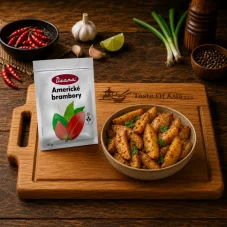
Drana American Potatoes 30 g
Read next
If you want to continue with the same topic, here are more related articles to explore: