


 Česky (CZK)
 Slovensky (EUR)
 Deutsch (EUR)
 Austria
 Belgium
 Bulgaria
 Croatia
 Denmark
 Estonia
 Finland
 France
 Germany
 Greece
 Hungary
 Italy
Italy Latvia
 Lithuania
 Luxembourg
 Netherlands
 Poland
 Portugal
 Romania
 Slovenia
 Spain
Spain Sweden










Sambal and fermented chili pastes: how to understand them and use them without mistakes
Chili paste can not only make food "spicy," but also give it a complete flavor, depth, and often umami. The key difference is, whether the paste is fermented (and behaves like a concentrated base), or if it is more of a chili blend or chili paste in oil meant for quick seasoning. In this article, we compare the main types of fermented chili pastes in Asia, how to recognize them by their role in the kitchen, how to start using them at home, and how to avoid the most common mistakes.
Why fermented chili pastes are so important in Asian cooking
Fermentation is one of the most important pillars of Asian cuisine. It's not just a historical way of preserving food, but one of the main methods to create depth, umami, acidity, aroma and overall a "finished taste" that cannot be simply replaced by salt or sugar. That is why many Asian dishes can have a strong flavor even when based on just a few basic ingredients.
Fermented products in the kitchen typically fulfill several roles at once:
- Umami and depth – they “tie together” simple food and give it fullness.
- Complex flavor without complicated cooking – a small amount of fermented component can replace long flavor building (broths, reductions).
- Preservation – historically, it was about storing ingredients for a longer time, which is visible in many Asian basics.
- Regional identity – fermented sauces and pastes are usually firmly linked to specific regions and traditions.
Fermented chili pastes fit perfectly into this: spiciness is only part of their function. The other part is that fermentation can round off sharp and spicy tones and turn the paste into a concentrated seasoning, which has its own “body” and aftertaste.
What exactly does “fermented chili paste” mean (and what does not belong in it)
In Asian cuisine, it is helpful to distinguish which group of fermented bases a product belongs to. The main groups include liquid seasonings (e.g., soy sauces), fermented pastes (e.g., miso, doenjang, gochujang, doubanjiang, and other chili and bean pastes), fish and marine bases (e.g., fish sauce and various fish/shrimp pastes), fermented vegetables (e.g., kimchi) and others.
Fermented chili paste typically falls into the group of fermented pastes – often these are pastes that, besides chili, contain other ingredients that carry umami and depth (such as a legume or grain base). From the perspective of home cooking, the other thing to know is:
- Not every chili paste is fermented. Some pastes act more like quick spicy seasonings or a “final touch” (e.g., chili paste in oil), while others are complex fermented bases.
- Fermentation is not the same as probiotics. Fermented foods may contain live microorganisms and some may be sources of live cultures, but not every fermented food is automatically probiotic. Probiotics are live microorganisms with a specific and strictly defined proven function; many fermented foods do not meet this definition (e.g., due to heat treatment, storage, or unverified strains).
For kitchen use, it is therefore best to think of fermented chili pastes primarily as flavor and function in food: whether they serve as a base, a seasoning, or a finishing touch.
Main variants: Korean “jang” pastes, chili-bean pastes, and chili in oil
In Asian cuisines, there are multiple fermented worlds that meet on one plate in practice. With chili pastes, it is most practical to distinguish them by what they bring besides spiciness (umami, sweetness, thickness, ability to build a sauce, etc.).
Korean logic: “jang” as the flavor backbone (doenjang, gochujang, ganjang)
In Korea, fermentation is culturally and culinarily extraordinarily strong. Besides kimchi, an important pillar is precisely jang – fermented sauces and pastes like ganjang, doenjang, and gochujang. To understand chili pastes, it is useful to know that gochujang appears in a broader system where each paste/sauce has a different role: sometimes it is mainly about depth from soy, other times salty base, and other times spiciness combined with fermented complexity.
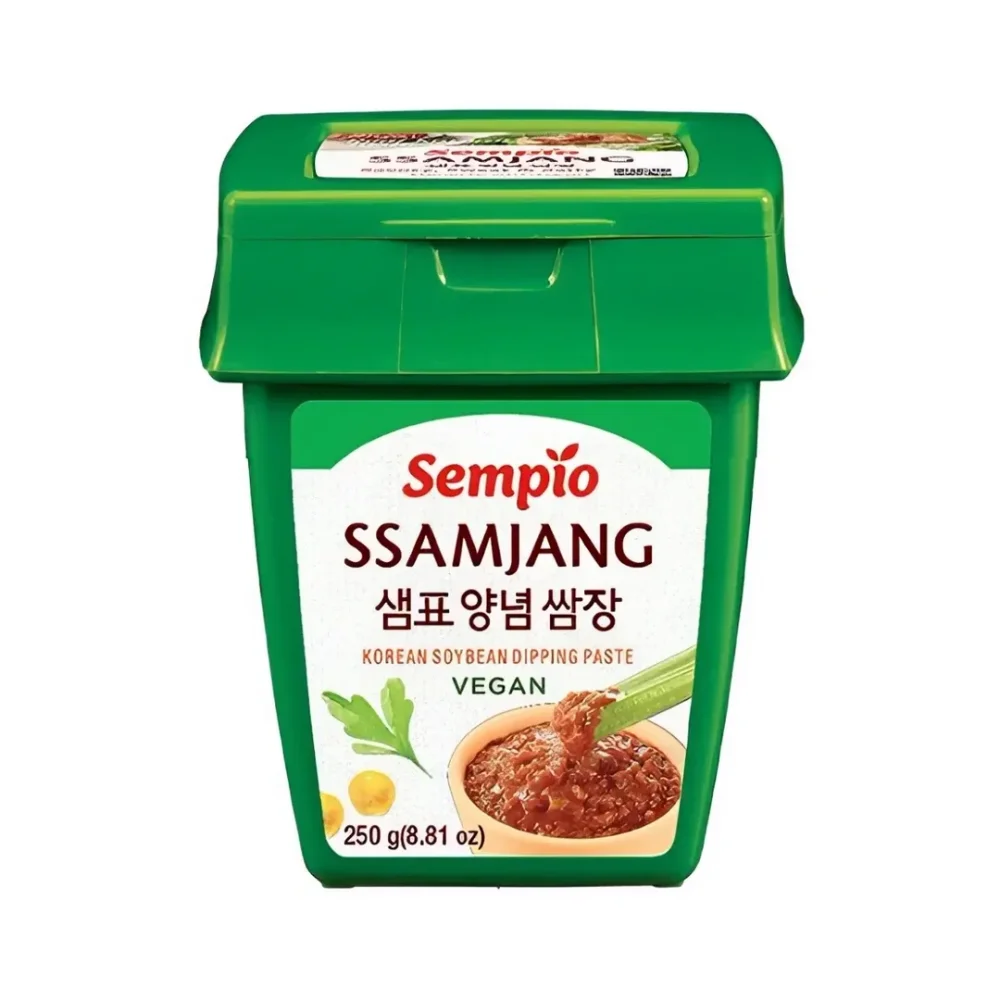
A practical “bridge” for home use can also be a ready-made Korean paste that combines several directions at once: Sempio soy paste Ssamjang is a thick paste made from fermented soy with chili and garlic. In the kitchen, it simultaneously acts as a dip and a seasoning base – typically for marinades, sauces, or quick seasoning of meat and vegetables.
Chinese type: doubanjiang and other chili-bean pastes
Among fermented pastes, alongside Korean jangs, there are also doubanjiang and other chili and bean pastes. It is important to understand them as pastes that are not just "spicy," but carry fermented depth (that is why they are used in small amounts and can significantly enhance the flavor of a dish).
From a home cooking perspective, it is crucial not to consider these pastes as universal chili sauces. Often they are concentrated bases – they work well where you want the flavor to blend during cooking (sauce base, soup, stewed dish), not just as sharp drizzle at the end.
Southeast Asia and the “quick spicy touch”: chili pastes in oil
Besides fermented chili pastes, there are also pastes that are extremely practical in the kitchen precisely because they behave differently: often chili mixtures in an oil base that can be easily stirred into finished dishes or simple sauces.
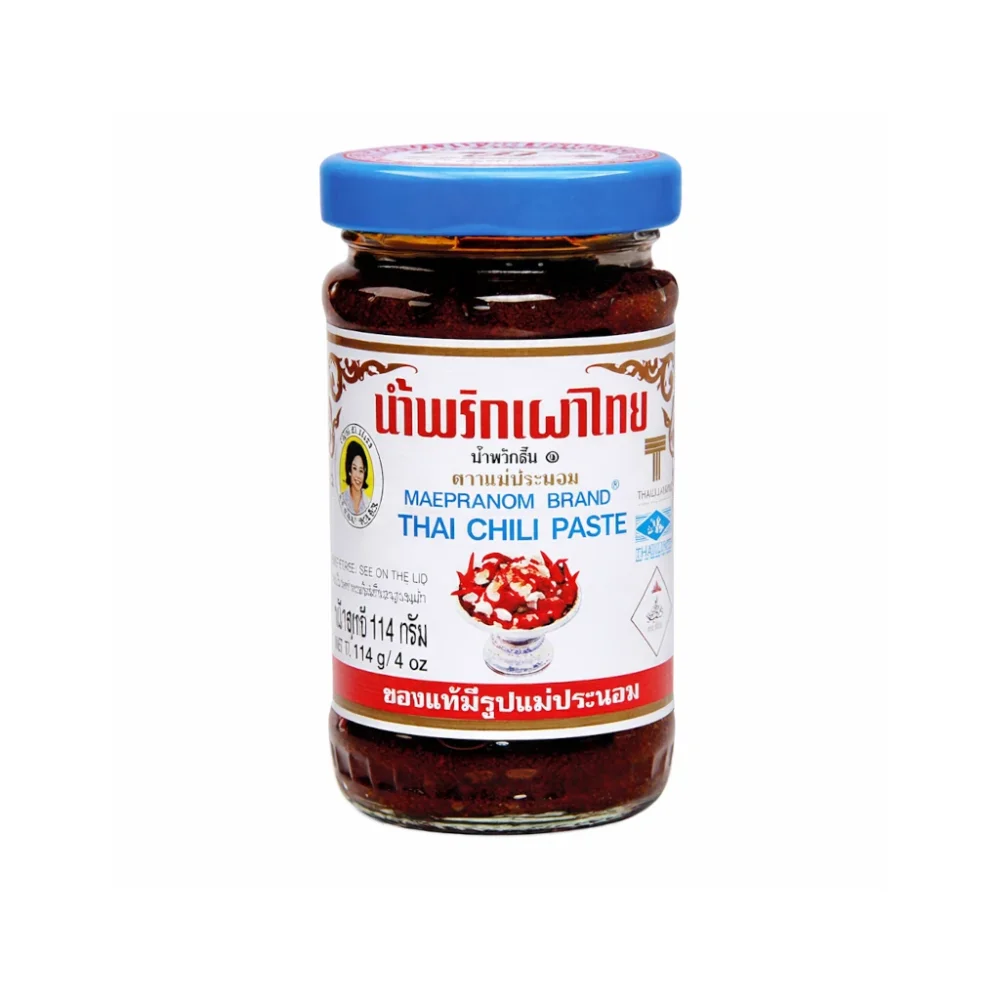
A typical example for this usage is Maepranom chili paste in oil. Such a paste is suitable when you want to “turn on” spiciness and aroma quickly – into rice, noodles, wok dishes, or as a sharp final touch.
In the same broader Southeast Asian logic, spiciness is often combined with other fermented bases. In the region, key are fish sauces (fish sauce), which are created by fermenting fish and salt and can add enormous depth in small amounts. Alongside them, there are other fermented marine bases (fermented fish pastes, shrimp pastes, or intense local bases). The idea is simple: spicy, sweet, and sour tastes need an “anchor” in umami to prevent the dish from seeming flat.
How to use them at home: a practical onboarding step by step
The best approach with fermented bases is not to start with extremes but with small, controllable steps. This is doubly true for chili pastes because it is easy to overshoot spiciness and saltiness.
1) Start with a small amount (and keep saltiness in mind)
Fermented pastes tend to be concentrated. If you are starting with them, stick to a simple rule:
- begin with about 1/2 teaspoon of paste per serving, mix and taste,
- for a larger pan (2–3 servings) start with 1 teaspoon and adjust gradually.
The reason is practical: with fermented products, it’s not just about "how spicy," but also about how much salt and umami they carry. If you add too much paste, you often cannot fix it just by “diluting” – saltiness or an overly heavy fermented note will stand out.
2) Decide whether the paste should be a base or a finishing touch
Basic knowledge about Asian sauces emphasizes that sauces are not automatically interchangeable – the same applies to chili pastes. A simple check question helps:
- Do I want the flavor to permeate the dish? Then the paste belongs more in the cooking base (typically fermented pastes).
- Do I mainly want to highlight the dish at the end? Then chili in oil or table seasoning works better.
A practical example: chili paste in oil (e.g. Maepranom chili paste in oil) is easily mixed into finished noodles or rice. On the other hand, pastes from the "jang" world (e.g. ssamjang) are often used as part of a sauce or marinade because they bring not only spiciness but also a richer flavor base.
3) Balance spiciness – acidity and sweetness are not "extras" but part of the logic
Fermented chili pastes often work best in dishes where another strong flavor axis is present – typically acidity or sweet-and-sour contrast. In practice, this means: if the result after adding paste is too sharp or “heavy,” often adding contrast helps rather than adding more salt.
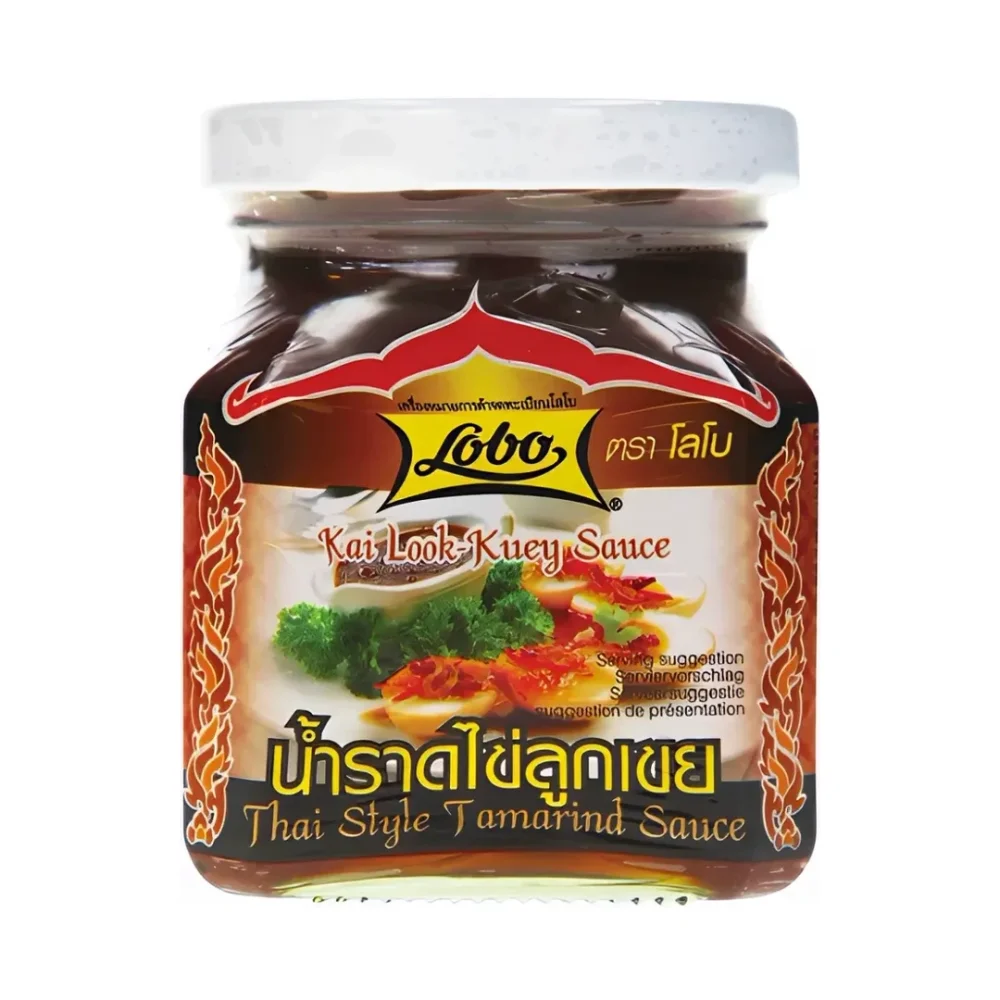
A quick, homemade, and controllable help can be a sweet-and-sour component like tamarind – for example, Lobo tamarind sauce (Thai style). It’s not about making every dish Pad Thai, but having a tool at hand that can soften and “open up” spiciness and fermented depth.
4) When you want “extra” umami, reach for marine or soy bases – but with respect
Fermentation in Asian cuisine often stands on the fact that a small amount of very intense component adds depth to a dish: typically miso, quality fermented soy sauce, fish sauce, or doenjang. With chili pastes, it means that sometimes you don’t need “more paste,” but rather a better-constructed umami base.
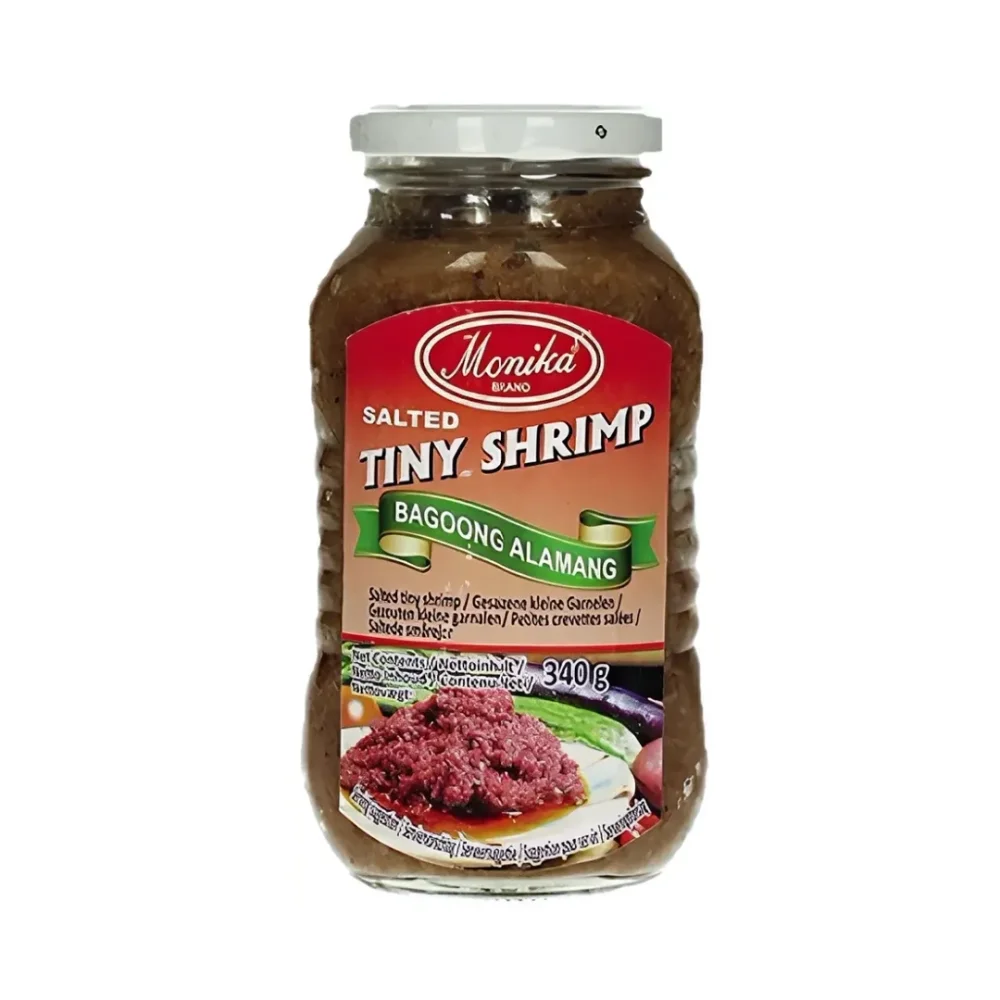
If you want to work with a strongly salty marine seasoning in small amounts, for example, Monika salted shrimpcan be useful. From a kitchen perspective, treat them as an intense seasoning: add really a small amount, mix well, and add more salt only after tasting.
5) The easiest start: rice or noodles as a “canvas”
If you’re not sure how the paste will behave in the recipe, test it on a simple base. Rice and rice side dishes are ideal for this because they help you quickly recognize:
- how spicy the paste is,
- how salty it is,
- whether it’s more for “cooking in” or “finishing.”
The category Rice and rice productscan serve as a practical guide for choosing side dishes.

Common mistakes and how to fix them
Mistake 1: Confusing fermented paste with regular chili sauce (and vice versa)
One of the most common kitchen mistakes with Asian seasonings is the assumption that similarly-looking things will behave similarly. The knowledge base on sauces summarizes it clearly: dark color or thickness does not mean the same function – it might be longer fermentation, higher sugar content, different texture, different regional style.
How to fix it: Ask about the function. What is the main source of saltiness? What carries umami? Is it a base for cooking or a finishing touch? Based on that, choose rather fermented paste (for a base) or chili sauce/paste in oil (for finishing).
Mistake 2: Overshooting the quantity and then trying to “save” the dish with more seasoning
With fermented pastes, it’s easy for the dish to start tasting too salty, heavy, or aggressively hot. The instinct to “add something else” often makes the situation worse.
How to fix it:
- Dilute the dish with a neutral component (rice, noodles, broth depending on the dish).
- Add contrast (acidity/sweet and sour) instead of more salt.
- Next time start with a smaller dose and adjust gradually.
Mistake 3: Expecting fermentation mainly for “health effects” and overlooking its culinary role
Fermented foods can be part of a traditional diet and may contain live microorganisms, but it is not correct to automatically equate fermented foods with probiotics. In the kitchen, it’s more useful and accurate to stick to their culinary function: umami, depth, rounding of flavor, stable base for everyday cooking.
Mistake 4: Treating fermented bases as universally interchangeable
Fish sauce does not act as a direct substitute for soy sauce; similarly, different fermented pastes often do not behave interchangeably. Some are suitable for soups and stews, others more for dips or as a final seasoning.
How to fix it: When trying a new type of paste, first use it in a simple context (rice, noodles, simple wok) and only then use it as a 'carrier' flavor in the dish.
What to take away from the article
- Fermented chili pastes are not just about spiciness – they are often concentrated bases that bring umami and depth.
- Not every chili paste is fermented; some pastes function more as quick seasoning or finishing (typically chili in oil).
- Fermentation is not the same as probiotics – in cooking, it is more important to understand flavor and function than to expect an automatic 'health' effect.
- Start with a small amount (1/2 teaspoon per serving), because pastes tend to be salty and very flavor-concentrated.
- Balancing flavors (acidity/sweet-sour) often works better than adding more salt or more paste.

Read next
If you want to explore this topic further, continue with these related blog guides and articles:
