


 Česky (CZK)
 Slovensky (EUR)
 Deutsch (EUR)
 Austria
 Belgium
 Bulgaria
 Croatia
 Denmark
 Estonia
 Finland
 France
 Germany
 Greece
 Hungary
 Italy
Italy Latvia
 Lithuania
 Luxembourg
 Netherlands
 Poland
 Portugal
 Romania
 Slovenia
 Spain
Spain Sweden










How to store fermented sauces and pastes: to keep them lasting and not lose flavor
Fermented sauces and pastes are among the most important "flavor bases" in Asian cuisines: in small amounts, they can provide umami, depth, aroma, and the finished character of a dish. To work as they should, they need, besides proper use, reasonable home storage – especially after opening, when you work with them by teaspoons and drops.
Why storage of fermented bases makes sense (and it’s not just about “shelf life”)
Fermentation is one of the key pillars in Asian cuisine: it’s not just a historical way to preserve food, but primarily a path to flavor that cannot be simply replaced by salt or sugar. That is why a whole family of sauces and pastes made from soy, legumes, fish, and seafood has developed, which can "bind" even a simple meal and make it fuller.
In practice, this has one important consequence: you usually don’t cook "in volume" with fermented sauces and pastes, but rather use them for fine-tuning. A few drops of fish sauce or a spoonful of paste often replace the long flavor-building process of broth or reduction. This is all the more reason why it’s important for the product to maintain its typical profile as long as possible – because one bottle or container may serve you for a long time.
🍳 What exactly is meant in the kitchen by "fermented sauces and pastes"
For orientation, it’s useful to divide Asian fermented bases into several groups. This article focuses mainly on liquid seasonings and pastes (that typically end up in the pantry or refrigerator as "pantry staples"):
- Fermented soy sauces and liquid seasonings – soy sauce/shoyu, some variants of tamari, Korean ganjang, and other regional styles.
- Fermented pastes – miso, doenjang, gochujang, doubanjiang, and other chili or bean pastes.
- Fermented fish and seafood bases – fish sauce (Vietnamese nước mắm, Thai nam pla, Filipino patis, etc.), as well as fermented fish and shrimp pastes.
It is important to understand that these are not interchangeable items. Different regions have produced different ferments, which carry distinct aromas, strengths, and "types of flavor" – and proper storage will help you keep their character stable and clear.
Variants that behave differently at home: liquid sauces, thick pastes, and marine ferments
1) Liquid fermented sauces (soy sauces, fish sauces)
Liquid fermented sauces often act as both a salting and umami component at the same time. In fish sauce, its concentration is also key: in Southeast Asia, it is not understood as a "pour-over sauce," but rather as a umami concentrate and a tool that connects sweetness, sourness, and spiciness.
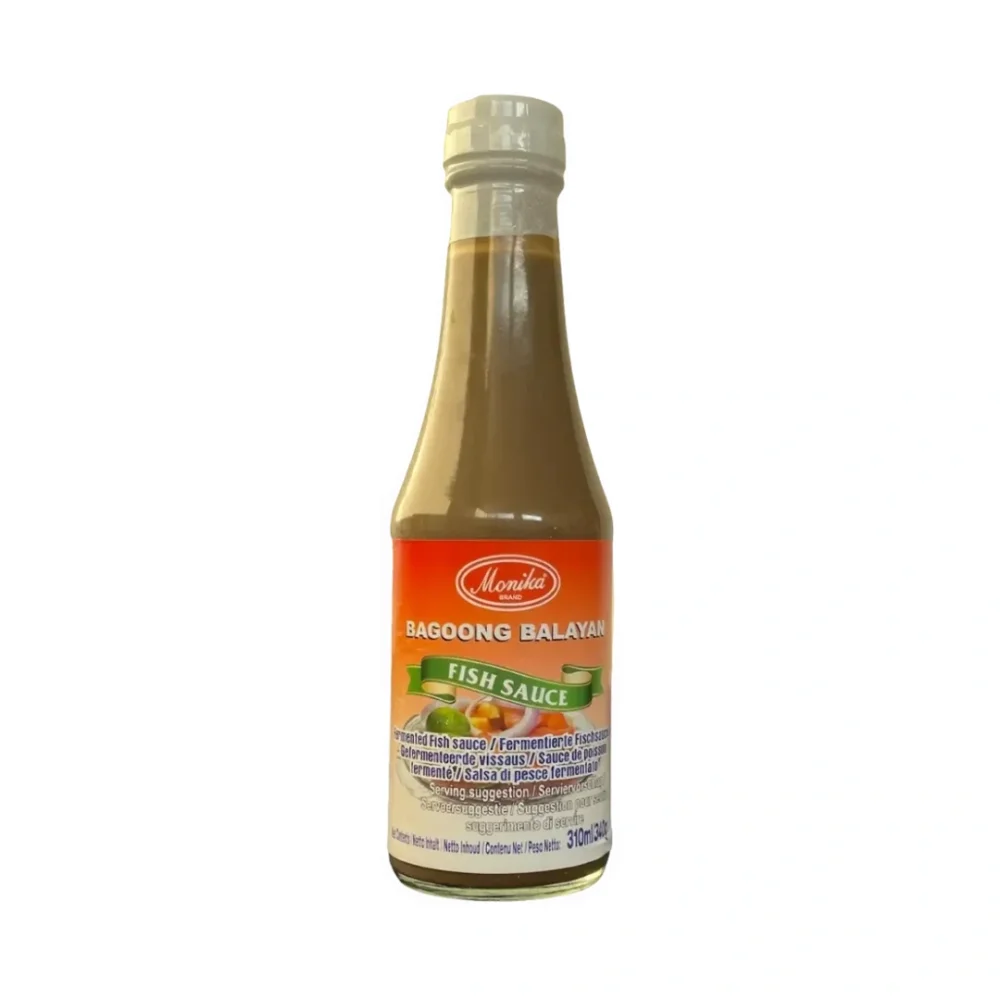
Practical consequence for home use: because it is effective in small doses, it usually makes sense to maintain a clean working habit with it (pour only the needed amount, don’t leave it unnecessarily open) – you will return to it often, but in small amounts. A specific example of fish sauce from this “family” can be Monika fermented fish sauce Balayan, which is typically used drop by drop in soups, marinades, or stir-fried dishes.
2) Fermented pastes (miso, doenjang, gochujang…)
Fermented pastes are often the "body" of flavor: they add umami, depth, and sometimes strong aromatics. In the kitchen, they are useful when you don’t just want to salt, but build a base for soup, sauce, or stew. Source materials often mention "a spoon of miso" or "a bit of doenjang" – that is a deliberately modest dosing aimed more at building flavor than volume.
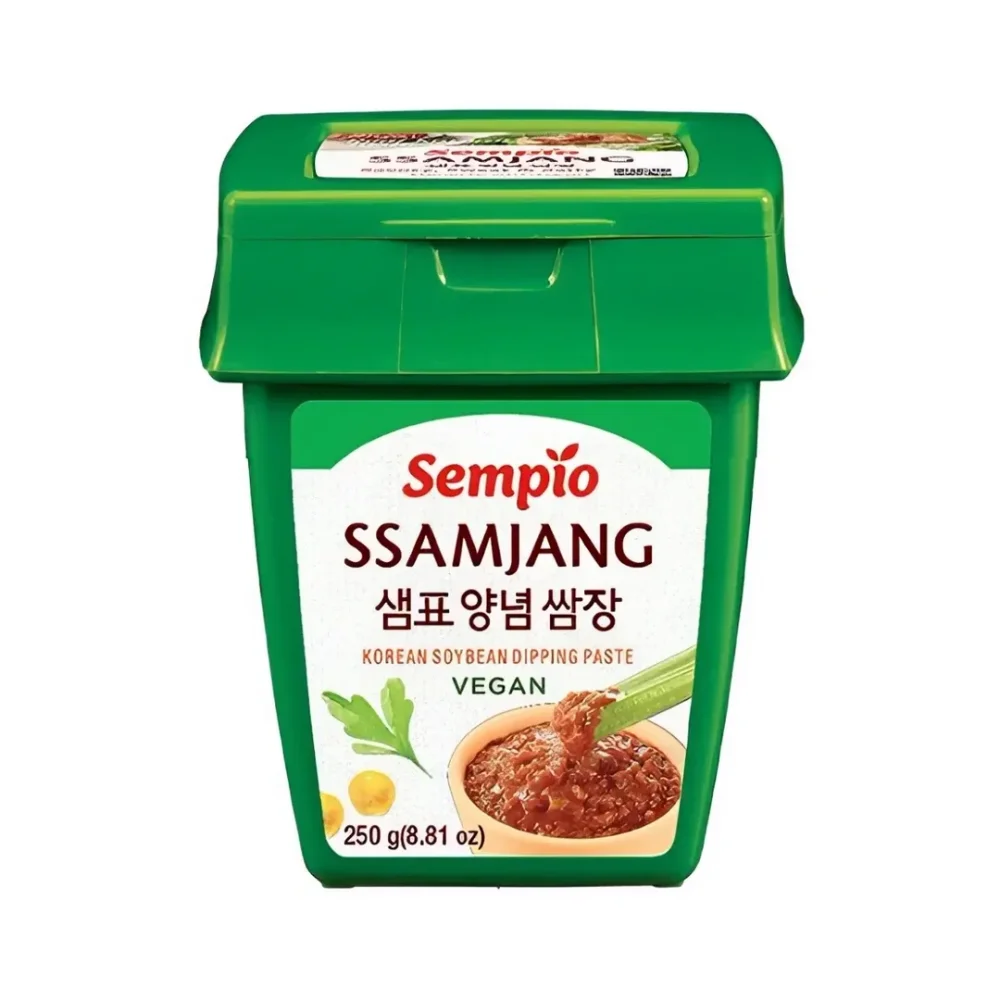
This group also includes pastes that are themselves "mixtures" of fermented soy and other flavors (for example chili and garlic). Practically they are used as dips, marinades, and quick seasoning. An example of such a paste is Sempio soy paste Ssamjang.
3) Fermented marine bases (shrimp and fish pastes, salty ferments)
Besides liquid fish sauces, there are also fermented fish pastes, shrimp pastes, and stronger local bases. These tend to be coarser, more intense, and regionally specific – often only a small amount is enough to change the entire profile of a dish.
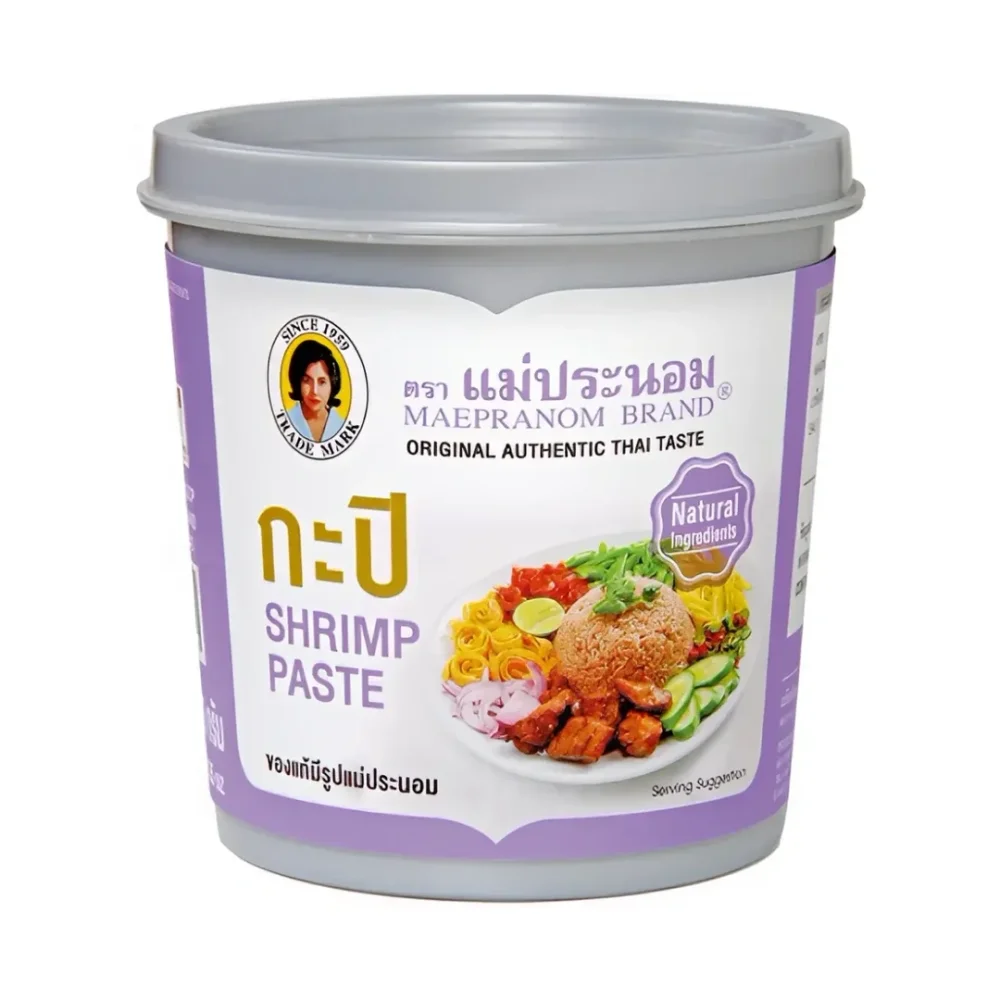
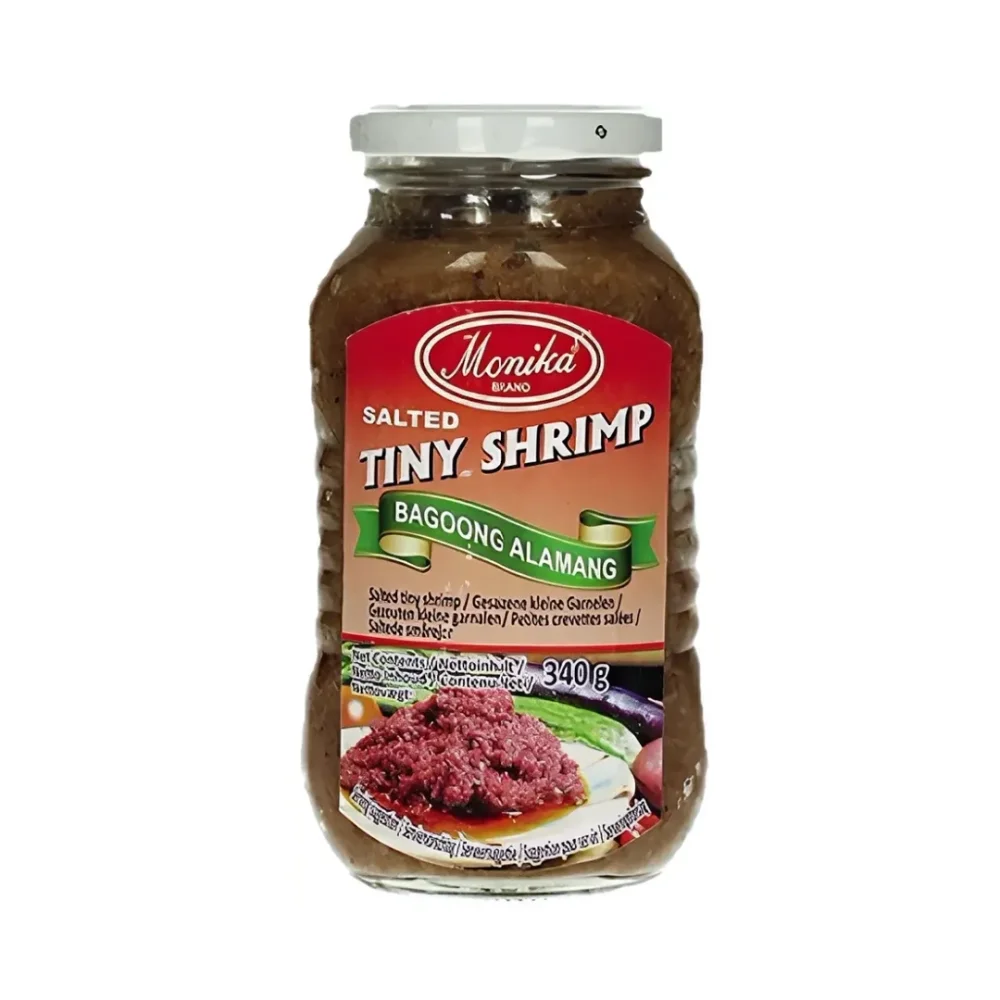
A typical example is Maepranom shrimp paste, which is used in small amounts in curries, soups, or stir-fries. In the same “logical world” belong very salty fermented marine products, which work as intense seasonings – for example Monika salted shrimp or Monika fermented salted anchovies, which are added gradually to rice, soups, or sauces.
🍳 Practical home procedure: how to start and how to "keep them in shape" with fermented sauces and pastes
Start with one base and use it as seasoning
Sources recommend not starting with extremes but with small and practical steps: choose one "basic" product (often miso, quality fermented soy sauce, or fish sauce) and use it as seasoning, not necessarily as the main ingredient. Typical dosing is small: a teaspoon or tablespoon of paste into a sauce or a few drops of fish sauce into soup or noodles.
- When you want to quickly add umami: miso, soy sauce, fish sauce, doenjang.
- When you want a deep base for soups and stews: doenjang, miso (gochujang rather in smaller amounts), or possibly fish/shrimp pastes.
Storage as an extension of the kitchen habit
Because these fermented bases are used repeatedly and in small doses, it pays to approach storage practically: keep them handy, but handle them so that their typical profile does not deteriorate unnecessarily.
- For liquid sauces (soy, fish) it’s helpful to develop a habit of dosing only the necessary amount and closing the bottle immediately – mainly because they are highly concentrated and used “by drops.”
- For pastes (miso/doenjang/gochujang and blends like ssamjang) it makes sense to scoop small portions gradually and work with them as seasoning pastes: first add less, stir, taste, and add more if necessary. This is often more reliable than trying to "guess" a large amount at once.
- For marine ferments (shrimp/fish pastes, salty fermented marine products) expect their contribution to be in intensity. In the kitchen, it’s proven to add them gradually to warm food or sauces so the flavor spreads – but remains controllable.
Simple orientation example: “quick seasoning” vs. “flavor base”
When you want a quick spicy seasoning or a “final touch,” it makes sense to reach for a paste that easily blends into sauces or can be placed on top. An example is Maepranom chili paste in oil, which is used in noodles, rice, or wok as a quick flavor intervention.
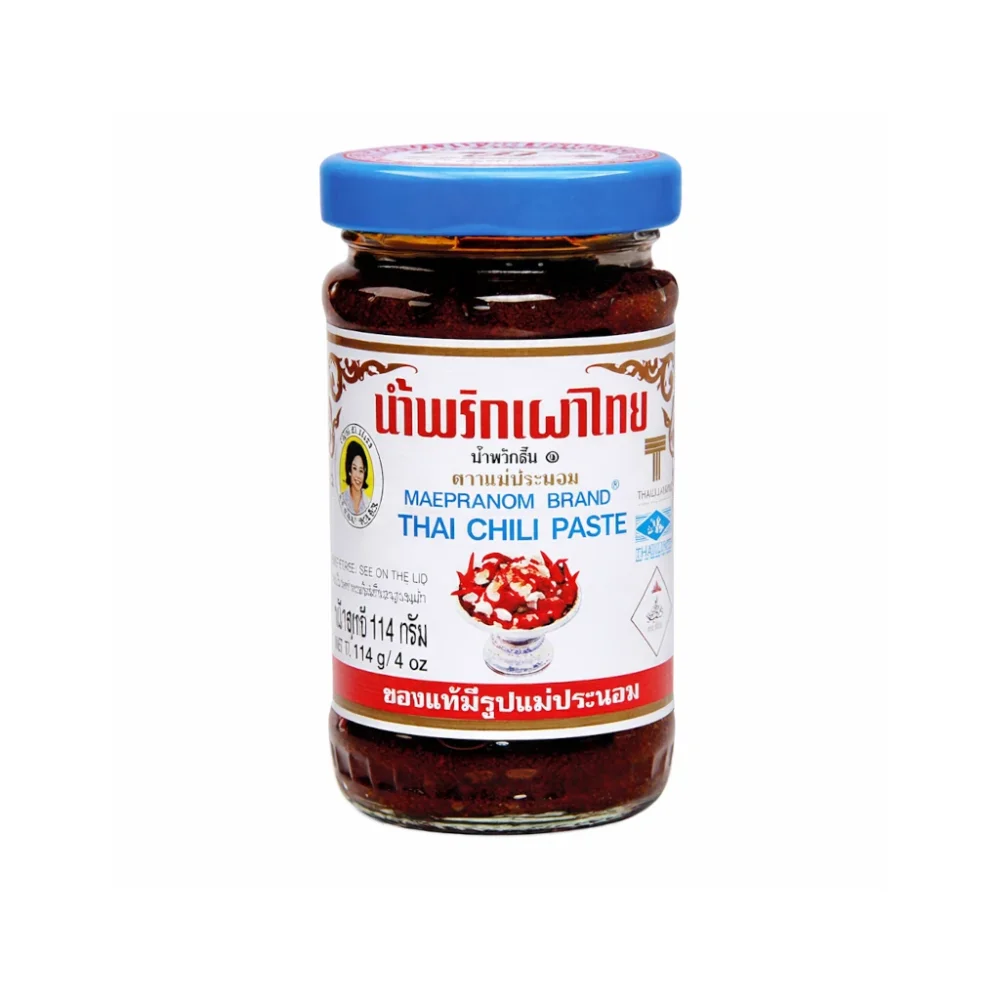
When, on the other hand, you are building a base for soup, sauce, or stew, fermented soy pastes (miso/doenjang) or in small quantities some marine ferments usually work better – ingredients that add umami and depth “from inside” the dish.
Common mistakes and misunderstandings related to flavor layering and storage
1) "Dark and salty" doesn’t mean "interchangeable"
One of the most common mistakes with Asian sauces is the assumption that two dark salty sauces will function similarly in the kitchen. They may not: dark color can mean longer fermentation, higher sugar content, different texture, or a completely different regional style. It’s better to think by function: what provides saltiness, what carries umami, what adds color, and what serves more as finishing than as a base.
In the context of storage, this means: when you have multiple bottles and containers at home, it's worth keeping them separate instead of mixing into one "Asian sauce," and knowing what each is used for. This helps both the flavor and that you will use them correctly without unnecessarily "overusing" them by trial and error.
2) Fermented foods are not the same as probiotics
An important mistake often seen around fermented products: fermented foods and probiotics are not synonyms. Fermented foods can contain live microorganisms and some can be sources of live cultures, but not every fermented food is automatically probiotic. Among other reasons, microorganisms can be weakened by storage or heat treatment.
From a practical point of view, it’s useful to keep sober expectations: in the kitchen, fermented sauces and pastes primarily have a culinary role (umami, depth, aroma, “finished flavor”). Storage then makes the most sense to understand as care for the flavor profile, not as a pursuit of the “healthy” label.
3) Beginners often overshoot dosing with marine ferments
Fish sauce, shrimp pastes, or very salty fermented marine products are an "acquired taste" for many people. That doesn’t mean they’re bad – they just need context and small doses. When used too much, they can easily overpower a dish and create the impression of being "too fishy" or "too aggressive."
A reliable practical fix is to return to their role from source materials: umami concentrate. Add gradually, taste, and treat them as seasoning, not as the main sauce.
Key takeaways from the article
- Fermented sauces and pastes are primarily tools for umami and depth – often a small amount is enough to transform the whole dish.
- For orientation, it’s useful to distinguish liquid fermented sauces (soy, fish), fermented pastes (miso, doenjang, gochujang…) and marine ferments (shrimp/fish pastes and other intense bases).
- They are not automatically interchangeable: it does not help to go by color or “saltiness,” but rather by what they do in the dish (salt, carry umami, add color, function as finishing).
- Start with one basic product and use it as seasoning; with intense marine ferments, gradual dosingis key.
- Fermented foods are not automatically probiotics – in the kitchen, it is most practical to perceive them as flavor bases and regard storage as care for their flavor profile.

Read next
If you want to explore this topic further, continue with these related blog guides and articles:
