


 Česky (CZK)
 Slovensky (EUR)
 Deutsch (EUR)
 Austria
 Belgium
 Bulgaria
 Croatia
 Denmark
 Estonia
 Finland
 France
 Germany
 Greece
 Hungary
 Italy
Italy Latvia
 Lithuania
 Luxembourg
 Netherlands
 Poland
 Portugal
 Romania
 Slovenia
 Spain
Spain Sweden










Naturally gluten-free Asian dishes: what is usually a safe base and where the traps lie
Asian cuisine can be great for gluten-free eating – it often relies on rice, legumes, vegetables, coconut, and fermented flavors. However, it can also surprise with "hidden" gluten in sauces, wheat noodles, coatings, or cross-contact during preparation. In the article, we clarify which dishes are naturally gluten-free, which are sometimes gluten-free, and how to navigate this at home and when ordering.
What "naturally gluten-free" means in practice for Asian dishes
Gluten-free Asian cooking is not a single distinct cuisine – it is mainly a way of orientation. The goal is to distinguish:
- what is naturally gluten-free (typically basic ingredients),
- what is sometimes gluten-free (depends on the particular sauce, marinade or establishment),
- and what is without modification a common problem (wheat noodles, regular soy sauce, sauces with added wheat, barley malt, flour coatings, cross-contamination).
Important note: general "wheat-free" does not automatically mean gluten-free. And even an ingredient that is naturally gluten-free by itself can be problematic in a finished product or dish (due to additives or cross-contact).
The label "gluten-free" makes sense to consider relevant only if the product truly meets the definition of a gluten-free product according to the applicable legislation.
🍜 Ingredients that are naturally gluten-free in Asian cuisine (and why so many dishes are based on them)
A large part of Asian dishes can be based on ingredients that are naturally gluten-free – the problem usually arises when an inappropriate sauce, coating, or contamination enters the dish.
Typical "gluten-friendly" bases include:
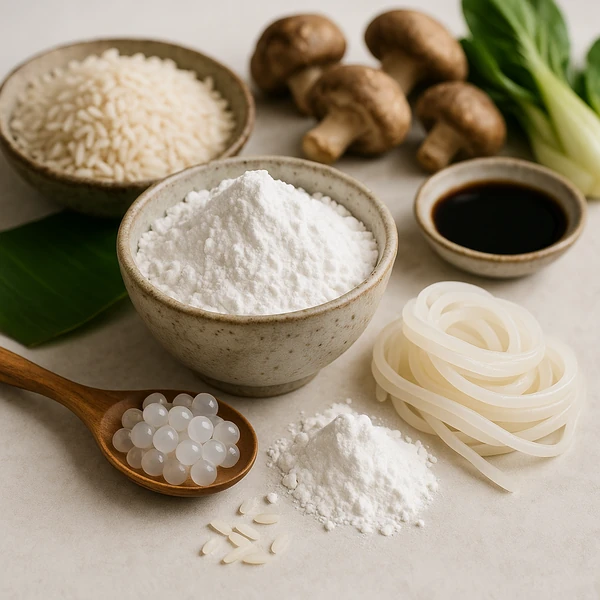
- plain rice and rice products without additives (a good guide is the category rice and rice products),
- potatoes, sweet potatoes, cassava,
- legumes,
- meat, fish, eggs,
- vegetables and fruit (for ingredient inspiration, see vegetables and mushrooms),
- coconut milk and other pure coconut products,
- tofu, if not flavored with problematic marinade,
- pure spices and herbs,
- rice vinegar and several other vinegars, if not flavored with problematic ingredients,
- starches such as tapioca, potato starch, or corn starch.
That is why for gluten-free cooking it is often easier to choose dishes that are "rice-based", legume-based, coconut-based or vegetable-based – and only then deal with how to flavor them safely.
Two categories of dishes: naturally gluten-free vs. sometimes gluten-free
1) Naturally gluten-free dishes (when you watch sauces and contamination)
These are dishes whose "logic" is naturally close to gluten-free cooking. They typically rely on rice, legumes, coconut, vegetables, and simple protein.
Examples of dishes that often fall into this group:
- rice with curry,
- a number of Thai and Indonesian coconut dishes with rice,
- dishes from sticky rice (confusing because of the name – for a gluten-free diet, it is good to rely on the label and watch for possible trace contamination; as an example of an ingredient you can use Better Brand sticky rice 5 kg),
- grilled meat or fish with rice and vegetables,
- tofu with vegetables and rice,
- some salads and dips,
- simple dhals and legume dishes,
- a number of fermented vegetable side dishes.
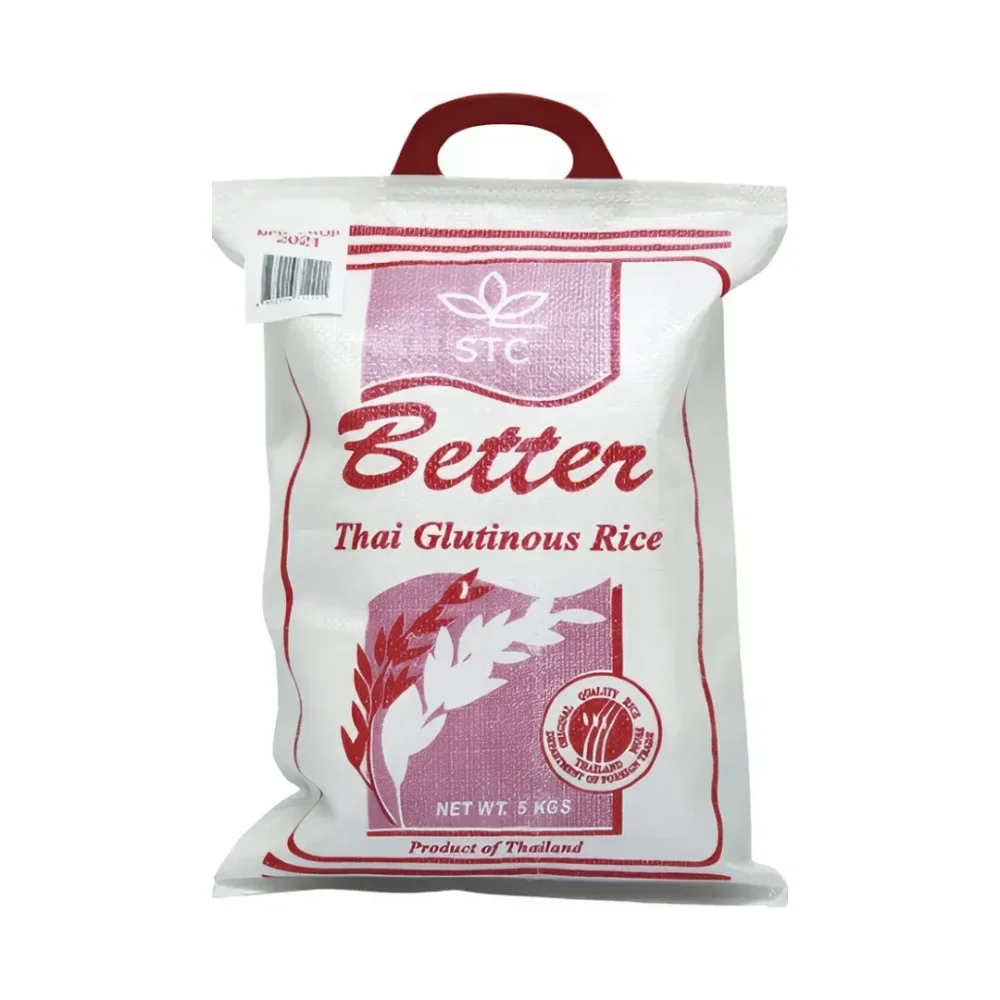
For this group, gluten-free success often hinges on one thing: whether the seasoning is safely chosen (typically soy and "wok" sauces, pastes, ready mixes) and whether cross-contact is avoided during preparation.
2) Dishes that can sometimes be gluten-free (caution needed here)
For these dishes, the base may be fine, but the risk can easily hide in the sauce, imitations of ingredients, marinades, or in the operational reality (shared utensils, wok, serving).
- Pad Thai (Thai fried noodles) – it can often be gluten-free, but the deciding factors are the sauce used, soy sauce, and cross-contact.
- Sushi – rice and fish can be fine, but the problem may be in the soy sauce, crab imitation, marinades, and cross-contact.
- Pho (Vietnamese soup) – the broth and rice noodles can be gluten-free, but seasoning and risk of contamination need to be monitored.
Practical tip: for "sometimes" gluten-free dishes, it pays to think about what is the most industrial in the recipe (sauce, paste, marinade) and what is prepared in a shared kitchen (wok, fryer, noodle strainer). That’s where the biggest risk usually lies.
Gluten-free pillars for cooking at home: what it usually depends on
If you want to cook gluten-free and still “Asian” at home, it is most practical to build a repeatable kit. Here are the pillars that are most often proven in practice:
Rice as a universal base
Jasmine, basmati, sushi rice, and sticky rice – each type fits a slightly different dish. If you want a "lighter plate," often rice + protein + vegetables + clear seasoning is enough.
If you like strongly aromatic rice, a good guide can be the category basmati rice.
Rice noodles as a safer route to noodle dishes
Rice noodles are among the easiest ways to Asian noodle dishes, if they contain no wheat additives. For wok and soups, you can use for example Sagiang tapioca rice noodles 400 g (rice flour + tapioca starch), which coat well with sauce after cooking.
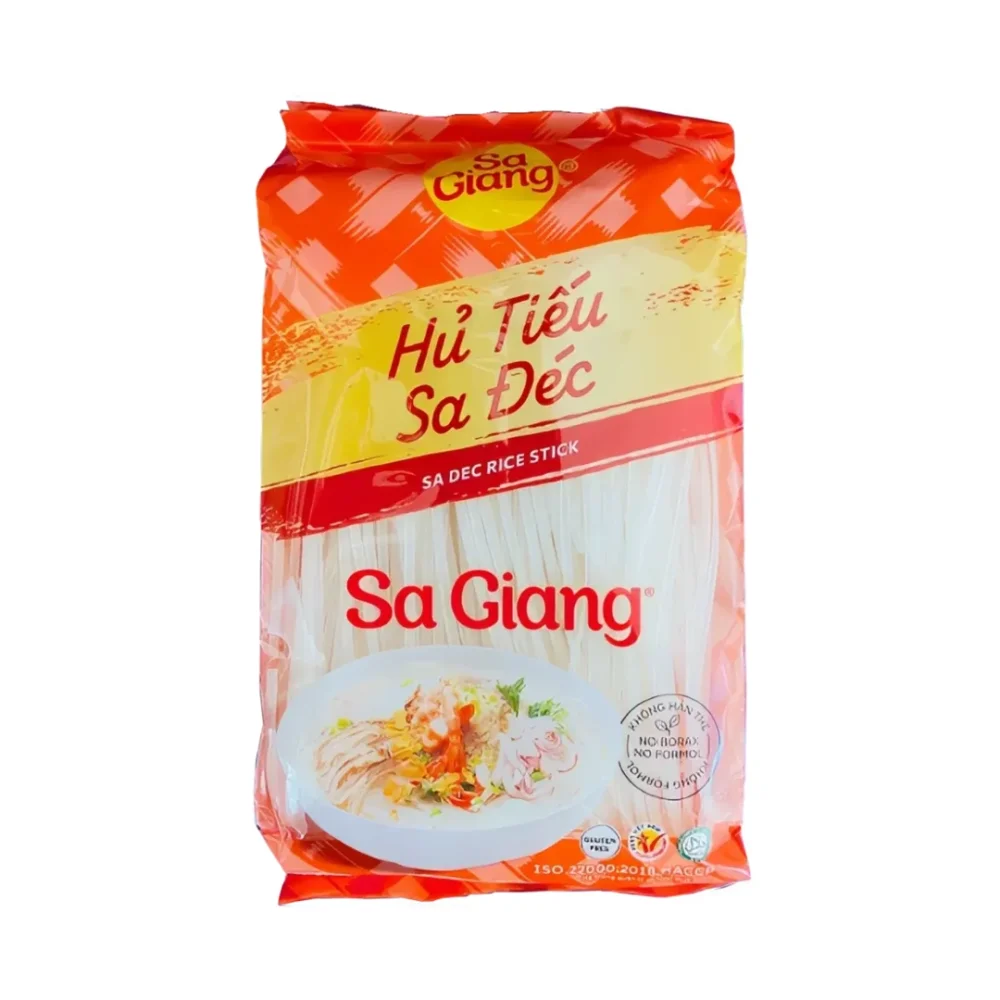
Home rescue method for "stress-free noodles": better not to overcook the noodles and to add seasoning gradually – in gluten-free cooking the biggest difference is whether the sauce just coats the noodles or "drowns" them.
Rice flour and starches: thickening, batters, texture
Gluten-free starches are key in Asian cuisine for thickening sauces, soups, and for specific texture. A practical pantry base can be:
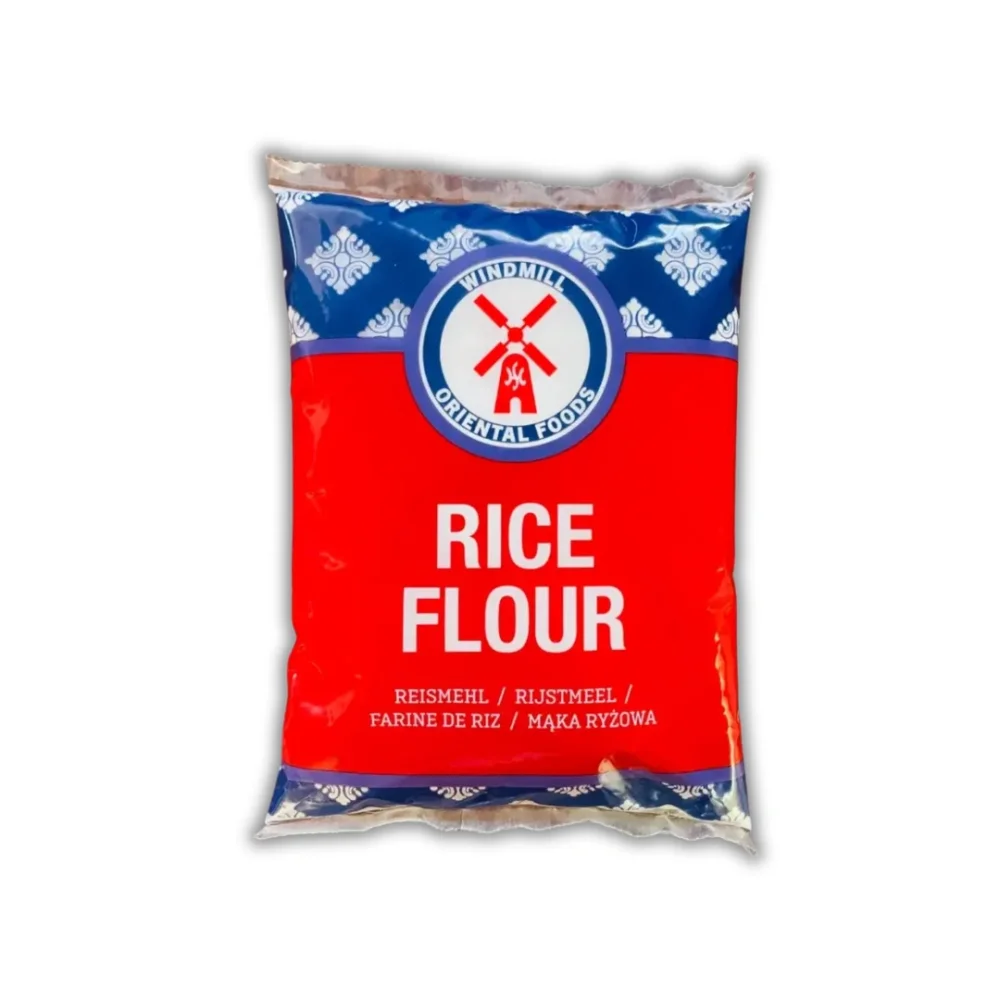
- Windmill rice flour 400 g – suitable for thickening and light doughs; if thickening, start with a small amount mixed in cold water and add gradually.
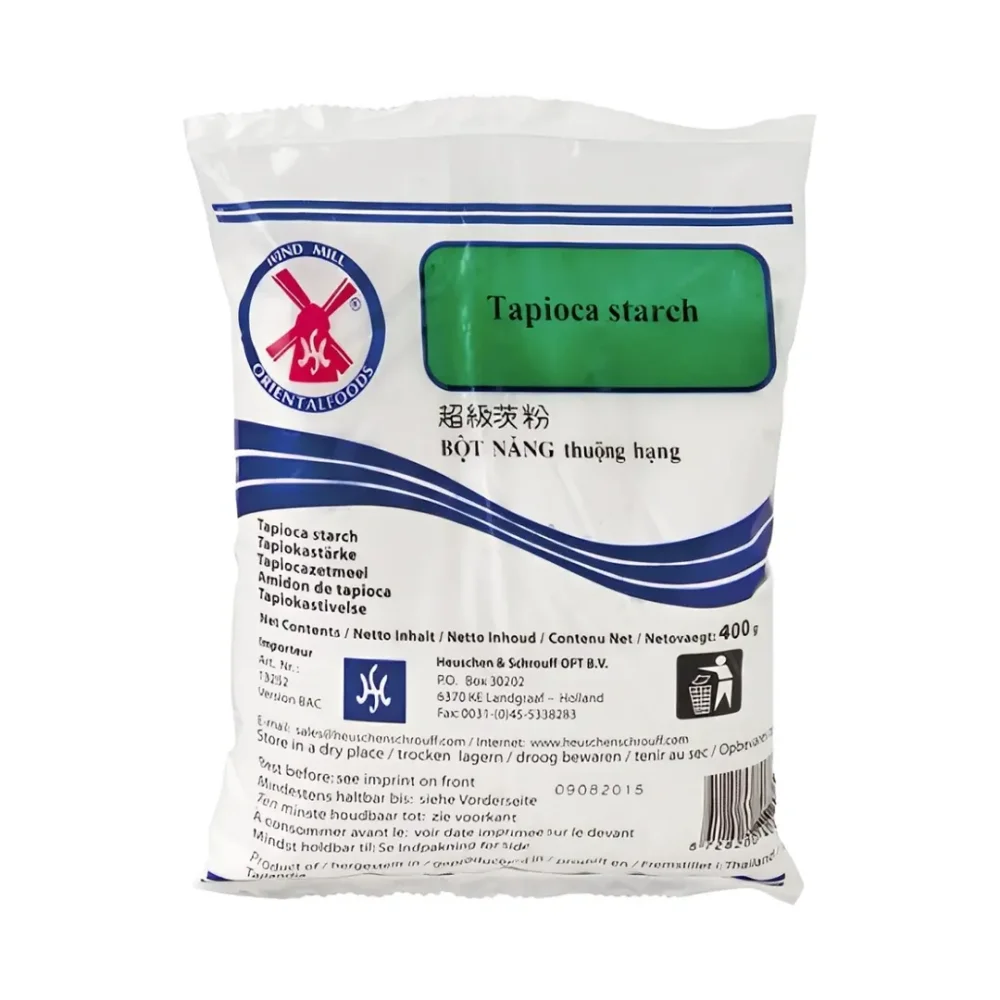
- Windmill tapioca starch 400 g – neutral in flavor, gives a smooth to slightly glossy texture; again, add bit by bit to avoid over-thickening.
Legumes, dhals, and coconut: hearty and naturally gluten-free directions
Legume dishes (including simple dhals) and coconut curry are among the most generous gluten-free directions – because the flavor is often built on legumes/coconut and spices, not on a wheat base.
Seasonings: the most important place where it breaks
Safe gluten-free cooking in Asian style often depends on whether seasonings are safely chosen (soy sauce, tamari, oyster sauce, hoisin, curry pastes). It is here that the saying often holds: "the same dish" can be fine once and problematic another time.
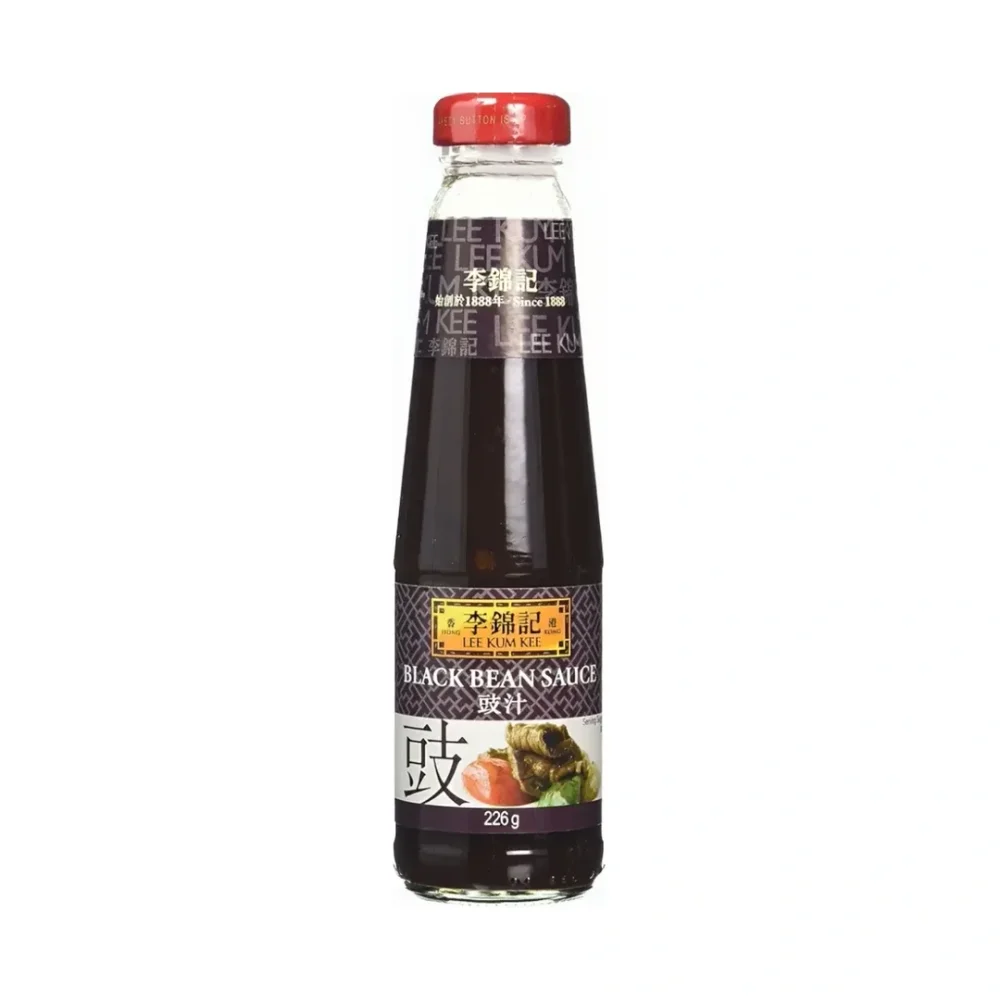
If you want to quickly build a flavorful stir-fry at home, you could use as a flavor accent for example Lee Kum Kee black bean sauce 226 g – it is intense and usually a small amount is enough (start with a "tasting" dose, then adjust). For a gluten-free regimen, always check the ingredients and possible labeling, because sauces are among the most frequent sources of gluten.
Quick gluten-free orientation by cuisines: where it is easy and where it often gets stuck
Japan: rice and simple sushi vs. soy sauce, ramen, and tempura
Plus: rice, simple sushi, some mochi and rice desserts.
Risks: regular soy sauce, ramen and udon (often wheat-based), tempura coatings, many sauces and glazes.
Korea: rice and some side dishes vs. gochujang and ready-made sauces
Plus: rice, some side dishes and simple protein combinations, some starch noodle dishes.
Risks: gochujang, soy sauces, marinades, industrial sauces.
Vietnam: rice noodles, herbs and light dishes vs. table sauces and operational contamination
Plus: rice noodles, rice, fresh herbs, vegetables, fish and meat, many light dishes.
Risks: soy or table sauces, some marinades, operational cross-contact.
Thailand: rice, coconut curry and salad dishes vs. soy sauce, oyster sauce and wok
Plus: rice, rice noodles, coconut curry, many grilled and salad dishes.
Risks: soy sauce, oyster sauce, some ready-made pastes and sauces, cross-contact in wok dishes.
India and Sri Lanka: strong potential in legumes, but watch for "added" ingredients
India and Sri Lanka often go well with gluten-free cooking especially thanks to legume dishes (such as simple dhals). But with mixes, sauces and ready-made products, the same rule applies: check the ingredients and the possibility of cross-contact.
Cold Asian dishes: often an ideal gluten-free choice (if you watch the seasoning)
Asian salads and cold dishes are not just "vegetables with dressing." In many parts of Asia, they are full meals based on freshness, texture, acidity, herbs, dipping sauces, cold noodles, rice papers, pickles and carefully composed flavors.
Why they often suit gluten-free diets:
- in warm and humid climates, cold/lukewarm dishes make sense and are often "light" without the need for a wheat base,
- many cold dishes are street food and fast dishes (spring rolls, salads, cold noodle bowls),
- flavorful even without long cooking: herbs, acidity, chili, umami bases, crunchiness.
Typical features to recognize cold Asian food (and how to easily "recreate" it at home):
- strong role of herbs and fresh vegetables,
- acidity as an active element,
- umami base (often various sauces – and these need careful attention on a gluten-free diet),
- texture contrast (crispy vs. soft, juicy vs. elastic),
- rice noodles or rice paper,
- dressing/dip as the "main driver" of flavor.
Specific examples: gỏi cuốn (Vietnamese fresh spring rolls in rice paper), Vietnamese cold noodle salads, som tam (Thai salad – typically made from papaya), larb (Thai/Laotian herb salad, often with meat), gado-gado (Indonesian vegetable salad) or bibim naengmyeon (Korean cold noodles).
Sweet note: gluten-free desserts in Asia often rely on rice, coconut and starch
Asian desserts do not form one uniform style. Side by side exist delicate Japanese sweets focusing on seasonality and texture, Chinese and Southeast Asian desserts based on rice, beans, coconut, starches and fruit, and modern urban desserts working with tapioca, tea, milk, and creams.
For gluten-free orientation it is useful to know that a large family of sweets relies on rice and rice flour (steam is often used instead of baking). This includes, for example:
- mochi (Japanese rice cakes),
- dango (Japanese dumplings made from rice flour),
- tangyuan (Chinese sweet balls made from sticky rice flour),
- nian gao (Chinese sticky rice cake),
- mango sticky rice (Thai dessert of sticky rice, coconut milk and mango).
Besides that, Asian sweets typically feature “textural” types: agar (kanten), grass jelly or tapioca. Even for desserts, the same gluten-free caution applies as with savory sauces: watch added ingredients and possible malt (barley) components.
Most common gluten-free traps in Asian food (and how to quickly recognize them)
- Common soy sauce – a frequent problem; gluten-free regimen usually requires a clearly gluten-free alternative (not to be confused with just "wheat free").
- Wheat noodles – ramen/udon and many “yellow” noodles are usually wheat; safer are rice noodles if without additives.
- Sauces with added wheat – typical trap in wok sauces, glazes, marinades and ready mixes.
- Barley malt and malt ingredients – may be present in flavorings and sweets; important to watch on a gluten-free diet.
- Flour coatings (e.g. some fried variants) – problem is not only flour but often shared oil.
- Cross-contact in production or preparation – even a “correct” dish can be risky if prepared in the same place, wok or with utensils used for wheat dishes.
Quick mental check before labeling food as “safe”: base (rice/legumes/vegetables) can be fine, but gluten-free result often depends on seasoning and contact during preparation.
What to take away from the article
- For Asian dishes, it is key to distinguish what is naturally gluten-free adjustable and what is gluten-free only sometimes (pad thai, sushi, pho).
- The most common risks are not “exotic ingredients,” but sauces, noodles, coatings, malt ingredients and cross-contact.
- As home staples, these work well: rice, rice noodles, rice flour and tapioca, legumes and coconut – along with carefully chosen seasonings.
- Cold Asian dishes (spring rolls, salads, cold noodle bowls) are often a great choice because they rely on herbs, acidity, and texture – but dips and sauces need to be monitored.
- "Wheat free" is not the same as "gluten free" – and for ready products it makes sense to trust gluten-free labeling only if it truly matches the definition of a gluten-free product.

Read next
If you want to explore this topic further, continue with these related blog guides and articles:
