


 Česky (CZK)
 Slovensky (EUR)
 Deutsch (EUR)
 Austria
 Belgium
 Bulgaria
 Croatia
 Denmark
 Estonia
 Finland
 France
 Germany
 Greece
 Hungary
 Italy
Italy Latvia
 Lithuania
 Luxembourg
 Netherlands
 Poland
 Portugal
 Romania
 Slovenia
 Spain
Spain Sweden










Gluten-free Asian cooking: how to recognize safe ingredients, avoid pastes, and cook at home stress-free
Gluten-free Asian cooking is not about a "special diet cuisine," but about good orientation in ingredients, labels, and preparation methods. In this guide, you'll clarify what is naturally gluten-free in Asia, where gluten typically lurks (often in sauces and noodles), and how to set up a simple system at home to ensure results are both tasty and safe.
Why gluten-free Asian cooking is such a frequent source of misunderstandings
Asian dishes can be excellent for gluten-free diets – they often rely on rice, legumes, vegetables, meat, fish, eggs, or coconut products. However, Asian cuisine is also full of "inconspicuous" places where gluten appears unexpectedly: in regular soy sauce, in some noodles, in certain sauces thickened with wheat, in malt ingredients (barley), or through cross-contact on shared woks and utensils.
The purpose of gluten-free Asian cooking at home is therefore not to look for "one universal gluten-free Asian menu," but to learn to distinguish three situations:
- naturally gluten-free ingredients (clean base),
- foods that can be gluten-free only sometimes (depending on composition, production, contamination),
- products that are commonly problematic, unless specifically gluten-free.
Gluten, "gluten-free" and why "wheat-free" is not enough
🌶️ What is gluten and where is the problem
For gluten-free diets, it is essential that wheat, barley, and rye are not safe. In practice, this means it is not enough to just omit the "visible" flour or classic wheat noodles – gluten often hides in flavorings, mixes, and sauces.
What "gluten-free" / "bez lepku" means on packaging
Labeling "gluten-free," "bez lepku" (or equivalent) is relevant when the product actually meets the definition of a gluten-free product according to the applicable legislation. In a gluten-free household, this is a useful reference point mainly for sauces, pastes, and mixes – that is, for items where the composition is more complex and the risk is higher.
Why "wheat-free" / "bez pšenice" may not be enough
A common mistake is to rely on statements like "wheat-free". This does not automatically mean gluten-free – the product may contain other gluten grains (e.g., barley), or there could be a cross-contact problem during production. Therefore, with gluten-free Asian cooking, it is better to think in terms of "gluten-free," not just "wheat-free."
Naturally gluten-free bases vs. typically risky items
What is naturally gluten-free in Asian cuisine
A large part of Asian cooking can be naturally gluten-free – as long as no problematic sauce, coating, or contamination occurs. The following are often naturally gluten-free:
- plain rice and pure rice products without additives,
- potatoes, sweet potatoes, cassava,
- legumes,
- meat, fish, eggs,
- vegetables and fruits,
- coconut milk and most pure coconut products,
- tofu (if not flavored with problematic marinades),
- pure spices and herbs,
- rice vinegar and many other vinegars (if not flavored with problematic ingredients),
- starches such as tapioca, potato starch, or corn starch.
This "natural building block" is exactly why Asian cooking can be so practical for a gluten-free regime: the base often doesn’t rely on wheat dough but on rice, legumes, vegetables, and fermented products – you just need to watch the details.
Biggest difference: the ingredient can be gluten-free but the finished product may not be
Safety often hinges on the fact that the ingredient itself may be naturally gluten-free but the finished product isn’t. Typically:
- a “rice” product may have additives or be flavored with a sauce containing gluten,
- tofu is often gluten-free, but marinades and glazes may not be,
- spice mixes, pastes, and ready sauces can contain wheat-based thickeners or malt ingredients.
🍳 How to start at home: gluten-free pillars, first kitchen style, and practical procedure
1) Choose your "entry door" based on cooking style
Beginners often want to start with "Asian cuisine" as one package – but individual cuisines (Japanese, Chinese, Korean, Vietnamese, Thai, Indian, Filipino) differ in flavor, technique, and how much they rely on sauces and pastes. It's practical to start with a style that suits you:
- I want cleaner and clear flavors → a Japanese-oriented style often fits.
- I want quick stir-fry meals → wok and home "Chinese" stir-fry.
- I want freshness, herbs, and balancing acidity → direction Thailand/Vietnam.
- I want spices, stewing, and richer meals → direction India.
- I want homey, comforting meals with vinegar, garlic, and soy profiles → Philippine cuisine often works well.
For gluten-free cooking, this matters because some styles make it easier to start first meals on rice, coconut milk, legumes, and simple seasoning – and then add sauces gradually and controllably.
2) Build your gluten-free “pillars” of home Asian cooking
For home gluten-free cooking, it’s most practical to have a few stable pillars from which you assemble various dishes:
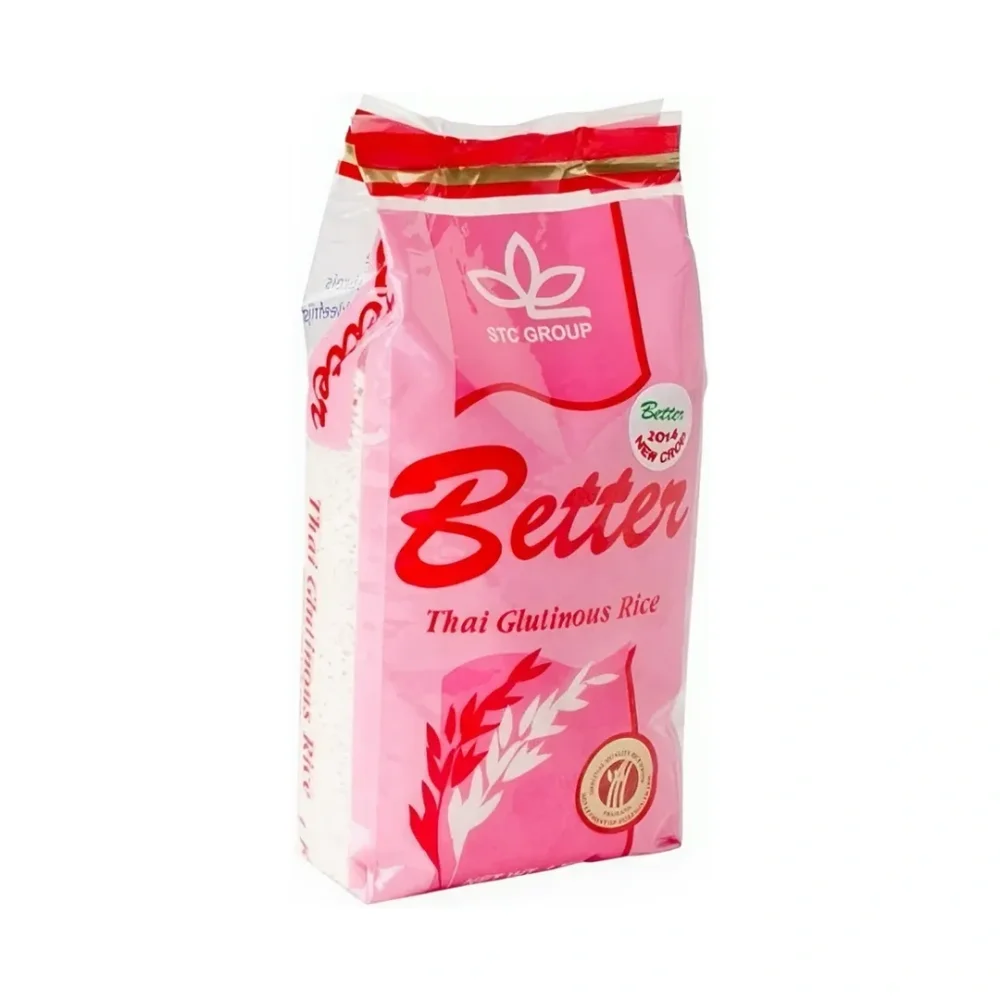
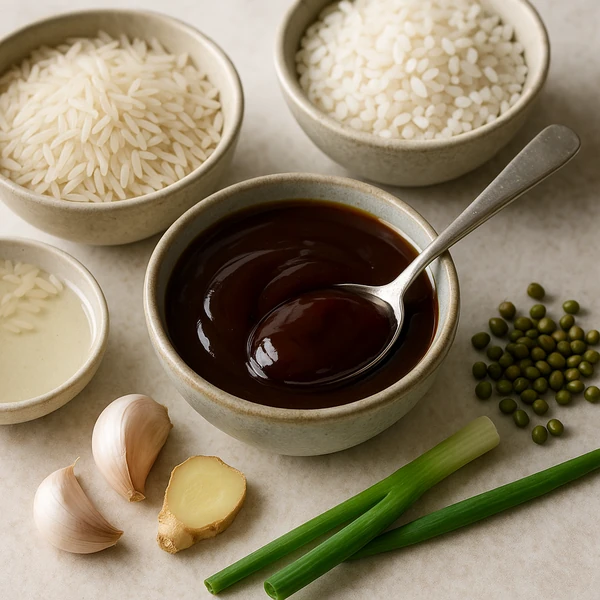
- Rice as the main side and bowl base. Various types suit different dishes – as signposts, you can use basmati rice, sushi rice or other rice varieties. If you need rice that sticks together (typically for Thai dishes), it makes sense to get Better Brand sticky rice (the term "sticky" describes texture, not gluten presence).
- Rice noodles as the simplest gluten-free route to “noodle” dishes – the key is making sure they have no wheat additives.
- Gluten-free starches (tapioca, rice flour, etc.) for thickening, crispy coatings, and texture.
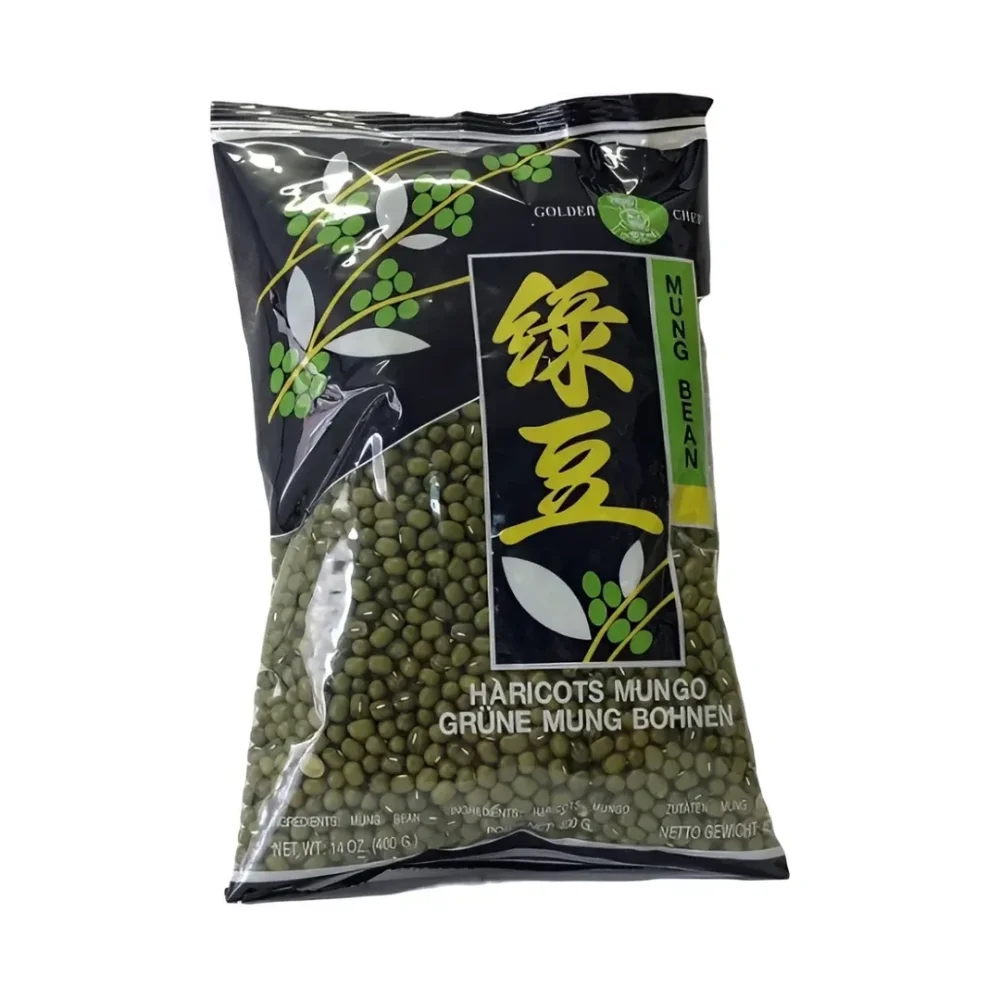
- Legumes and dhals as a naturally gluten-free, hearty base – for example, Golden Chef mung beans can be used in soups, curries, and salads.
- Coconut (coconut milk/cream) as a stable base for curries and flour-free sauces.
- Gluten-free labeled seasonings – this is often where gluten-free cooking "breaks down."
3) Gluten-free seasoning: focus on sauces and pastes
In Asian dishes, the biggest risk is often in the seasoning, not the main ingredient. Practical advice for starting: when cooking a new dish for the first time, keep the sauce simple and add it gradually (taste → adjust), instead of "a big dose of sauce blindly."
- Soy sauce is often problematic (due to wheat), so it is necessary to consciously choose a gluten-free version and not rely on shortcuts like "tamari = always gluten-free."
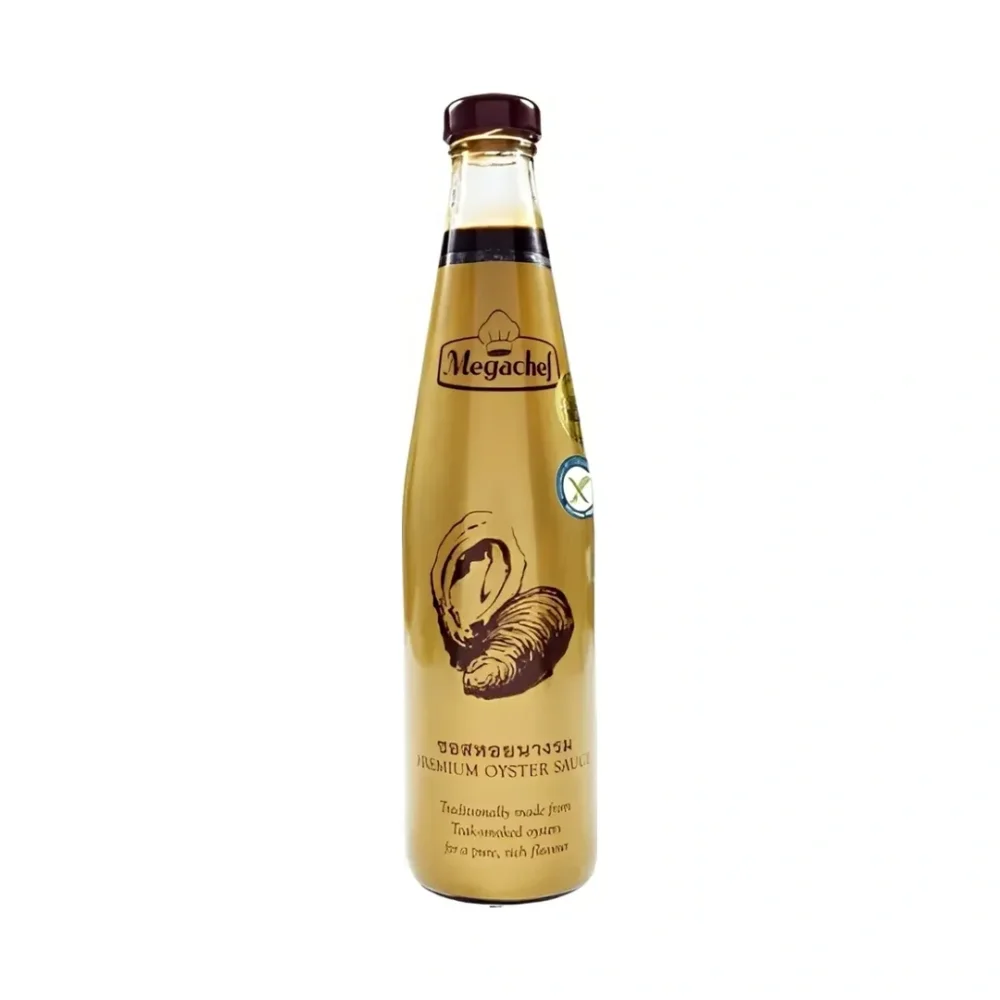
- Oyster sauce is a typical stir-fry ingredient where it makes great sense to go for a clearly gluten-free variant – for example, Megachef gluten-free oyster sauce.
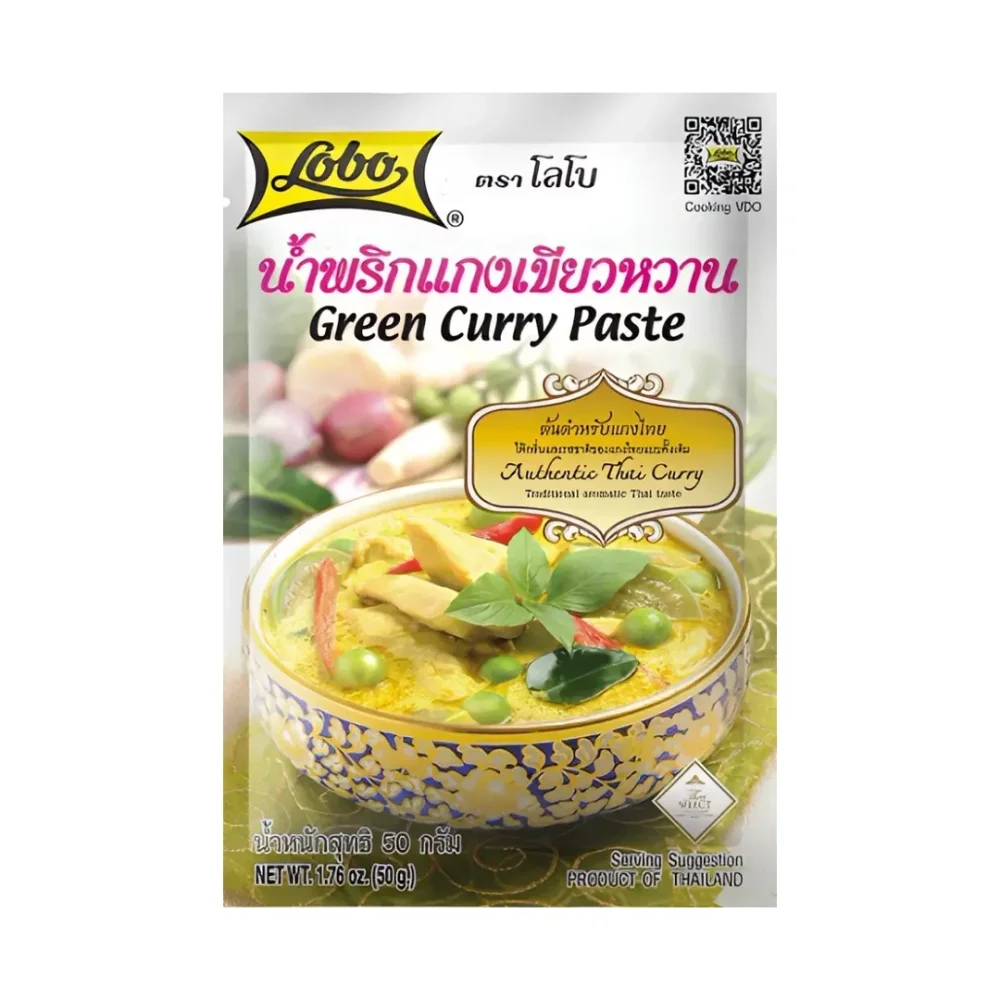
- Curry pastes and mixes can speed up cooking, but for pastes and mixes it’s always good to watch the composition and any contamination warnings. For a “quick gluten-free base,” curry is often made on coconut milk and paste; as an example of an ingredient worked with by teaspoons (due to concentration), Lobo green curry pastecan serve.
- Vinegar is a practical helper to balance flavor (dressings, marinades, sushi rice). If you want gentle acidity without "unnecessary sharpness," you can work with P.R.B. rice vinegar and add it gradually until the taste becomes “lively,” but not aggressive.
4) Technique that saves nerves (and also risk in gluten-free cooking): mise en place
In many Asian dishes, preparation before turning on the stove is crucial. In quick stir-fry, mistakes are hard to fix – and in a gluten-free regime the risk of contamination grows when chaotic reaching into cabinets and mixing various tools happens during cooking.
A simple home standard helps:
- Plan: know what goes into the pan first and what last.
- Cut and measure everything beforehand: ingredients in bowls, sauce separately, starch mixed in advance.
- Moisture control: it is often necessary to really dry ingredients after washing before putting them into the wok – otherwise they start to stew instead of stir-fry.
- Hygiene and order: separate the cutting board for raw meat from the one for vegetables/ready ingredients and keep the workspace clean.
5) Storage: quality, texture, and safety are not the same
For Asian ingredients, it’s worth thinking of storage as part of cooking. A product may still be safe health-wise but already lose aroma, freshness, or structure – and only then really spoil. Typically:
- dry ingredients (rice, noodles, starches) need dryness, good sealing, and protection from odors; aromatic types of rice can quickly lose scent if stored poorly,
- sauces and pastes after opening often suffer not just from "spoilage" but also loss of aroma and a change in taste,
- cooked rice is specific in terms of safety: do not leave a large pot to cool for a long time on the counter, rather divide the portions into shallower containers and quickly store them in the fridge; repeated heating and cooling increases the risk and worsens the quality.
The most common mistakes and places where gluten-free Asian cooking most often "falls"
"Asian cuisine is automatically gluten-free."
It is not. The base is often naturally gluten-free, but the problem typically appears in sauces, mixes, coatings, or in the preparation technology.
"If something is made from rice, it is always safe."
Not necessarily. The rice base is often good, but the finished product may have additives, sauce, or be contaminated. For a gluten-free regime, it’s safer to think: "is it pure rice / pure rice product without additives?"
"Tamari = always gluten-free."
No. Safe is only the clearly gluten-free labeled variant (and ideally rely on clear gluten-free labeling, not an assumption based on the name).
"Sushi is automatically gluten-free."
It is not. The problem can be in soy sauce, some marinades, seafood imitations, or in how the food is handled in the operation. If you make sushi at home, you have the situation under control – and you can also watch the acidity of the rice (e.g., using rice vinegar) and especially gluten-free seasoning.
"Just avoid bread and wheat noodles."
That is not enough. A big problem is also sauces, pastes, and cross-contact.
🍳 Cross-contact: when the ingredient is fine, but the preparation is not
Asian cooking is often based on a shared wok, shared frying oil, sauce dispensers, and repeated use of utensils. This means that even food that “looks” gluten-free may not be safe (especially for celiac disease).
The most common risky places are:
- shared wok or pan,
- shared frying oil,
- the same ladle used for several sauces,
- the same cutting board, tongs, and bowls,
- noodles cooked in the same water,
- toppings scooped with one utensil.
At home, the solution is easier: set a “clean zone,” use separate utensils (or really wash them regularly), and measure sauces into your own bowls, not from “communal” containers.
What to take away from the article
- Gluten-free Asian cooking mainly depends on orientation in sauces, mixes, and labels – not just on avoiding bread and noodles.
- Naturally gluten-free bases are often rice, legumes, vegetables, meat/fish, coconut, and selected starches – but the finished product can be a different story.
- The most common “traps” are common soy sauce, wheat noodles, sauces with added wheat, and malt components (barley).
- In a gluten-free regime, cross-contact has great importance – both in restaurants and at home.
- For a home start, it’s practical to base cooking on pillars: rice, rice noodles, starches, legumes, coconut, and gluten-free labeled seasonings.

Read next
If you want to explore this topic further, continue with these related blog guides and articles:
