


 Česky (CZK)
 Slovensky (EUR)
 Deutsch (EUR)
 Austria
 Belgium
 Bulgaria
 Croatia
 Denmark
 Estonia
 Finland
 France
 Germany
 Greece
 Hungary
 Italy
Italy Latvia
 Lithuania
 Luxembourg
 Netherlands
 Poland
 Portugal
 Romania
 Slovenia
 Spain
Spain Sweden










Basics of home fermentation for beginners: how to get oriented and start without unnecessary mistakes
Fermentation is not just a 'preservation trick'. In Asian cuisines, it is one of the main ways to create umami, smooth out sharp taste edges, change the texture of ingredients, and build a huge palette of sauces, pastes, side dishes, and soups from a few basics. This article will give you solid foundations: what fermentation means in the kitchen, why it is not the same as probiotics, what types of ferments exist, and how to start with them at home practically (even if you haven't fermented anything yourself yet).
Beginners often imagine fermentation as one specific thing: a jar of cabbage that 'somehow works', surrounded by a lot of uncertainty. In practice, fermentation is a wide family of techniques—from fermented vegetables through soy sauces and pastes to fish sauces or tempeh. And this breadth is exactly the reason why fermentation holds the flavor world together in Asian cuisines.
Before you start home experiments, it pays to understand two things: (1) what fermentation does to taste and the ingredient, (2) how to use it in everyday cooking in small steps. Once this clicks, it’s much easier to decide whether you want to mainly use ferments or eventually move on to making your own.
🌶️ What fermentation is in the kitchen (and why 'there isn’t just one')
Fermentation is a controlled transformation of ingredients using microorganisms and their enzymes. In foods, bacteria, yeasts, and molds most commonly apply. They break down sugars, starches, or proteins – and in the process, new tastes, aromas, and textures develop.
From a culinary perspective, what’s most important is what 'appears' in the food: acidity, more pronounced umami, aromaticity, finer texture, and often better storability. And here’s the key: fermentation is not a uniform method. Vegetable fermentation in salt works differently, soy fermentation via koji works differently, fish sauce maturation works differently, and tempeh formation using the mold Rhizopus. What they share is turning a simple ingredient into something taste-wise and functionally more complex.
In Asian cuisine, fermentation is encountered in two roles:
- as a base of the everyday table (for example, fermented vegetables as a side dish),
- as a concentrated seasoning (pastes and sauces that in a small dose 'bind' the whole dish).
Fermented foods are not automatically probiotics
This is a common source of misunderstanding: a fermented food is not automatically a probiotic. Fermented products can contain live microorganisms and some can be sources of live cultures – but not every fermented food contains live microorganisms in the final form, not every one contains a defined strain, and not every one meets the exact definition of a probiotic.
For a beginner, it's practical to stick to simple kitchen logic: fermentation is primarily a flavor and technological category. It’s fair to say 'this will add umami, depth, and character to the food' – and on the other hand, it’s better not to promise automatically that every fermented thing 'provides probiotics'.
Why fermented foods have such a strong position in Asia
Historically, fermentation solved several problems at once: preservation outside harvest time, better use of grains, legumes, fish, and vegetables, flavor transfer to the 'leaner' parts of the year, and mainly creating stable seasonings for everyday cooking.
That’s why in Asia a wide family of 'basic' ferments appeared: soy sauces, miso, doenjang, gochujang, natto, tempeh, fish sauces, shrimp pastes, pickled and fermented vegetables, and many regional specialties. Many of these are so common that they are not seen as special 'functional foods' but as a normal part of the diet.
From a cook's perspective, fermentation impacts flavor in four typical ways:
- Umami and depth: fermented products often carry a strong umami flavor that 'binds' the dish and gives it fullness.
- More complex taste without complicated cooking: a few drops of fish sauce, a spoonful of miso, or some doenjang can replace long flavor building by broth or reduction.
- Preservation: traditionally key for vegetables, sauces, and pastes.
- Regional identity: many ferments are closely associated with specific regions and family methods.
This is nicely seen in Korea in the pair kimchi and jang (fermented sauces and pastes like ganjang, doenjang, and gochujang): kimchi functions as a culturally rooted side dish and part of home management, while jang forms the flavor backbone of a large part of the cuisine.
Main types of ferments: what to expect from them (and how they differ)
For orientation, it’s useful to think by groups. Not to memorize everything by heart, but to know, what function a ferment plays in food and how cautiously to start with it.
Fermented vegetables: acidity, crunchiness, 'side dish with character'
Fermented vegetables typically rely on salt and microorganism activity. The result is acidity, aroma, and changed texture. In Asian context, the most famous example is kimchi.
A practical idea to start: fermented vegetables often work as a 'ready flavor component' on the plate – something that lightens rice, complements meat or tofu, and gives contrast.
Soy sauces and pastes: umami as a base (miso, shoyu, doenjang, gochujang)
This group includes products that often play the role in the kitchen of a concentrated seasoning. In Japanese fermentations, the key concept is koji – a base inoculated with the mold Aspergillus oryzae, which helps break down starches and proteins and prepares the ground for deep flavor and umami. Without koji, it’s hard to talk about miso or shoyu (Japanese soy sauce).
In Korean tradition, similarly central is meju – fermented blocks of soybeans from which 'jang' products then arise (for example ganjang and doenjang). It’s a good example that fermentation is not just a production process but also a cultural knowledge.
Fish and marine bases: saltiness + umami in a few drops
Fish sauces and other marine fermented bases can be surprisingly effective for beginners: in small amounts, they give soups, noodles, or sauces a 'ready' salty depth. In the kitchen, however, they almost never serve as the 'main flavor' – more like carefully dosed support.
Tempeh and natto: distinct texture and specific taste
Fermented legume products like tempeh or natto show that fermentation isn’t just about sauces and side dishes. Tempeh is produced using the mold Rhizopus; natto is for many people a typical 'acquired taste' – intense and outside the usual European comfort zone. For a beginner, it’s good to know that intensity is not a fault but just requires context and getting used to.
Fermented batters and doughs: when fermentation forms the base of a dish
The broader Asian world also includes fermented batters and doughs, for example for dosa or idli. Here, fermentation is not on the 'side' as a seasoning – on the contrary, it is the base on which the dish stands from the first to the last bite.
How to start practically at home: 'ferments for cooking' as the best first step
For beginners, it’s usually wisest not to start with extremes or complicated home production but with small steps in everyday cooking. This is an approach that has an immediate effect on flavor – and at the same time gradually trains your palate and intuition for dosing.
1) Choose one basic ferment and learn to use it
As a simple start, some often proven choices in kitchen practice are: miso, quality fermented soy sauce, kimchi, fish sauce, or tempeh. The point is not to have everything but to really 'get one ferment into your hands'.
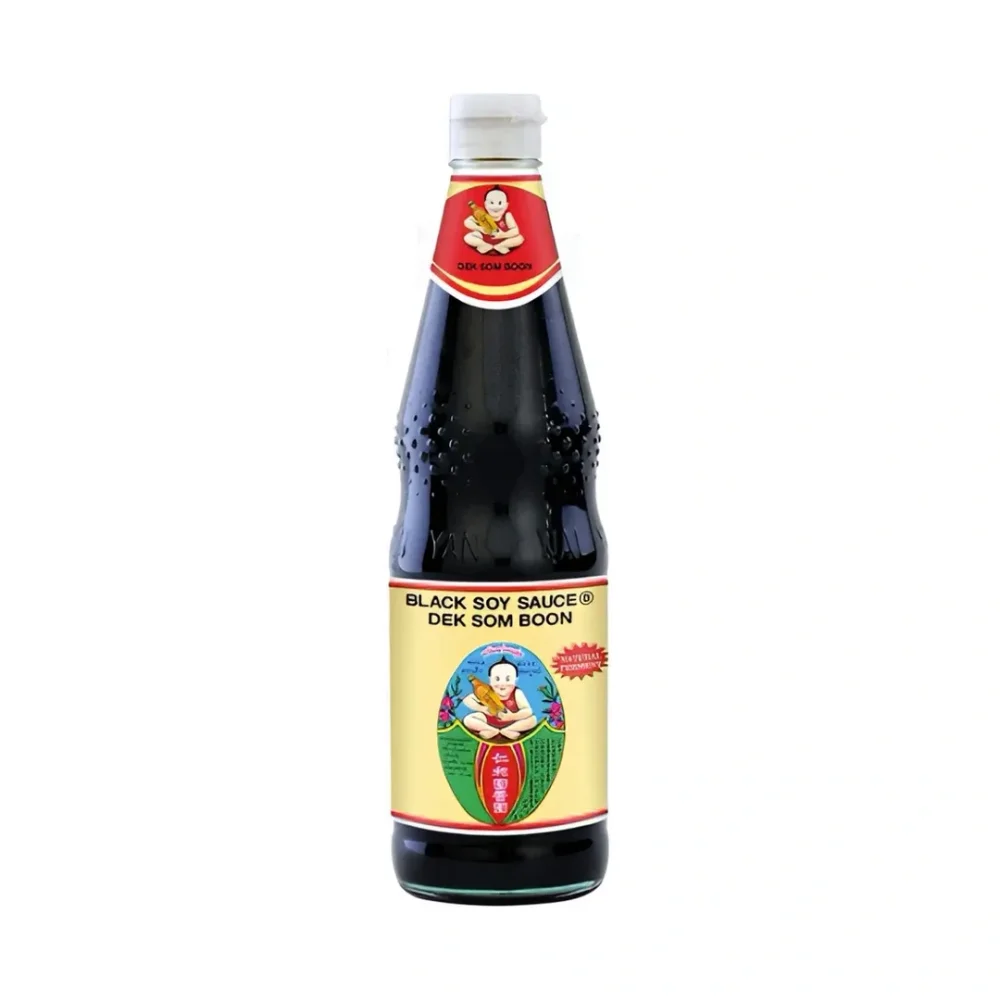
If you want to start by seasoning sauces and stir-fries, an easy entry choice might be dark soy sauce Dek Som Boon (recipe B). It usually manifests fully in the food and helps with color as well – but it remains a seasoning you learn to dose.
2) Dose as seasoning: small amount, big effect
With ferments, it’s common that a small dose makes a big difference. For first cooking at home, it helps to stick to simple 'culinary measures' that are not about exact grams but controlling taste:
- a teaspoon (for example a teaspoon of miso in sauce or soup),
- a bit (for example a bit of kimchi with rice as a side),
- a few drops (for example a few drops of fish sauce into soup or noodles).
Beginner’s trick: add ferment rather in smaller doses, stir and taste. Adding is easy; 'unfermenting' is not.
3) Start on a neutral base: rice and noodles tolerate learning
When learning with fermented seasonings, it’s advantageous to have something neutral on the plate that shows the difference. Practical choices are:
- rice as a base for bowls and sides (for example Royal Tiger jasmine rice),
- rice noodles for quick stir-fries and soups (for example Icv rice vermicelli).

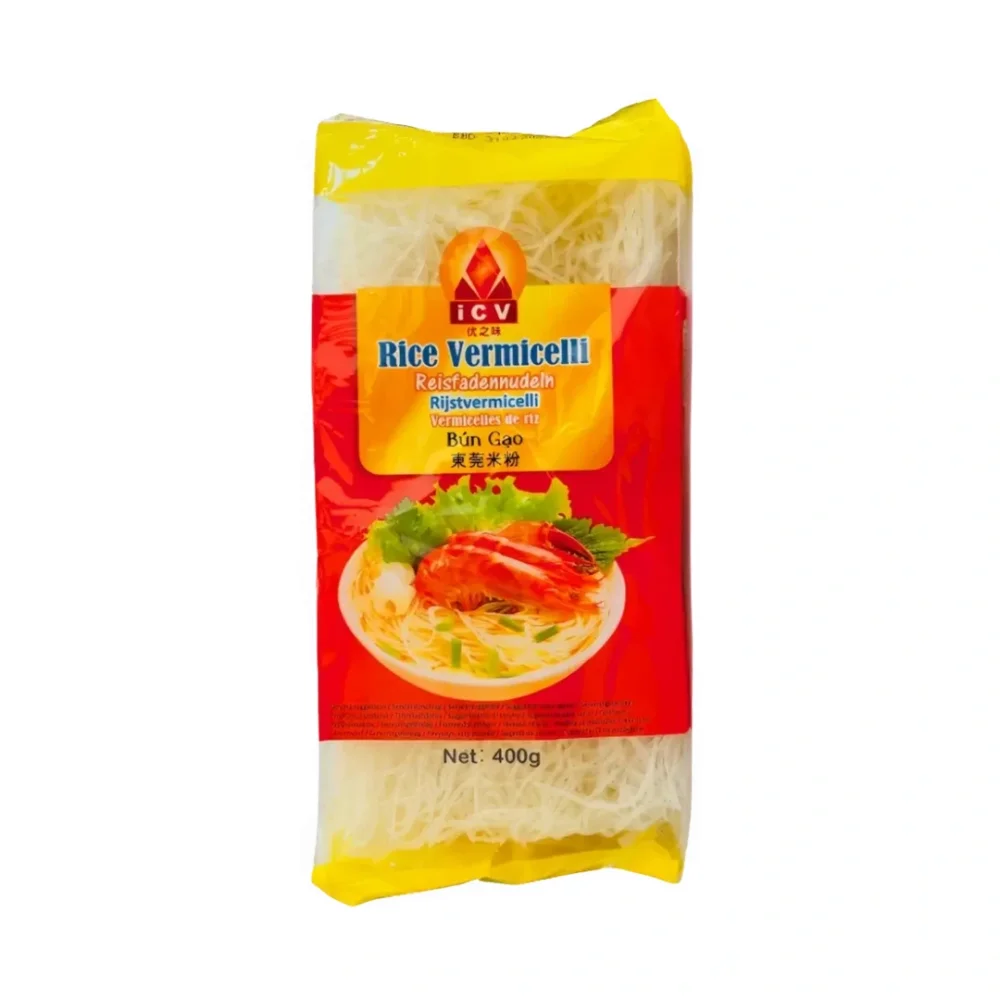
On such a base, it’s easy to notice what a few drops of sauce or a teaspoon of paste do – and it isn’t drowned out by a complex combination of other flavors.
4) Learn one Korean 'jang' paste as a flavor tool
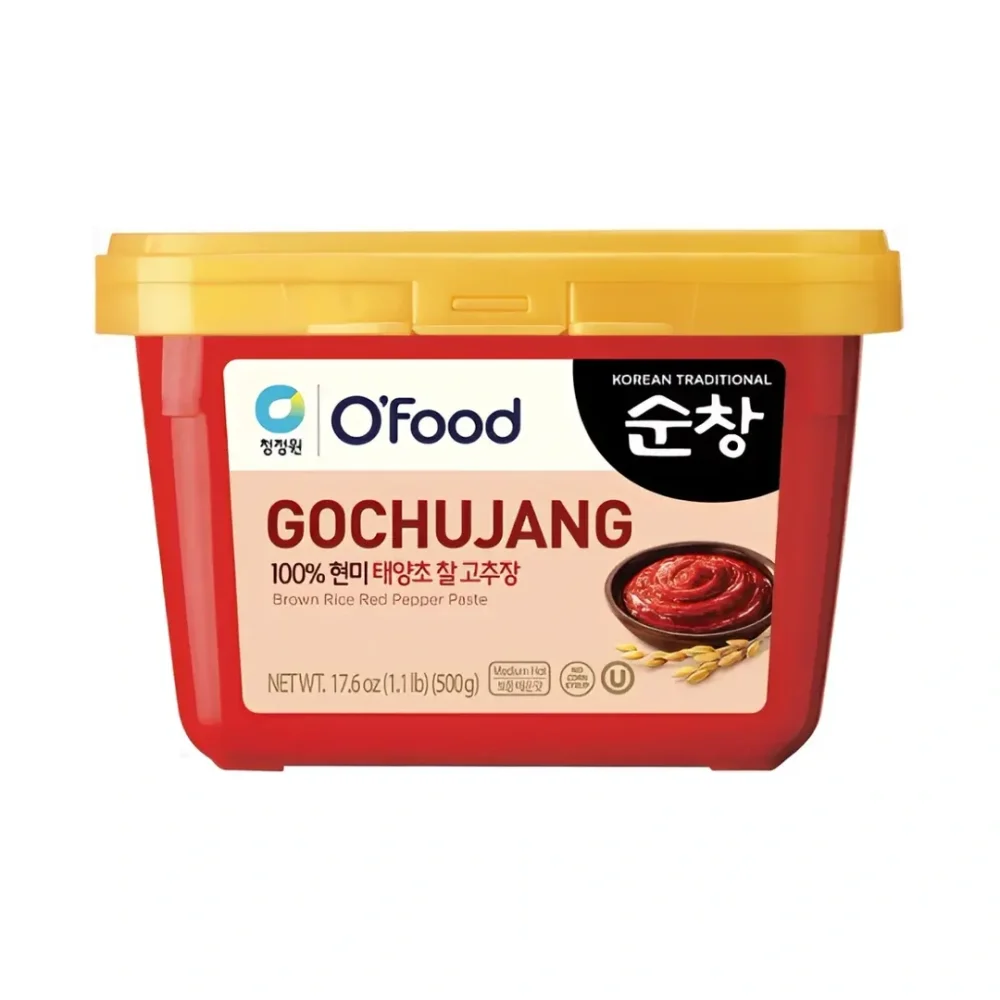
In Korean cooking, fermented pastes and sauces (jang) are a backbone part of flavor. If you want to understand how fermented paste works in a sauce or marinade, you can pick O’Food Korean gochujang paste. Treat it as a concentrated component: start with small doses, mix in sauce, and adjust gradually. These pastes often provide 'depth' besides spiciness, something pure chili doesn’t give.
5) Ferments work best in balance: umami needs contrast
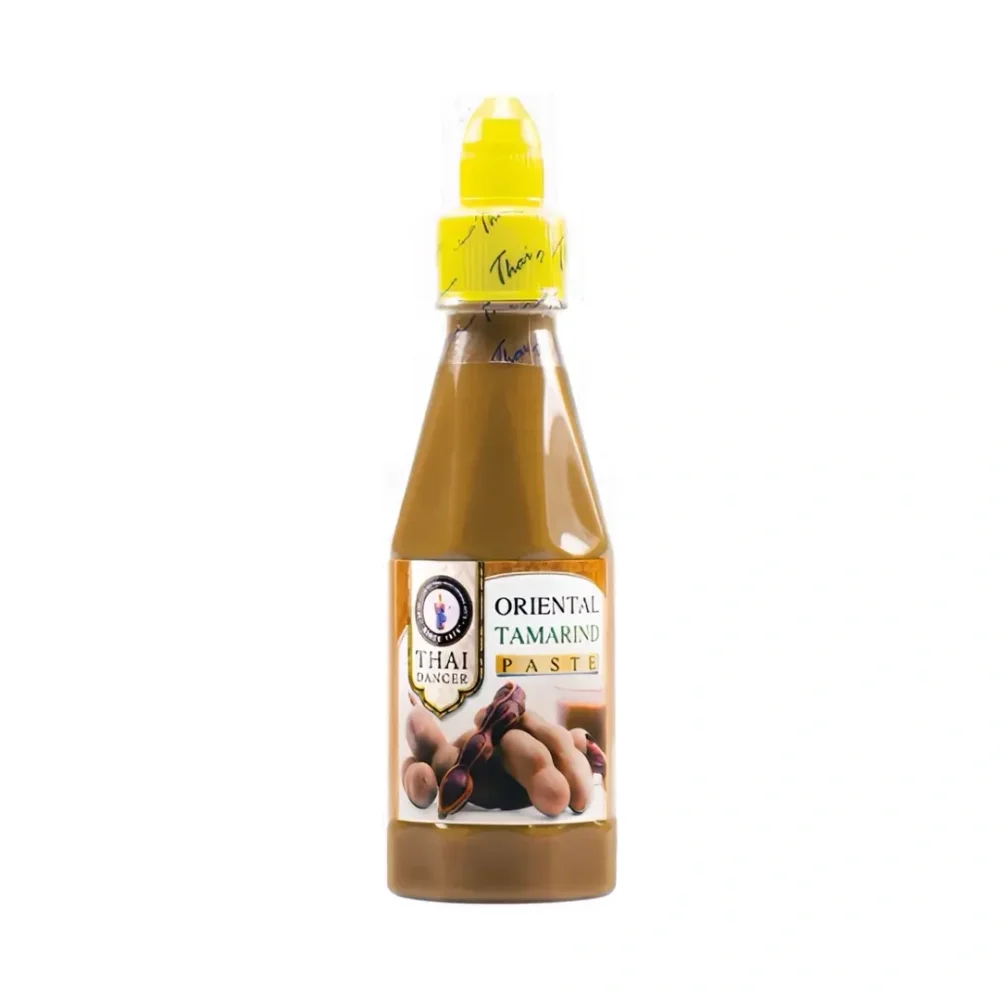
Fermented umami and saltiness in food often shine most when opposed by contrast – typically acidity. In Asian cooking, tamarind can play this role. If you want a simple tool for sweet-sour balancing of sauces, you use Thai Dancer tamarind paste. It’s not a 'ferment,' but in practice it helps fermented seasoning not to feel heavy and flat.
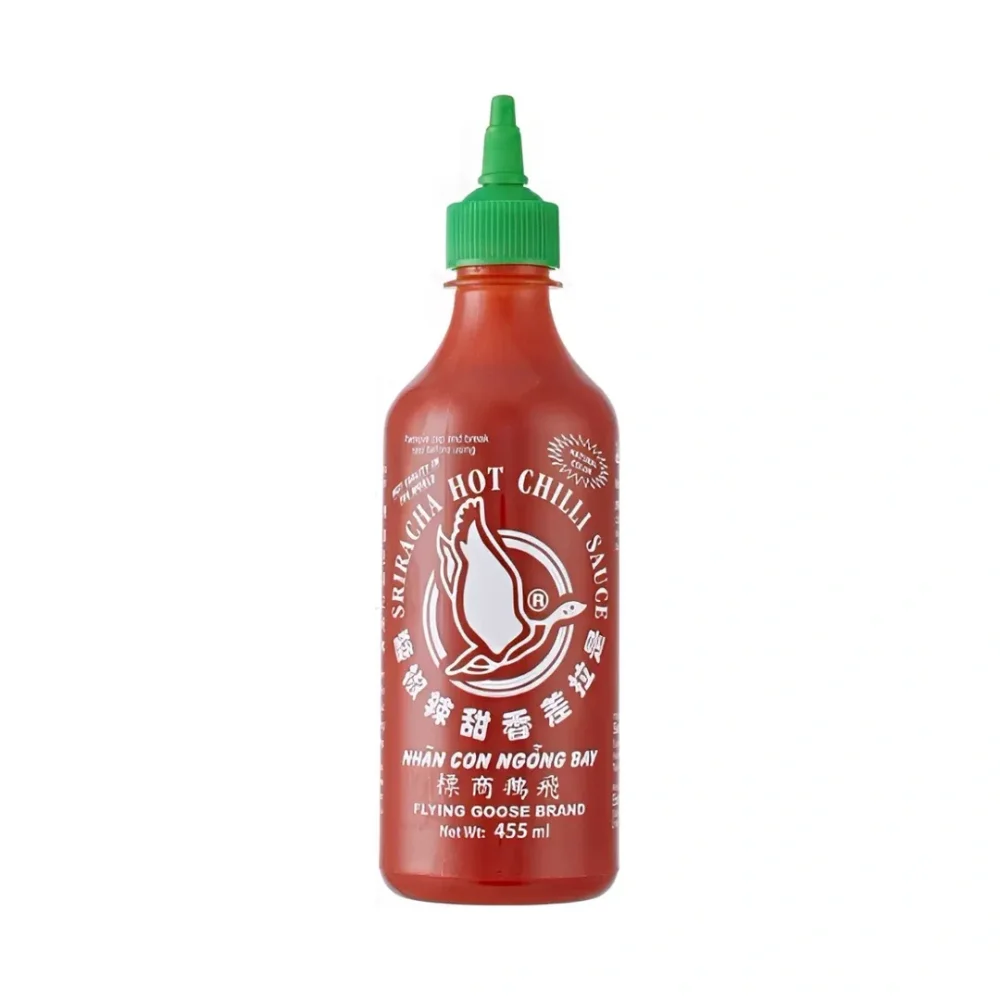
And if you want to leave part of the seasoning 'on the plate', chili seasoning can work too, dosed by each individual – for example Sriracha Flying Goose.
6) Watch the temperature with miso: finer nuances are delicate
Miso is a great textbook example that a ferment is not just a 'salty cream'. It gives umami and depth, but overheated or improperly used miso loses finer nuances. Practically this means: be aware there is a difference between miso for soup and miso for more pronounced dishes, and treat it more gently while cooking than, for example, soy sauce.
Common mistakes and misconceptions of beginners (and how to avoid them)
Misleading expectation: 'if it’s fermented, it’s automatically probiotic'
With ferments it’s wiser to keep a sober language. Fermented foods can contain live microorganisms and some can be sources of live cultures, but not every fermented food is automatically probiotic. In the kitchen, it is safer (and more useful) to think of fermentation as flavor, texture, and technique.
"I'll put a lot, so it can be felt"
Fermented sauces and pastes are not spices that you "sprinkle by eye." Often they are concentrates: a few drops, a teaspoon or a small spoon can transform the whole dish. If your first attempt seems overdone, start the next cooking with half the amount and add while tasting.
Starting with extremes and then thinking "fermentation is not for me"
Some ferments are really intense and tend to be an "acquired taste" (typically natto, some shrimp pastes, or very old ferments). That doesn't mean they are bad – they often just require context, the right dish, and repetition. For the first step, it is better to start with miso, soy sauce, kimchi, or fish sauce and only then try more pronounced things.
Overheating miso and expecting the same effect as soy sauce
Miso should not be understood only as a salty paste. If you use it with "brute force," you lose some of the finer tones. Even within one category there are differences: milder and sweeter styles versus darker and more robust, miso for soup versus miso for more pronounced dishes.
Ignoring that seasonings lose character due to poor storage
Even good sauces and pastes lose character over time if left for too long exposed to light and heat. It is not about perfectionism – it's about the fact that fermented bases often have delicate aromatic nuances that unnecessarily disappear when you treat them like an "immortal" bottle in the corner of the counter.
What to take away from the article
- Fermentation is a family of processes (bacteria, yeasts, molds) and in the kitchen the main thing is the result: umami, acidity, aroma, texture.
- Fermented ≠ automatically probiotic; health expectations are better separated from culinary function.
- In Asian cooking, ferments often function as concentrated seasoning: small dose, big effect.
- For starters, it is most practical to choose one ferment (miso, soy sauce, kimchi, fish sauce, tempeh) and learn to use it by teaspoons and drops.
- Expect that some ferments are an acquired taste – and it is normal to develop a taste for them only over time.

Read next
If you want to explore this topic further, continue with these related blog guides and articles:
