


 Česky (CZK)
 Slovensky (EUR)
 Deutsch (EUR)
 Austria
 Belgium
 Bulgaria
 Croatia
 Denmark
 Estonia
 Finland
 France
 Germany
 Greece
 Hungary
 Italy
Italy Latvia
 Lithuania
 Luxembourg
 Netherlands
 Poland
 Portugal
 Romania
 Slovenia
 Spain
Spain Sweden










Local customs, ingredients, and climate in the kitchen: why the "same food" tastes different every time in Asia
In Asian cooking, you often don’t find a "secret ingredient" but a logic of the place: what can be grown, what can be preserved for a long time, what ingredients the sea or river brings, what flavors develop through fermentation, and how cultural rules and urban rhythms influence dishes. This article shows how to read these contexts – and how to practically apply them at home so you choose the right ingredients and cook with greater confidence.
🍳 What exactly does "local customs, ingredients, and climate" mean in the kitchen
Asian cuisine is not one universal flavor. It is a network of regional styles that developed under different conditions – and these conditions explain why basic ingredients, typical techniques, and what people consider "everyday food" differ.
For orientation, it makes sense to look at several major influences that recur across Asia:
- climate and agriculture (what grows, what is cheap and available, what can be stored),
- water and geography (sea, rivers, islands vs. inland),
- cultural rules (religion, family customs, holidays, attitude to meat),
- trade, migration, and urban life (what was "imported" into the kitchen and how it came alive in markets and street food).
If you ignore these contexts, you can manage individual recipes, but you’re likely to miss why exactly a certain ingredient is used, why it is cut in a certain way, or why a flavor is based on fermentation, broth, spices, or coconut.
Climate and agriculture: the rice world and the wheat world
One of the strongest "invisible" drivers of cuisine is climate. It determines what can be grown and what is naturally at hand – and typical meal structures follow from this.
Humid and warm areas: rice, coconut, herbs, and a lighter logic of dishes
In warm and humid areas, rice, coconut palms, tropical fruits, aromatic herbs, and fast-growing vegetables thrive. Coastal zones also feature a strong role of fish and seafood.
In practice, these cuisines often feel:
- rice-based (rice, rice noodles),
- fresh and herbal,
- more sour (sour elements as an important balance),
- lighter (quick techniques, shorter cooking times, a "cleaner" impression).
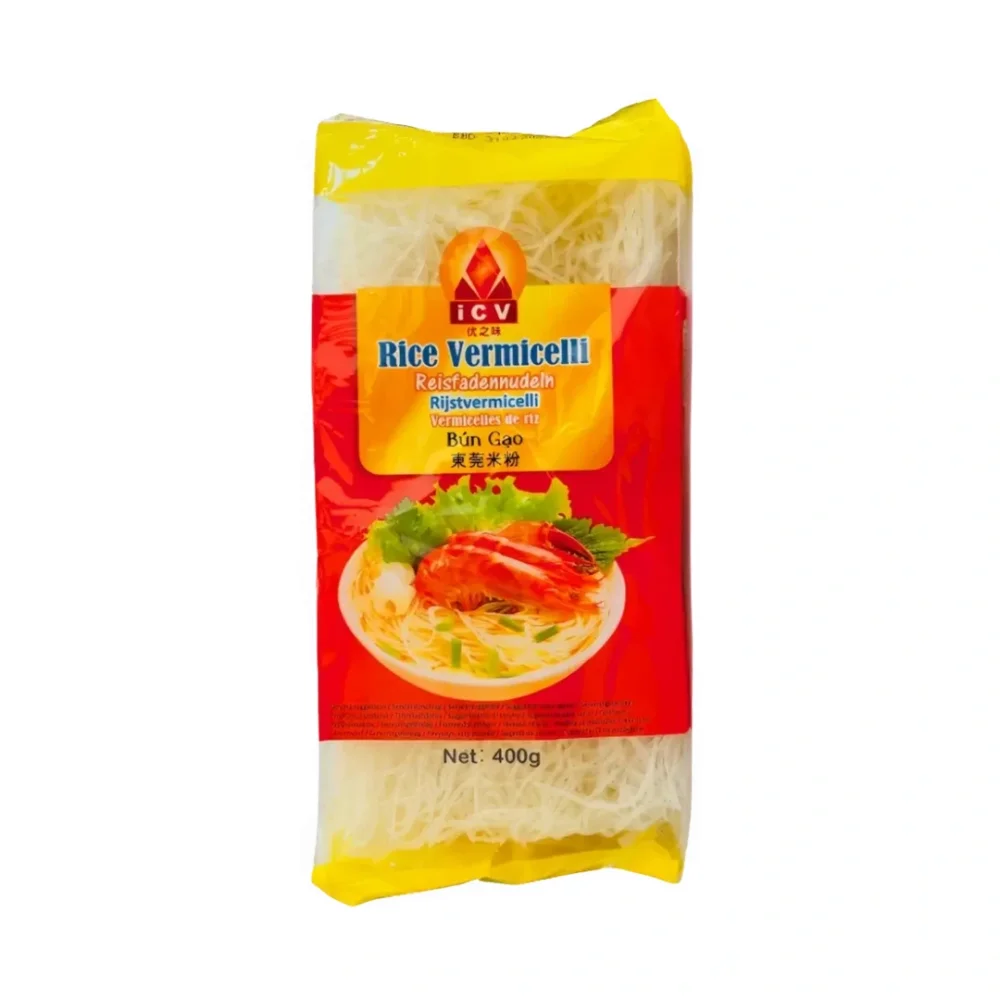
As a practical symbol of the "rice world" you can imagine rice noodles – for example rice vermicelli noodles – which suit quick dishes, soups, and salads and typically carry sauce and aroma well.
Drier, cooler, or more northern areas: wheat, legumes, meat, and broths
In drier and cooler regions, wheat, millet, barley, legumes, meat, root vegetables, and generally more durable ingredients play a bigger role. Correspondingly, the logic of the dishes is more "wintry": heartier meals, more emphasis on broths, noodles, and bread sides, and also techniques that make sense from a preservation perspective.
It is useful to realize that the difference is not just "rice vs. wheat" as a side. Often it's a whole package of connected things: different dough products, different thickening methods, a different cooking rhythm, and different types of comfort food.
Sea, rivers, and islands: why coastal tastes differ from inland
Geography is a huge flavor crossroads in Asia. Coastal and island cuisines are naturally linked with fish, seafood, fermented fish bases, and often coconut. Inland areas more often rely on grains, meat, legumes, and preservation techniques.
This is reflected very concretely in what builds saltiness and umami:
- in coastal and island styles you often find fermented marine bases,
- while inland, more often you have grains, meat, broths and related techniques.
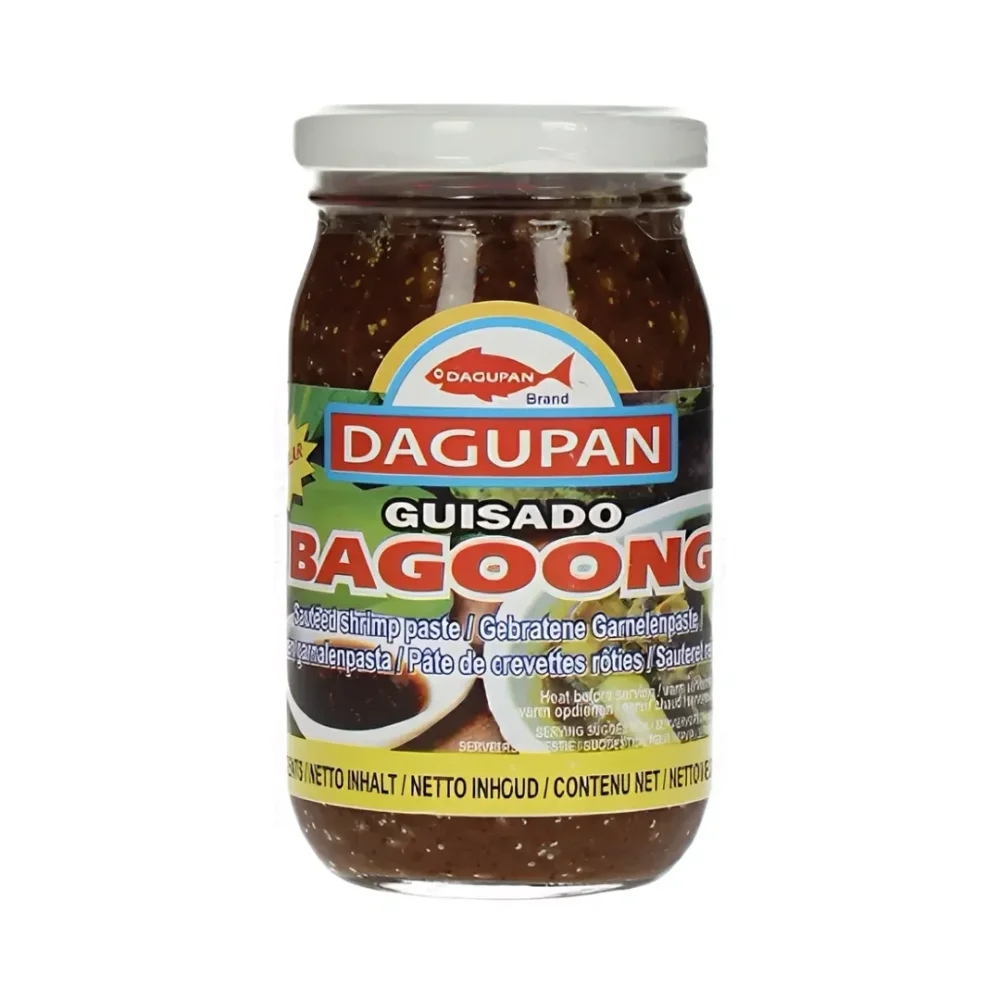
An intense example of a marine fermented base can be fried shrimp paste: flavor-wise it is strong, salty, and umami, and precisely because of that it is typically used in small amounts – more like a "key" to flavor than as a bulk ingredient.
Fermentation as a regional divider: soy, fish, batters, and pickles
Fermentation is extremely important in Asia, but every region handles it differently. For cooks, this is not theory – fermentation directly determines whether a dish feels more "umami and fermented" or "spicy and fresh."
East Asia: soy sauces, miso, "jang," and fermented vegetables
In East Asia (typically China, Japan, Korea, Taiwan), fermented soy and related products play a strong role: soy sauces, miso, various "jang" pastes, kimchi, and other fermented vegetables and pastes. Often, emphasis is added on broths, noodles, sides, and texture work – and umami is often one of the main pillars.
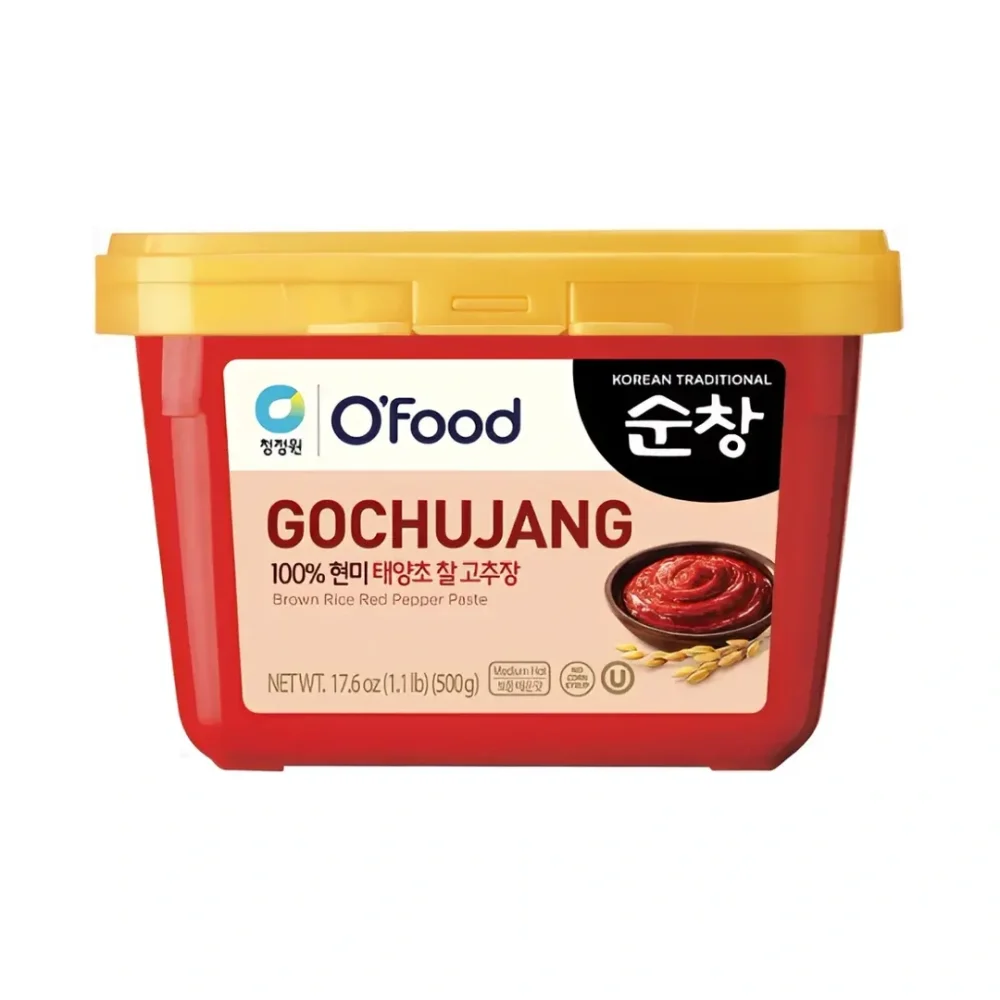
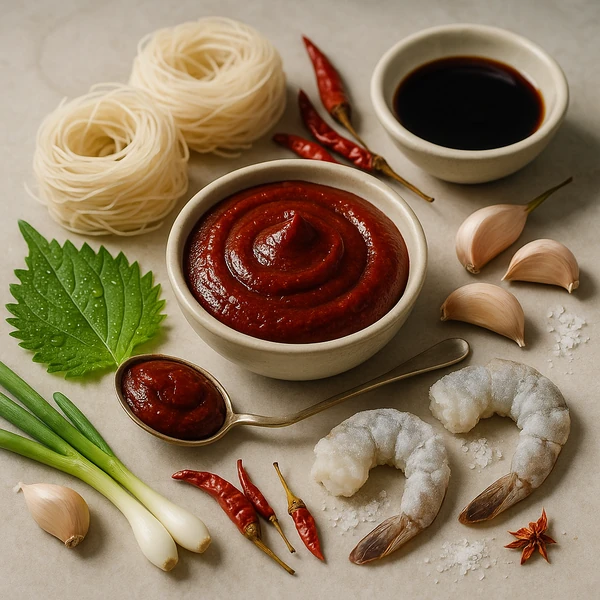
A practical example of the Korean fermented direction is gochujang (Korean fermented chili paste). If you want to taste this type of profile in the kitchen but keep intensity under control, it makes sense to work with small amounts – for example with gochujang paste as a concentrated seasoning for sauces, soups, or marinades.
Southeast Asia: fish sauces, shrimp pastes, sambals, and pickles
In Southeast Asia, fermented bases are often marine origin: fish sauces, shrimp pastes, sambals with a fermented component, pickles, and other seasonings. Alongside this, fresh herbal notes and work with sour components (which give dishes a different "pull" than vinegar sourness) are typical.
South Asia: fermented batter (dosa, idli), pickles, and local fermented worlds
On the Indian subcontinent, fermentation appears significantly in batters for dosa and idli, pickles, and other local products. Besides fermentation, seasoning logic often dominates: dishes stand on blends and pastes that quickly provide an aromatic framework.
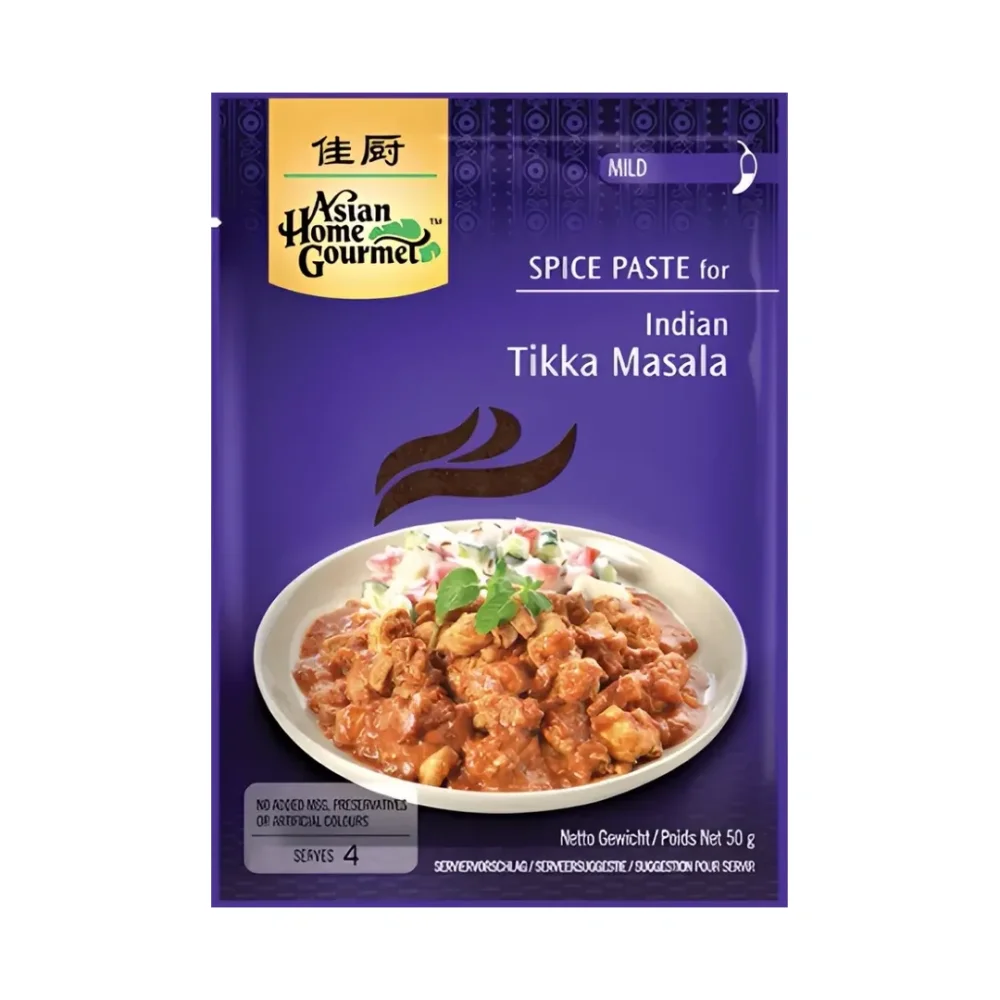
As a practical "shortcut" into this aromatic logic, seasoning pastes can work – for example tikka masala paste. It is important to understand it as a seasoned product (with a specific profile), not as a universal base for everything.
Cultural rules and urban rhythm: what is eaten, when it is eaten, and where you learn it fastest
Religion, ethics, and family customs
Food in Asia is strongly shaped by Buddhist, Hindu, Muslim, Christian, and local traditions. This is reflected not only in lists of "forbidden" and "allowed" ingredients but also in how meat is thought of, which ingredients are festive, how everyday family dining looks, and the role of ritual and calendar (fasts, festivals, symbols of abundance).
Street food and hawker culture: the regional style concentrated into a few bites
In many parts of Asia, regional style is inseparable from the city and its street food. This is especially true for Singapore and Malaysia, Vietnam, Taiwan, Thailand, Indonesia, or India. Stalls, hawker centers, and night markets often:
- concentrate local specialties,
- keep regional recipes in everyday operation,
- make food part of the urban rhythm,
- and create the identity of a neighborhood or city.
For home orientation, this is a useful tool: if you want to understand a region, it is often faster to look at what is eaten "on the street" (quickly, repeatedly, in large quantities) than to start with "festive" dishes.
🍳 How to cook these contexts at home: choosing ingredients and preparation that matter
The biggest jump in home cooking usually doesn’t come from buying an exotic ingredient, but from setting the right way of thinking: choosing the right type of ingredient for a specific use and preparing everything in advance so that quick cooking stays precise.
1) Start with the region (not the "Asian shelf") and choose one flavor logic
A practical onboarding might look like this:
- East Asia: work with fermented soy bases and broths; train umami and textures (e.g., stir-frying, short cooking, broth dishes).
- Southeast Asia: focus on herbs, sourness, and fermented marine bases; the goal is a "fresher" profile where saltiness and umami often come from fermentation.
- South Asia: concentrate on seasoning frames and sauce logics that rely on blends and pastes.
If you buy gochujang, shrimp paste, and several Indian pastes in one week, you often end up feeling that "everything tastes somehow weird." Not because it is wrong – but because you mixed different regional languages.
2) Read labels and watch for the difference between "base" and "seasoned product"
Many Asian ingredients exist in two modes: either as a basic building block or as already seasoned, sweetened, or thickened product. This is a fundamental difference for cooking.
- Base gives you control (you can build the flavor yourself, repeatedly and precisely).
- Seasoned product is practical but you have to consider it as a finished profile (and not add other "finished" things to it thoughtlessly).
A typical example of seasoning for quick dishes is oyster sauce. If you use it as one of the main umami carriers in the pan, you often don’t need to add many other strong salty components. For home cooking in stir-fry style, a good representative can be oyster sauce (typically works as an umami "glue" that links meat/vegetables and sides).

3) Mise en place the Asian way: cutting, order, and dry surface
In many Asian kitchens, the result is not decided on the stove but before, on the cutting board. In fast cooking (wok, stir-fry, quick noodles, fried rice), there is no time to look for ingredients or start cutting. If preparation is underestimated, it easily happens that the aroma burns before the rest is done, or everything starts to steam in its own juice instead of stir-frying.
What to watch practically:
- Uniformity of cut – so everything cooks at a similar speed.
- Shape according to technique – thin cuts for quick stir-frying, larger pieces for stewing/baking, small cubes where everything is mixed.
- Moisture of the surface – after washing, dry some ingredients (excess water in the wok is a common cause of "steamed" results).
- Prepare sauces and starch ahead – always dissolve starch before you start cooking.
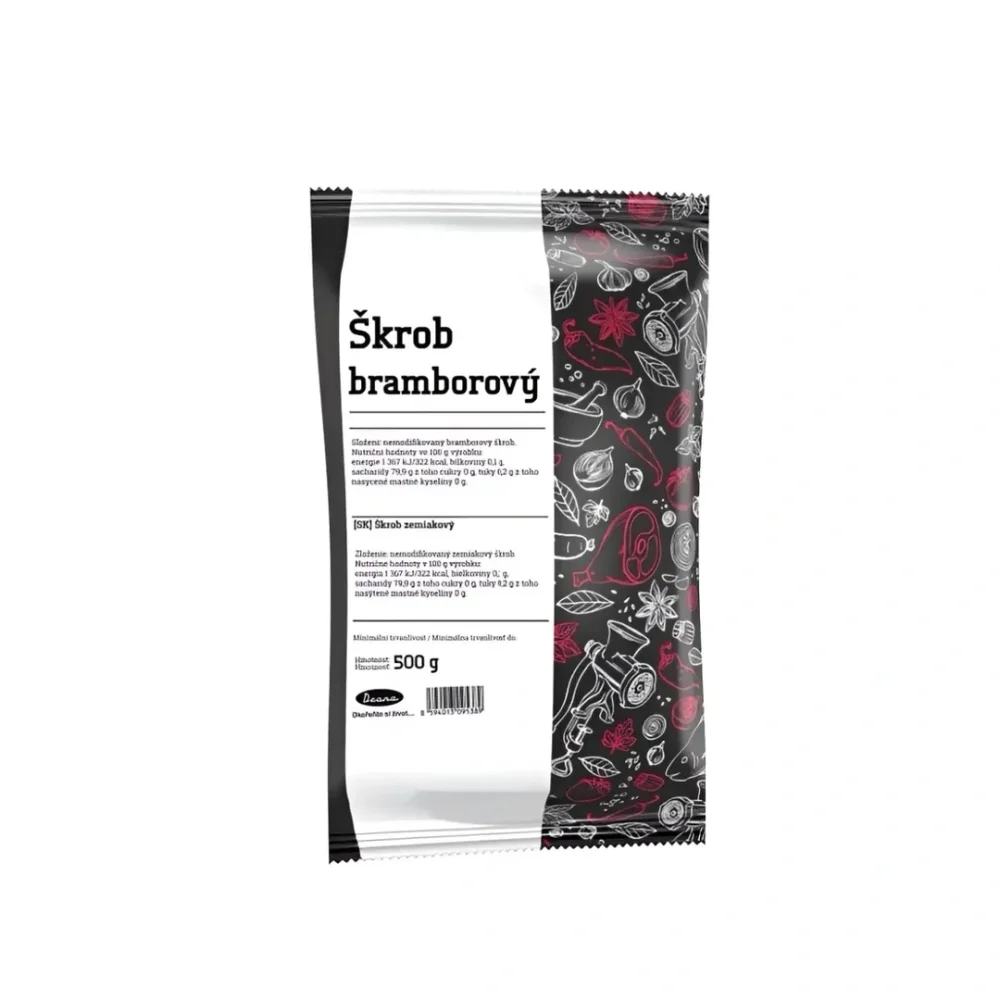
For thickening and a "velvety" feel in the sauce, timing and starch mixing are especially important. At home, you can use commonly available starch – for example potato starch – and prepare it separately so it goes into the pan quickly and lump-free.
🍳 4) Dosing strong flavors: start with a small amount and build gradually
Some ingredients are flavor-concentrated (fermented pastes, marine bases). For them, a safer rule is: start with a small amount, stir, taste, add more. This applies to gochujang, shrimp pastes, or strong umami sauces alike.
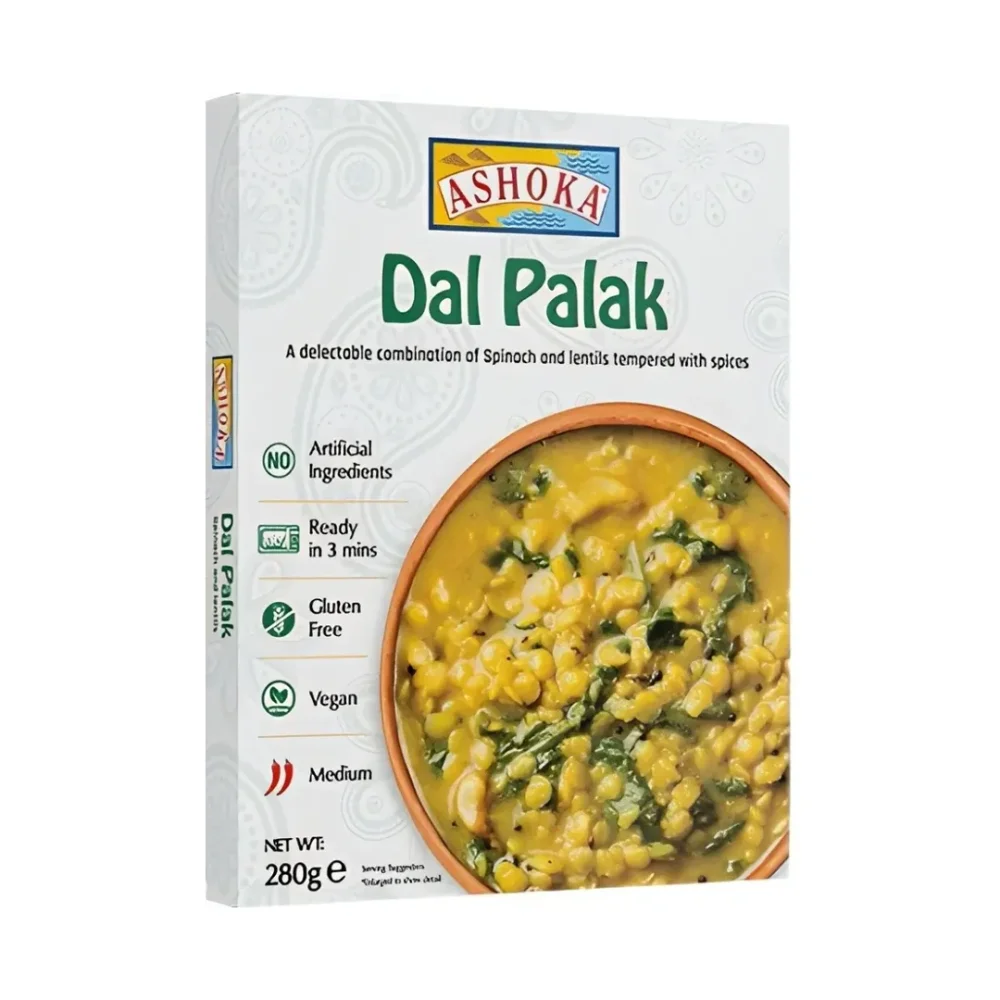
If you want a quick, finished Indian style without complex tuning, there are also ready meals that show regional logic (legumes, sauciness, heartiness). An example can be instant dal palak – good, for example, as a tasting of how the combination of legumes and sauce can work in an "everyday" dish.
Most common misconceptions and unnecessary disappointments
- "Asian cuisine is one." It isn’t. If you mix different regional bases, you often get not "fusion" but chaos.
- "The only difference is that some places are spicier." Differences go through climate, crops, broth, fermentation, fat, texture, and dining style – spiciness is just one variable.
- "Street food is less important than home cooking." In many cities, street food is the main bearer of identity and regional style.
- "Traditional cuisines are static." They are not – they developed also thanks to migration, trade, and cultural contact.
- "When I know the recipe, I know the cuisine." Without context (climate, ingredients, customs), the meaning of ingredients and procedures can easily be lost.
- A practical mistake in the kitchen: everything goes straight into the pan. For quick techniques, preparation in advance (mise en place), drying ingredients, and proper cutting are often more important than the "right sauce."
What to take away from the article
- Climate and agriculture determine what naturally forms the basis of the cuisine (tropical rice world vs. drier wheat world) – and thus the style of dishes.
- Coastal areas and islands often base flavors on seafood and fermented foundations, while inland areas more often focus on grains, meat, legumes, and preservation techniques.
- Fermentation is a key regional "signature": East Asia (soy, miso, yang, kimchi), Southeast Asia (fish sauces, shrimp pastes, sambals, pickles), South Asia (fermented batters for dosa/idli, pickles, and other local directions).
- Cultural rules and urban street food are not marginal – they often explain what is eaten, why it is eaten, and how regional style is maintained in practice.
- For success at home, it is essential to choose the right type of ingredient for specific use and not underestimate preparation: cutting, order, drying, and mise en place.

Read next
If you want to explore this topic further, continue with these related blog guides and articles:
