


 Česky (CZK)
 Slovensky (EUR)
 Deutsch (EUR)
 Austria
 Belgium
 Bulgaria
 Croatia
 Denmark
 Estonia
 Finland
 France
 Germany
 Greece
 Hungary
 Italy
Italy Latvia
 Lithuania
 Luxembourg
 Netherlands
 Poland
 Portugal
 Romania
 Slovenia
 Spain
Spain Sweden










Typical Korean ingredients: how to understand “jang”, chili, and fermented bases
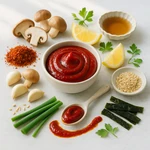
Korean cuisine is not just "spicy and kimchi." It is built on a thoughtful use of fermented bases, contrasts of flavors, and the harmony of rice, soup, and several smaller side dishes at the table. In this guide, you will clarify which ingredients make the Korean flavor Korean, what functions they have in the food, and how to select and use them at home without unnecessary mistakes.
🍜 1) Why it makes sense to address Korean ingredients (and not just look for a recipe)
When learning to cook Korean, the biggest progress often doesn’t come from "another recipe" but from understanding several key ingredients and what they do in a dish. Korean cuisine is precise in balancing flavors, temperatures, and textures: it works with contrasts between fresh and fermented, mild and spicy, hot and cold, crunchy and soft.
Once you know which ingredients carry saltiness and umami, which add acidity and freshness, and which provide spiciness and aroma, you can repeatedly build "Korean-style" dishes at home even without complicated procedures. The point is not to buy dozens of items at once but to create a functional base that allows stable cooking without disappointment.
🍜 2) What do “typical Korean ingredients” really mean
In Korean dining, it usually isn’t about just one isolated dish. It makes sense to think of a meal as a whole: at the table there is usually the main dish or a more prominent component, along with rice, soup and several banchan (side dishes). It is precisely the side dishes and fermented components that often turn an "ordinary" meal into a typically Korean experience.
“Typical ingredients” are therefore not just a list of exotic names. Rather, they represent a recurring set of building blocks:
- fermented bases, which carry saltiness and umami,
- fermented and pickled side dishes (typically kimchi), which add acidity and freshness and also "fermented umami",
- chili (not only for spiciness but also for flavor and color),
- the method of preparation and cutting, which influences texture and the overall impression more than it seems at first glance.
3) Main groups of Korean ingredients and how they differ
Kimchi: acidity, freshness, and fermented umami in one “side dish”
Kimchi is a key element in Korean cuisine and also a frequent source of misunderstanding: it is not just "spicy vegetables." In a typical Korean dish, kimchi often serves as a side dish, adds acidity and freshness and at the same time carries fermented umami. This is exactly what home cooking often lacks when trying to imitate Korean flavor with just chili sauce.
“Jang”: the heart of the Korean pantry (and why not all pastes are the same)
In Korean cuisine, you often encounter the term jang – fermented bases that form the flavor core of many dishes. In practice, four types are especially mentioned: doenjang, ganjang, gochujang and ssamjang.
For home practice, it is crucial to understand one thing: even though products may look similar (paste/sauce in a container), their kitchen roles can differ fundamentally. A simple question helps: is it a base or an already seasoned product?
- Basic product serves as the building block of flavor (final flavor is built up with other ingredients and dosage).
- Seasoned product is a mixture intended for quick use (flavor is already "set" and often strong).
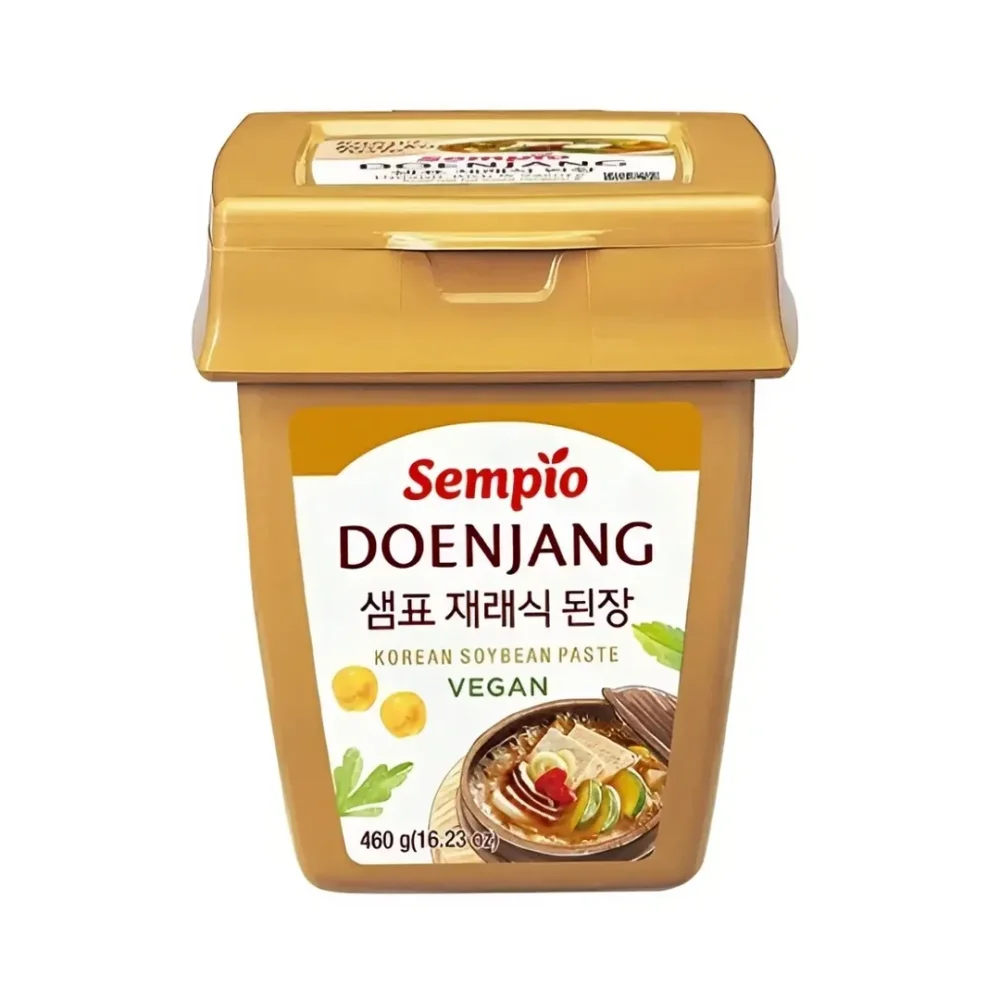
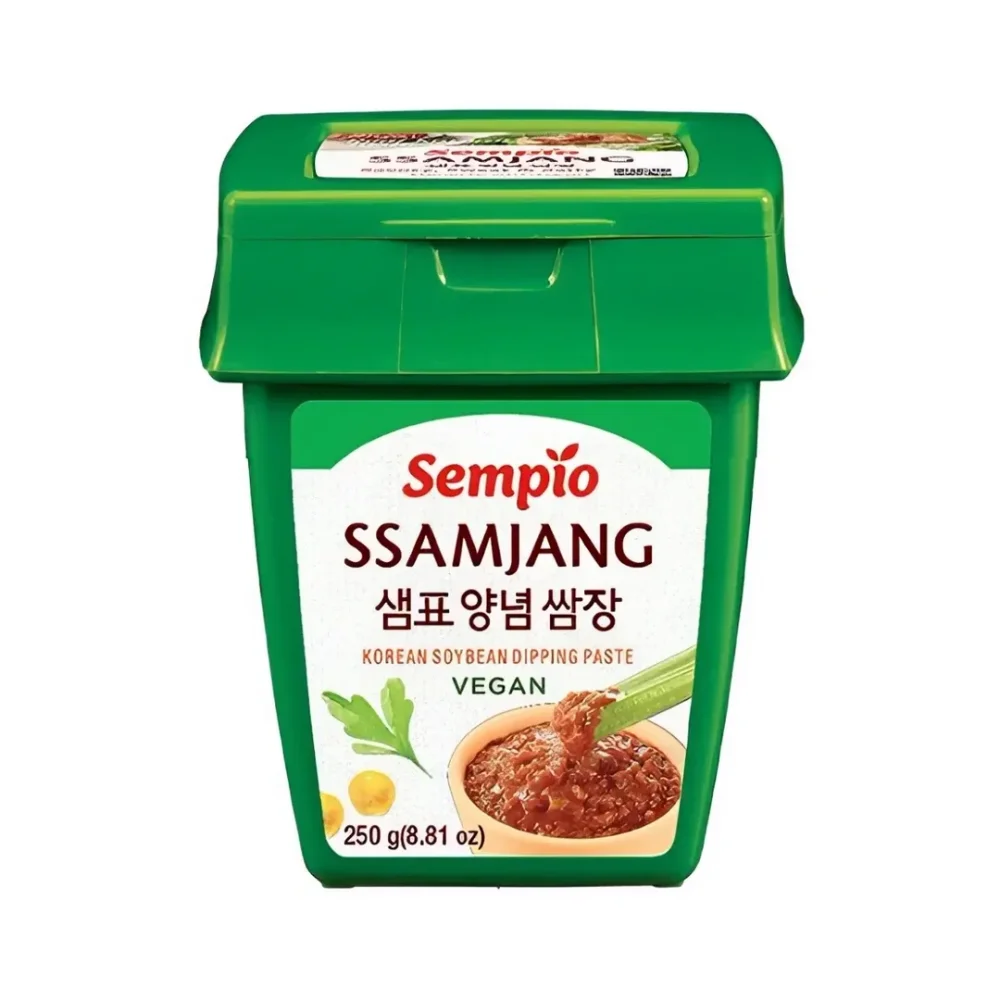
As an example of basic fermented pastes you can imagine Sempio Doenjang soy paste. Conversely, Sempio Ssamjang soy paste is a typical example of a seasoned paste (a flavor-intense mixture) that behaves differently than a "pure base."
Korean-style chili: flavor and texture, not just spiciness
Korean cuisine can feel bold, but “spicy” is not automatically the same as “Korean.” With chili, the flavor profile and texturealso matter.
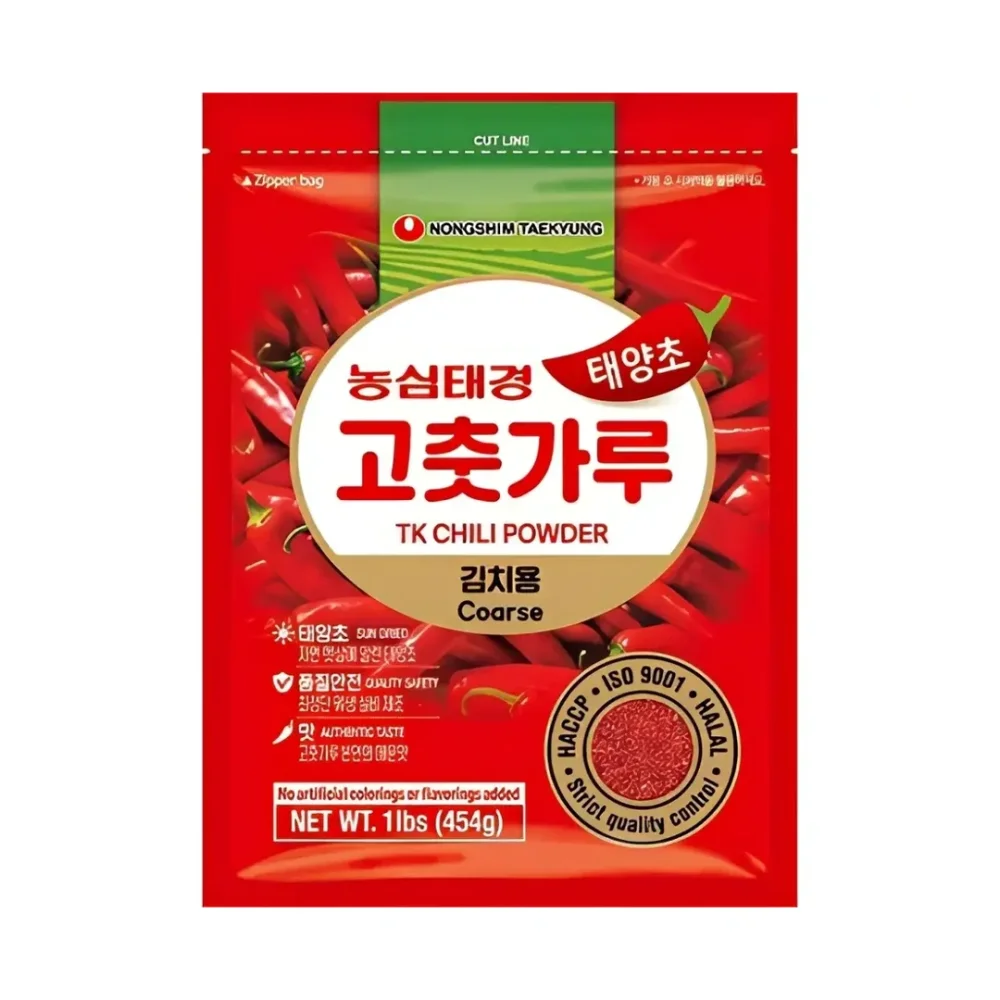
A typical example is coarsely ground chili pepper gochugaru: besides medium spiciness it adds a pronounced paprikalike flavor and grainy texture to sauces, marinades, and soups. This is a detail that common finely ground chili often can’t replace.
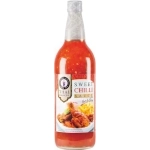
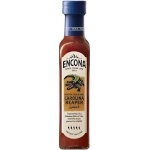
If you use different types of chili sauces at home, it helps not to categorize them just by "spicy/not spicy" but by their role: some are meant for the table, others form the sauce base, and others function more as a final seasoning. For quick orientation, a chili sauce map and separately also hot chili sauces can be useful (helpful when you look for intensity – but don’t want to lose the flavor direction).
Umami beyond fermentation: dried mushrooms as a practical helper
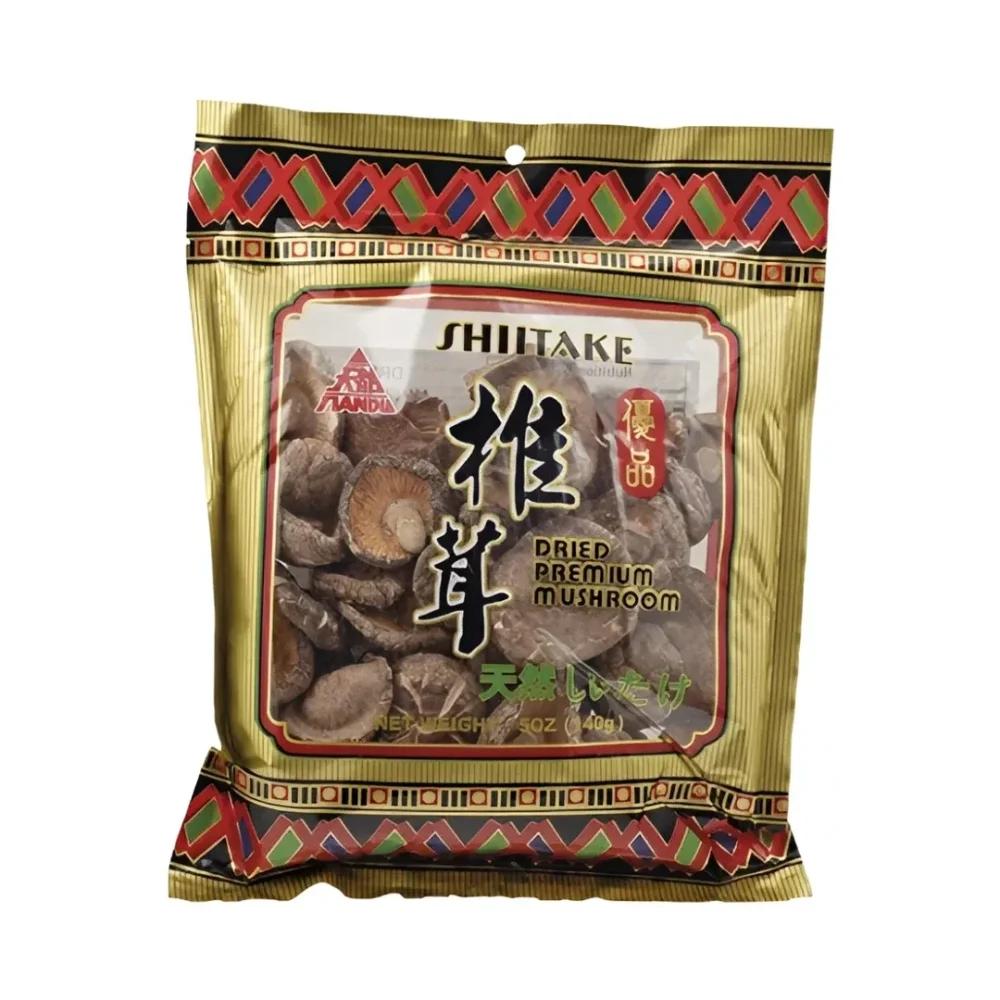
Not every umami ingredient is "exclusively Korean," but some prove so useful in Asian cooking that they make sense even in Korean-inspired dishes. A typical example is dried mushrooms: a small amount can give the dish a fuller flavor.
Practically, one can reach for dried shiitake. Consider them as a "boost" to fermented bases, not as a replacement: the Korean character usually mainly stands on jang and fermented side dishes.
🍜 4) How to select and use Korean ingredients in practice (concretely, without vague advice)
Step 1: Think “functionally” – what you need to complement in the dish
In the Asian pantry, a simple functional division works well: saltiness and umami, acidity, sweetness, spiciness, fat and aroma. Korean dishes often stand precisely on the combination of fermented umami (jang, kimchi) and spiciness/depth of flavor from chili.
A practical question when cooking is: "What is it missing?"
- When a dish is "flat," it often lacks umami (fermented base) or time for flavors to meld.
- When a dish is "heavy," acidity and freshness often lift it (typically in the form of side dishes like kimchi).
- When a dish is "bland," chili with flavorcan help, not just spicy "heat."
Step 2: Always read the label – and watch whether you buy a base or a blend
One of the most common causes of disappointment in home Asian cooking is not "bad ingredients" but choosing the wrong type for the intended use. So the simple rule applies: always read the label and check whether it is a pure base or already a flavored blend.
Specifically: ssamjang is often flavor-intense and "set" for quick use. If you use it as a universal base in large amounts, it easily overwhelms the rest of the dish. Conversely, in small doses, it can work as a very quick flavor lever. For comparison, try to imagine side by side doenjang (base) and ssamjang (blend intended for quick seasoning).
Step 3: Start with small doses and adjust step-by-step (to avoid over-salting or “over-spicing”)
With fermented pastes and chili, it’s good to add gradually and taste:
- Gochugaru (chili flakes): better to start with a small amount (typically a pinch to about half a teaspoon per serving depending on your accustomed level) and add after a while. Gochugaru not only affects spiciness but also texture, so it’s better not to overdo it the first time. gochugaru also changes texture, so better not to overshoot it right away.
- Doenjang (fermented base): treat it as a foundation of saltiness and umami. A safe approach is to add a small amount, mix well, taste, and only then add more, if needed. (This is especially true for dishes that already have several salty components.)
- Ssamjang (seasoned blend): use more like a dip or final seasoning. A practical start is to mix a small amount into a sauce, taste, and then add more.
- Dried shiitake: a small amount is enough to "lift" the flavor. When added as a supporting umami layer, they help mainly where a dish lacks depth (broths, soups, sauces).
Step 4: Don’t underestimate ingredient preparation – the result is often decided already on the cutting board
In Asian cooking, the outcome often isn’t decided at the stove but before, on the cutting board. Size and shape of cuts change structure and how the sauce "clings" to the ingredient. If you want to approximate Korean style at home, it’s worth:
- cutting pieces similarly sized so everything heats evenly,
- choosing thinner cuts and smaller pieces for quick cooking,
- preparing everything in advance (mise en place) – then the sauce won’t burn and the ingredients won’t soften earlier than desired.
💡 5) Most common mistakes and what to watch out for
Mistake #1: “Korean = as spicy as possible”
Korean cuisine is often bold, but its typicality does not rest only on spiciness. The key is working with fermented bases and contrasts. If you add only chili “by force,” you may end up with a simple spicy taste without depth.
Mistake #2: Confusing chili types and expecting the same result
Not every chili behaves the same. Gochugaru has, besides spiciness, a paprikalike flavor and grainy texture. If you replace it with a completely different chili type, the color, aroma, and how the sauce "fits" the ingredient may change. If you want a Korean result, chili type is often more important than just its spiciness.
Mistake #3: Mixing “base” and “finished mixture”
Seasoned pastes and sauces are great, but you need to know what to expect from them. Ssamjang is typically already flavored and strong – if you make it the main volume of the sauce, it can easily overpower the rest of the dish. Conversely, doenjang is a "building block," with which the flavor is adjusted gradually.
Mistake #4: Random mixing of styles – similar format, different flavor logic
In stores, you often find pastes that look similar (containers with paste), but target a completely different flavor world. For example, green curry paste is an aromatic mix with chili, lemongrass, and galangal – great for curry style, but not a direct substitute for Korean fermented pastes if you want a typical Korean profile.
Mistake #5: Underestimating preparation – "I’ll just cut it somehow"
Poorly chosen piece size and chaotic preparation can ruin even a well-chosen sauce. When some ingredients overcook and some remain hard, the resulting texture will not meet what Korean dishes often promise (contrasts, precision, balance).
6) What to take away from the article
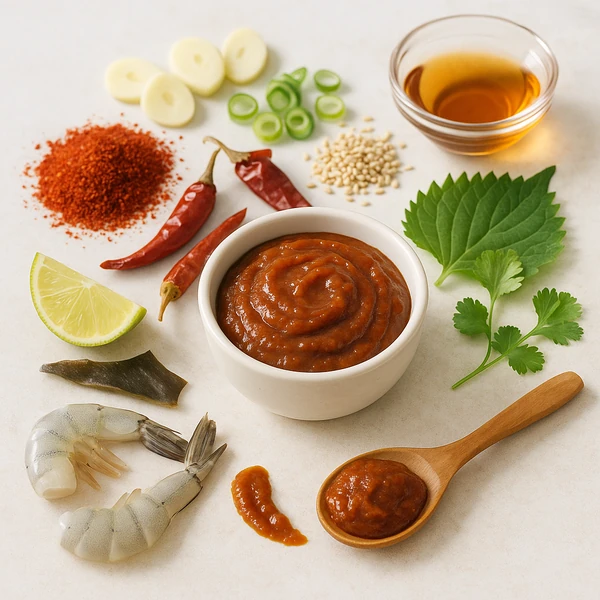
- Korean flavor is not just spiciness. It is based on contrasts and the thoughtful combination of fermented bases, acidity, and textures.
- Kimchi is more than “spicy vegetables.” It adds acidity and freshness to the dish, carries fermented umami, and often functions as a side dish that balances the rest of the table.
- Jang (fermented bases) are key – but in practice, mainly distinguish whether you buy a “base” (e.g., doenjang) or a seasoned blend (e.g., ssamjang).
- Choose chili by flavor and role, not just spiciness. Gochugaru adds typical flavor and texture, so it can’t be taken as “any chili.”
- Start with small doses and taste. With chili and fermented pastes, gradual adjustment pays off – avoiding over-salting and “over-spicing.”

Read next
If you want to explore this topic further, continue with these related blog guides and articles:
