

 Česky (CZK)
 Slovensky (EUR)
 Deutsch (EUR)
 Austria
 Belgium
 Bulgaria
 Croatia
 Denmark
 Estonia
 Finland
 France
 Germany
 Greece
 Hungary
 Italy
Italy Latvia
 Lithuania
 Luxembourg
 Netherlands
 Poland
 Portugal
 Romania
 Slovenia
 Spain
Spain Sweden










Almond oil
🌰 Almond oil: a gentle nutty finisher for salads and noodles
Almond oil is one of those oils that doesn’t shout, but changes the finish. It has a soft nutty aroma, a smooth texture, and it shines where you want an elegant final touch – in dressings, cold sauces, finished noodles, or as a light marinade base. Used smartly, a small amount can make a dish feel more “restaurant” right away.
🕰️ Origin and background: from almonds to a modern Asian pantry staple
Almonds are familiar across many cuisines, and almond oil has found its way into modern Asian cooking as a gentler alternative to bolder oils such as toasted sesame. It supports flavours without overpowering them, which works beautifully with lighter salads, tofu, fish, and cold noodles.
🧪 How it’s made, types and ingredients
Food-grade almond oil is made by pressing almonds and you’ll most commonly see these styles:
- 🥗 Pressed (more aromatic) best for cold dishes and finishing
- 🍳 Refined (more neutral) calmer flavour, usually better for gentle heat
The simplest ingredient list is ideal: 100% almond oil.
To compare options, browse Oils in the shop
👃 Flavour profile: subtly nutty, smooth, clean
- 🌰 subtle nuttiness rather than an intense roast
- 🧈 rounded, silky mouthfeel
- 🌿 clean finish
That’s why it works best as a finisher added at the very end.
🍳 How to use it: salad, stir-fry, oven and grill
- 🥗 dressings with soy sauce, vinegar and a touch of sweetness
- 🍜 noodles and cold salads a few drops after cooking lift the aroma
- 🔥 stir-fries add it near the end if you want the almond note
- 🧯 oven dishes drizzle after roasting to keep the fragrance
- 🍗 grill use cautiously in glazes, it often shines more in a finishing dressing
🫶 Health benefits
Almond oil is mainly a quality cooking fat. Practically, it helps because:
- its flavour means a smaller amount can be enough
- it can “finish” a dish without heavy sauces
- it pairs well with acidity for balanced dressings
⚠️ Note: it’s a nut product, so allergens matter.
✅ How to choose the right almond oil
- 🧾 look for a simple list: 100% almond oil
- 🌰 more aromatic for cold use, more neutral for everyday cooking
- 🕶️ darker packaging helps protect aroma
- 🧊 store away from light and preferably cool after opening
- 🔥 add late if you want the almond flavour to stay
🛒 Our pick
At Asian Food Shop it makes sense to choose a bottle that works for dressings, finishing and gentle cooking:
- KTC Almond oil 100% 500 ml a versatile option for noodles, salads and light marinades
🍜 Recipe: Korean-inspired Bibim Guksu cold noodles with almond oil
Bibim-style noodles are all about mixing everything so the sauce coats the noodles evenly. Almond oil adds a gentle nuttiness that rounds out the heat and lifts the aroma.
Ingredients
- rice noodles 200 g
- almond oil 1 tbsp
- soy sauce 1 1/2 tbsp
- vinegars 1 tbsp (rice vinegar works well)
- sugar 1 tsp
- gochujang 1–2 tbsp
- lime 1/2 (juice)
- garlic 1 clove
- cucumber 1/2
- carrot 1/2
- spring onion 2
- sesame 1 tbsp
- chilli flakes to taste (optional)
Method
- Cook the rice noodles according to the package instructions, rinse under cold water and drain well
- Mix gochujang, soy sauce, vinegar, sugar, lime juice, grated garlic and almond oil in a bowl
- Slice cucumber and carrot into thin matchsticks and spring onion into angled slices
- Toss the noodles with the sauce until evenly coated
- Top with vegetables, sprinkle with sesame and add chilli flakes if you like
- Serve right away or chill for 10 minutes so the flavours meld
✅ Tip: For an even silkier coating, add 1 tsp of water to the sauce and mix well.


Recommended products1
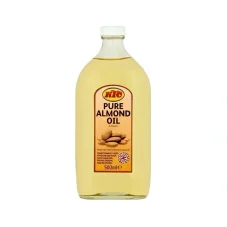

KTC Almond oil 100% 500 ml
Read next
If you want to continue with the same topic, here are more related articles to explore: