

 Česky (CZK)
 Slovensky (EUR)
 Deutsch (EUR)
 Austria
 Belgium
 Bulgaria
 Croatia
 Denmark
 Estonia
 Finland
 France
 Germany
 Greece
 Hungary
 Italy
Italy Latvia
 Lithuania
 Luxembourg
 Netherlands
 Poland
 Portugal
 Romania
 Slovenia
 Spain
Spain Sweden










Seasoning Ground Meat: How to Turn a Plain Base into a Fragrant, Flavorful Dish (Including Asian Styles)
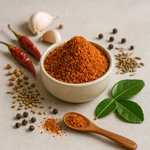
Why ground meat needs different seasoning than a steak
Ground meat has a huge surface area, and whatever you add gets distributed throughout. That’s great for even flavor—but it also means it’s easy to oversalt, overdo chili, or end up with a “muddy” spice mix where nothing stands out.
It also tends to lose aroma while cooking, especially in meatballs, patties, or baked dishes. The goal isn’t just “more spice”—it’s a clear structure: savory + aromatics + a signature spice note + contrast (acid, sweetness, or freshness).
Flavor building blocks that reliably work 🧄
Think of seasoning ground meat like assembling a small toolkit. You don’t need everything every time—pick a direction and keep it focused.
- Salt + umami: salt, soy sauce, fish sauce, miso, shrimp paste, bouillon, oyster sauce. These deepen flavor fast, but they stack—add gradually.
- Aromatics: garlic, ginger, scallion, shallot, lemongrass. These make ground meat smell “cooked with intention,” not just browned.
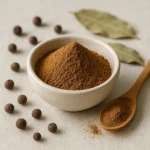
- Warm spices: cumin, coriander, allspice, five-spice, curry powder/paste. Use small amounts for clarity rather than a long list for complexity.
- Heat: chili flakes, fresh chili, black/white pepper, chili oil, chili sauces. Pepper adds aroma; chili adds heat; together they feel more three-dimensional.
- Sweetness (optional): sugar, honey, palm sugar, mirin. Helpful when using chili or strong fermented sauces.
- Acid and freshness: lime/lemon, rice vinegar, tamarind, herbs (cilantro, Thai basil, mint). This is what prevents “heavy” meat dishes.
When to add spices (and why it matters) 🍳
- Mix into raw meat for even seasoning: best for dumpling fillings, meatballs, patties. Let it rest 10–20 minutes so the aromatics and salt distribute.
- Bloom spices in fat for maximum aroma: for stir-fries and saucy dishes, briefly fry curry paste or dry spices in oil before adding meat. Keep the heat moderate—garlic and chili can turn bitter if scorched.
- Season in layers: add a base early (salt/umami + aromatics), then adjust at the end with acid, sweetness, or a finishing sauce.
- Do a “test bite”: pan-fry a small nugget or thin patty before cooking the whole batch. It’s the simplest way to avoid bland (or over-seasoned) results.
Pick your seasoning style by the dish 💡
- Stir-fry over rice: aim for quick impact—garlic/ginger, a punchy sauce (soy-based or fermented), chili, and a splash of vinegar or citrus at the end.
- Noodles: slightly stronger seasoning is helpful because noodles dilute flavor. Think chili + umami + a little sweetness.
- Dumplings and wraps 🥟: keep it clean and aromatic (ginger, scallion, white pepper). Avoid too many heavy spices that fight dipping sauces.
- Meatballs and patties: aroma fades during cooking, so choose one “headline” spice note (five-spice, curry, cumin) and support it with aromatics. Consider adding a moist element (grated onion, a spoon of sauce) for juiciness.
- Burgers: keep the core simple, then add an Asian twist through toppings or a glaze (miso butter, spicy mayo, teriyaki-style sauce).
Easy Asian-inspired flavor routes 🌶️
Asian cooking often feels bold because it balances multiple tastes at once—salty, spicy, sweet, sour, and aromatic. Choose one route and keep it consistent.
Chinese-style: ginger-scallion & pepper
- Use: ginger, scallion, garlic (optional), soy sauce, a little sesame oil.
- Signature note: white pepper (more floral and sharp than black pepper).
- Optional: a tiny pinch of five-spice for warmth—too much can dominate quickly.
Thai-style: curry paste as a shortcut ✨
- Use: a spoonful of curry paste fried in oil, then brown the meat in it.
- Round it out with: coconut milk (or a splash of water), fish sauce for salt, and lime for brightness.
- Finish with: basil or cilantro if you have it.
Korean-style: chili + sesame
- Use: gochugaru (Korean chili flakes) or gochujang (chili paste), garlic, soy sauce.
- Balance with: a little sugar or honey.
- Finish with: toasted sesame oil and scallions.
Japanese-style: miso-ginger
- Use: miso, ginger, a touch of sweetness (mirin or sugar).
- Works well for: lettuce wraps, rice bowls, or as a glaze for meatballs.
- Tip: add miso near the end or mix with a bit of liquid so it doesn’t stick and burn.
Common mistakes (and quick fixes) ✅
- It tastes salty: you likely combined a salty spice blend with soy/fish sauce. Fix by adding unsalted ingredients (veg, rice, noodles) and a little acid (lime/vinegar) to rebalance.
- It’s spicy but flat: add a hint of sweetness and a splash of acid. Heat without contrast reads one-note.
- No aroma: bloom spices/paste in oil, or add fresh aromatics (ginger/scallion) in the last minute for a brighter “top note.”
- Dry texture: choose a slightly fattier mince when possible, don’t overcook, and consider mixing in grated onion, a spoon of sauce, or a little oil.
- Bitter taste: burned garlic/chili is a common culprit. Lower the heat and add these later, or stir them into a sauce instead of frying directly.
Storage tips for better flavor next time
- Keep spices fresh: ground spices lose aroma faster than whole spices. Buy smaller amounts if you cook with many varieties.
- Store pastes and sauces properly: keep lids clean, refrigerate after opening, and use a dry spoon to prevent spoilage.
- Meal-prep friendly: you can pre-mix seasoned ground meat and refrigerate briefly (same day) for convenience, or freeze portions for quick stir-fries and meatballs.
A quick practical method: “one-pan fragrant mince” (no strict recipe)
- Heat oil in a pan; add a spoon of curry paste or a mix of garlic + ginger + chili.
- Stir for 20–30 seconds until fragrant (don’t brown the garlic too hard).
- Add ground meat; break it up and brown.
- Add your umami (soy/fish sauce/miso), plus a splash of water to help it coat.
- Finish with lime or vinegar and something fresh (scallions, herbs). Serve with rice, noodles, or in lettuce cups.
FAQ
- Should I season ground meat before or after browning?
- For patties, meatballs, and fillings, season before so flavor is evenly distributed. For stir-fries, bloom aromatics/spices first, then season in layers as the meat browns.
- How do I keep the flavor “Asian” without buying many spices?
- Start with one paste or one fermented staple (miso, soy sauce, chili paste) plus fresh aromatics (garlic/ginger/scallion). Those three pieces already create a clear profile.
- What’s the easiest way to avoid over-salting?
- If you’re using soy sauce, fish sauce, miso, or a ready-made paste, hold back on salt until the end. Taste after the sauce reduces—saltiness concentrates as water evaporates.

Recommended products1
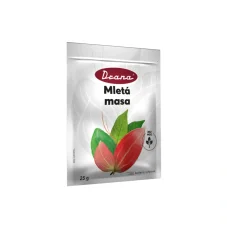
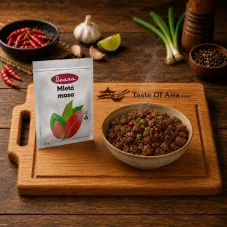
Drana Minced Meats 25 g
Read next
If you want to continue with the same topic, here are more related articles to explore: