


 Česky (CZK)
 Slovensky (EUR)
 Deutsch (EUR)
 Austria
 Belgium
 Bulgaria
 Croatia
 Denmark
 Estonia
 Finland
 France
 Germany
 Greece
 Hungary
 Italy
Italy Latvia
 Lithuania
 Luxembourg
 Netherlands
 Poland
 Portugal
 Romania
 Slovenia
 Spain
Spain Sweden










How to safely store fermented foods: sauces, pastes, and "live" side dishes
Fermented foods in Asian cuisine are more than just "something healthy": they often form the flavor backbone of a dish, bringing umami, depth, and a characteristic aroma. That's why it makes sense to address storage practically – so that the ferments remain safe, but also retain the best taste, aroma, and texture for as long as possible.
Why deal with storage for ferments (and what you gain from it)
Fermentation is one of the oldest ways humans have preserved food while deepening its flavor. In Asian cuisines, this is evident in a wide range of "basic" ferments – from soy sauces and pastes to fish sauces and fermented vegetables. It’s not just about shelf life: fermentation can create umami, mellow sharp flavors, change texture, and add depth to dishes even when cooking with few ingredients.
Good storage is therefore a practical skill: it helps keep ferments in good condition and also makes everyday cooking easier (when you always have "the engine under the hood" ready).
First, clarify terms: fermented foods are not the same as probiotics
Fermented foods and probiotics may overlap, but they are not synonyms. Probiotics are live microorganisms that, when administered in sufficient amounts, demonstrably provide a health benefit to the host – this is a fairly strict definition. Not every fermented food automatically meets this standard.
For storage practice, this is especially important: fermented foods can contain live microorganisms and some can be a source of live cultures, but it is not correct to automatically assume that every ferment is "probiotic." All the more reason to approach them primarily as ingredients with a clear flavor and technological role in the kitchen – and protect them accordingly from unnecessary heat, light, and contamination.
One food, three different issues: safety × quality × texture
With Asian ingredients, the simple division into "still good" and "already bad" often doesn’t apply. It can happen that the product is still safe for consumption, but already has lost some aroma, freshness, or texture – and only later becomes truly spoiled.
With fermented sauces and pastes, this typically appears as, after opening and improper storage:
- the aroma becomes flat,
- the taste feels "tired" and less precise,
- the color may gradually darken,
- pastes may dry or darken around the edges.
Therefore, it’s worth combining two aspects: maintain basic hygiene (safety) while protecting the product from conditions that may not immediately "destroy" it but deprive it of its best qualities (quality and texture).
✨ Liquid fermented seasonings: stable, but sensitive to heat, light, and an unclosed cap
Fermented liquid bases are among the most stable items in the kitchen – but they can easily lose their best form if left in light, heat, or with an unclosed cap after opening.
Soy sauce: "lasts," but freshness fades faster than you expect
Soy sauce is generally quite stable thanks to salt and fermentation, but after opening it can gradually darken, its aroma may flatten, and the taste may become less precise. If you use it slowly or want it for final seasoning, it often makes sense to keep it in the fridge. For quick use, darkness, a cooler place, and a well-closed bottle are key.
Fish sauce and fish ferments: small amounts, big impact – so discipline is even more important
Fish sauces are relatively stable due to salt and fermentation, but here too there’s a difference between safety and quality: prolonged exposure to heat and light can diminish aroma. Often used "drop by drop" in the kitchen, bottles tend to last a long time – that's why it’s worth not leaving them unnecessarily by the stove.
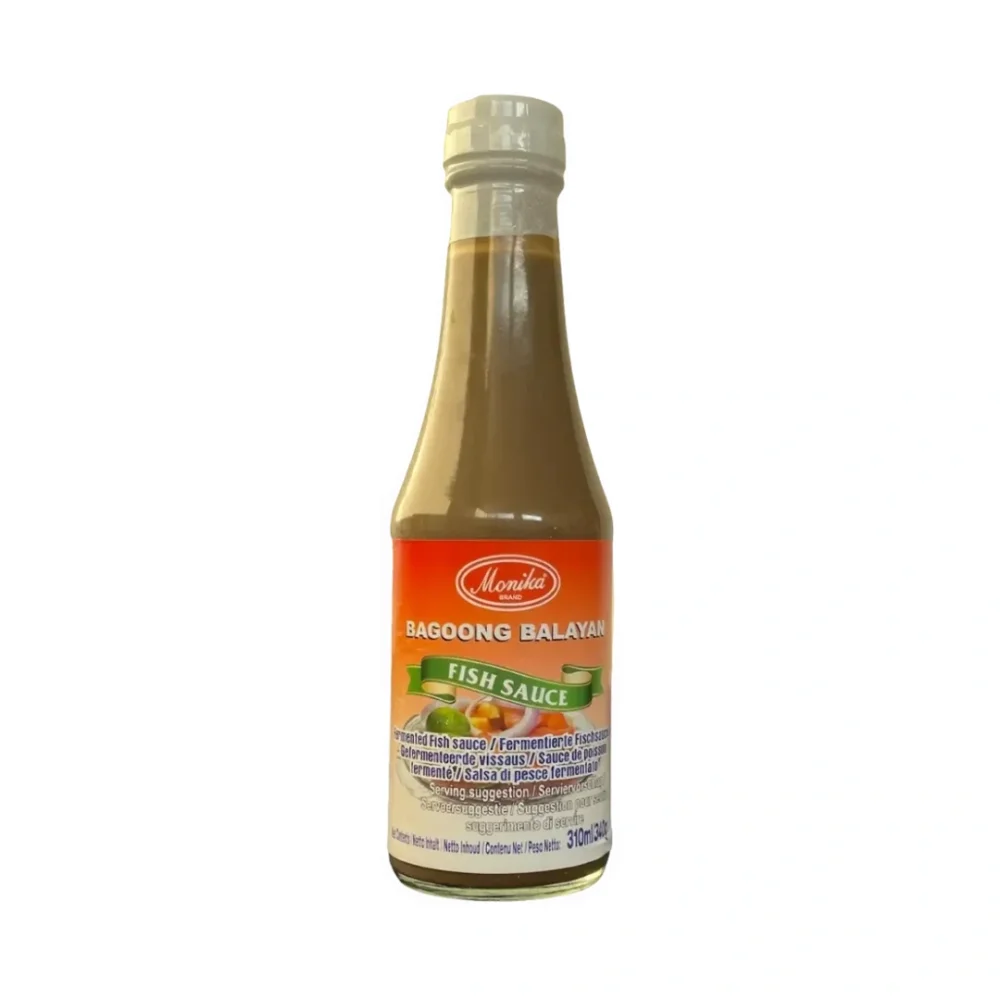
An example of a pronounced fish ferment that is used truly sparingly is Balayan fermented fish sauce: a few drops can elevate soup, sauce, or noodles, but only if it retains its clean aroma.
Fermented pastes: miso, gochujang, doenjang – why a clean spoon and fridge are key
Pastes are a "different league" than liquid sauces: they are more concentrated and often more stable, but sensitive to drying out, oxidation, darkening, and especially contamination from dirty or wet spoons.
Miso: naturally shelf-stable, but flavorfully alive
Miso darkens in warmth, its aroma changes, and it may lose subtlety. That’s why, after opening, it’s worth to:
- keep it in the fridge,
- limit air exposure,
- not leave it out on the counter for long,
- use a clean spoon.
A practical detail: miso tolerates freezer well. Due to its nature, it doesn’t freeze into a hard block like water and can still be scooped relatively easily – this is especially useful for larger packages or when you use miso only occasionally (for example, a spoonful into a sauce).
Gochujang, doenjang, doubanjiang, and other pastes: stable does not mean "maintenance-free"
The biggest mistakes at home with these pastes are surprisingly trivial: scooping with a wet spoon, letting edges dry out, and repeatedly leaving the container open in warmth. Discipline (scooping quickly, closing, and returning to cold) decides whether the paste will still be fragrant and "clean" after months, or just salty and heavy.
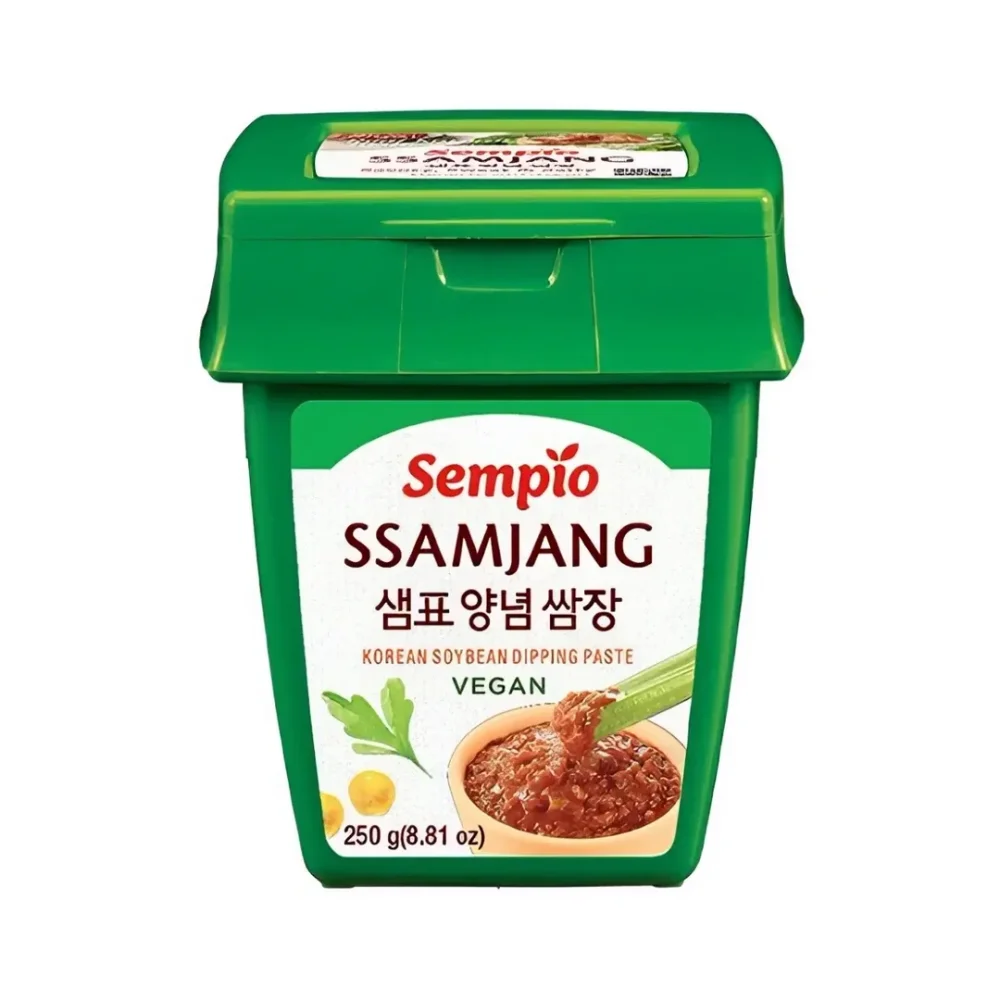
A specific example of Korean fermented soy paste is ssamjang soybean paste – a type of ingredient often used in small portions in dips, marinades, and sauces. Even more reason to watch for clean scooping and cold storage after opening.
"Live" fermented side dishes (kimchi): cold slows but does not stop changes
Fermented side dishes are alive. Cold slows fermentation but doesn’t stop all changes. Practically, this means kimchi can be safe, but its flavor will evolve: it tends to become more sour, softer, and more pronounced.
This is not necessarily a problem – it’s just good to keep in mind when planning use. Younger kimchi often feels crunchier and "fresher" as a side dish, older kimchi can be more flavor-dominant and may make sense where stronger acidity and umami are desired.
A home routine that works: how to use ferments without destroying them
The best way to keep ferments in good condition long-term is to combine storage with a cooking habit. Asian cooking is often fast and done in several short steps – which is why planning and clean work pay off: scoop, close, put away.
Start with a “basic” ferment and use it as seasoning
For most households, it’s easier not to start with extremes, but with one well-useable product (like miso, quality fermented soy sauce, kimchi, fish sauce, or tempeh). Dosing is crucial: often just a teaspoon or a few drops. This also reduces the risk of the product unnecessarily standing open in warmth for too long.
"Scoop" rules for pastes and intense ferments
- Always use a clean spoon (this is one of the most important rules for pastes – a wet or dirty spoon is a typical path to quality deterioration).
- Don’t work over steam: don’t open the container right above a pot where moisture condenses (water is a common problem with pastes).
- Scoop in advance: if you cook wok or quick noodles, put a small portion into a bowl beforehand and immediately return the main container to the cold.
When you want fishy umami: "by pinches" and with respect to aroma
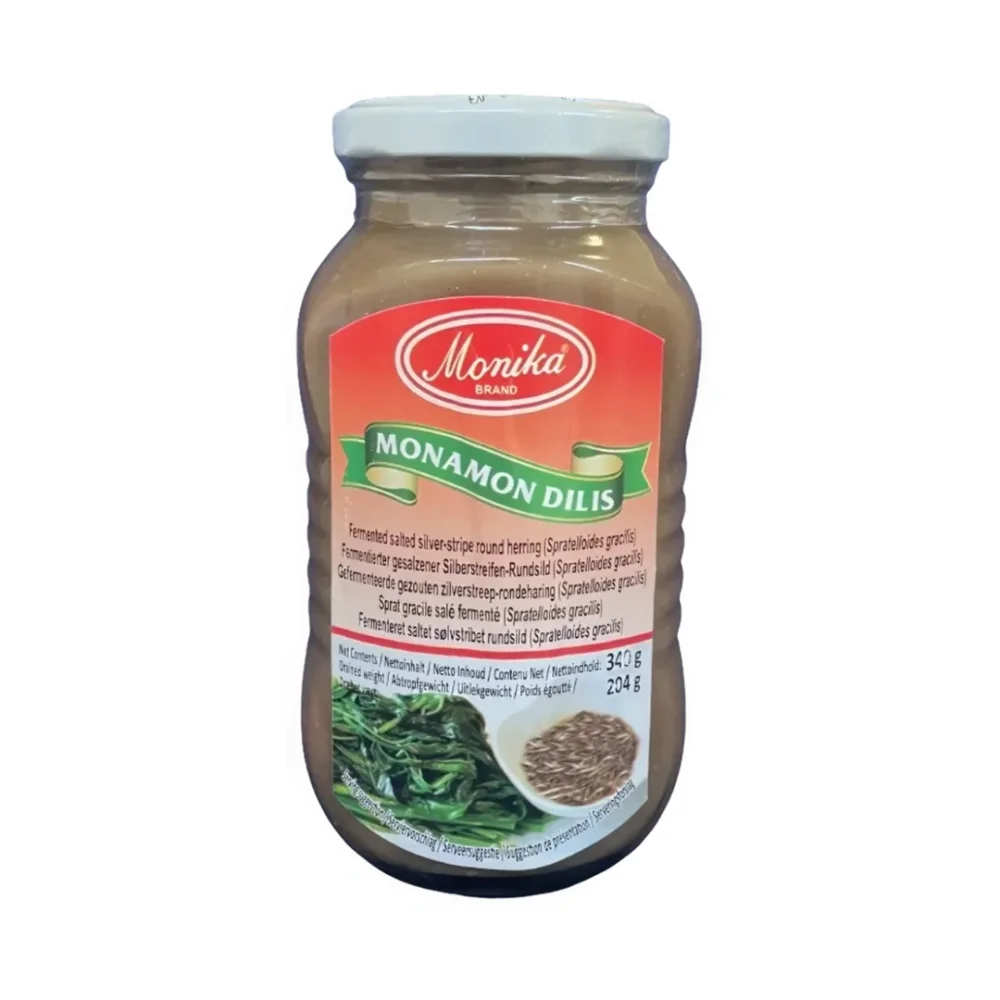
Fish and seafood ferments are often intense and used in small amounts. Typical examples are fermented fish pastes and blends that add depth to soups, sauces, or rice. To illustrate how little is needed, a good example is fermented salted anchovies – such products suffer most when left on the counter for a long time, scooped uncleanly, or stored "somewhere by the stove."
Most common mistakes (and why they lead to unnecessarily weaker results)
- Leaving aromatic sauces open by the stove. It’s convenient, but heat and light worsen aroma and flavor clarity.
- Scooping pastes with a wet or dirty spoon. This introduces water and impurities, making pastes more prone to drying, changing aroma, and losing "liveliness."
- Storing based on impression instead of product type. Shortcuts like "it’s salty, so it can stay outside" or "it’s fermented, so nothing will happen" often result in products surviving but tasting tired and being less usable for delicate seasoning.
- Expecting the flavor not to change. For "live" ferments (typically kimchi), changes in taste and texture are natural – cold only slows it down.
What to take away from this article
- Store ferments so that you protect not only safety but also quality and texture. It’s common that a product is still safe but has already lost aroma and flavor precision.
- Liquid fermented sauces are stable but don’t tolerate heat, light, and unclosed caps. For slow use, the fridge often makes sense.
- Pastes require discipline. Fridge, limiting air contact, and above all a clean spoon – these make the difference between "still great" and "just salty."
- Kimchi and other live side dishes will keep changing even in the cold. See it as a feature: acidity and intensity increase with age, and texture changes.
- Start practically. Choose one basic ferment and use it in small doses – it's easier to manage both storage and flavor.

Read next
If you want to explore this topic further, continue with these related blog guides and articles:
