


 Česky (CZK)
 Slovensky (EUR)
 Deutsch (EUR)
 Austria
 Belgium
 Bulgaria
 Croatia
 Denmark
 Estonia
 Finland
 France
 Germany
 Greece
 Hungary
 Italy
Italy Latvia
 Lithuania
 Luxembourg
 Netherlands
 Poland
 Portugal
 Romania
 Slovenia
 Spain
Spain Sweden










Taste of Korean cuisine: how spiciness, fermentation, rice, and “jang” work in practice
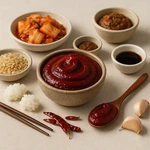
Korean cuisine is not just about spiciness and kimchi. We will explain the layers of flavors that make up Korean dishes – fermented bases (jang), types of spiciness, the role of rice, and working with textures – and provide specific, practical advice on how to safely put this together at home.
Introduction: why Korean flavor feels so “alive”
Korean cuisine often feels intense, but not random. That “alive” sensation arises from a combination of layers: fermented umami against freshness and acidity, delicate flavors against spiciness, and contrast of textures (warm vs. cold, soft vs. crunchy). A typical Korean table offers rice, soup, and several smaller side dishes (banchan) instead of a single plate – this is where the final balance lies.
Definition and orientation: what exactly do we mean
When we talk about “Korean flavor,” it’s useful to distinguish two levels:
- serving structure – rice as the neutral center, soup or juicy dish and multiple small side dishes (banchan) that complement flavor and texture;
- seasoning base – fermented pastes and sauces collectively known as jang, which provide depth and typical umami.
For a practical approach, this means: it’s not just about one dominant component (e.g., chili), but a harmony of several layers that complement each other.
Variants and main differences: what makes up Korean flavor
1) Kimchi: acidity, freshness, and fermented umami
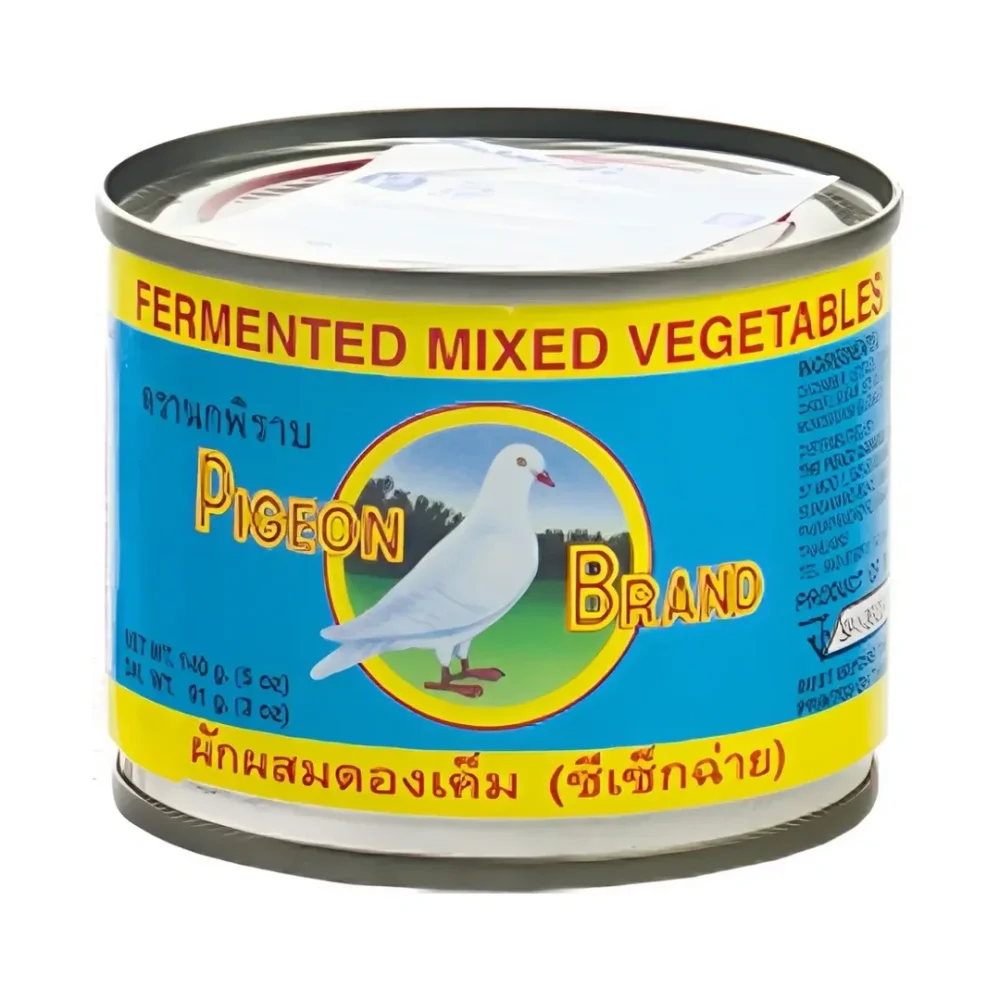
Kimchi plays a role in Korean cuisine that goes beyond “just a spicy side dish.” It adds acidity and freshness, while also carrying fermented umami; it is used as a banchan with rice as well as an ingredient in soups or stews. If you want a quick ready-made variant as an example of fermented contribution, an example is fermented vegetable mix, which embodies a similar function as traditional kimchi.
2) Jang: the heart of the Korean “pantry”
The term jang includes several key fermented pastes and sauces. They are often the base for sauces, soups, and marinades – not just an "add-on."
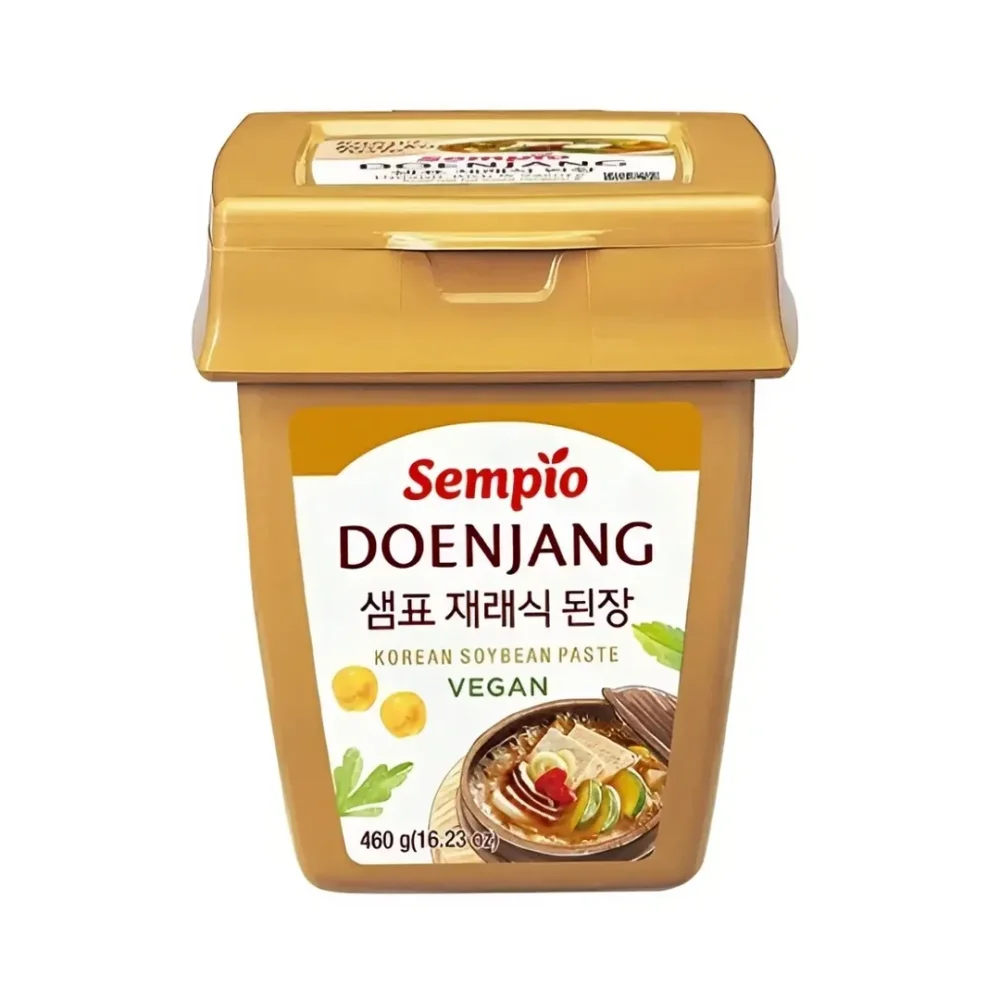
- Doenjang – fermented soybean paste with pronounced umami and salt; usually a small amount is sufficient for soups and sauces. As a practical product example you can use Sempio Doenjang.
- Ganjang – Korean type of soy sauce; soy sauce styles differ among countries and brands and change the final dish character (more below on differences).
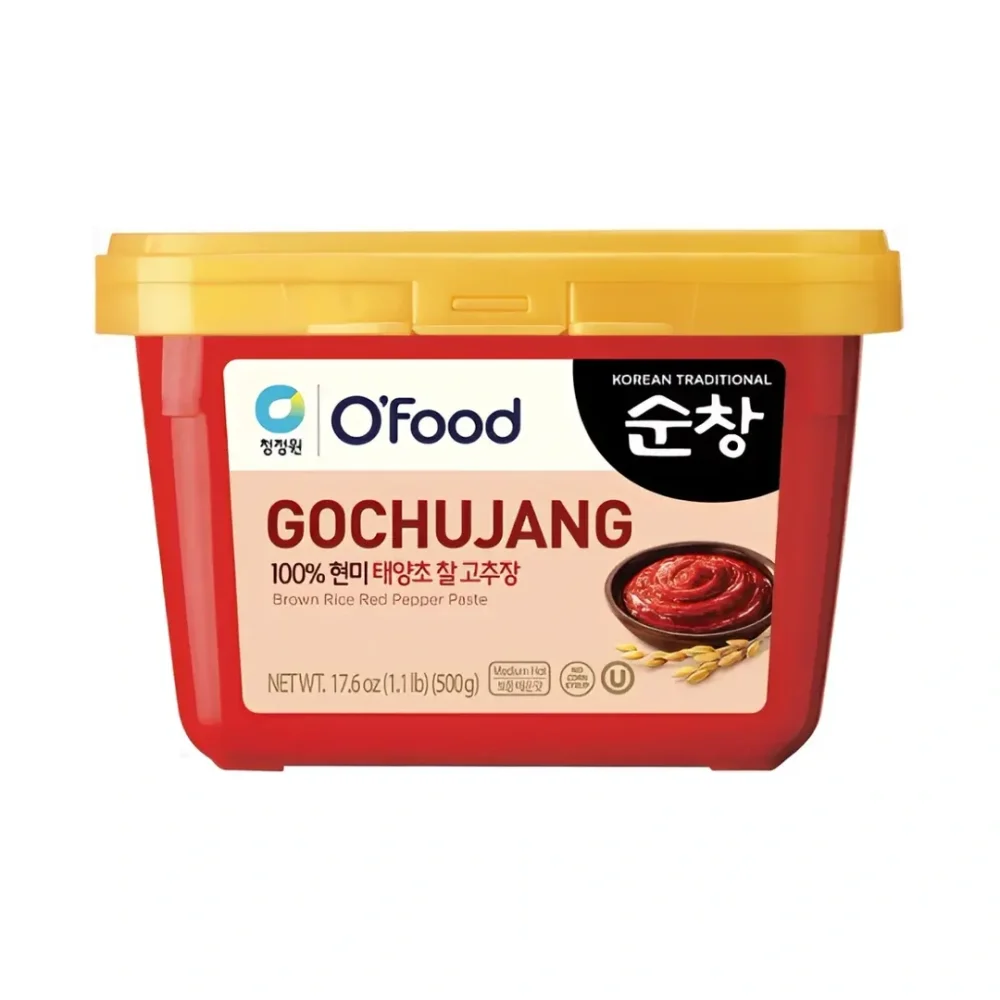
- Gochujang – thick fermented chili paste that brings spiciness, sweetness, and depth; for quick use, one example is O'Food Gochujang.
- Ssamjang – dense paste based on fermented soy with chili and garlic, often used as a dip for leafy wraps or meat; illustratively Sempio Ssamjang shows its consistency and usage.
3) Spiciness: more than just heat
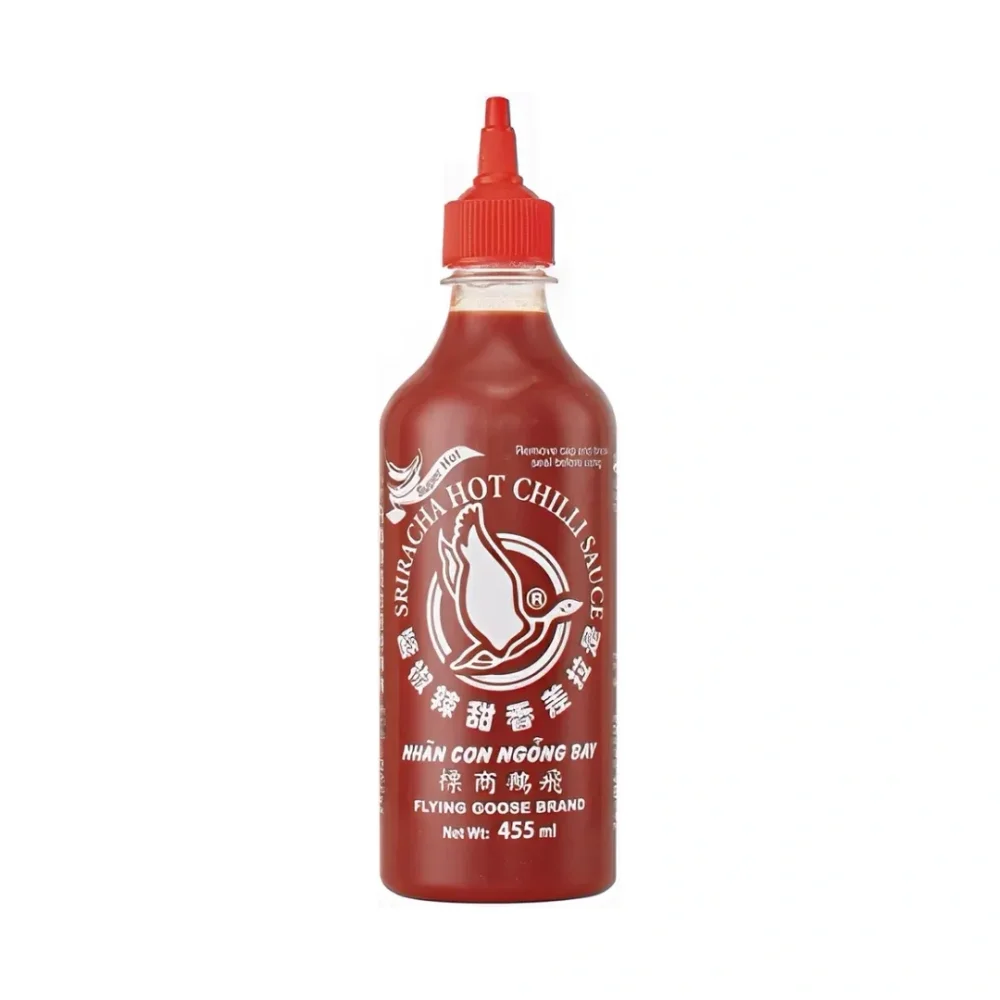
Korean spiciness emphasizes a specific pepper character and texture. A typical ingredient example is coarsely ground chili pepper gochugaru, which adds color, milder smokiness, and texture. If you need a quick “heat addition” without fermented depth, other chili pastes or sauces work too, but remember that the flavor will change – for example, Sriracha is strong in pure heat but is not a Korean flavor base.
4) Soy sauces and differences among styles
“Soy sauce” is not one product: Chinese, Japanese, Thai, and Korean styles differ in composition and fermentation. If you want to experiment, a good guide is the category Other soy sauces, where you can compare different styles and choose which sauce better fits your recipe.
5) Sesame: more than just a topping
Sesame (oil and seeds) in Korean cuisine often functions as a fat, nutty component that rounds salty, spicy, and fermented flavors and helps bind them. Classic addition: a few drops of sesame oil on finished dishes or a light sprinkle of toasted sesame.
Rice: why it’s more than just a side dish
Rice plays a stable, neutral role in Korean dishes, connecting other flavor elements. Regarding choice of types, it’s useful to understand two practical facts:
- Rice texture depends on the ratio of starch components (amylose vs. amylopectin). Rice with lower amylose content tends to be softer and stickier; rice with higher amylose is fluffier and firmer.
- For dishes mixed or eaten with chopsticks (e.g., bibimbap), short to medium grain rice with lower amylose content is often chosen because it holds a stickier texture after cooking and binds other ingredients better. When selecting rice, focus on the texture you want to achieve and follow the recommendations on the packaging of the specific type.
How to put this flavor together at home (practically and without a recipe)
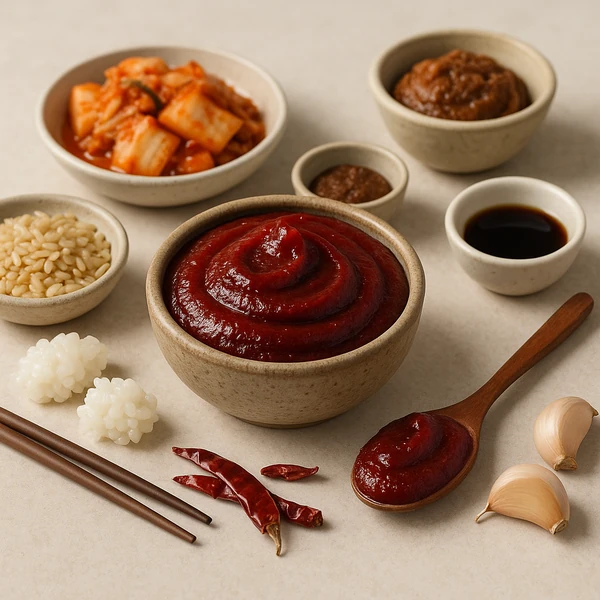
If you want a dish to “catch” the Korean profile, a simple composition works: base (rice, soup, or juicy dish) + jang (fermented umami) + acidity/freshness (kimchi or fermented side dish) + spiciness (gochugaru/gochujang) + sesame for nuttiness and fat.
First steps into the home "Korean pantry"
- Basic trio: doenjang (soybean paste), gochujang (fermented chili paste) and ssamjang as a dip. Specific products to start with: Sempio Doenjang, O'Food Gochujang and Sempio Ssamjang.
- Additions: coarsely ground chili (gochugaru) for spiciness texture, sesame oil, and optionally dried shiitake mushrooms for a light umami boost without heaviness.
- Ready-made or semi-prepared: for quick introduction to the style of food, you can use prepared sauces, e.g. Ajumma Republic sweet-spicy sauce, and apply it to glass noodles (glass noodles) or as a glaze for tofu or chicken.
Specific dosing — safe start
- Doenjang: start very sparingly — about 1 teaspoon per serving when diluting into soup or sauce; gradually adjust salt and depth.
- Gochujang: for sauces or marinades start with 1/2–1 teaspoon per serving, depending on the sweet-spicy intensity you want.
- Gochugaru (ground chili): for sauce or broth start with only 1/2 teaspoon and increase to taste – the Korean profile relies on contrast, not overpowering other layers.
- Ssamjang as a dip: estimate about 1 teaspoon per person as a complement to meat or vegetables.
Rice — what to watch when selecting and cooking
To start: choose rice based on the desired texture. For most Korean side dishes and mixed bowls, short to medium grain rice with lower amylose content (softer and partially sticky after cooking) is suitable. When cooking, follow the recommendations on the package of the variety and for first tries, prepare smaller quantities to compare texture. The rice category helps with orientation: Rice and rice products or specific subcategories for further inspiration.
How to add umami without making the flavor heavy
If the dish lacks depth, choose ingredients that add umami but not heaviness: small amounts of doenjang, dried mushrooms (shiitake), or short broth cooking with bones/vegetables. Add gradually and taste — Korean flavor is built by layering, not by piling on one strong component.
💡 Common mistakes and what to watch out for
- “Korean = as spicy as possible”: burnt spiciness often overwhelms fermented umami and acidity; spiciness should support, not dominate.
- Mixing up chili types: common ground paprika or other chili paste adds heat but might not give the character of gochugaru/gochujang; treat substitutes as temporary options, not full equivalents.
- Too much fermented paste at once: doenjang or ssamjang are intense; better to start with a small dose and layer.
- Soy sauce as a universal substitute: different soy sauce styles change the character of the dish — if you want a Korean tone, choose Korean styles or compare several variants.
- Lack of contrast: Korean dishes often work thanks to a combination of warm and cold, soft and crunchy, fermented and fresh; if you make only one texture and one flavor, the result won’t be "Korean."
What to take away from the article
- Korean flavor is created by layering: jang (fermented pastes), acidity/freshness, specific type of spiciness, and textures.
- Kimchi provides acidity and fermented umami, not just spiciness.
- Jang (doenjang, gochujang, ssamjang) often forms the flavor base, not just a seasoning at the end.
- Type of chili (gochugaru) and type of soy sauce influence the dish’s character more than just the intensity of heat or saltiness.
- In home use, start with small amounts of fermented pastes and spiciness and layer the flavor gradually.

Read next
If you want to explore this topic further, continue with these related blog guides and articles:
