


 Česky (CZK)
 Slovensky (EUR)
 Deutsch (EUR)
 Austria
 Belgium
 Bulgaria
 Croatia
 Denmark
 Estonia
 Finland
 France
 Germany
 Greece
 Hungary
 Italy
Italy Latvia
 Lithuania
 Luxembourg
 Netherlands
 Poland
 Portugal
 Romania
 Slovenia
 Spain
Spain Sweden










How to incorporate fermented foods into a regular diet (without extremes and disappointments)
Fermented foods are not just a "healthy trend" – in Asian cuisines, they are mainly practical flavor bases that can speed up cooking and add depth to the meal. The key is not to start ambitious fermentation projects, but with one well-chosen ferment and small amounts: a teaspoon of paste, a few drops of sauce, a little side dish. The article clarifies the difference between fermented and probiotic, goes through the main types of ferments, and shows specific ways to use them in everyday meals.
🍳 Fermentation in the kitchen: why it is more than just "preservation"
Fermentation is one of the oldest methods people used to preserve, transform, and deepen the flavor of foods. However, in Asian cuisines, fermentation is not just a trick for durability. It is one of the main ways to create umami (a full "delicious" taste), soften sharp or harsh edges, add depth to a dish, and often change the texture of the ingredient.
In practice, it is important that fermentation creates "ready-made" flavor building blocks: from a few basic ingredients, a huge range of sauces, pastes, side dishes, and soups emerge. Thanks to them, food can be flavorful even when cooking with a few common ingredients.
Fermented foods are not the same as probiotics (and why it matters)
This is the most common source of confusion: fermented foods and probiotics overlap but are not synonyms.
- Probiotics are live microorganisms that, when administered in adequate amounts, provide a proven health benefit to the host. This is a fairly strict definition.
- Fermented foods are created by the action of microorganisms, but at the time of consumption they may not contain sufficient live cultures (for example due to heat treatment, processing, or storage).
Therefore, it is practical to stick to the cautious wording: fermented foods may contain live microorganisms, some may be sources of live cultures, but not every fermented food is automatically probiotic.
For regular cooking, it is most reliable to perceive ferments mainly as culinary tools: they work with saltiness, acidity, aroma, texture, and umami. It is better to separate health expectations from flavor so you won’t be disappointed – and at the same time, you won’t overlook their true power in the kitchen.
Why fermented foods hold such a strong position in Asia
Historically, fermentation solved several problems at once: preservation outside of harvest, better use of grains, legumes, fish, and vegetables, transferring flavor to the “leaner” part of the year, and mainly creating stable seasonings for everyday cooking.
That is why a whole range of "basic" ferments came about in Asia: soy sauces, miso, Korean jang (fermented sauces and pastes), fish sauces, shrimp pastes, tempeh, natto, and many kinds of pickled or fermented vegetables. In many households, these are nothing unusual – they are common ingredients, much like salt, vinegar, or mustard in our cuisine.
An interesting fact for context: Korean fermentation culture is exceptionally strong – which is why traditions related to kimchi (kimjang) and the production of jang (jang making) are often mentioned in connection with this topic, carrying cultural significance.
🍳 Four “worlds” of fermented foods: completely different things in taste and use
One of the biggest mistakes is to lump all fermented foods together. The differences between kimchi, miso, fish sauce, or tempeh are fundamental – and each type suits a different situation.
1) Fermented vegetables: a side dish that can change an entire meal
Fermented vegetables (most famously kimchi) often work as a ready side dish: they add acidity, saltiness, sometimes spiciness, and mainly a “live” flavor that awakens rice, noodles, and simple vegetable bowls. An important detail: kimchi is not just "spicy cabbage" – it is a broad family of fermented side dishes with different ages, crunchiness, and intensity.
2) Fermented soy pastes and sauces: the engine of umami
This includes, for example, miso – a key fermented paste of Japanese cuisine. Its base consists of soybeans, salt, and koji (the ingredient inoculated with the mold Aspergillus oryzae). In practice, miso is a broad category: it varies in color, saltiness, sweetness, fermentation length, and umami strength. This “paste on a teaspoon” is ideal for beginners because in a small amount it creates a big effect.
3) Fish and marine ferments: drops that create depth
Fish sauces, fermented anchovies, or shrimp pastes are typically very salty and intense – and precisely for this reason, they are used drop by drop or pinch by pinch. They are not “pouring sauces,” but precise seasonings that can enhance broth, pan, or sauce without long reduction.
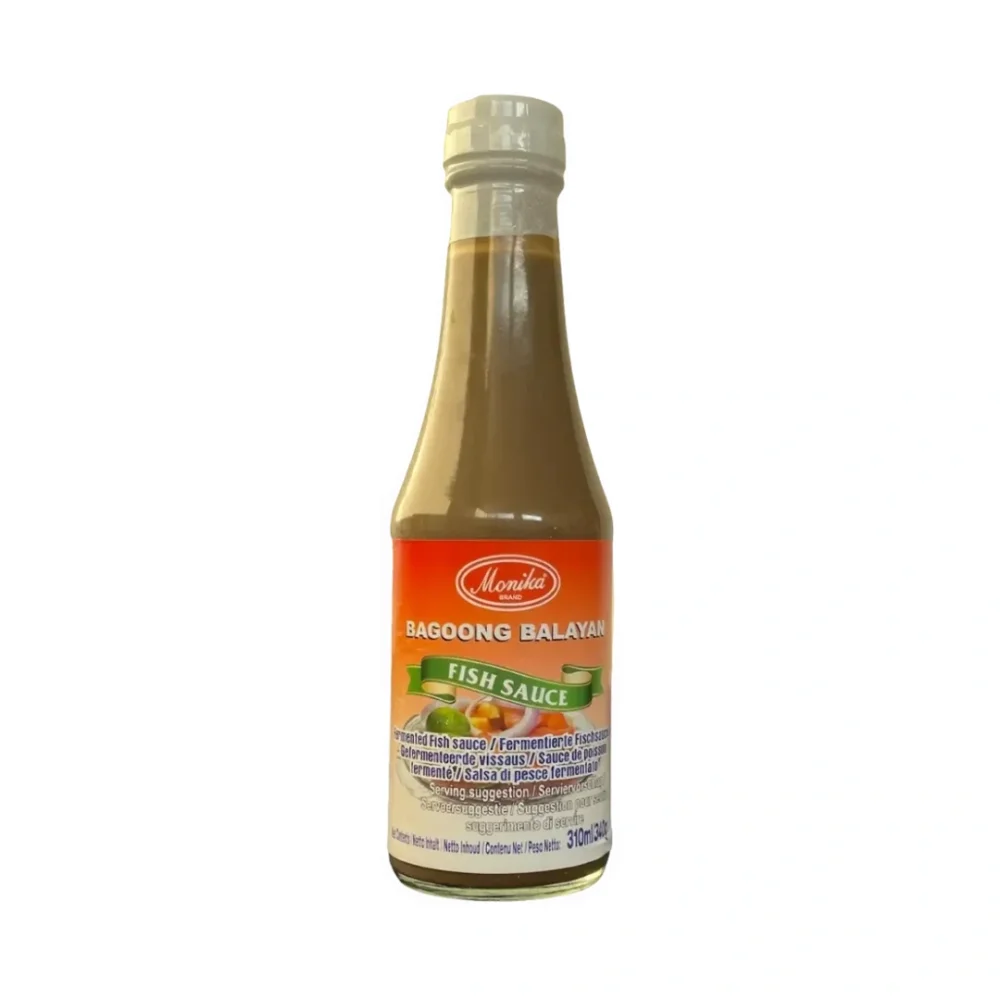
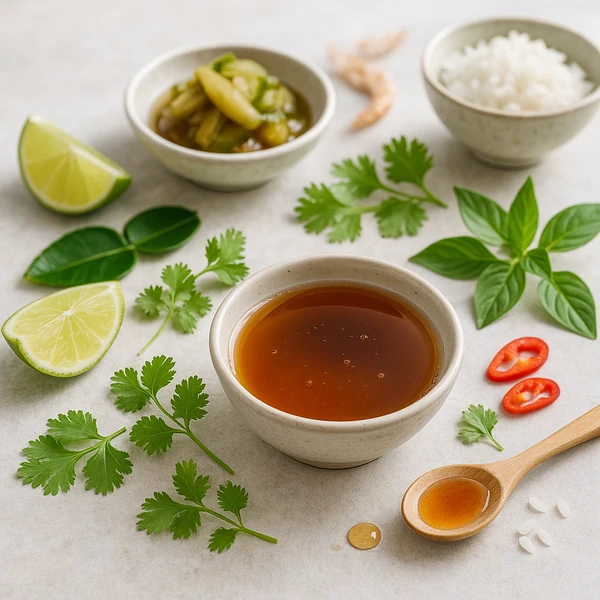
A specific example of a fermented fish sauce where it makes sense to start very cautiously is Balayan fermented fish sauce – just a few drops into soup or pan and you will immediately notice what “marine” umami does.
4) Solid soy fermentation: tempeh and natto as two different experiences
Tempeh (Indonesian origin) is firmer than tofu, fries, bakes, grills, and stews well, and has a slightly nutty, fermented flavor. It is great when you want a "biteable" texture but don’t want to build the meal solely on a sauce.
Natto (Japanese fermented beans) on the other hand is a typical “acquired taste”: it is distinctive with stickiness, aroma, and fibrous structure. It is good to know that fermentation is not always automatically easily accessible – some ferments require context and habit.
How to incorporate fermented foods into a regular diet: practical onboarding
The best path is not to start with extremes but with small and practical steps. The goal is not to eat as much fermented as possible, but to learn to work with ferments so everyday meals taste better and cook more easily.
1) Start with one “basic” product (and give it a month)
For most households, the simplest start is these ferments: miso, quality fermented soy sauce, kimchi, fish sauce or tempeh. Choose one and use it frequently but in small amounts – you will understand faster what it does to the flavor.
If you want to start with marine umami, stick to the rule “a few drops”: with fish sauce like Balayan add only 2–5 drops to a serving of soup or noodles at first, stir and taste. You can always add more, but you can’t take it away.
2) Use the ferment as seasoning, not as the main ingredient
This is the most reliable trick for a “regular diet.” The ferment doesn’t have to be the center of the plate – often it’s enough that it works as a subtle flavor engine.
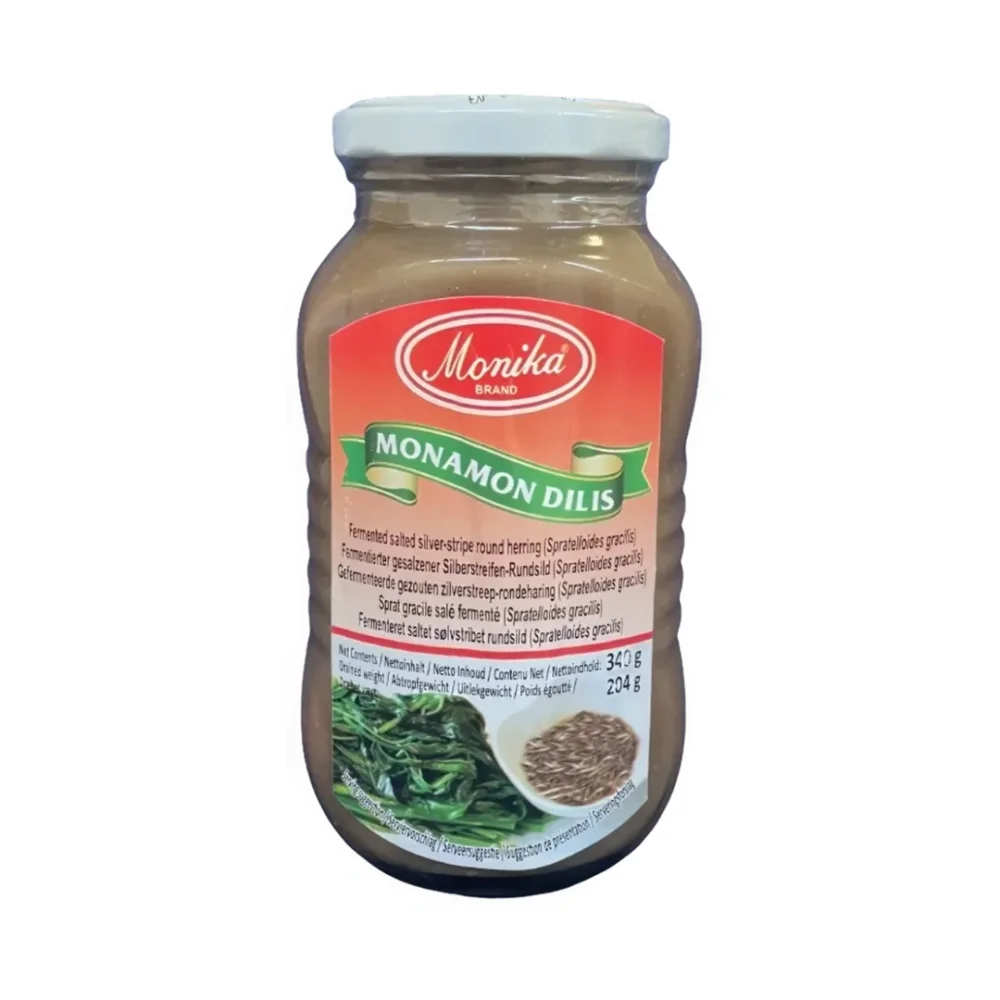
- Soups and broths: a few drops of fish sauce or a bit of a mild fermented component can enhance flavor without long cooking. The principle is the same with fermented anchovies – add little by little. If you want to try a really strong variant, there are also fermented salted anchovies; treat them as “spices,” not as a regular protein.
- Rice as an everyday base: a bowl of rice + a little fermented side (e.g., kimchi) is one of the easiest ways to eat ferments naturally. If you cook rice often, it may help to have a stable base at home like sushi rice (not because it’s “for sushi” but because it also works well in bowls).
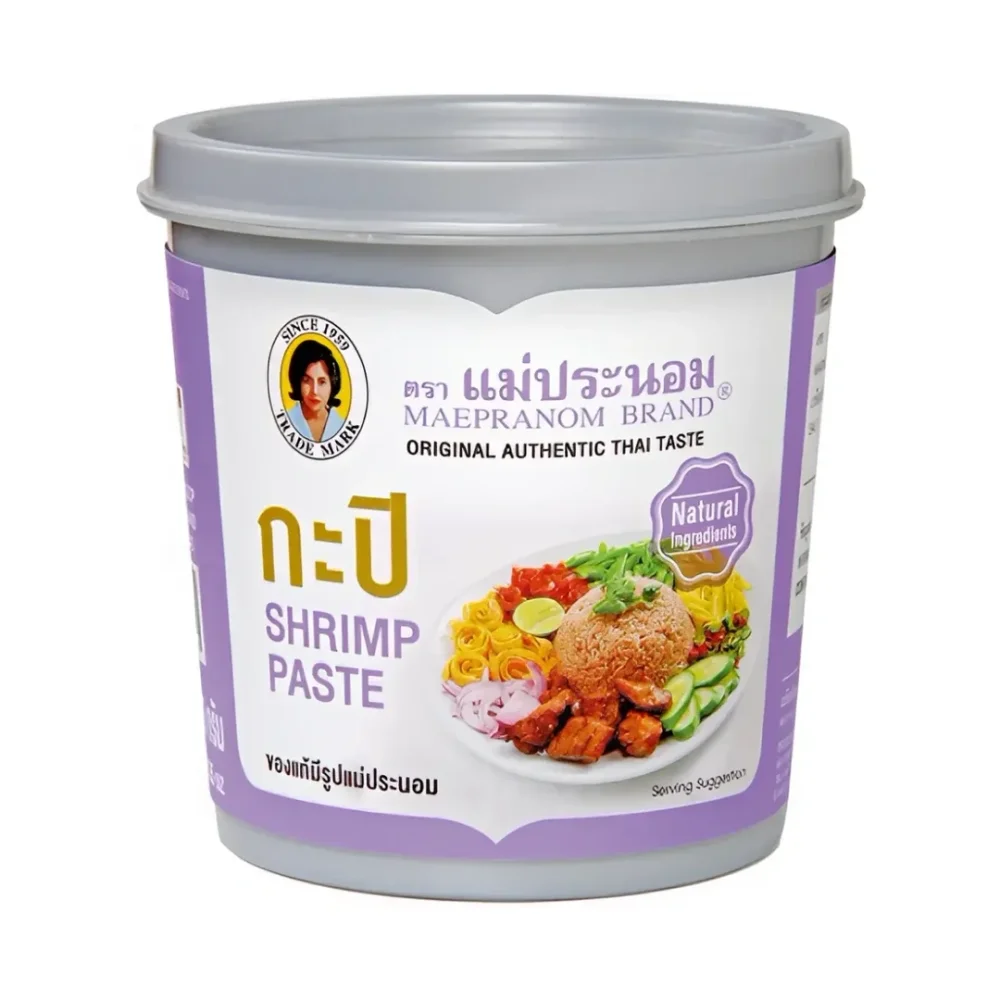
- Pan / stir-fry: a pinch of marine ferment at the start (for example, shrimp paste) can turn ordinary vegetables and rice into a dish with pronounced depth. Start really small – shrimp pastes are often intense and for some are a typical “acquired taste.”
3) Work with “context”: some ferments are intense by themselves
Natto, some shrimp pastes, or very old ferments can be strong for a beginner. That does not mean they are bad – they are just better accepted when placed in a dish where they make sense.
Practically this means:
- start with a smaller dosethan you think is needed,
- combine with a neutral carrier (rice, noodles, tofu, vegetables),
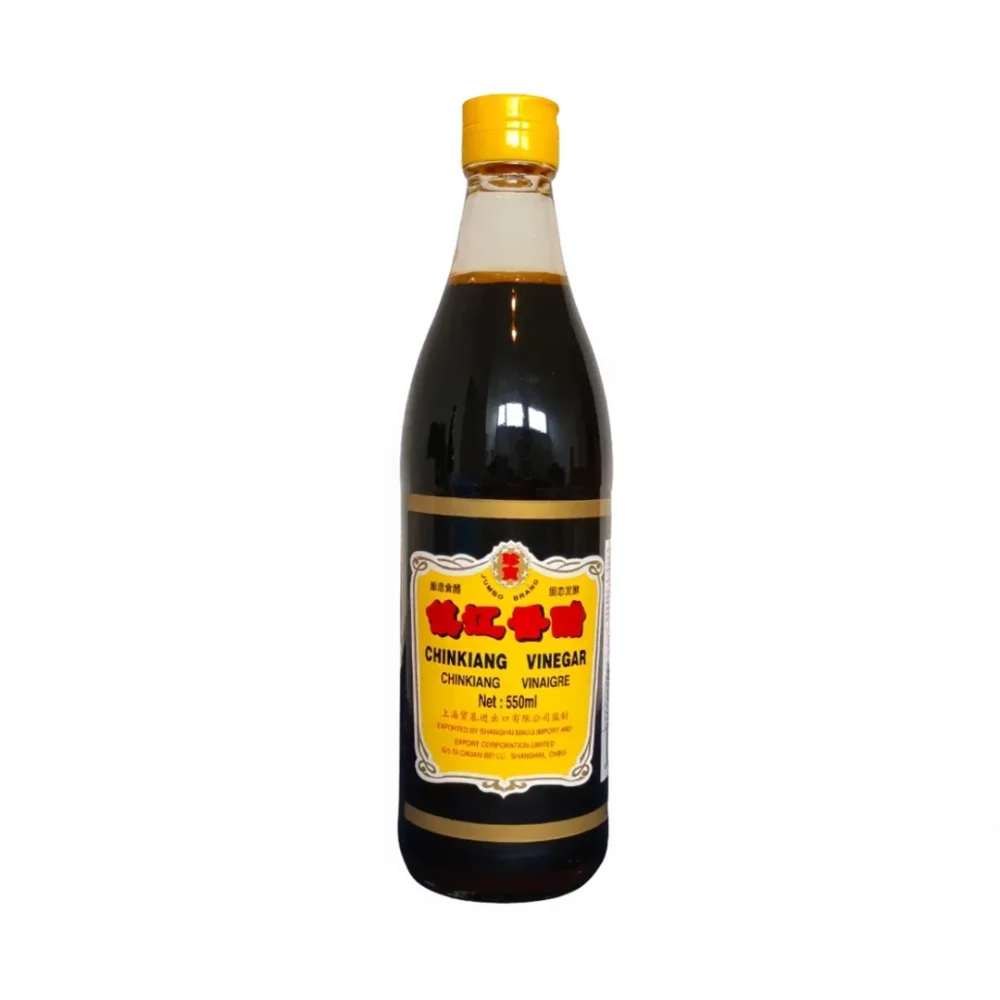
- when the taste is “too heavy,” often acidity (dressing, vinaigrette, sauce) helps. In Chinese flavor, dark vinegars are also used for this – for example, black rice vinegarwhich adds a gentler, rounder acidity to sauces and dressings.
4) Ferments as key to umami in vegetarian and vegan cooking
When you skip meat and fish, “depth” often starts to be missing. In Asian cooking, this is typically solved by a combination of umami sources – and fermentation plays a big role in it: miso, some soy sauces, fermented pastes, and fermented vegetables can build flavor so the dish doesn’t feel empty.
Just remember a practical warning: not every miso or kimchi is automatically vegan – if that is important to you, watch the composition of the specific variant, as it may vary.
Most common mistakes and misconceptions: what prevents people from really using ferments
"All fermented things taste similar."
They don’t. The differences between miso, fermented vegetables (kimchi), fish sauce, shrimp paste, or tempeh are fundamental. It helps to think in categories: liquid sauces, pastes, vegetables, solid products – each is dosed differently and creates a different type of flavor.
"Fermentation = just health."
In the kitchen, fermentation is mainly flavor, texture, and technology. The health interpretation needs to be handled carefully – not least because not all fermented foods in the end necessarily contain live cultures in the expected amount.
"Miso and doenjang are almost the same."
They are not. They are related fermented pastes, but different in flavor and technology. For regular cooking, this means a simple rule: when a recipe calls for miso, do not automatically take any other soy paste as a 1:1 substitute – taste first and adjust the dosage.
"Fish sauce and soy sauce can be substituted."
They can’t – each has a different flavor logic. Fish sauce is concentrated marine umami (and often has a pronounced aroma), soy sauce has a different profile, a different “pull,” and behaves differently in sauces. If you swap one for the other without adjustments, the dish may become either flat or on the contrary overdone.
"Kimchi is just spicy cabbage."
It’s not. Kimchi is a broad family of fermented side dishes – and even within one household can differ according to age (fresh is typically crisper and sharper, older is more pronounced and “rounder”). If your first experience didn’t suit you, it often helps to try kimchi of different intensity or to eat it in small amounts as a side to rice first.
What to take away from the article
- Fermentation in Asian cuisine is mainly a tool for flavor: umami, depth, aroma, texture – not just preservation.
- Fermented does not automatically mean probiotic; it is better to keep expectations sober.
- Start with one ferment (miso / soy sauce / kimchi / fish sauce / tempeh) and use it in small doses.
- For sea ferments, this applies twice as much: a few drops or a pinch is often enough for a whole portion.
- Do not confuse ferments as 1:1 substitutes (miso ≠ doenjang; fish sauce ≠ soy sauce).

Read next
If you want to explore this topic further, continue with these related blog guides and articles:
