Česky (CZK)
 Slovensky (EUR)
 Deutsch (EUR)
 Austria
 Belgium
 Bulgaria
 Croatia
 Denmark
 Estonia
 Finland
 France
 Germany
 Greece
 Hungary
 Italy
Italy Latvia
 Lithuania
 Luxembourg
 Netherlands
 Poland
 Portugal
 Romania
 Slovenia
 Spain
Spain Sweden










Health and dietary trends in Asian cuisine: warm breakfast, aromatics and smart seasoning
When people talk about a “healthier” Asian-style diet, it often becomes a vague mix of ideas about rice, soups and “light” cuisine. In practice, however, it's much more useful to look at specific eating habits: what a typical breakfast looks like, why warm and savory foods are eaten so much, how spices and herbs function as the backbone of flavor, and why a small bowl of dip often decides whether a dish feels fresh or heavy. This article is not nutritional advice – it is a practical guide for orienting yourself in these principles and using them safely at home.
🌶️ What is typical for a “healthier” Asian eating style (and what to realistically expect)
Asian cuisine does not have a single universal definition of “healthy food” – but in many countries specific habits recur that people often perceive as lighter, more practical and sustainable for everyday life. It’s not about miraculous ingredients, but rather about how a meal is composed and how flavor is handled.
- Warm and savory breakfasts are common and often prevail over sweet pastries in the European sense. Breakfast can be a full meal – rice, noodles, soup, porridge, pancakes.
- The difference between a “breakfast” and a “regular” meal is often smaller than in Europe: many things you would have for lunch can be perfectly normal in the morning as well.
- In many places what matters is freshness, warmth and easy digestibility – which is why broths, porridges, quick noodle bowls and fresh herbs often appear.
- Flavor is not based only on spiciness. Aromatics (spices, herbs), fermented components and small but concentrated final seasonings in the form of dips and table sauces play a big role.
Practical consequence for home cooking: instead of chasing a “superfood” it makes sense to adopt 2–3 functional principles (warm savory mornings, smart seasoning, better ingredient prep) and gradually adapt them to your own routine.
Five basic forms of Asian breakfast: how to orient yourself
Asian breakfast can mean a bowl of rice, noodle soup, steamed fermented dough, coconut rice, toast combinations, street food from the griddle or a broth with meat in different countries. To orient yourself it’s useful to stick to several “worlds” that repeat.
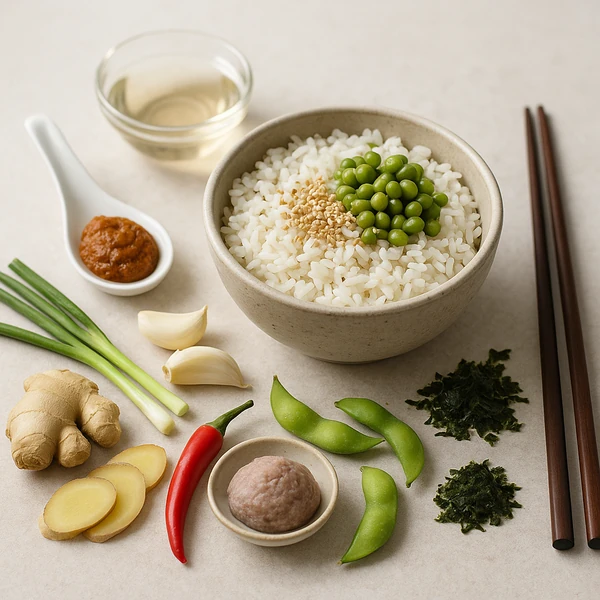
1) Rice breakfast: a bowl as the foundation of the day
Rice can function as a simple carrier for other components: something warm on top, a bit of aromatics and possibly a small dip on the side. At home it’s one of the easiest ways to start – cook the rice and then just assemble the rest according to what you have.
If you want to try different styles at home, it helps to be clear about the type of rice (each behaves differently): as a first orientation you can use a guide Other rices, or deliberately work with the fact that sushi rice tends to be stickier and basmati rice feels drier.
2) Noodle breakfast: speed, broth, a bowl to go
Noodles and soup bowls are a typical example of a “full” breakfast. In a home version it's important to understand the principle: warmth + simple structure + final seasoning. You don't have to cook complicated broths right away; often a good base and a smart finish at service are enough.
3) Porridges and congee: when the meal should be gentle and warm
Porridge breakfasts (for example rice porridge like congee) are a completely different world from European sweet oatmeal. They are often savory, mild, warm and rely on toppings and small seasonings to build flavor.
4) Pancakes, crepes and fermented batters
Asian breakfasts also include various pancakes and batters (including fermented ones) that are filled or combined with savory accompaniments. From the perspective of a home “healthier” routine the interesting thing is mainly that these are practical hand-held foods, which do not have to be sweet.
5) Kopitiam and toast breakfasts: urban, fast rhythm
Alongside bowls there is also an urban world of breakfasts built around coffee and toast (typical for the kopitiam style, for example). It's important to know that Asian breakfast is not just “rice and soup” – toast can also be part of the local breakfast standard.
Two good examples that show how specific it can be: Taiwan and Vietnam
- Taiwan has a strong breakfast culture with specialized establishments. Typical directions include warm soy milk, youtiao (fried dough), fan tuan (rice rolls), dan bing (filled breakfast pancakes), spring onion, eggs, sesame bread and various toast combinations. It’s an example that breakfast can be fast, urban and at the same time very local.
- Vietnam shows how naturally breakfast can be built around soup and broth. Phở is a classic morning choice in Vietnam (for example in Hanoi), alongside bún (noodle bowls), bánh mì, porridges and simpler hot dishes. The important thing is the “morning street rhythm”: fresh, hot, quick.
How to get the most out of Asian eating habits at home: 3 practical steps
If you want the Asian style to really help your daily routine (and not end in kitchen chaos), it’s worth sticking to three things: ingredient prep, aromatics and final seasoning.
🍜 Step 1: Prepare ingredients before you turn on the stove (mise en place, Asian style)
In many Asian kitchens the result is decided not at the stove but at the cutting board. With quick techniques (stir-fry, noodles, fried rice, briefly sautéed vegetables) there is no time to search for ingredients or start chopping during cooking.
- The size and shape of the cut changes the result: the same ingredients coat differently with sauce, soften at different rates and retain juices differently.
- Thin slices are suitable where you need speed and heat contact.
- Even small pieces are key when everything is mixed and should be done at the same time.
- When ingredients release water, instead of stir-frying they start to steam – and the dish becomes heavier and “without spark”.
Home tip: if you know you’re short on time in the morning, chop “neutral” components (vegetables, spring onion, herbs) in the evening and in the morning just cook the base (rice/noodles/porridge) and season.
👃 Step 2: Build flavor on aromatics – spices and herbs are not just decoration
Asian cuisine is not only about heat. It is defined by working with aroma: freshness, warmth, earthiness, citrus notes, bitterness and long aftertaste. Spices and herbs often form the “skeleton” of flavor – and that is important for home, moderate cooking too: intense flavor does not have to mean large amounts of fat or sauce.
A simple distinction helps:
- Spice is typically a dried part of the plant other than the leaf (seed, bark, rhizome, flower, bud…).
- Herb is usually aromatic leaves and greens (fresh or dried). In practice the boundary mixes: coriander is a typical example – the seed works as a spice, the greens as an herb.
Four ways of use are most useful and often repeat in Asian cooking:
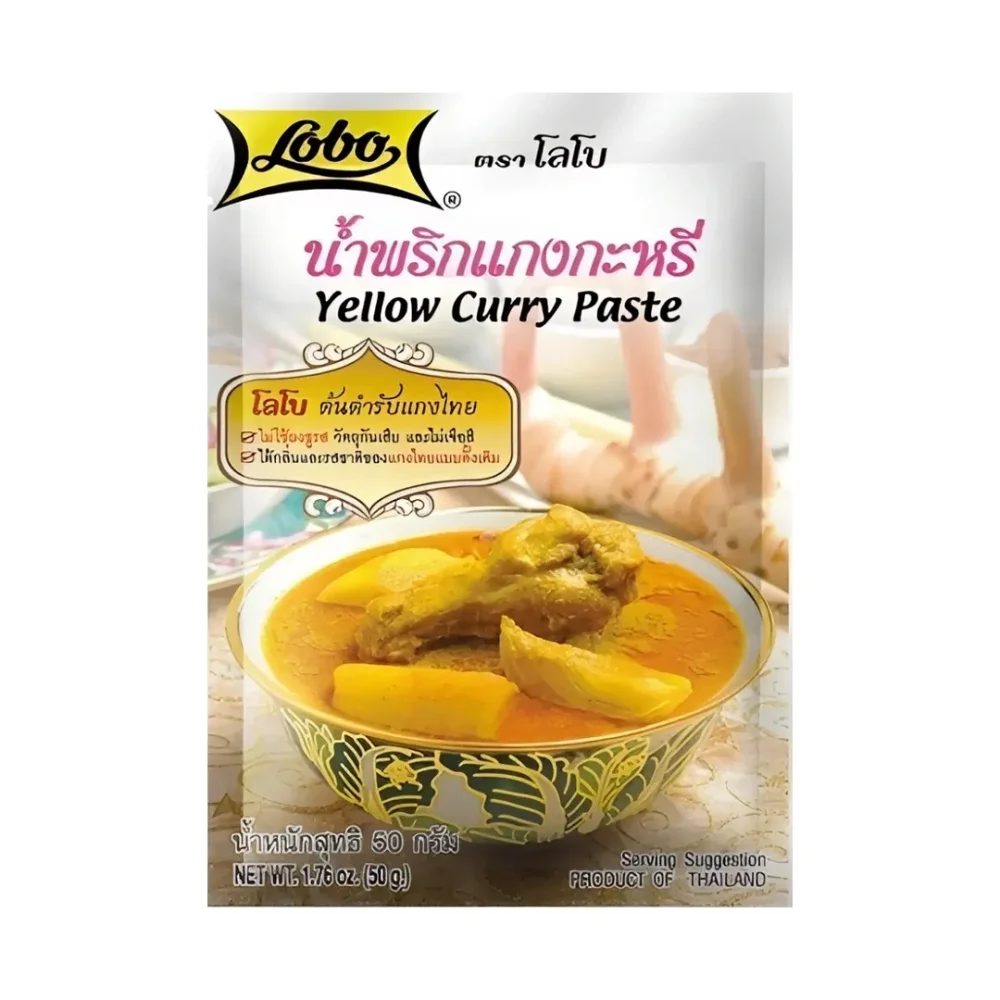
- “Awakening” spices in fat: a short heating releases essential oils and changes the flavor (raw vs. toasted spices taste different). In home practice you can notice this for example with curry pastes – for instance Lobo yellow curry paste makes sense precisely when you briefly bloom it in fat and only then adjust with liquid.
- Dry toasting: briefly bringing seeds to life enhances nuttiness and aroma. But watch the limit – blackening and smoky bitterness are typical beginner mistakes.
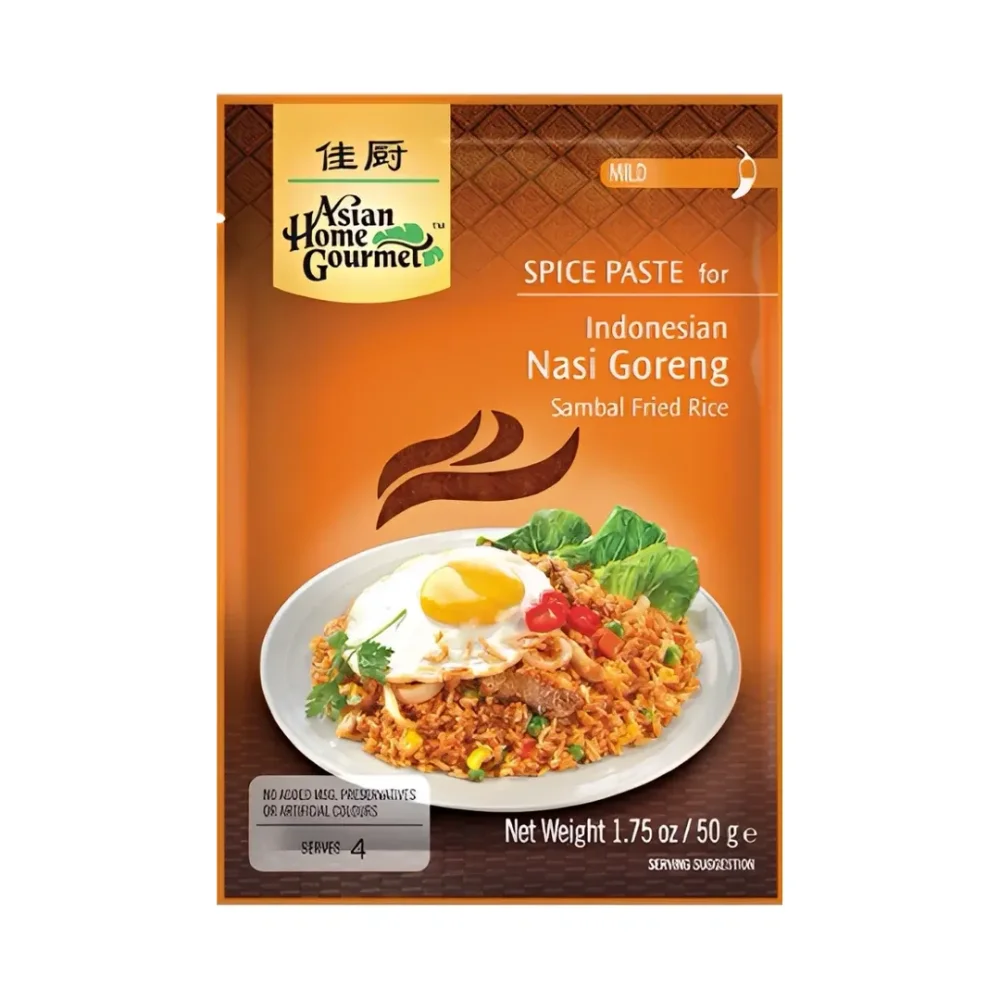
- Pounding and grinding into pastes: Southeast Asia often builds flavor on pastes where fresh aromatics and spices are combined into a specific texture. As an example of a “quick flavor backbone” a mix intended for fried rice can work, such as AHG Nasi Goreng rice paste – the principle is always the same: first bloom, then combine with the base.
- Final fresh touch: some herbs and aromatics have their greatest power at the very end (so they remain fresh).
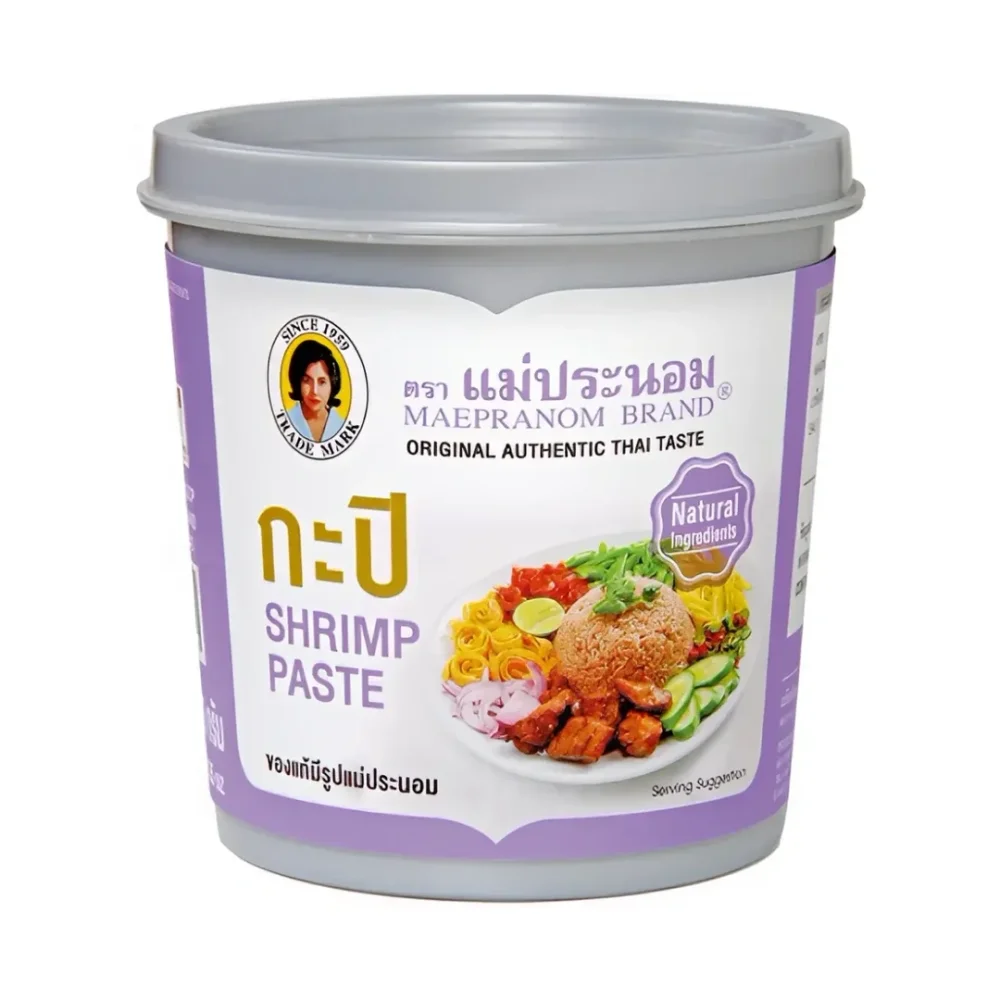
If you want to go into detail, a typical example of “intense but measured” flavor is working with concentrated pastes: Maepranom shrimp paste is literally an ingredient where it makes sense to start very carefully and build flavor in small steps.
Step 3: Learn final seasoning – a cooking sauce is not the same as a table dip
A big difference compared to the European habit of “seasoning everything in the pot” is the role of small bowls on the table. In Asian cuisine a dip is often not just “something to dip into” but can function as contrast, flavor enhancer and a way for everyone to adjust the dish to their taste.
- Cooking sauce: is part of the thermal processing, coats ingredients, forms the base.
- Table dip: is added at service and is often very concentrated in flavor.
- Final seasoning: deliberately small but with big impact (acidity, chili, aromatics, fermentation).
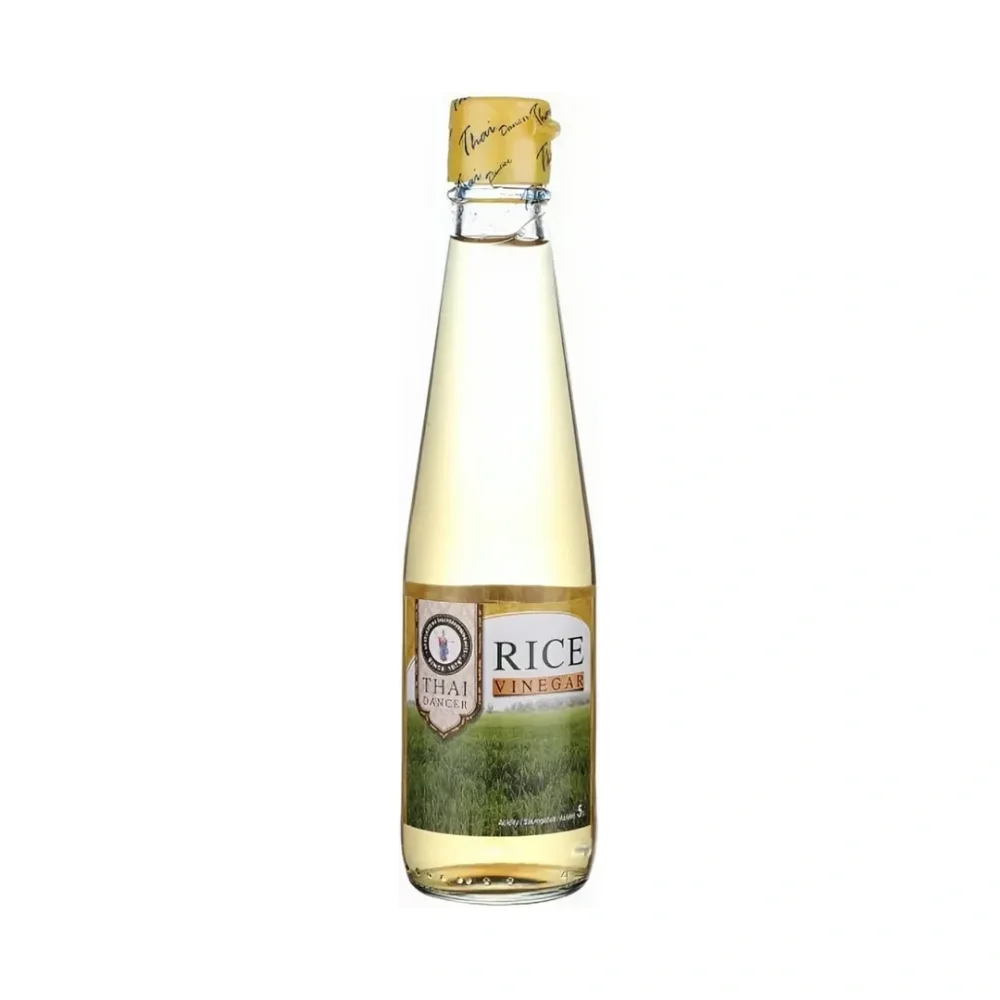
Vietnamese “nước chấm logic” beautifully shows the balance principle: a dip often arises from fish sauce, sugar, acid, chili and garlic – and the result is not just a salty sauce but a precise combination of saltiness, acidity, light sweetness, heat and aromatics. At home you can train a similar effect even without complexity by starting with acidity as a freshness controller: a mild rice vinegar, for example Thai Dancer rice vinegar, can be dosed by teaspoons into dressings and dips so the dish doesn't feel flat.
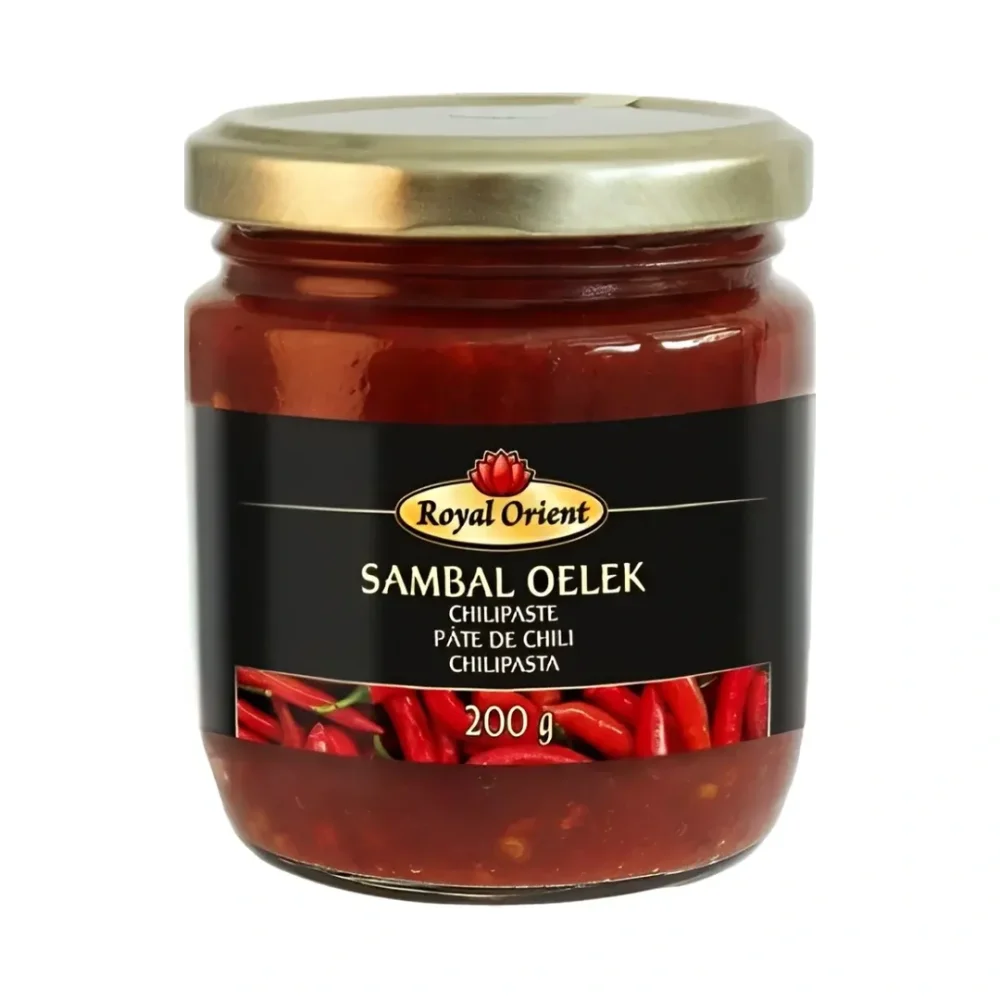
And if you want to control spiciness “on demand” (instead of everything being equally hot), it’s more practical to add it at the end: Sambal Oelek is a type of chili paste where it makes sense to start with a really small amount (for example a tip of a teaspoon per serving) and add gradually.
Common mistakes and misunderstandings: why “Asian” sometimes seems heavy or unbalanced
- Oversimplifying to “rice for breakfast”: Asian breakfasts are not one type of meal. Besides rice, noodles, broths, porridges, pancakes, fermented doughs and toast breakfasts are common.
- Imposing the European logic of a sweet breakfast as standard: if you want to try the Asian style, try at least some weeks based on a savory, warm breakfast. You’ll understand much better why a bowl, broth or porridge works.
- Burnt aromatics: when dry toasting, spices should be just aromatic, not blackened and smoky. The same rule applies to pastes – the goal is to bloom, not to burn.
- Poor timing of herbs: some aromatics belong at the beginning (for the base), some only at the end (for freshness). If you put everything in the pan at once, you easily lose the final “liveliness.”
- Confusing cooking sauce with table dip: the dip should be small, concentrated and often contrasting. If you pour it over the dish as the main sauce, the result is often oversalted or heavy.
- Unprepared ingredients when cooking quickly: mise en place decides for stir-fries and quick noodles. If you chop on the fly, some parts remain raw, others overcooked and the dish loses rhythm.
- Unclarities around “pepper”: black and white pepper behave differently and sansho or Sichuan pepper are not the same as classic pepper – they give more citrusy and specifically “numbing” tones than ordinary peppery bite.
What to take away from the article
- The Asian “healthier” style is in practice mainly about habits: warm savory breakfasts, aromatics as the backbone of flavor and small, clever final seasoning.
- To navigate Asian breakfasts, five worlds help: rice, noodles, porridge (congee), pancakes/fermented doughs, toast breakfasts.
- Spices and herbs work best when you know when to heat them in fat, when to briefly toast them dry, when to turn them into a paste and when to add them at the end.
- Dips and table sauces are not "extras" – they are often balance drivers, that keep a dish from feeling flat or heavy.
- The quickest improvements at home come from preparation: the right cut, uniform pieces, and ingredients prepared in advance.