


 Česky (CZK)
 Slovensky (EUR)
 Deutsch (EUR)
 Austria
 Belgium
 Bulgaria
 Croatia
 Denmark
 Estonia
 Finland
 France
 Germany
 Greece
 Hungary
 Italy
Italy Latvia
 Lithuania
 Luxembourg
 Netherlands
 Poland
 Portugal
 Romania
 Slovenia
 Spain
Spain Sweden










Typical Thai dishes: what they taste like and how to recognize them
"Typical Thai dishes" are not just a few famous names like pad thai, tom yum, or green curry. Thai cuisine is based on balancing contrasts – saltiness and umami, sourness, sweetness, spiciness, and herbal freshness – and it is this flavor logic that connects Thai dishes across styles and regions. In the article, we will show you how to navigate typical Thai dishes, what the main differences between the most common types of dishes are, and how to put together the Thai taste at home without unnecessary mistakes.
🌶️ What is really typical for Thai cuisine (orientation)
Before we dive into specific "types of dishes," a short map of what repeats most often in Thai cuisine will help:
- Balancing contrasts: typical Thai flavor combines salty/umami, sour, sweet, and spicy so that the result feels fresh and energetic, but not chaotic.
- Strong role of fresh herbs and aromatics: distinct aroma and “green” freshness are not decoration but a key part of the flavor.
- Work with pastes and seasoning sauces: instead of long broth simmering or hours of stewing, Thai cuisine can quickly build depth using concentrated bases.
- Quick preparation for many dishes: many dishes are made swiftly (typically in a wok or as a quick soup), so timing and gradual seasoning are important.
- Regional differences: the same dish name may taste slightly different in various places – but the common flavor logic often remains.
Main types of typical Thai dishes and how they differ
Noodle dishes from the wok (pad thai as a well-known example)
Pad thai is a well-known representative of Thai “fast pan” dishes: foods where flavor is built in layers, but in a short time. Typically, the final taste is not just salty or just spicy – often sourness and mild sweetness play a role, plus an aromatic component.
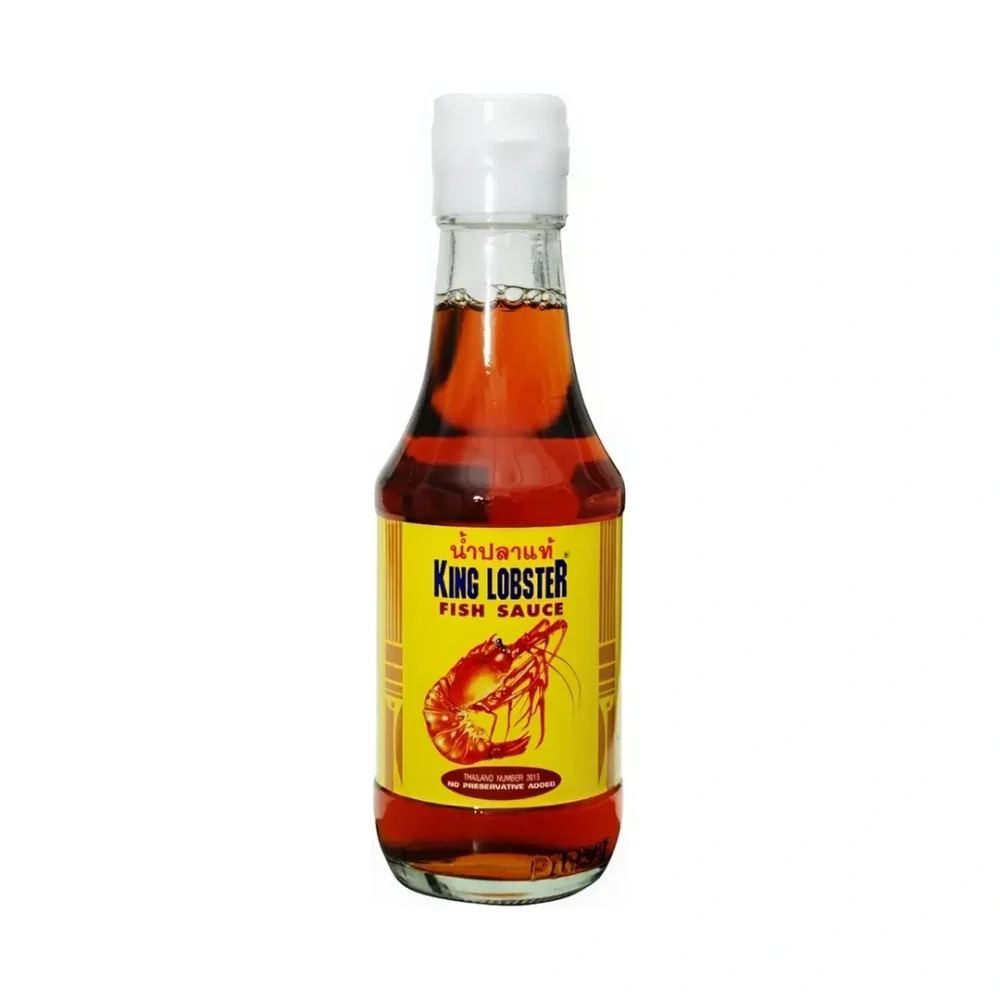
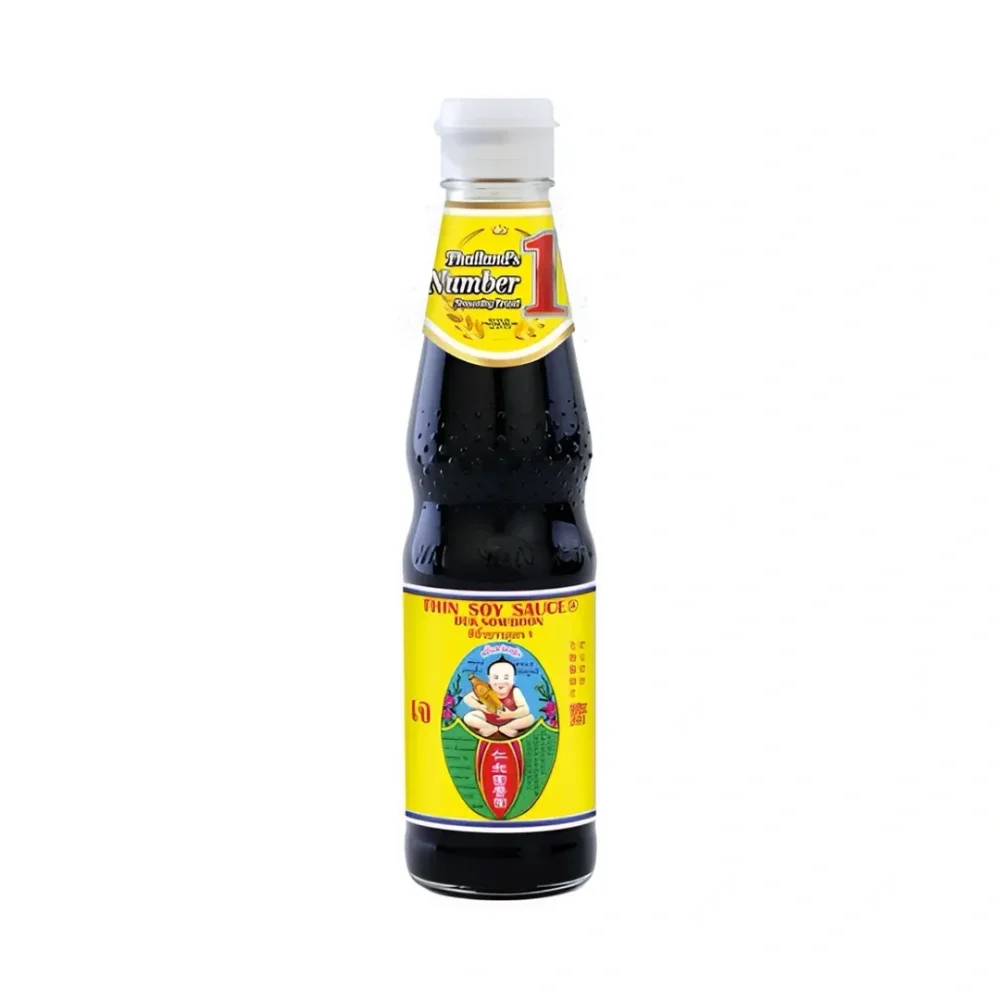
For this type of dishes, it is practical to have seasonings handy that can quickly add saltiness and umami. In Thai style, fish sauce and soy sauce are often used; for home cooking, it is useful to have basic versions that can be dosed little by little, for example King Lobster fish sauce and Dek Som Boon light Thai soy sauce.
👃 Aromatic soups (tom yum as a well-known example)
Tom yum is among dishes that brilliantly show the Thai ability to combine strong aroma and freshness with fuller salty taste. In this type of dishes, work with aromatics (such as galangal, lemongrass, or makrut lime leaves) is important – not just “for the scent,” but to make the taste clear and clean.
Practical note: aromatics are often used as a flavor base. In some soups, they are present more for scenting than as ingredients meant to be commonly eaten – so it makes sense to perceive them as “whole spices,” handled delicately.
Curry (e.g., green curry) and why it's good to distinguish “curry” from curry
Green curry is often taken as a typical Thai dish – and at the same time, it is a good opportunity to correct a common misconception: “curry” is not a single category. In European contexts, various bases that differ in ingredients, technique, and final taste are hidden under this word.
- Curry paste: a wetter, more concentrated base, often with fresh or wet components. Typically briefly fried and quickly builds aromatic depth.
- Curry powder (spice mix): a dry mix of ground spices – it works differently in flavor and technique than paste.
- Curry roux: another different type of base typical for cuisines other than Thai.
For Thai style, working with paste and subsequent balancing of flavors is essential. If someone expects that a “teaspoon of curry powder” will create the same as Thai curry paste, they often end up with a dish that is spiced but not “Thai lively.”
Rice as a base (not just side dish)
Rice plays a strong role in Thai cuisine – it is not just a side dish but a stable “anchor” that balances bold dishes. Therefore, it makes sense to think of rice as part of flavor balance: the more aromatic and intense the sauce, the more you will appreciate rice that softens and unites the dish.
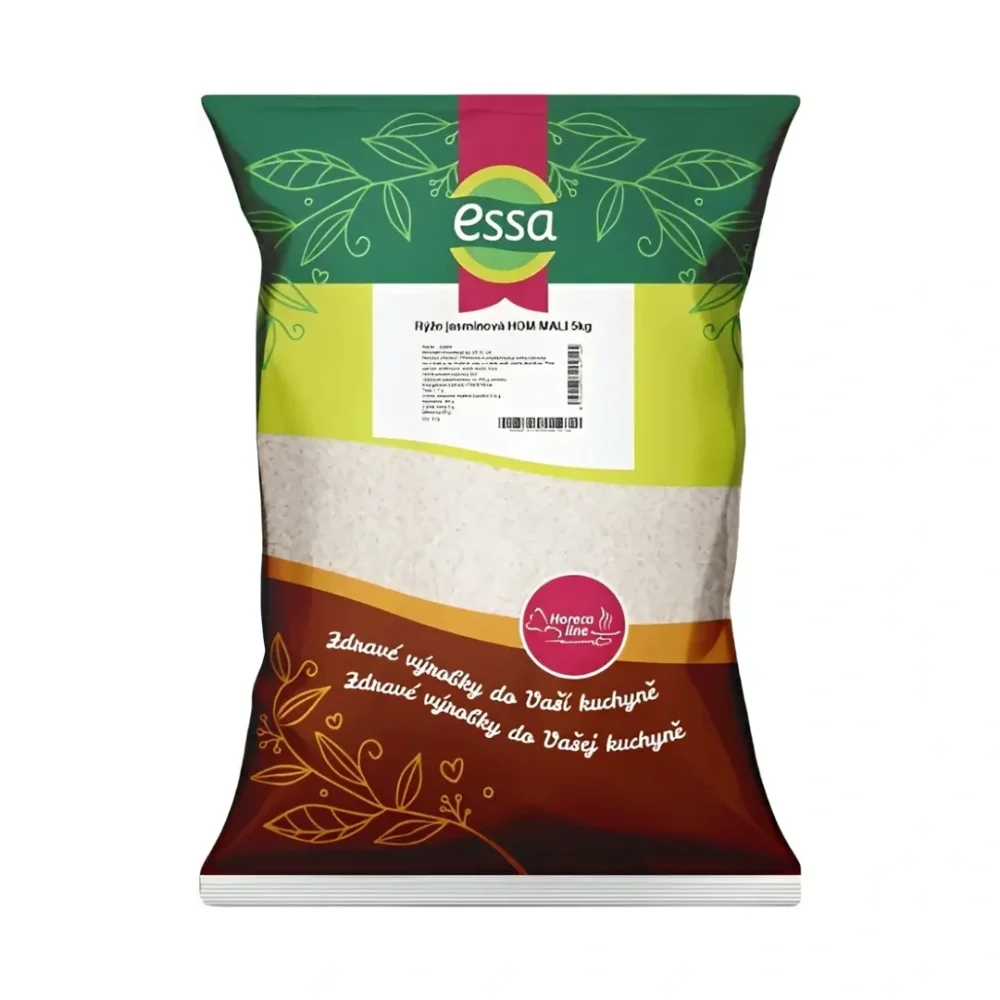
Jasmine rice is often the classic choice; for home cooking, a practical base can be, for example, Hom Mali ESSA jasmine rice.
Coconut line: when coconut holds the dish together
Coconut in Southeast Asia is not “one ingredient,” but a family of products that differ in taste, texture, fat content, and use. In Thai-inspired dishes, coconut may serve as a subtle background but also as a main building block that rounds sharpness and connects curry.
- Coconut milk is suitable as a liquid base for sauces and curries when you want creaminess but don’t want to thicken unnecessarily.
- Coconut cream (and especially more concentrated variants) fits where coconut is meant to “pull” and where you don’t want to add too much water.
- Coconut cream can be purely culinary but sometimes also partly dessert-like – you can’t automatically tell without verifying the composition.
Texture and “crunch”: bamboo shoots as a typical ingredient in sauces
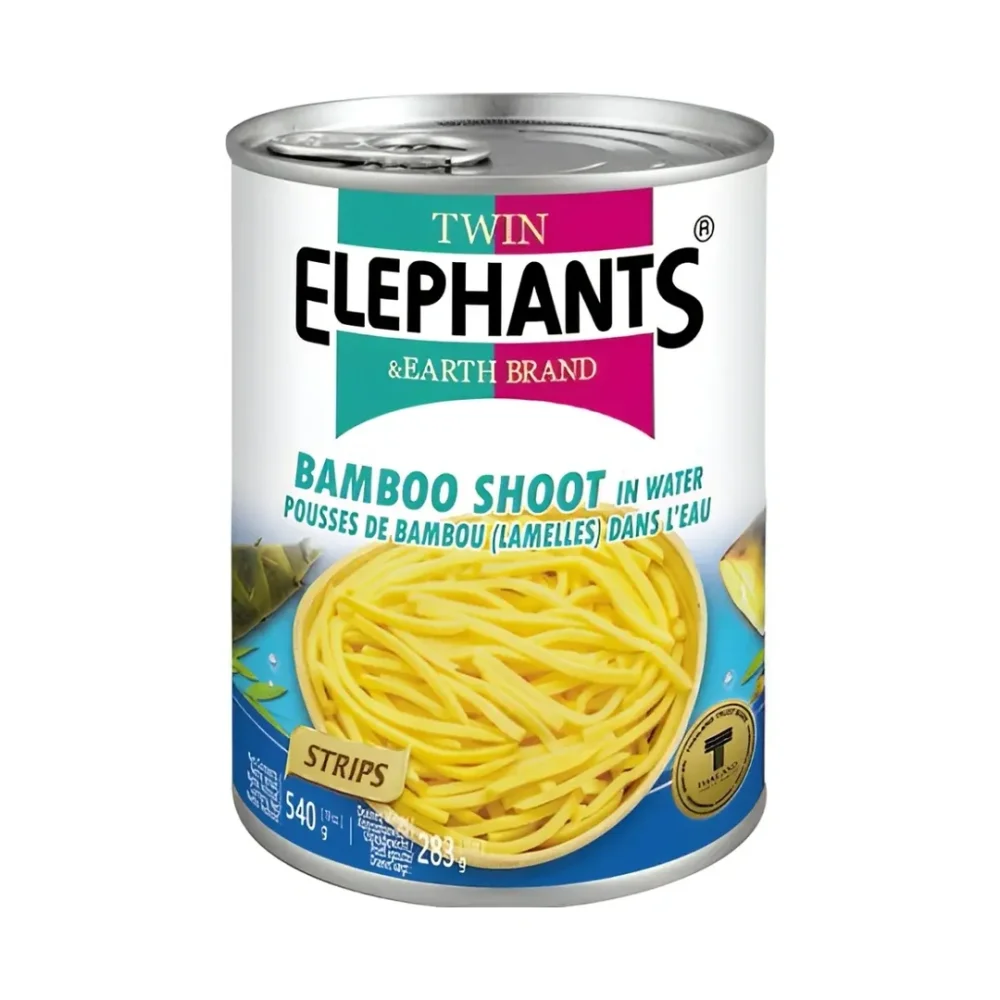
Besides flavor balance, Thai dishes are also typical for working with texture – so the dish isn’t just “soft in the sauce.” A practical example is bamboo shoots, which add crunch and work well in curries and stir-fry dishes. If you want to try this texture without complicated preparation, something like Twin Elephants bamboo shoots stripsis suitable.
How to put together Thai flavor at home (practically and without a recipe)
It is most useful to think of Thai seasoning as a “mix of controls” that you adjust gradually. The goal is not only spiciness but balance.
👃 1) Basic “control levers”: salty/umami + sour + sweet + spicy + aromatic
- Saltiness and umami: fish sauce and soy sauce. For 2 servings, start carefully – perhaps 1–2 teaspoons of fish sauce and 1 teaspoon of light soy sauce, mix, and then adjust by half teaspoons. It’s easy to “oversalt” Thai dishes right at the start.
- Sourness: add in small doses (and taste). Sourness is key in Thai flavor, but if you overdo it, it will overpower the aroma and umami.
- Sweetness: often just a small counterpart to sourness and spiciness – it’s not meant to make the dish a dessert, but to round edges.
- Spiciness 🌶️: dose gradually, especially if you use more concentrated chili bases.
- Aroma: when working with chunk aromatics (e.g., lemongrass), watch that the dish is only scented and doesn’t become bitter from long aggressive cooking.
2) Chili sauces and chili pastes: when to use what
In practice, it’s good to distinguish chili sauce like sriracha from chili paste, even though both add spiciness.
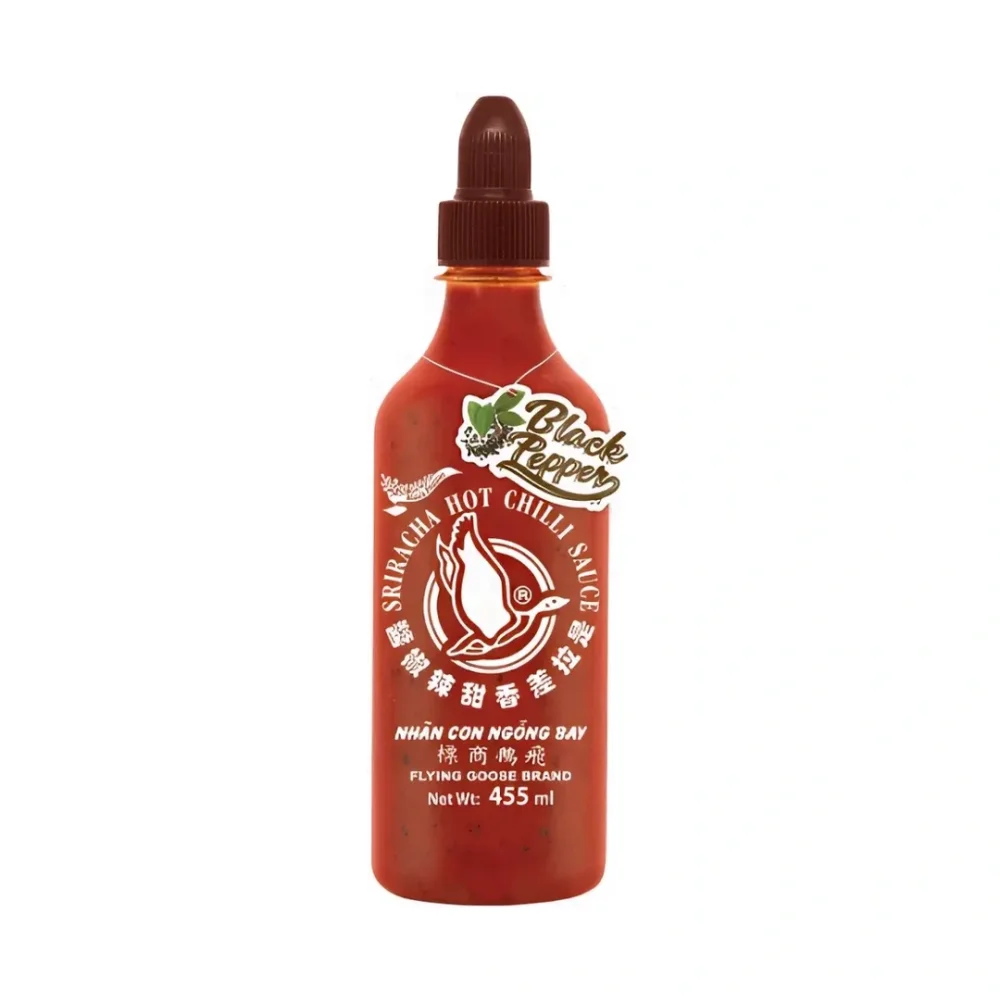
- Sriracha works as an easy “finisher”: it adds spiciness and also flavor. If you want to try sriracha in various flavor profiles, there are variants such as black pepper sriracha (Flying Goose).
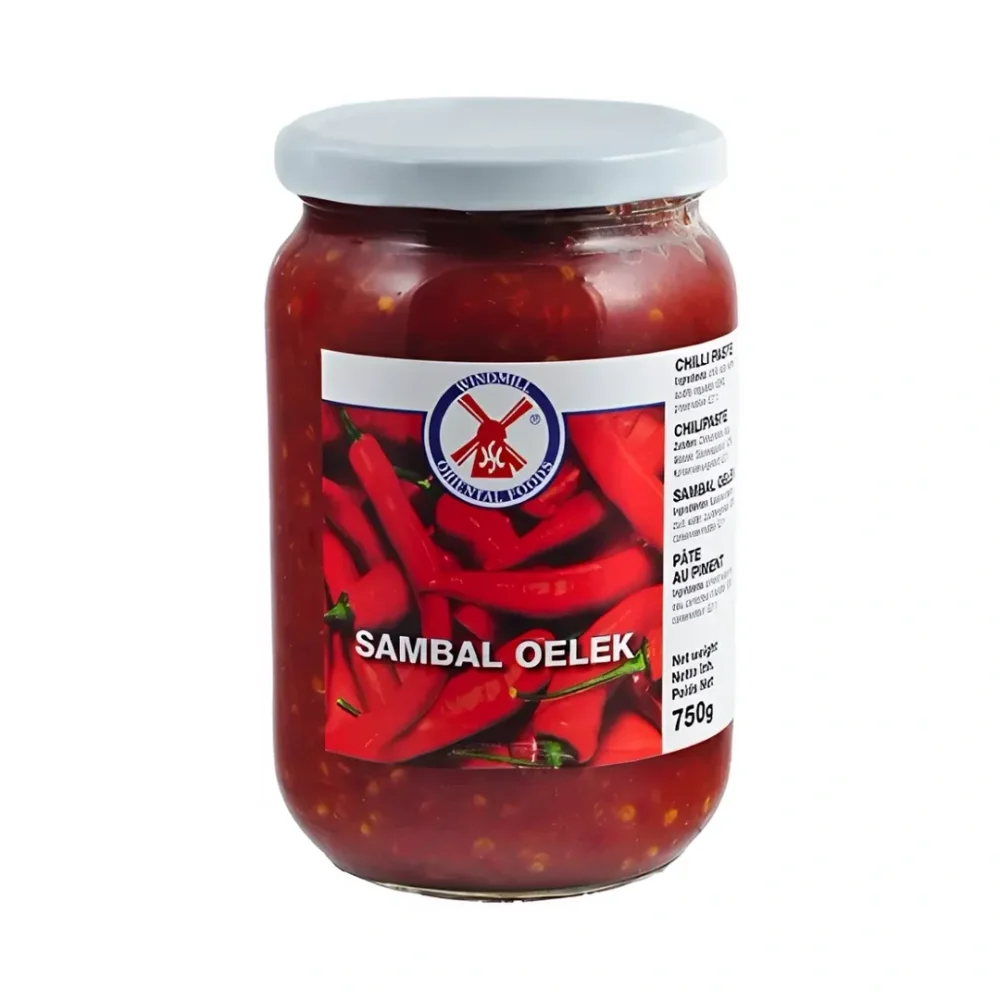
- Sambal oelek is a chili paste that is typically more straightforward and sharper; it suits when you want to add “pure” heat to a dish without changing the sauce character like with sweeter chili sauces. An example is Sambal Oelek chili paste (Windmill). It’s a different flavor style than sriracha – treat it as an alternative tool, not the same.
3) Curry in home cooking: the key is short “awakening” of the paste and then adjusting
For Thai curry, understanding the difference between curry paste and dry “curry spice” is crucial. Curry paste is a wet concentrated base and usually works by briefly frying first (to develop aroma and build aromatic depth) and only then adding liquid and adjusting flavor pillars (saltiness/umami, sourness, sweetness, spiciness, aroma).
Practical rule: season near the end and in small doses. In Thai style, small shifts often suffice to "flip" a dish from good to brilliantly balanced.
4) Rice as a safe stabilizer
If your sauce is a bit intense (spicier, saltier, or more sour) on the first try, rice will help balance the dish. For aromatic sauces, it’s proven useful to have rice prepared so you can easily add “extra” (when the flavor is intense).
💡 Common mistakes and what to watch out for
- “Thai = mainly spicy”: spiciness is just one component. If sourness or umami is missing, the dish feels flat – and chili is often unnecessarily overused.
- Confusing curry paste with curry powder/roux: the result is usually “curry” flavor but without typical Thai aromatic depth and freshness. For a Thai result, base yourself on the Thai type of base.
- Over-salting with fish sauce or soy sauce at the start: fish sauce and soy sauce are strong. Start with small doses, taste, and add gradually.
- Uncertainty with coconut products: coconut milk, coconut cream, and coconut cream are not automatically interchangeable. Especially “coconut cream” can be culinary or dessert-like – if the sauce turns suspiciously sweet or dense, it’s a common reason.
- Flavor without “liveliness”: when the dish is salty and spicy but still kind of “heavy,” a small balance adjustment (some sourness or herbal component) often helps, not more salt or chili.
What to take away from the article
- Typical Thai dishes are mainly united by a flavor logic: balancing saltiness and umami, sourness, sweetness, spiciness, and aromatic freshness.
- “Curry” is not one thing: curry paste is a different base than curry powder or roux – and in Thai style, the paste plays a crucial role.
- Rice is not just a side dish but a practical “anchor” that helps balance intense sauces and soups.
- Coconut products form a family with different properties; mixing milk, cream, and cream is a common source of disappointment.
- In home cooking, the best approach is gradual seasoning and continuous tasting – Thai style is about small, precise steps, not one “miracle” ingredient.

Read next
If you want to explore this topic further, continue with these related blog guides and articles:
