


 Česky (CZK)
 Slovensky (EUR)
 Deutsch (EUR)
 Austria
 Belgium
 Bulgaria
 Croatia
 Denmark
 Estonia
 Finland
 France
 Germany
 Greece
 Hungary
 Italy
Italy Latvia
 Lithuania
 Luxembourg
 Netherlands
 Poland
 Portugal
 Romania
 Slovenia
 Spain
Spain Sweden










Typical Korean dishes: how to understand them by rice, noodles, soups, and street food
Korean cuisine is often presented as a list of “iconic” names. For practical orientation, however, it works much better to understand, in what format the food comes to the table: a bowl of rice, a noodle bowl, soup as a main dish, or a quick/street food approach. In this guide, we will show the main groups of typical Korean dishes, how to recognize them, what to expect from them, and how to start making them at home without unnecessary mistakes.
Introduction: why it makes sense to learn Korean dishes “by groups”
In many Asian cuisines, rice, noodles, and soups are not just side dishes or appetizers. Often they are separate food worlds – with their own logic of taste, texture, satiety, and serving style. This is good news for Korean cuisine: once you understand the basic formats, you can more easily recognize what to choose according to your mood (light vs. heavy, “dry” vs. broth-based, mild vs. spicy) and what makes sense to try at home first.
What to imagine under a “typical Korean dish” (orientation)
“Typical” doesn’t have to mean just a festive specialty or one specific name. For everyday cooking and first tastings, it’s more practical to look at Korean dishes through what forms the center of the plate:
- Rice as a stable, neutral base, around which stronger flavors, textures, and complements are arranged (often in one bowl).
- Noodles as a full-fledged meal – in broth, stir-fried, mixed “dry,” or seasonally even cold.
- Soups as a main dish – from clear broths to thicker “stew” styles.
- Quick meals and street food, where speed, specialization, and distinct, easily recognizable flavor are important.
This perspective is also useful at home: instead of asking “Do I know this name?” you ask the more practical question, “Do I want a rice bowl, noodles, or soup today?”
Main groups of typical Korean dishes (and what distinguishes them)
1) Rice dishes: rice is not just a side dish
Rice in many Asian cuisines often functions as the center of the meal: it is a stable base meant to balance more intense complements. Practically, you will most often encounter rice in two forms:
- Rice with a topping in one bowl: a clear logic of “base + topping.” You eat it as a whole, and the rice dampens saltiness, spiciness, and strong umami.
- Mixed and composed rice dishes: the rice is already part of the final flavor – mixed with sauce and other ingredients, not just a “base.”
Texture makes a big difference. In general, rice with a higher amylose content is fluffier and less sticky, while rice with a lower amylose content is softer and stickier. And so-called sticky rice has very little or almost no amylose; after cooking it is elastic and cohesive. When something “doesn’t feel right” in your rice bowl, it is often not wrong seasoning but expecting a different texture.
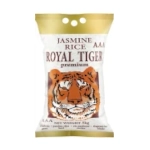
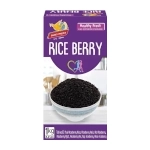
For quick orientation in types, a guide Rice and rice products. If you want to try different textures without high expectations, it’s practical to also explore Other rices and find a style that suits your bowls.
2) Noodle dishes: it’s not one thing, but several “worlds”
Noodles are not “one ingredient.” Noodle dishes are entire families of dishes that differ by type of noodle, cooking method, role of broth or sauce, and whether it’s a comfort bowl, quick meal, or street food. For orientation, it helps to divide them into four groups:
- Noodle soups and broth bowls: the liquid base is key; the noodles have to “carry” the broth and the dish relies on the interplay of broth, noodles, and complements.
- Stir-fried and wok noodle dishes: quick preparation; the sauce is rather reduced and coats the noodles.
- Dry, mixed, and dipped noodles: emphasis on noodle texture and strong sauce; eaten mostly “dry.”
- Cold and seasonal noodles: play with temperature and freshness; not always best as a very first experience, but good to know about.
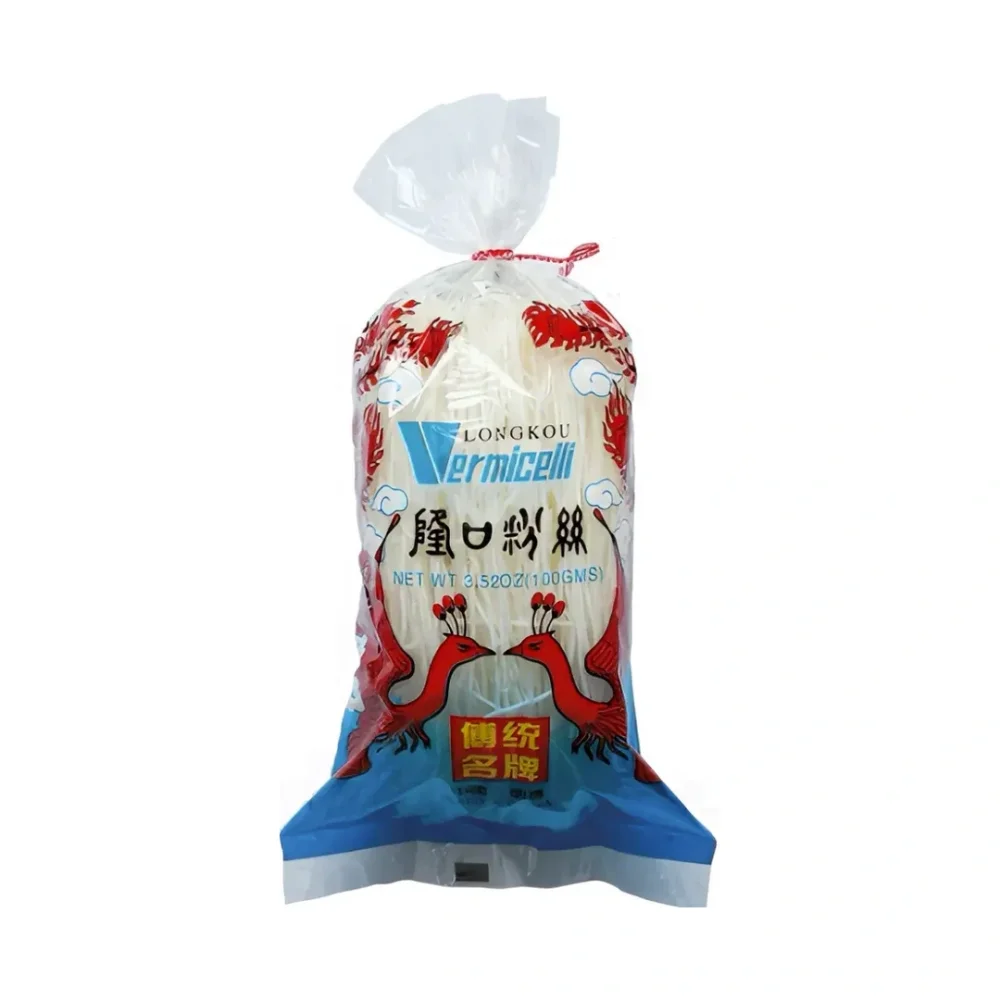
A well-known Korean noodle style often mentioned is japchae (mixed noodles with vegetables and sauce). For a home start, suitable noodles are those that soften quickly and absorb flavor well – for example, Nan Fen Zhuang Glass noodles.
With noodles, the trickiest thing is that preparation differs from piece to piece: some are boiled, others just soaked; sometimes you need to rinse after cooking, other times not. When the result falls apart or is on the other hand tough, it’s often not the sauce but a mismatch between the noodle type and dish style.
3) Soups: in Asia often a main dish, not just “something to start”
Soups in the Asian concept are not automatically “appetizers.” In many countries, they are a full main dish, common breakfast, street food, and home comfort food. For orientation, it helps to distinguish four basic “worlds”:
- Clear and broth soups: rely on broth flavor, usually clear and straightforward.
- Thicker and stew styles: heartier; often characterized by one strong seasoning ingredient and longer simmering of flavors.
- Coconut and curry soups: creaminess and aroma are important (useful for comparison across Asia, even if it might not be your starting point in Korean cuisine).
- Sour and refreshing soups: rely on contrast; often feel lighter, even if they can be rich.
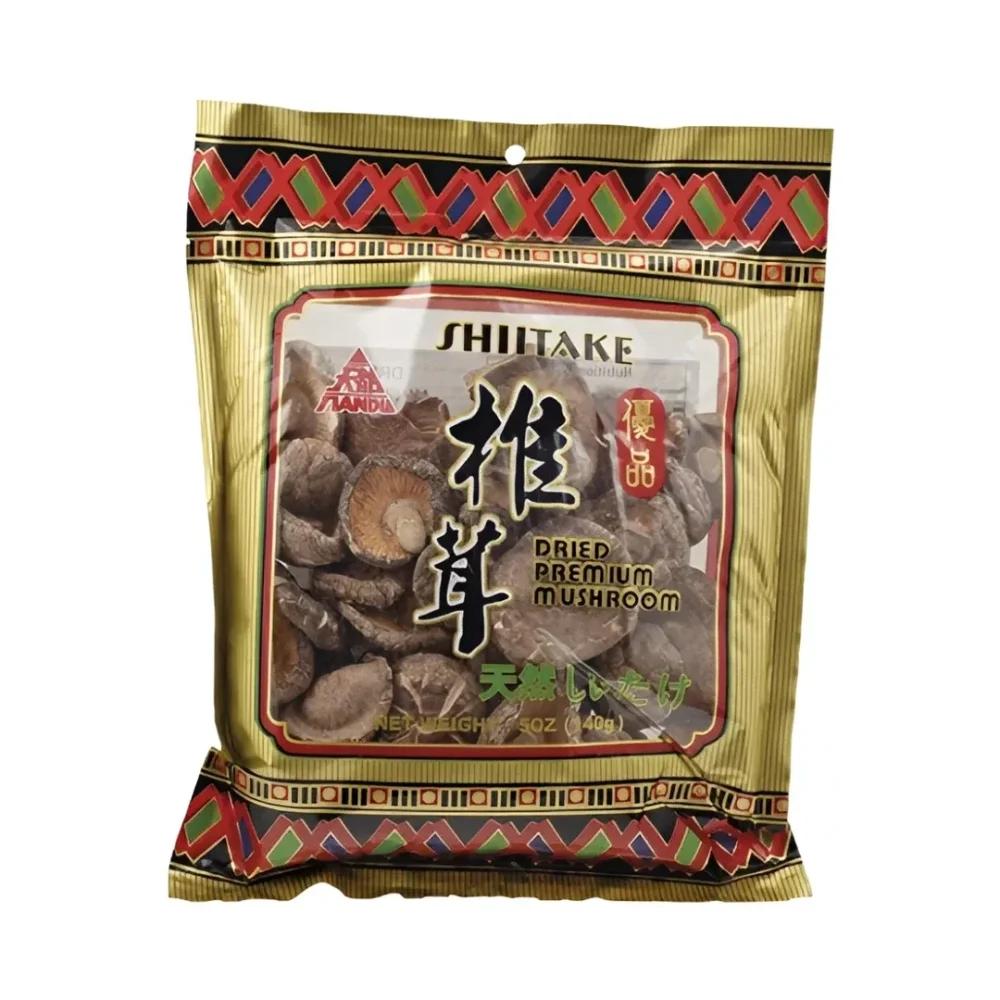
Fermented pastes are often used for quickly adding depth to soups and stews – for example doenjang (fermented soybean paste with strong umami and saltiness). And if you want to add umami to a broth base without complicated seasoning, dried mushrooms work well (usually a small amount suffices) – for example, Tiandu Shiitake Mushrooms.
4) Quick meals and street food: bold taste, quick finishing, specialization
Street food is not just “food to hand.” It is typically prepared quickly (or finished quickly), the seller specializes in a few things, and the flavor tends to be bold and easily recognizable. Important note: many dishes can exist in quick forms – a rice bowl, noodle bowl in broth, and “dry” noodles can all be street food depending on context.
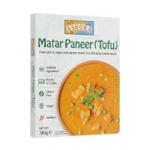
As a quick reference for portions and flavor (so you have an idea of what a finished bowl can look like), you can use the category Ready meals. Take it mainly as a guide until you find your style at home.
How to start at home: choosing food by taste and situation (practically)
The quickest start is to choose a format (rice / noodles / soup) and one main seasoning. The goal is not “perfect authenticity,” but a clear result you can learn from.
Step 1: choose the “bowl” that suits you
- I want something hearty and stable → a rice bowl (rice as the center + a stronger complement).
- I want a quick meal without broth → stir-fried/mixed noodles (also good for using up vegetables).
- I want something warm and comforting → soup or thicker stew style.
- I want “something in street style” → a portion that can be quickly finished and has a clear flavor signature (often one bowl, without complicated serving).
Step 2: seasoning – start with a small amount and adjust “to volume”
With strong fermented pastes and chili components, the safest approach is the same: add less, stir, taste, then add more. Practical approximate dosing for 1 normal portion of bowl/soup:
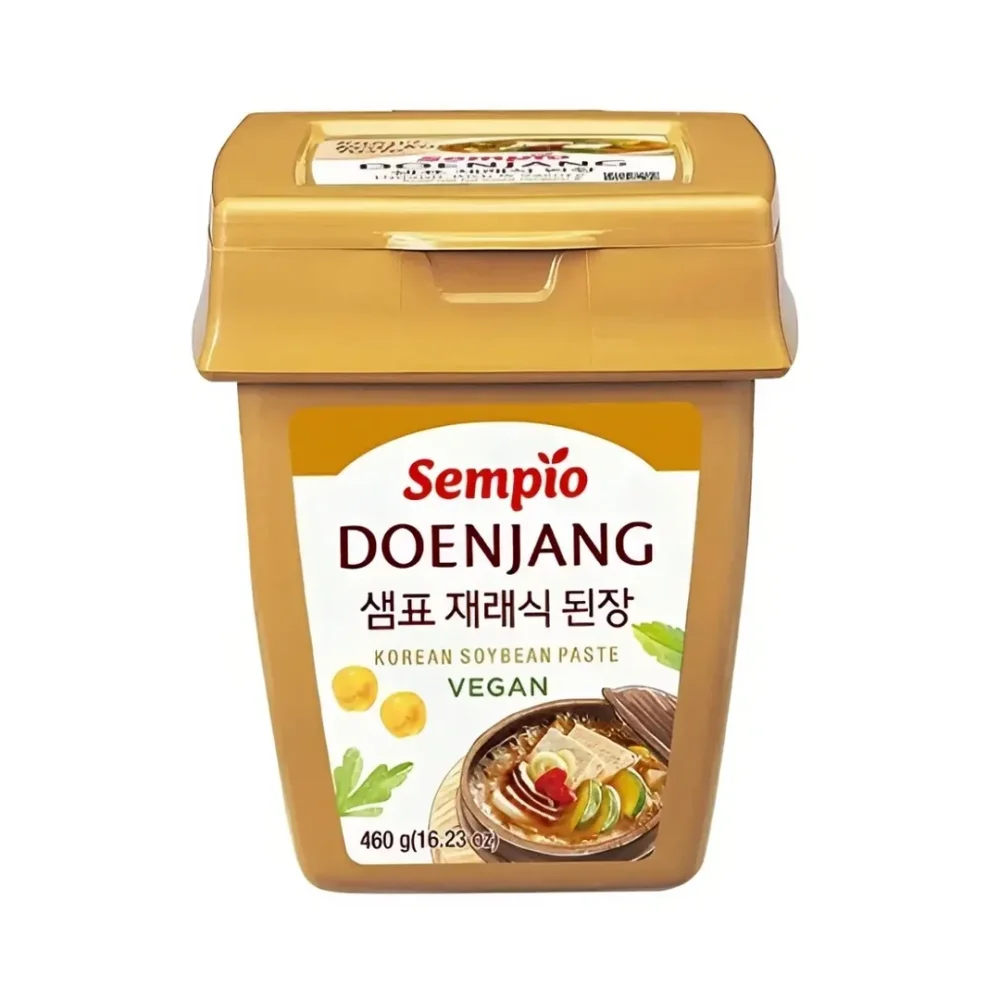
- Doenjang: try starting with about 1/2–1 teaspoon, mix well in liquid and then adjust. Practical example: Sempio Doenjang soybean paste.
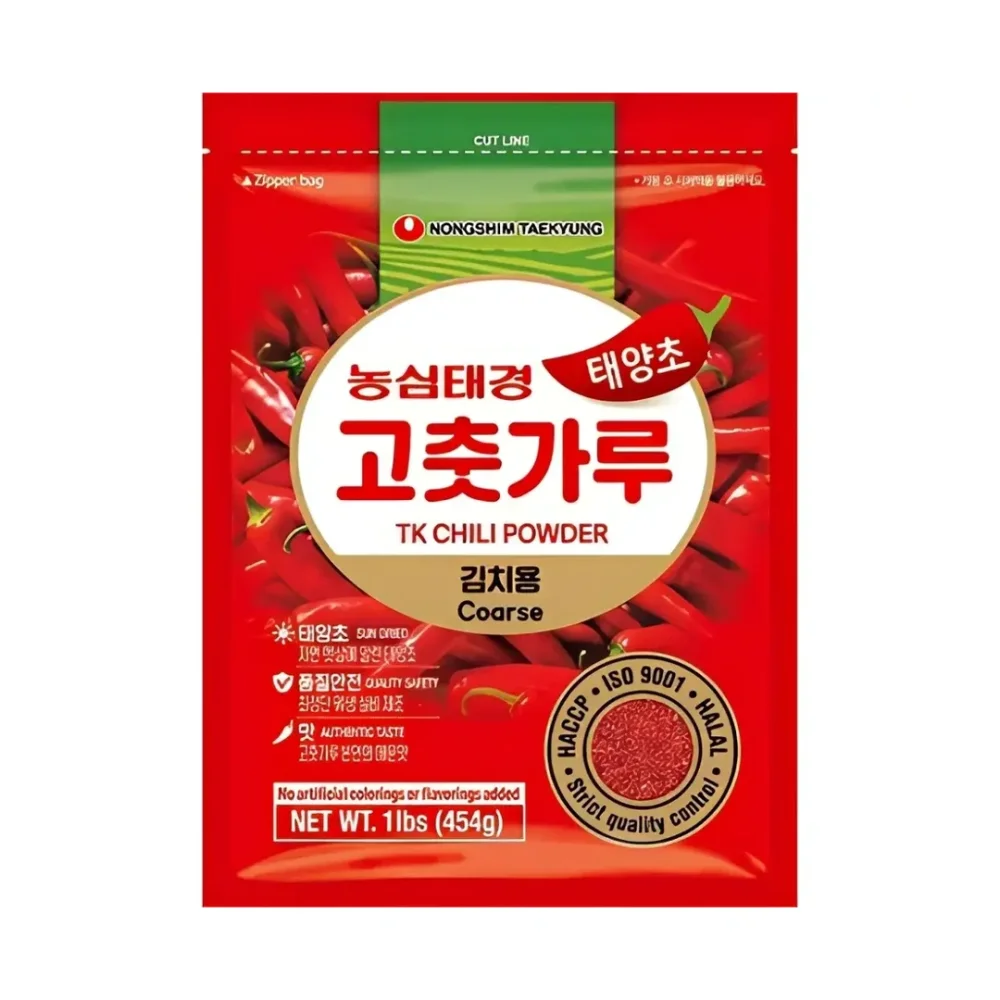
- Chili component: if you don’t want a spicy bowl right away, build heat gradually. Useful is Nongshim coarsely ground gochugaru chili powder (in addition to heat, it adds paprika flavor and a slightly grainy texture). Start with a pinch and add in small amounts.
If you overdo it (saltiness/spiciness/umami), it usually works better to increase the volume (more rice, noodles, water/broth, vegetables) rather than adding more seasonings to “counteract.”
Step 3: quick japchae-style noodles – without a recipe but with certainty of structure
A simple framework works well as practical onboarding: “noodles + vegetable + sauce,” where you mainly watch noodle texture and sauce amount:
- Prepare the noodles according to type (for some the difference between “just soften” and “completely overcook” is minutes).
- Stir-fry the vegetables briefly on high heat, so they keep their texture. Add tofu/meat to taste.
- Add sauce so that it coats the noodles, not so they “swim” in it. Too much sauce makes the dish heavy and the noodles quickly lose their pleasant texture.
If you want to add more depth to the “noodle” flavor without complicated layering, you can very sparingly include umami components (for example a small portion of doenjang in the sauce) – but always drop by drop and tasting.
Step 4: quick broth bowl as a reference
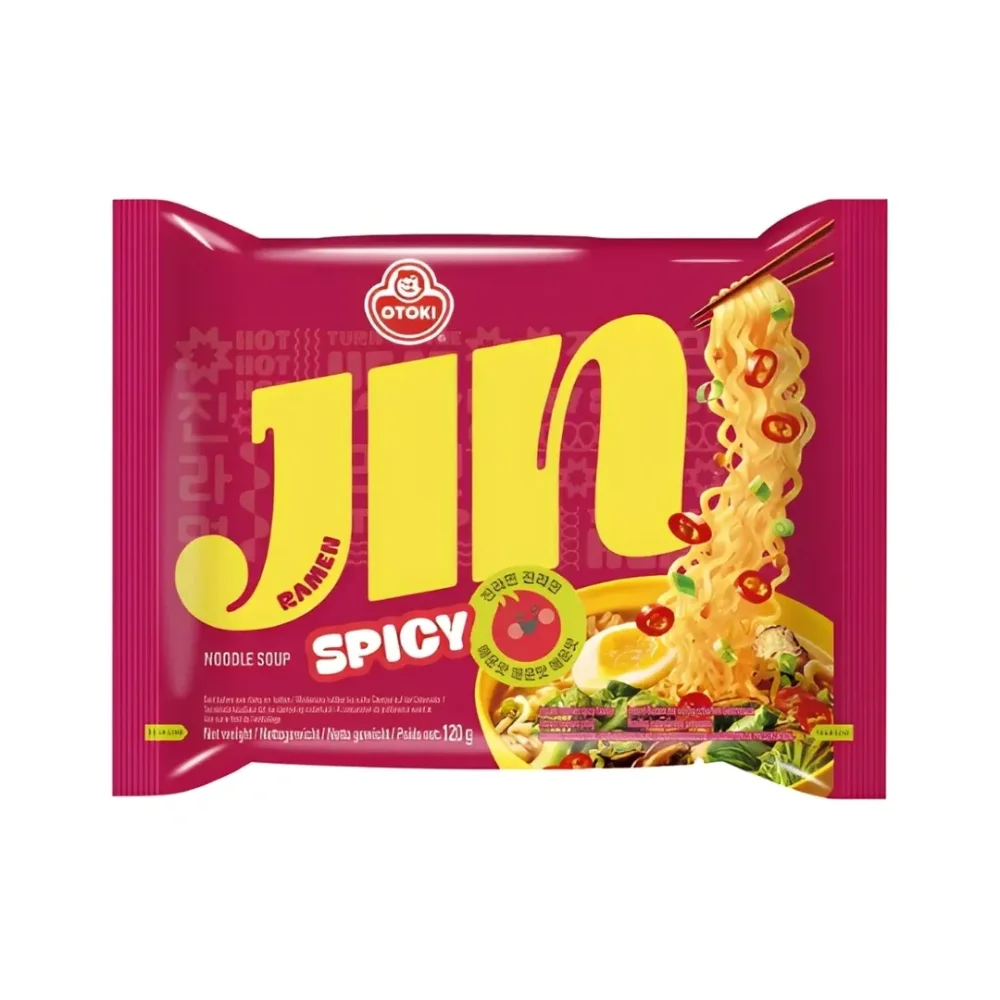
With broth noodle bowls, it helps first to recognize how the base should taste. A quick reference point can be Otoki instant noodles Jin Ramen (spicy). It’s not the “only right” style, but an easy way to set expectations: a pronounced broth, noodles as flavor carriers, and the option to complement the bowl with simple additions (egg, spring onion, vegetables).
💡 Common mistakes and what to watch out for
- Treating rice only as a side dish: in rice bowls, rice is often the stable center. If there’s too little, the whole dish can seem excessively salty or spicy.
- Assuming “noodles are noodles”: it depends on what the noodles are made of, what texture they should have, and whether they are meant to carry broth, thick sauce, or be eaten almost dry. The wrong type of noodle often leads to a mushy or conversely tough result.
- Thinking soup is automatically an appetizer: in the Asian concept, soup is often a main dish. If you treat it “European style” only as a light starter, it tends to lack structure and satiety.
- Overdoing pastes and spiciness: with fermented pastes and chili components it’s safer to add in small doses. If you overdo it, fix it more by adding rice/noodles/vegetables or liquid rather than adding more seasonings.
- Confusing sauces and pastes across cuisines: similar appearance does not mean the same function. For example, Lobo paste for Khao Soi curry noodles is meant for the curry style and is not a “substitute” for Korean fermented pastes. If you want a Korean character, stick to Korean seasoning principles and dosing.
- Understanding street food only as “food to hand”: it is typically about quick finishing, specialization, and bold taste. Even a bowl with noodles or soup can be street food depending on context.
What to take from the article
- For orientation in Korean dishes, it is most practical to look at groups by format: rice, noodles, soups, quick/street food dishes.
- Rice often functions as a stable, neutral center, balancing stronger flavors – and its texture can vary greatly by type.
- Noodles are not “one thing”: the difference lies in whether they are in broth, stir-fried, mixed “dry,” or cold.
- Soup can be a main dish – it makes sense to treat it as such (heaviness, structure, complements).
- For a home start, a simple rule works: choose one format and strong components dose gradually (mix, taste, adjust).

Read next
If you want to explore this topic further, continue with these related blog guides and articles:
