


 Česky (CZK)
 Slovensky (EUR)
 Deutsch (EUR)
 Austria
 Belgium
 Bulgaria
 Croatia
 Denmark
 Estonia
 Finland
 France
 Germany
 Greece
 Hungary
 Italy
Italy Latvia
 Lithuania
 Luxembourg
 Netherlands
 Poland
 Portugal
 Romania
 Slovenia
 Spain
Spain Sweden










How to properly prepare green and traditional teas: differences, procedure, and common mistakes
With tea, technique often matters more than the “brand”: the same name can taste completely different depending on origin, processing, and how you brew it at home. In this guide, we will clearly clarify what true tea is, how green and other traditional styles differ (white, oolong, black, dark), and how to set a simple procedure that makes the flavor cleaner, less bitter, and easier to read.
🍳 Why “proper preparation” in tea is not a detail, but a foundation
With green and traditional teas, the result usually depends on several small things: dose, timing, water temperature, and repeated brewing. In Asian kitchens, it is often said that preparation even “before cooking” decides the outcome – and the same applies to tea. If tea is oversteeped or brewing water is too hot, it shows faster than most other drinks: delicate tones are lost, and astringency or bitterness predominates.
The good news is that it’s not a complicated discipline. You just need to understand some differences between styles and learn to taste the first infusions so you can adjust the procedure for your own tea and your own cup.
🌶️ What is true tea (and why types mainly differ by processing)
“True tea” is made from the leaves of the plant Camellia sinensis. But under the single word tea lie several great traditions which differ by origin, processing, flavor, aroma, and serving method. An important reference point: major differences between tea types are not because they are different plants, but mainly by processing method.
A practical consequence for home preparation: even if two packages bear similar names, they may not taste the same or behave the same when brewing. Therefore, it makes sense to start cautiously with every new tea (shorter infusion, less leaf) and gradually add more.
Green tea in practice: China vs. Japan and why they don’t taste the same
Green tea is typical for halting oxidation early. Because of this, it retains a fresher, “greener” character — it can taste grassy, seaweed-like, vegetal, or nutty. A crucial difference is in the technology: in China, leaves are often heated in a pan, while in Japan, they are typically steamed. This is one reason why Chinese and Japanese green teas do not taste the same.
Chinese green teas: gentler, nuttier, and often a “friendly” start
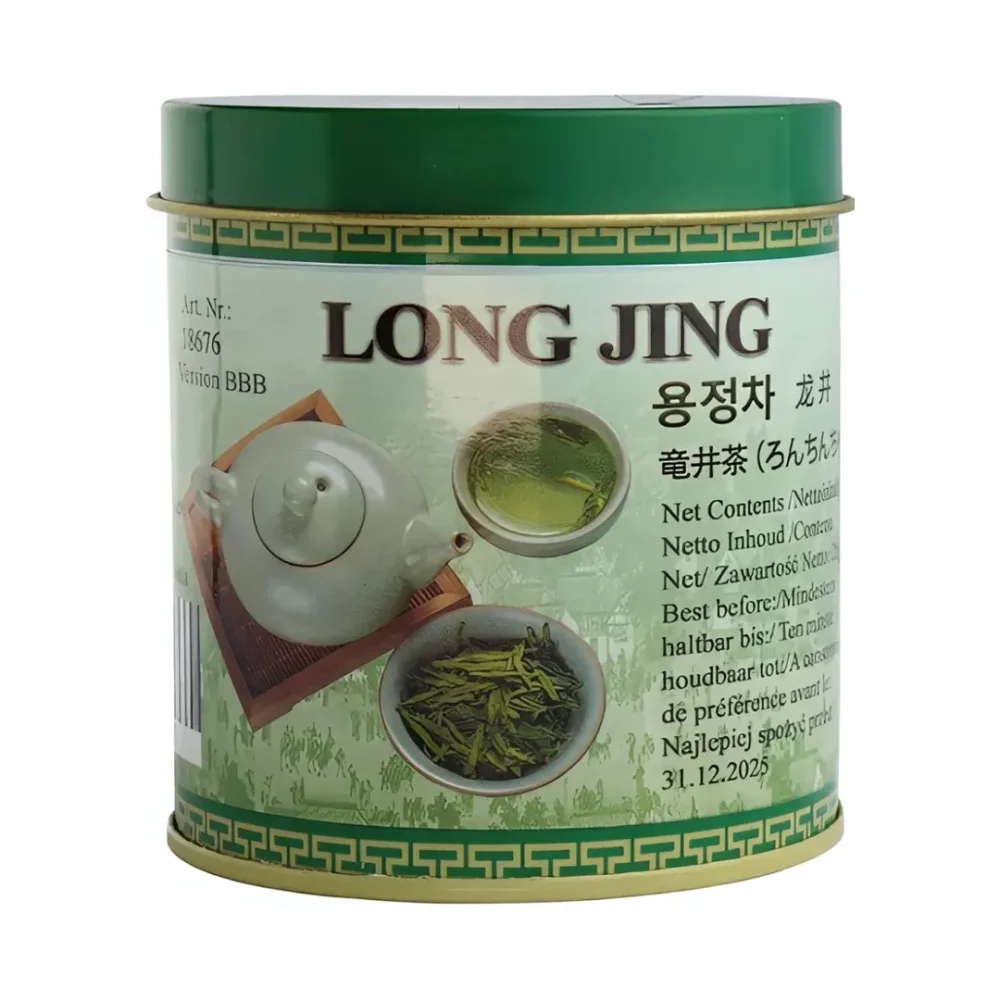
Chinese green teas are often gentler, nuttier, or more chestnut-like than Japanese ones. For many people, they provide a more approachable introduction to green tea than very “marine” and umami Japanese styles. If you want to start with something pure and delicate, it might make sense to try, for example, the Chinese style Long Jing (Dragon Well) – as a specific example you can take Golden Turtle Green Tea Long Jing 25 g.
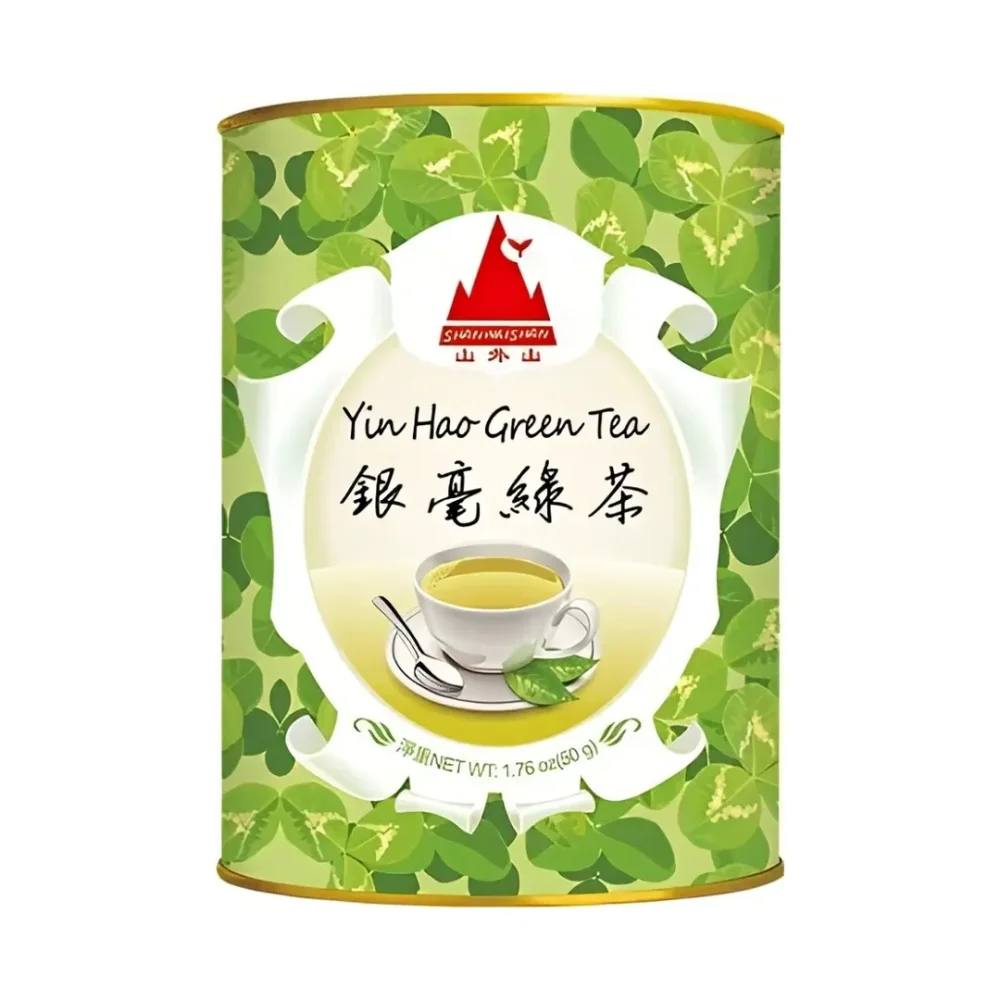
Into a similar daily “light” category falls also Shan Wai Shan Green Tea Yin Hao 50 g, which suits when you don’t want an overly strong infusion but rather a clean and fresh cup.
Japanese green teas: grassy, umami, and very clear profile
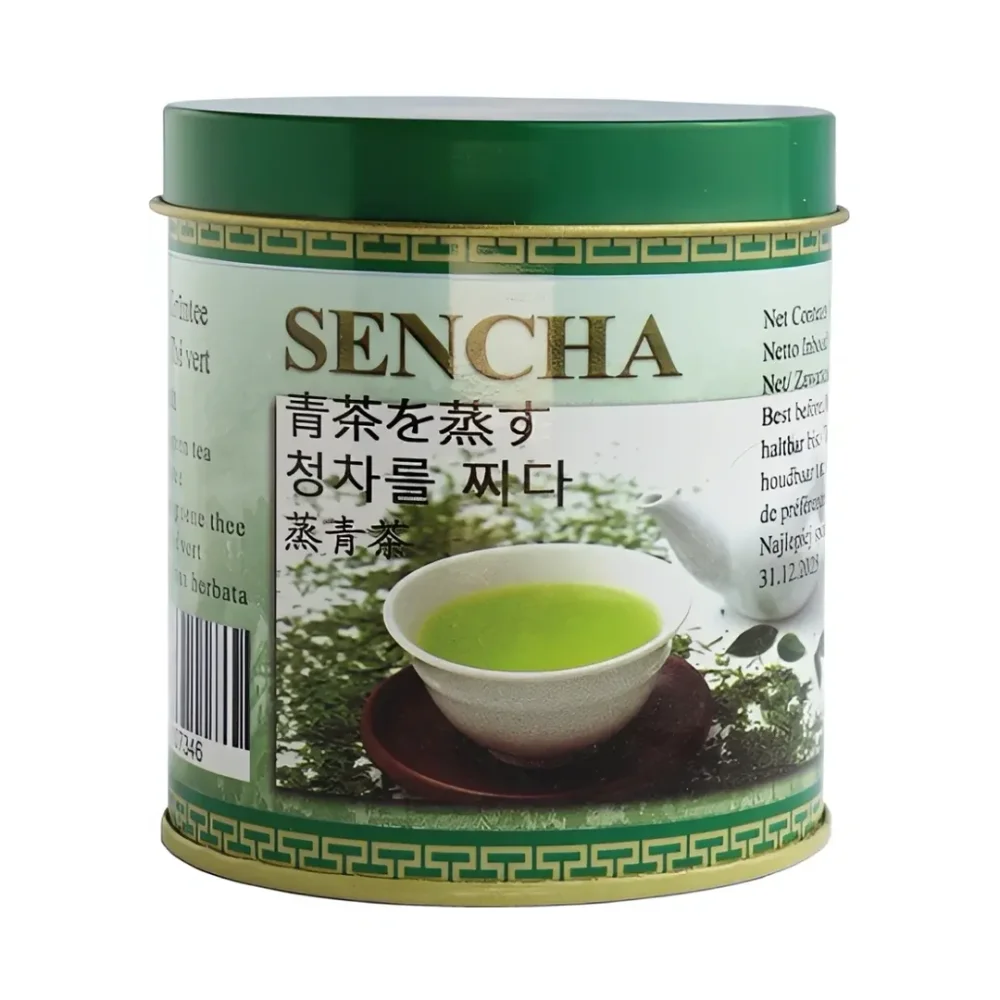
Japanese green teas are typically more distinctly grassy and umami. If you are looking for a morning “green” infusion with clear readability and light freshness, a typical representative is sencha – for example, Golden Turtle Green Tea Sencha 30 g.
With these styles, it often pays off in practice to watch that the water isn't unnecessarily “harsh” and that the tea is not steeped too long – otherwise astringency can easily become pronounced.
Jasmine tea: traditional and approachable (but still tea)
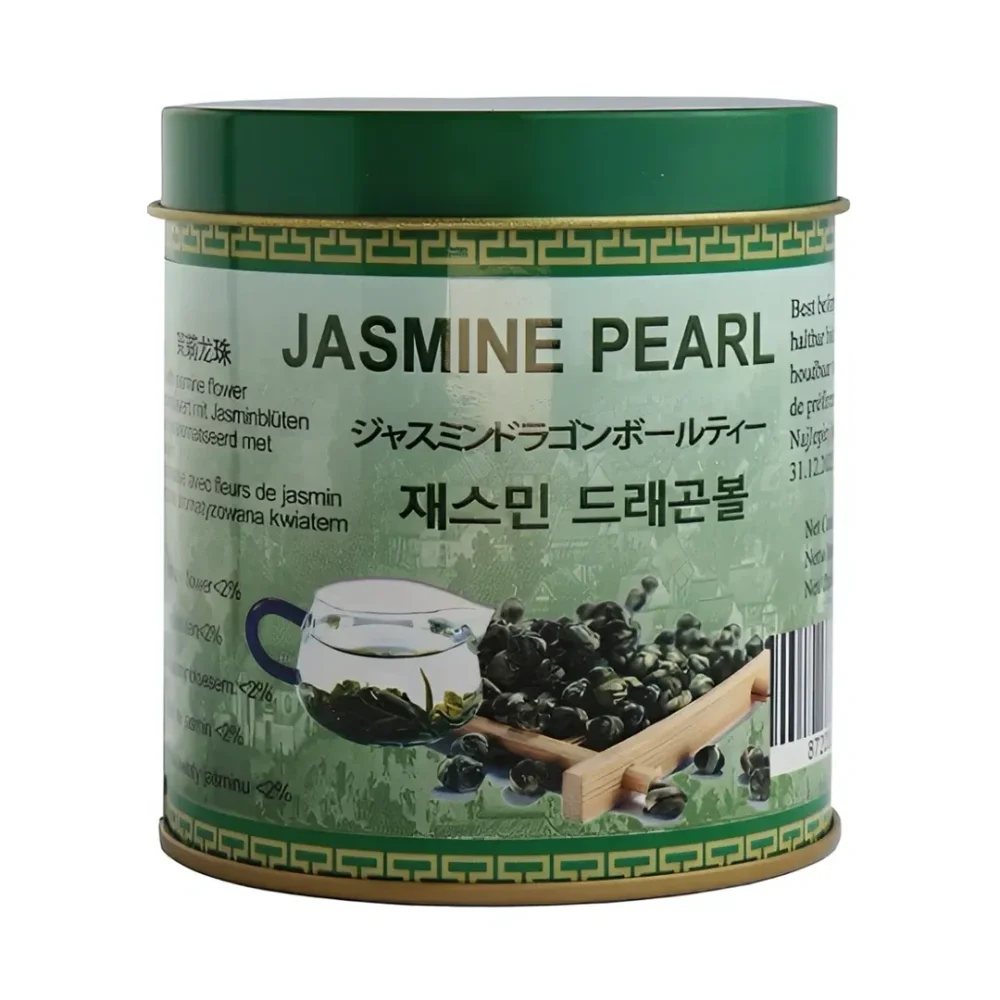
Jasmine tea is a classic example that tea can be both traditional and very approachable. In a higher-quality form, it’s not just a simple “aroma,” but tea leaves that have absorbed the scent of jasmine flowers. It is most often based on green tea – to illustrate this style, you can take Golden Turtle Green Tea Jasmin Pearl 35 g.
Traditional teas beyond green: white, yellow, oolong, black, and dark
If you enjoy green tea, it is natural to continue into other traditional categories. Not to “collect types,” but because each category behaves slightly differently when brewing and offers a different flavor experience.
- White tea is among the least processed. Its flavor is usually delicate, light, sometimes floral or sweetly fruity. It isn’t automatically a “weak tea,” but usually feels subtler than strong black or dark teas.
- Yellow tea is rarer and, simply put, stands “between” green tea and a more softly rounded profile. It usually isn’t as grassy as many green teas and feels softer.
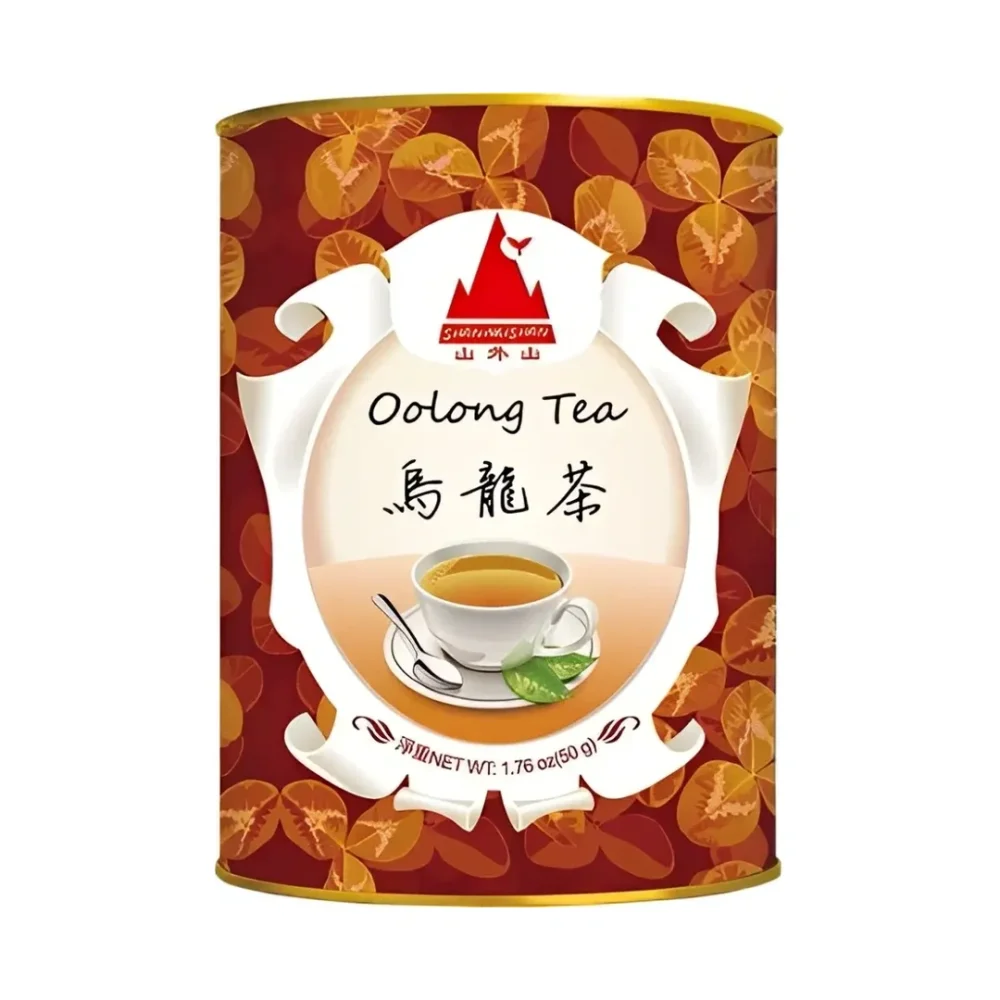
- Oolong is a large and diverse category between green and black tea. It can be light, floral, and creamy, but also darker, roasted, mineral, or honey-fruity. Oolongs are also commonly suited to repeated brewing, with the flavor gradually unfolding – well illustrated by Shan Wai Shan Oolong Tea 50 g.
- Black tea is usually more robust and better “endures” stronger preparation than delicate green styles.
- Dark / post-fermented tea is a traditional category with a different character; generally distinct from green or black teas and, in Chinese tradition, is one of the great basic groups.
🍳 How to prepare green and traditional teas at home: a simple procedure that works
Below is a practical “starter” procedure that respects the most important: different teas can handle different treatment, and you reach the ideal cup more by gradual tuning than a single universal rule.
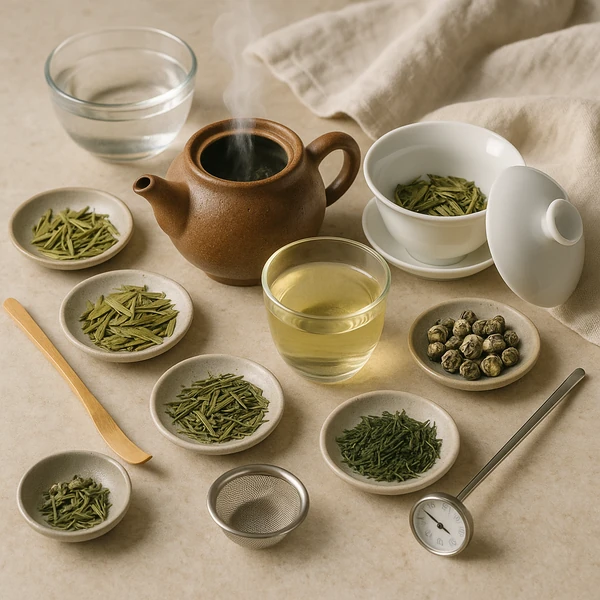
1) Start with a smaller dose and shorter infusion
With green teas, lighter oolongs, and delicate white teas, it pays off to start cautiously. Practically: use less leaf and brew for a shorter time. If the infusion is weak, you can easily add next time; if it is oversteeped, you can't restore delicacy later.
2) Adjust water temperature according to the “delicacy” of the tea
Delicate green teas and some light oolongs are sensitive to water that is too hot and long contact. In contrast, stronger black teas tend to be more tolerant. If you do not measure temperature, a simple home practice helps: after boiling, let the water “settle” briefly and allow the tea a calmer brewing.
3) Taste and adjust only one thing at a time
If the infusion doesn't taste as expected, don't change everything at once. Choose one variable:
- if the infusion is too bitter or astringent, shorten time or use less leaf (or soften the water),
- if the infusion is “watery,” slightly add leaf or extend brewing,
- if the aroma is weak, better storage and shorter air contact often help (see below).
4) Use repeated brewing where it makes sense
Some teas (typically oolongs) are specifically made for repeated brewing, with flavors gradually unfolding. This is a different experience than “one and done”: the first brew can be lighter and the next will show other tones. With green teas, this can also work, but watch that subsequent infusions are not too long.
5) Matcha is not brewed: it is powdered tea
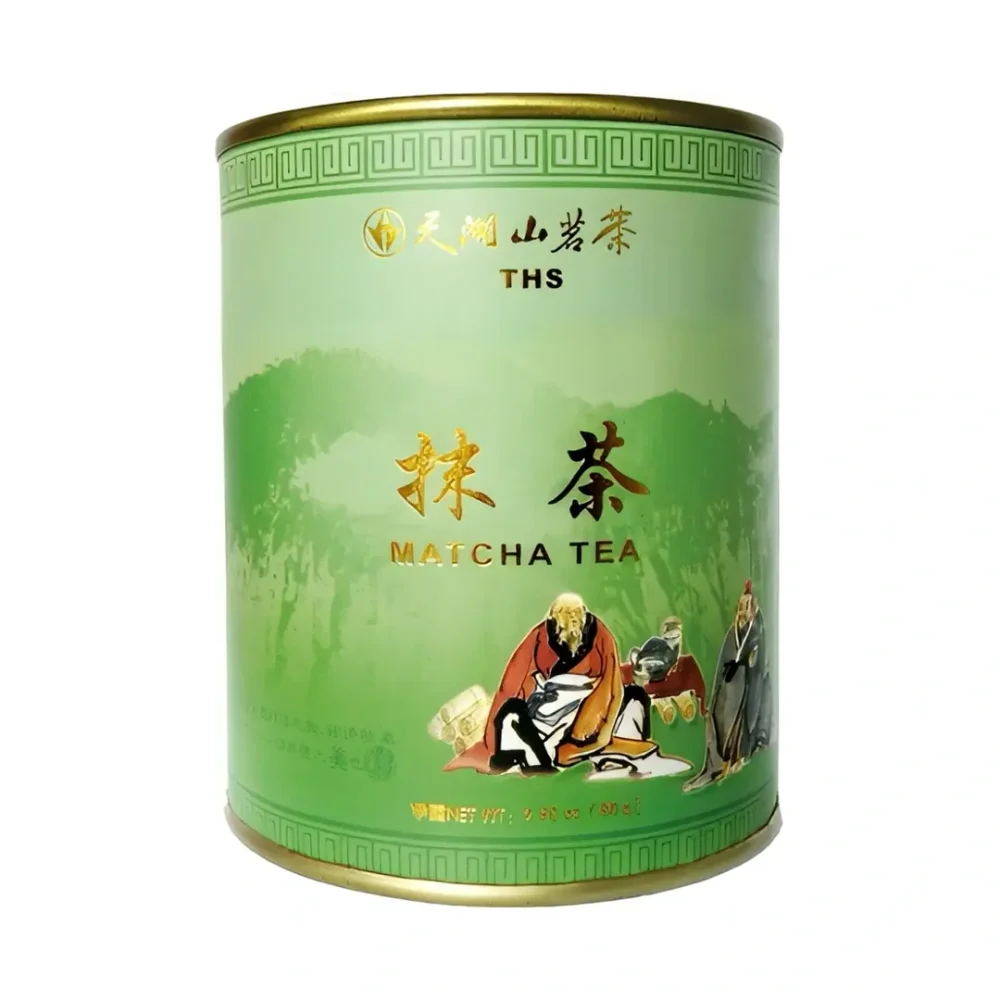
Matcha is special because it is not leaves for infusion. It is a fine powder produced by grinding tencha and has existed in Japanese tea culture as a drink since the 13th century. Practically this means that it is consumed whole (not just the “brewed water”) and is prepared by mixing in water. At the same time, it naturally is used in modern beverages, for example matcha latte or cold milk drinks, because it works well with milk, ice, and sweeter components. As an example of pure matcha for drinking and other uses, consider Tian Hu Shan Matcha Tea 80 g.
How to read tea packaging: the fastest way to get tea that you like
For teas, packaging is a big part of orientation. When you know what to look for, it significantly shortens the path to a tea that meets your expectations.
- Country and region of origin – origin makes sense for tea. “Japanese green tea” means something different than general green tea or “matcha-style tea.”
- Type of tea – whether it is green tea, oolong, black, dark, matcha, genmaicha, or flavored tea. One word often matters more than the picture.
- Ingredients – should be simple for pure tea. For blends, check if it is tea with flowers, natural aroma, sugar, or milk component. (For matcha latte type blends, it’s common that a large part consists of sugar and dried milk, not the matcha itself.)
- Form – loose tea usually gives more space to the whole leaf and more control over preparation. Bags are convenient, but often contain smaller particles; it's not automatically bad, just that they can brew faster and stronger.
Storage: five things that destroy tea (and how to prevent it)
Tea is most damaged by:
- moisture,
- light,
- heat,
- foreign odors,
- long contact with air.
The safest is a well-closed container in dryness and darkness, away from strongly aromatic foods. Roasted teas, delicate green teas, and matcha are more sensitive to aroma loss than robust black teas – so it pays to be especially careful with their storage.
Most common mistakes when preparing green and traditional teas (and quick fixes)
- Water too hot for delicate teas – typically green teas and light oolongs. Fix: soften brewing (let water cool briefly) and shorten infusion time.
- Infusing too long “because that's how it should be” – with tea it's better to follow the taste than dogma. Fix: shorter infusion next time, or multiple infusions in succession.
- Expecting the same name = same taste – with tea, origin and processing matter. Fix: consider tea type and region; choose by style, not just one word on the front.
- Confusing matcha with “regular green tea” – matcha is powdered tea, not brewed. Fix: mix in water (and adjust intensity to taste).
- Tea absorbs spices or kitchen smells – tea is sensitive to foreign odors. Fix: store away from aromatic foods and keep tightly closed.
- Too much leaf in a small volume – often leads to harsh astringency. Fix: reduce leaf or shorten time, and if you like a “concentrated” style, work with more short infusions instead.
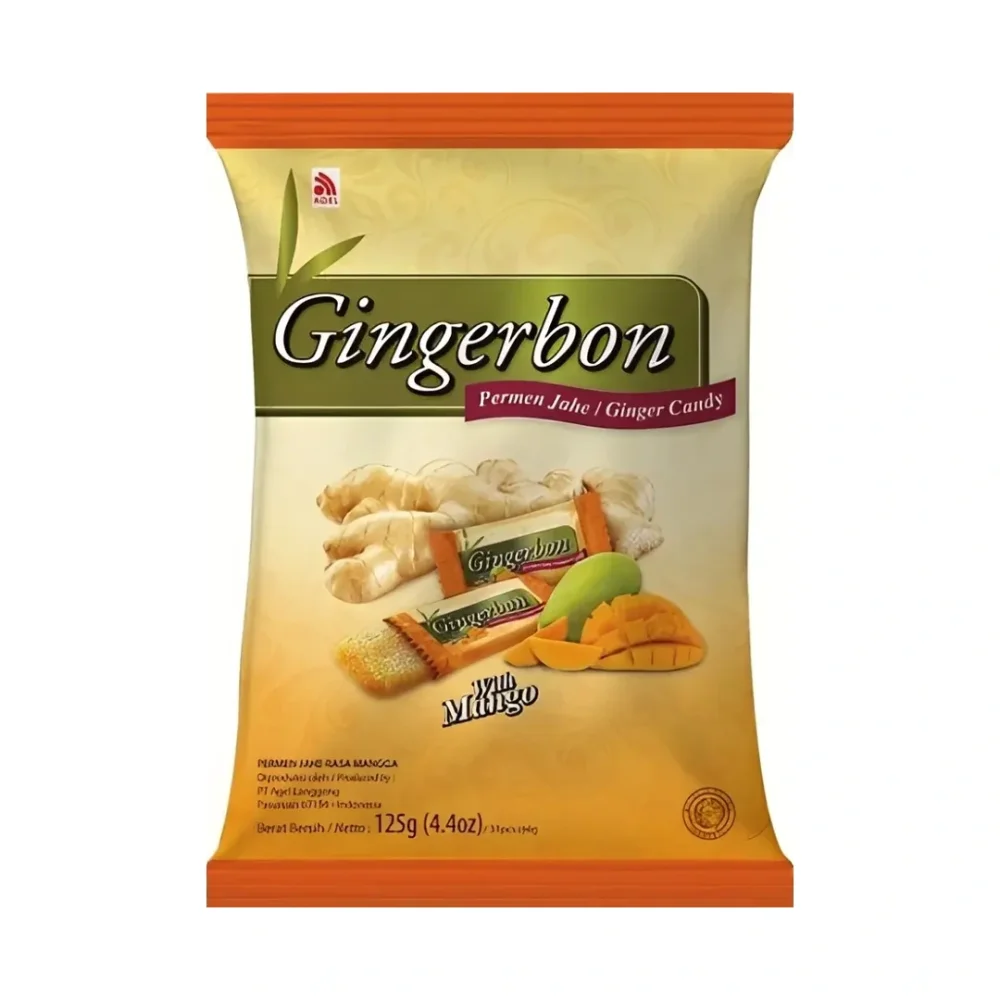
If you want to add something small to your tea that doesn’t disturb the flavor but complements the ritual, a practical choice is a light sweetness with ginger – for example, Agel Ginger Candies with Mango 125 g.
What to take away from the article
- True tea comes from Camellia sinensis and differences between types are mainly due to processing, not “a different plant.”
- Green tea is not one: Chinese and Japanese styles differ in technology and flavor, so they need a slightly different approach.
- Oolongs are diverse and often shine with repeated brewing, where the flavor gradually unfolds.
- The basis of home preparation: start cautiously (smaller dose, shorter infusion), taste, and adjust only one thing at a time.
- Storage is not a detail: tea is most damaged by moisture, light, heat, odors, and air.
- Tea packaging is a practical guide: watch origin, type, ingredients, and form.

Read next
If you want to explore this topic further, continue with these related blog guides and articles:
