

 Česky (CZK)
 Slovensky (EUR)
 Deutsch (EUR)
 Austria
 Belgium
 Bulgaria
 Croatia
 Denmark
 Estonia
 Finland
 France
 Germany
 Greece
 Hungary
 Italy
Italy Latvia
 Lithuania
 Luxembourg
 Netherlands
 Poland
 Portugal
 Romania
 Slovenia
 Spain
Spain Sweden










Yellow teas
🟡 Yellow teas from Asia: rare smoothness between green tea and oolong
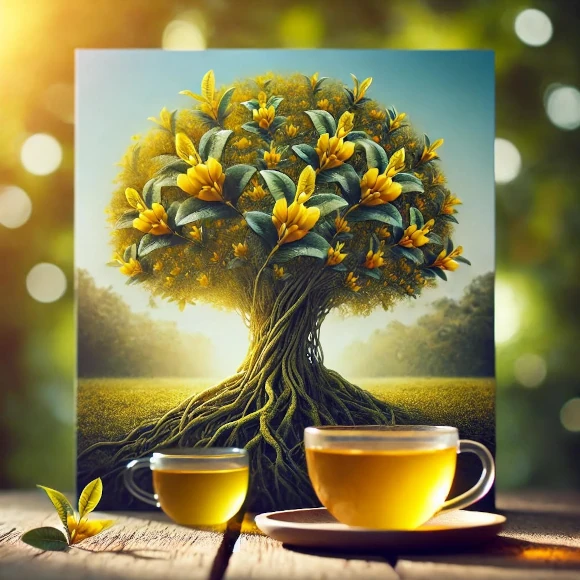
Yellow tea is the “quiet luxury” of the tea world. It’s not as mainstream as green tea, not as bold as black tea, and it doesn’t rely on heavy roast or perfume. Instead you get smoothness, rounded sweetness, and clean elegance — often with hints of honey, dried flowers, and a soft finish without harsh bite.
Browse teas and Asian drink essentials at AsianFoodShop.eu — see the Teas section.
💡 Tip: If green tea sometimes feels too grassy or sharp for you, yellow tea is often the perfect softer step sideways.
🕰️ History and origin
Yellow tea is strongly associated with Chinese tea tradition. Historically it was produced in smaller quantities because it requires more attention and time. That’s one of the reasons it remained a niche category: it’s simply harder to make consistently than many green teas.
Many yellow teas are made from tender leaves or buds. The result is usually elegant, clean, and very easy to sip over a long session — perfect when you want calm focus and a “no-drama” cup.
🧪 How it’s made: the key step “men huang”
The signature of yellow tea is the step called men huang (“sealed yellowing”). This is not full oxidation like black tea. Instead, it’s a controlled resting phase that rounds the flavor and reduces the sharp green edge.
A simplified production flow:
- 🍃 picking tender leaves / buds
- 🌬️ brief withering
- 🔥 fixation (heat stops oxidation)
- 🌀 gentle shaping / rolling
- 🟡 men huang: wrapping + resting (warmth + humidity) to develop the “yellow” character
- ☀️ final drying
✅ Tip: That men huang phase is why yellow tea often tastes smoother and less astringent than many green teas.
👃 Flavor profile
- 🟡 smooth, rounded, often “velvety”
- 🍯 gentle honey / dried-flower notes, sometimes a nutty hint
- 🌿 usually less grassy than green tea (often less astringency)
- ✨ clean finish, no heavy smoke or deep roast
Yellow tea shines when you want clarity and elegance without the sharpness some green teas can bring. It’s also a great “no sugar needed” tea when brewed correctly.
🫖 Brewing guide (so it stays silky, not bitter)
Yellow tea is sensitive to boiling water. Overheat it and you can flatten the aroma or pull bitterness. Treat it gently and you get a clean, premium cup.
- 🌡️ water temperature: 75–85°C (sturdier styles can go 85–90°C)
- ⚖️ dose: 2–3 g per 200 ml
- ⏱️ steep time: 2–3 min (later infusions slightly longer)
- 🔁 multiple infusions: often 2–4
- 🍶 vessel: glass, teapot, or gaiwan for precision
💡 Tip: Want maximum softness? Start at 75–80°C and keep the first infusion short (90–120 seconds).
🍽️ Food pairing ideas
🥟 Light savory dishes
Yellow tea pairs beautifully with dim sum, rice rolls, gentle dumplings, and tofu. It doesn’t compete — it refreshes your palate between bites.
🐟 Fish and seafood
Steamed fish, delicate broths, and clean sauces work exceptionally well. Think of yellow tea as a non-alcoholic pairing that keeps everything bright.
🍍 Fruit and delicate sweets
Yellow tea loves subtle sweetness: fruit-based treats, light pastries, or gentle “tea spreads” like yuzu-style citrus bases.
🧊 Cold brewing / iced tea
Yellow tea also makes an excellent iced tea: clean, smooth, and refreshing without harsh green bite. Try the recipe below.
🫶 “Benefits” (keep it realistic)
Yellow tea is best enjoyed for taste, ritual, and mindful sipping. Like other teas, it naturally contains caffeine and tea compounds, but it’s smartest to treat it as a delicious beverage — not a medical tool.
If you’re sensitive to caffeine, use a smaller dose, steep shorter, or drink earlier in the day.
✅ How to choose a yellow tea
- freshness: store sealed, dry, away from strong odors
- style: some are more floral; others lean honey/nutty
- brewing tolerance: if you don’t want to manage temperature precisely, choose teas that stay smooth at 85–90°C
- purpose: daily “easy sipping” vs. a special tea session
✅ Tip: With delicate teas, “more infusions + shorter steeps” usually beats one long, over-extracted brew.
🛒 Our picks
- Golden Turtle Yellow Tea Huang Da 30 g — gentle and delicate, great for calm sipping and multiple infusions.
- Golden Turtle Yellow Tea Huang Xiao 30 g — smooth and approachable, a great entry point into yellow tea.
- Shan Wai Shan Oolong Tea 50 g — a close “cousin” in vibe (rounded + soft). Perfect when you want similar elegance.
🧊 Recipe: Iced yellow tea with yuzu & ginger
Clean, refreshing, and clearly “Asian” in flavor. Yellow tea gives an elegant base, yuzu adds citrus lift, and ginger brings depth. Perfect for afternoons when you want something light but not boring.
Ingredients (2 glasses)
- yellow tea 4–6 g
- water 450–500 ml
- T'best Citrus Yuzu Tea 2–3 tsp (to taste)
- T'best Ginger tea 1–2 tsp (optional, but recommended)
- ice
- lemon/lime slice (optional)
Method
- Brew yellow tea: use 80–85°C water and steep 2–3 minutes. Strain.
- Let it cool briefly so the ice doesn’t melt instantly.
- Add yuzu (and ginger), fill with ice, and pour in the tea.
- Stir, taste, and adjust: more yuzu = more sweet-tart citrus; more ginger = a stronger kick.
- Optional: add a citrus slice and serve.
✅ Tip: For a cleaner flavor, brew the tea slightly stronger (more grams, shorter steep). Ice will balance it perfectly.

Read next
If you want to continue with the same topic, here are more related articles to explore: