Česky (CZK)
 Slovensky (EUR)
 Deutsch (EUR)
 Austria
 Belgium
 Bulgaria
 Croatia
 Denmark
 Estonia
 Finland
 France
 Germany
 Greece
 Hungary
 Italy
Italy Latvia
 Lithuania
 Luxembourg
 Netherlands
 Poland
 Portugal
 Romania
 Slovenia
 Spain
Spain Sweden










Green teas
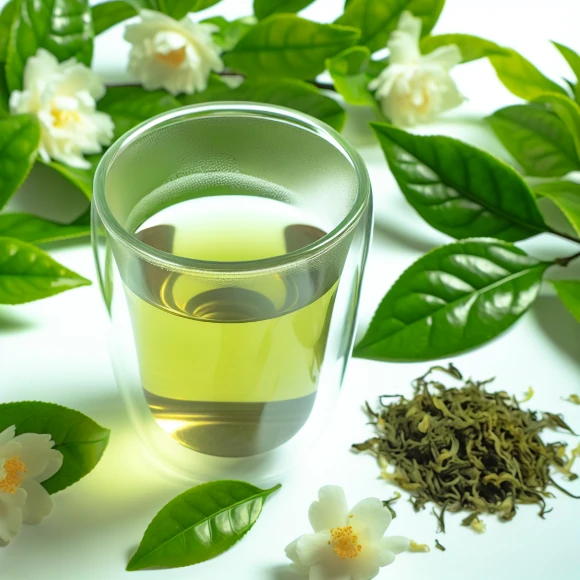
🍵 Asian Green Teas: Sencha, Matcha, Long Jing… and how to brew them so they taste amazing
Green tea is a quiet powerhouse in Asian pantries. Sometimes it’s bright and grassy, sometimes soft and nutty, sometimes creamy and intense. And the best part: brewed correctly, it’s pure comfort. Brewed wrong… it can turn unnecessarily bitter and harsh.
Find teas and Asian pantry staples at Taste Of Asia — check Teas and the wider drinks selection on the site.
💡 Tip: The biggest green tea “hack” is simple — don’t use boiling water. It prevents most disappointments.
🕰️ Where Asian green teas come from (and why they matter)
Green tea is historically rooted in China and later flourished in Japan and Korea. The core idea is the same: tea leaves are quickly heated after picking to stop oxidation. That keeps the flavor fresh, green, and lively — and each region developed its own signature method.
- China: often pan-heated (“pan firing”) → gentle nutty sweetness.
- Japan: commonly steamed → grassy, sea-fresh, vivid green profiles.
- Korea/Vietnam: regional styles balancing softness and aroma.
🧪 Processing & styles: why sencha tastes different than long jing
Three things shape green tea most: cultivar, the method used to stop oxidation, and leaf shape vs powder.
🌿 Sencha (Japan)
Sencha is an everyday classic: clean, refreshing, often gently grassy. Steaming helps preserve that vivid “green” taste and bright liquor color.
🍃 Long Jing / Dragon Well (China)
Long Jing tends to be softer and rounder — often described as lightly nutty with a sweet finish. Great if you want smoothness without sharp bite.
💚 Matcha (Japan)
Matcha is a different format: finely ground green tea. You don’t steep and discard leaves — you whisk the powder into water and drink it all. That’s why the flavor is intense and it works beautifully in recipes.
✅ Tip: Daily sipping = Sencha. Gentle, calm cup = Long Jing. Bold flavor + cooking = Matcha.
👃 Flavor profiles: what to expect in the cup
- 🌱 Sencha: fresh, green, often grassy and crisp.
- 🥜 Long Jing: soft sweetness, subtle nutty notes, clean finish.
- 🥛 Matcha: creamy texture, bold green character, long aftertaste.
Water (minerals) and temperature matter a lot. The same tea can taste silky one day and rough the next — simply because the water was too hot or the steep was too long.
🔥 Stress-free brewing: temperature, time, and a quick cheat sheet
🌡️ Water temperature
- Delicate green teas: 70–80 °C
- Most green teas: 80–85 °C
- Matcha: usually 70–80 °C (for smoother taste)
⏱️ Steep time (leaf teas)
- Start with 60–90 seconds and adjust to taste.
- For a second infusion, tweak time depending on how the leaves open up.
🧠 Common mistakes (and quick fixes)
- Too bitter → lower the temp and shorten the steep.
- Tastes weak → use a bit more tea or steep a touch longer.
- Dull flavor → try softer water and a clean kettle/teapot.
💡 Tip: No thermometer? After boiling, let water rest for ~6–8 minutes. It’s not perfect, but it’s often “good enough” for green tea.
🫶 Benefits (keeping it realistic)
Green tea is often associated with antioxidants and a clean, steady lift. Think of it mainly as a smart daily drink: instead of sugary soda, you get something that’s flavorful, warm or refreshing, and easy to enjoy without sweeteners. If you’re sensitive to caffeine, start with a smaller dose or shorter steep.
✅ How to choose green tea (so you don’t end up with “just dust”)
- Aroma: fresh and clean (not stale).
- Leaf look: more whole leaves, less powder (for leaf teas).
- Taste: balance — freshness, softness, pleasant finish.
- Use case: rituals = delicate styles; recipes = matcha; daily drinking = sencha/long jing.
- Storage: reseal well; keep cool, dry, and away from strong odors.
🛒 Our green tea picks
- Tian Hu Shan Matcha Tea 80 g — bold matcha for drinking and recipes (latte, desserts).
- Golden Turtle Green Tea Sencha 30 g — a clean everyday Japanese classic.
- Golden Turtle Green Tea Long Jing 25 g — smooth Chinese profile that’s easy to enjoy without sweeteners.
🧊 Recipe: Iced matcha coconut latte
For a café-style matcha drink at home. Coconut milk adds creaminess, matcha brings flavor, and ice makes it perfect for afternoons.
Ingredients (1 large glass)
- matcha 1–2 tsp
- hot water 60–80 ml (around 70–80 °C)
- coconut milk 150–200 ml (or coconut + water mix)
- sugar or syrup 1–2 tsp (optional)
- ice (lots)
- a pinch of vanilla (optional)
Method
- Add matcha to a bowl and pour in hot (not boiling) water.
- Whisk until smooth and lump-free (a frother works too).
- Fill a glass with ice and pour in coconut milk.
- Pour matcha over the top and gently stir.
- Taste and sweeten if needed. Done.
✅ Tip: Want it softer? Use less matcha and more milk. Want it stronger? Add matcha, but keep the water temperature lower for a smoother taste.

Recommended products9
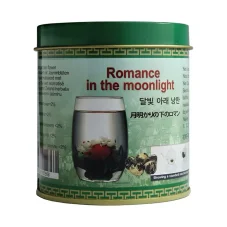
Golden Turtle Taiwanese Oolong Tea 35 g
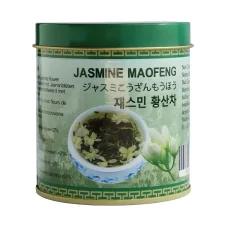
Golden Turtle Green Tea Jasmin Mao Feng 30 g
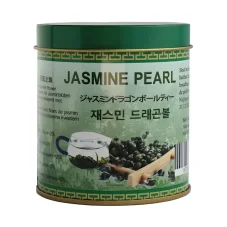
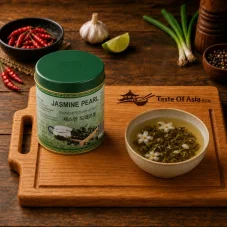
Golden Turtle Green Tea Jasmin Pearl 35 g
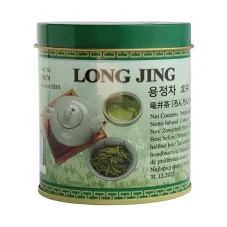
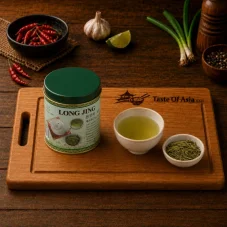
Golden Turtle Green Tea Long Jing 25 g
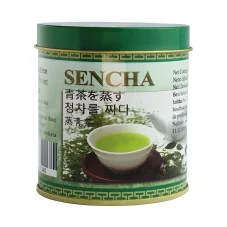
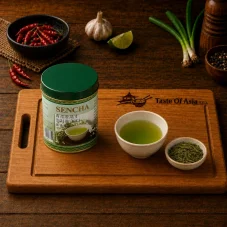
Golden Turtle Green Tea Sencha 30 g
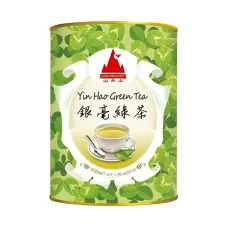
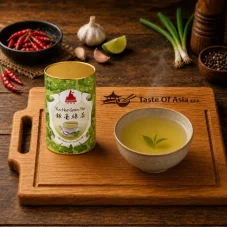
Shan Wai Shan Yin Hao Green Tea 50 g
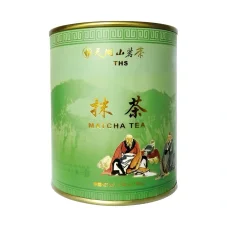
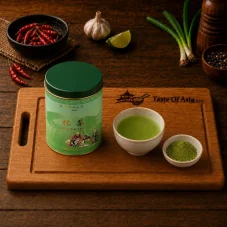
Tian Hu Shan Matcha Tea 80 g
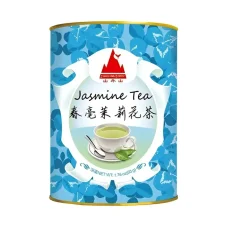
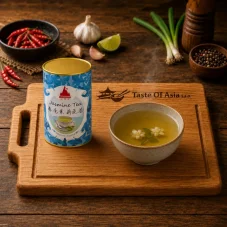
Shan Wai Shan Jasmine Tea 50 g
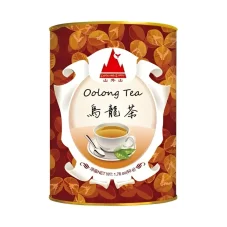
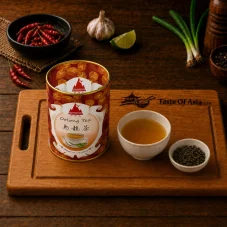
Shan Wai Shan Oolong Tea 50 g
Read next
If you want to continue with the same topic, here are more related articles to explore: