Česky (CZK)
 Slovensky (EUR)
 Deutsch (EUR)
 Austria
 Belgium
 Bulgaria
 Croatia
 Denmark
 Estonia
 Finland
 France
 Germany
 Greece
 Hungary
 Italy
Italy Latvia
 Lithuania
 Luxembourg
 Netherlands
 Poland
 Portugal
 Romania
 Slovenia
 Spain
Spain Sweden










Black teas
🍂 Asian black teas: from Pu Erh to oolongs and milk tea
Black tea is the reliable classic: it wakes you up, keeps you going, and still tastes great even when you chill it or add milk. But “Asian black tea” isn’t one flavour. You’ll find honeyed sweetness, floral layers, toasty depth, and even fermented, earthy profiles that feel almost like a different universe.
Teas and Asian ingredients are available at Asian Food Shop – see the Teas category.
💡 Tip: If your tea tastes too bitter, it’s usually too hot + too long. Cut the steep time by 30–60 seconds and it often becomes smooth instantly.
🕰️ Origin and a quick note on naming
Tea culture in Asia is vast. What the West calls black tea usually means a tea with high oxidation. In China, however, “black” may refer to darker fermented styles, while fully oxidised teas can be described as “red tea” based on the colour of the brew.
Practically: when you want more body and depth than green tea, you reach for black tea styles. And when you want even more richness, you’ll bump into fermented teas like Pu Erh—often shelved alongside black teas because they scratch the same “deep flavour” itch.
🧪 Processing: what makes black tea “black”
After harvest, black tea leaves are commonly:
- withered (moisture reduced),
- rolled (aromas released),
- oxidised (dark tones develop),
- dried (flavour stabilised).
You’ll also meet “relatives” that are sometimes grouped with black teas:
- Oolong – semi-oxidised (from light to dark). Often aromatic and complex.
- Pu Erh – fermented tea, typically earthy and layered.
Real-world rule: don’t obsess over labels—follow the flavour. If you want a bold cup that can handle milk, sugar, or ice, you’re in the right aisle.
👃 Flavour profile: what to expect
- 🍯 honey, malt, caramel (classic black tea comfort)
- 🌸 floral, fruity layers (often in aromatic styles and some oolongs)
- 🌰 nutty, cocoa notes (oxidised teas can lean this way)
- 🌳 woody, earthy depth (fermented teas like Pu Erh)
- 🧊 excellent over ice: black tea keeps its character when chilled
✅ Tip: For less bitterness use 90–95°C and shorter steeping. For milk tea strength, go hotter and a bit longer.
🗺️ Asian styles worth trying
🇨🇳 China
Chinese black teas can be elegant and aromatic—often smoother than heavy breakfast blends. Depending on the region and processing you may taste honey, cocoa, dried fruit, or a gentle smoky edge.
🇮🇳 India
Many Indian styles are bold and full-bodied—perfect for spiced chai or anyone who wants tea that doesn’t disappear next to food. It’s also the classic base for milk tea.
🇱🇰 Sri Lanka
Ceylon teas often feel cleaner and more citrusy. Great for iced tea and everyday drinking.
🇹🇼 Taiwan & oolongs
Oolongs can be wildly aromatic: from floral lightness to roasted, deep tones. If you want “wow” without sugar, oolong is a great lane.
🇹🇭 Southeast Asia: iced milk tea culture
Thai Cha Yen is iconic: strong black tea + sweetness + creamy richness. Black tea is the engine that keeps it balanced even with ice.
🫖 Brewing: make it taste great (not harsh)
🔥 Simple rules
- Water: 90–100°C depending on style and desired strength.
- Dose: about 2–3 g per 250 ml (more for milk tea).
- Time: 2–4 minutes, then adjust by taste.
🧊 Quick iced tea
Brew it slightly stronger and pour over ice. Ice softens flavour, so a normal brew can taste watery when chilled.
💡 Tip: If you sweeten, do it while warm. It dissolves faster and tastes smoother.
🍽️ Kitchen uses and pairing
🥛 Milk tea
Black tea is ideal for milk tea because it has body. It works with milk and also with sweetened condensed milk for a creamy dessert-like drink.
🍰 Desserts
Great with caramel, chocolate, coconut cream, and fruit. It’s an adult counterbalance to sweetness.
🥩 Marinades and glazes
Strong tea can add subtle depth to sweet-savoury marinades (think sugar/honey + soy + tea).
🫶 Caffeine note
Black tea contains caffeine and tannins. Most people enjoy it as a clean lift, but if you’re sensitive, keep it earlier in the day. If your stomach is sensitive, try shorter steeping or drink it with food.
✅ How to choose (so you actually enjoy it)
- Clean cup? go for plain black tea and explore origins.
- Milk tea? pick bolder, fuller profiles.
- Aroma without sugar? try oolongs.
- Deep, earthy? Pu Erh is your move.
- Storage: airtight, dry, dark—tea absorbs smells.
🛒 Our picks (verified products)
- Golden Turtle Black Tea Pu Erh 30 g – fermented, earthy depth
- Golden Turtle Black Tea Oolong 35 g – aromatic and versatile
- Golden Turtle Black Tea Da Hong Pao Oolong 20 g – rich aroma, “premium” vibe
More options: Teas.
🧋 Recipe: Thai iced tea (Cha Yen) with sweetened condensed milk
Sweet, creamy, refreshing—and perfect next to spicy food. The key is a strong black tea base, because ice will soften it fast.
Ingredients
- black tea 2–3 tsp (or 2 tea bags)
- sweetened condensed milk 2–3 tbsp
- water 300 ml
- sugar 1 tsp (optional)
- ice 1–2 handfuls
- cinnamon a pinch (optional)
- clove 1 (optional)
Method
- Brew a strong black tea in 300 ml water and steep 5–7 minutes (strength matters for iced tea).
- If using cinnamon/clove, add them during steeping, then strain.
- Stir in condensed milk (and sugar if using) while the tea is still warm.
- Let it cool briefly, then pour into a glass full of ice.
- Stir and serve immediately.
✅ Tip: Adjust sweetness by the spoonful. If it’s too creamy, add a splash of strong tea or extra ice.


Recommended products6
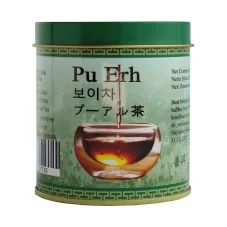
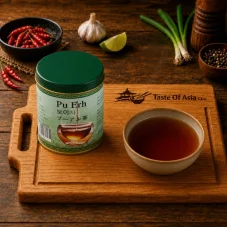
Golden Turtle Black Tea Pu Erh 30 g
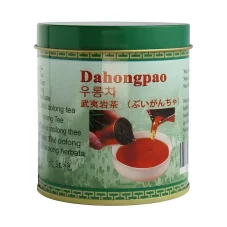
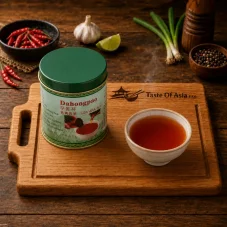
Golden Turtle Black Tea Da Hong Pao Oolong 20 g
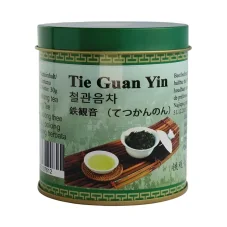
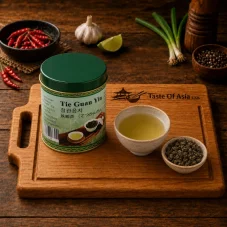
Golden Turtle Black Tea Tie Guan Yin Oolong 30 g
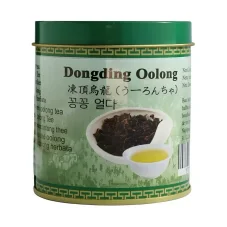
Golden Turtle Black Tea Dong Ding Oolong 30 g
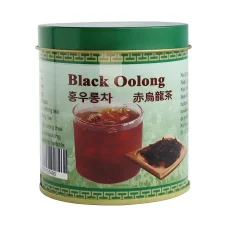
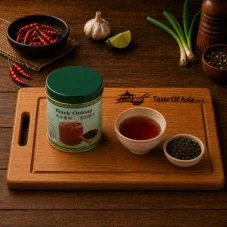
Golden Turtle Black Tea Oolong 35 g
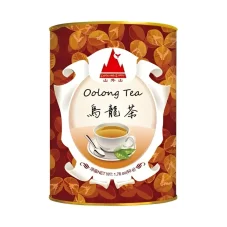
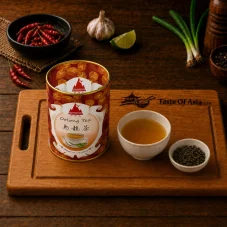
Shan Wai Shan Oolong Tea 50 g
Read next
If you want to continue with the same topic, here are more related articles to explore: