Česky (CZK)
 Slovensky (EUR)
 Deutsch (EUR)
 Austria
 Belgium
 Bulgaria
 Croatia
 Denmark
 Estonia
 Finland
 France
 Germany
 Greece
 Hungary
 Italy
Italy Latvia
 Lithuania
 Luxembourg
 Netherlands
 Poland
 Portugal
 Romania
 Slovenia
 Spain
Spain Sweden










Korean Plum Tea
🍑 Korean plum tea: what it is, how it tastes and why you’ll want it at home
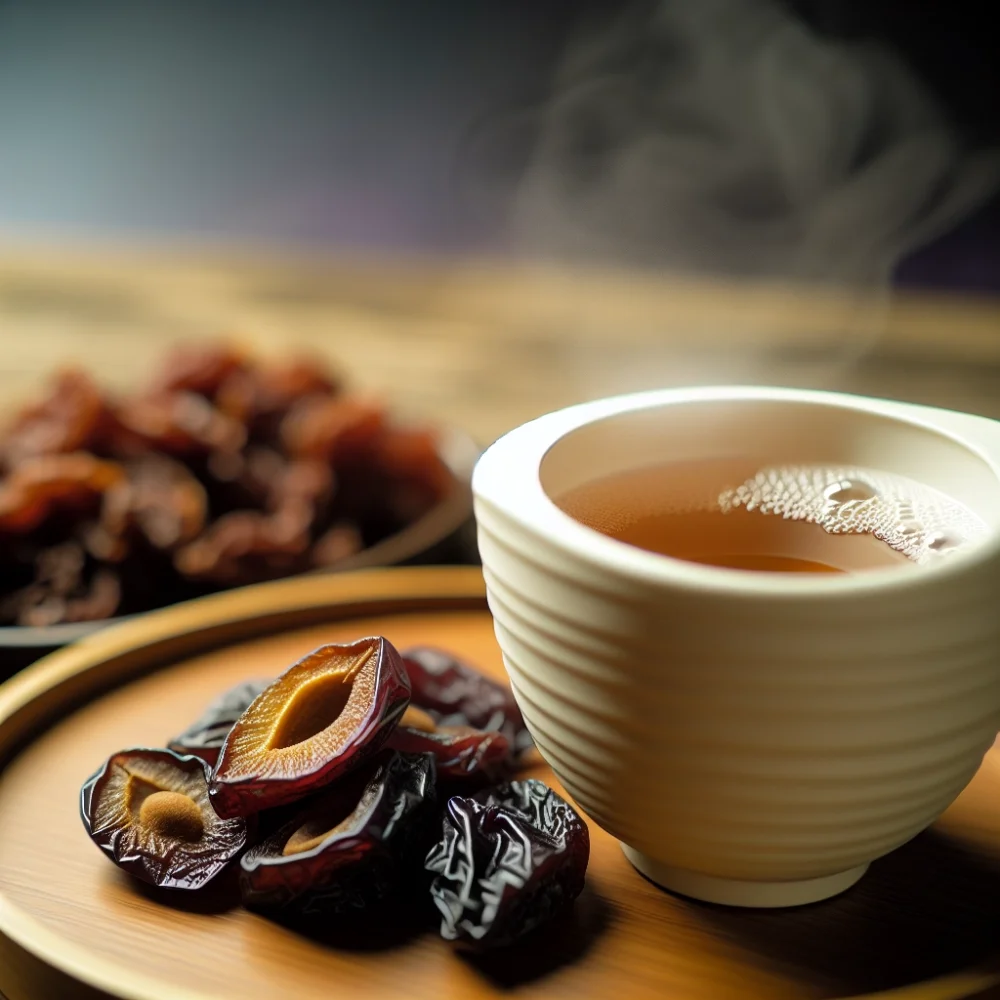
Korean plum tea, often referred to as maesil-cha, is the kind of drink that feels “finished” from the very first sip. It’s fruity, gently tangy and pleasantly sweet, great as a quick warming drink in winter and as an iced refresher in summer. Even better, it doubles as a clever ingredient for dressings, marinades and sauces.
🕰️ History and origin: maesil as a Korean classic
In Korea, maesil has a long tradition in homemade syrups and preservation. A common base is maesil-cheong, a plum syrup made by resting fruit with sugar for an extended period. It can be diluted into a drink, added to tea, or used as a flavouring in cooking.
Modern “plum tea” jars are typically a thick fruit concentrate. One spoonful and water is all you need.
🧪 Making, styles and ingredients: why one tastes rounder and another sharper
Korean plum tea is most often sold as a thick concentrate. It typically includes:
- 🍑 a plum component
- 🍬 sugar or syrup for body
- 🍋 an acidic element for freshness
- 💧 sometimes honey, fruit pieces or added aromatics
🧭 Common styles
- 🍯 sweeter and gentler for everyday comfort
- 🍋 tangier and brighter for ice and sparkling water
- 🌿 flavoured options like lemon or ginger for extra aroma
For browsing, see Teas
👃 Flavour profile: sweet and tangy, fruity and clean
- 🍑 fruity body
- 🍋 fresh, gentle tang
- 🍯 rounded sweetness that balances salty and spicy flavours
- 🌿 a clean finish
🧊 Tip: The iced version often tastes even brighter and more citrusy.
🍳 How to use it: not just for a mug
- 🫖 hot drink: a spoonful of concentrate with hot water
- 🧊 iced refresher: concentrate with water or sparkling water, ice and lemon
- 🥗 dressings: plum tea with vinegar and soy sauce for a sweet and tangy balance
- 🍗 marinades: pairs well with garlic, soy sauce and ginger
- 🔥 glazes: for chicken, tofu or salmon with a touch of soy sauce
- 🍜 quick sauces: an easy sweet and sour effect
For more drink ideas, check Beverages
🫶 Health benefits
- it can be a nice alternative to soft drinks when diluted to taste
- its strong flavour means a small amount often goes a long way
- in cooking, it helps balance richer dishes with sweet and tangy contrast
⚠️ Concentrates are usually sweet, dilution is key.
✅ How to choose the right Korean plum tea
- 🍯 for a dessert-like comfort drink, pick a sweeter and gentler style
- 🍋 for a bright iced drink, choose a tangier profile
- 🥄 thicker concentrates are great for dressings and marinades
- 🧊 lighter ones are perfect for drinking, bolder ones shine in cooking
- 🧂 treat it as sweetness and acidity in one
🛒 Our picks
At Asian Food Shop it’s handy to keep a classic option plus a seasonal favourite:
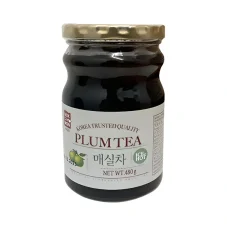
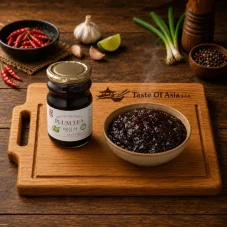
- Nokchawon Plum Tea 480 g a versatile choice for hot and iced drinks, also great in dressings
- Nokchawon Lemon Tea 480 g extra freshness for ice, sparkling water and mixed drinks
- Nokchawon Ginger Tea 480 g ideal for cooler days and as an aromatic element in marinades
🧊 Recipe: Iced maesil-cha with lemon
Simple, quick and refreshing.
Ingredients
- plum tea 2–3 tbsp
- water 300 ml
- lemon 2–3 slices
- sugar 1 tsp (optional)
- ice 1–2 handfuls
- ginger 2 thin slices (optional)
Method
- Add the plum tea concentrate to a glass and pour in part of the water
- Stir well until fully dissolved
- Add ice and lemon, then top up with the remaining water
- Taste and adjust with sugar or add ginger if you like
- Serve immediately, ideally with extra ice
💡 Tip: For a lemonade-like finish, replace part of the water with sparkling water and add the lemon at the very end

Recommended products1
Nokchawon Plum Tea 480 g
Read next
If you want to continue with the same topic, here are more related articles to explore: