

 Česky (CZK)
 Slovensky (EUR)
 Deutsch (EUR)
 Austria
 Belgium
 Bulgaria
 Croatia
 Denmark
 Estonia
 Finland
 France
 Germany
 Greece
 Hungary
 Italy
Italy Latvia
 Lithuania
 Luxembourg
 Netherlands
 Poland
 Portugal
 Romania
 Slovenia
 Spain
Spain Sweden










Oolong Tea: The Fragrant Middle Ground Between Green and Black
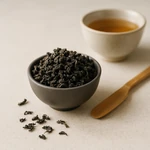
🌿 What oolong tea is (and why it doesn’t fit neatly into one box)
Oolong comes from the same plant as green and black tea (Camellia sinensis). The difference is processing—especially oxidation. Green tea is barely oxidized, black tea is fully oxidized, and oolong sits in between, typically ranging from lightly oxidized (bright and floral) to heavily oxidized (richer and darker), sometimes with additional roasting.
That “in-between” nature is exactly why oolong can feel like a bridge between green and black tea: it can be refreshing yet layered, aromatic yet structured.
🫖 Why some shops call it “black tea oolong”
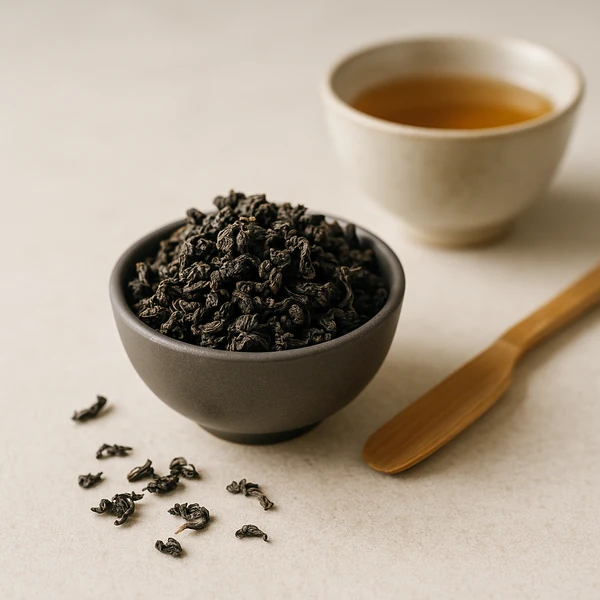
The phrase “black tea oolong” usually appears for oolongs that are processed to a deeper, more robust profile—either more oxidized, more roasted, or both. These teas often brew a darker amber liquor and lean toward notes like baked fruit, honey, caramel, cocoa, toasted nuts, or warm wood.
In classic tea terminology, oolong is its own category, not black tea. But in everyday retail, “black” is sometimes used to signal a stronger, darker cup—especially for customers who are new to oolong.
👃 Flavor map: how to pick an oolong you’ll actually like
Instead of looking for one “true” oolong flavor, think in styles. A quick guide:
- Light & floral (lower oxidation): orchid-like, lilac, fresh fruit, gentle sweetness; the finish can feel clean and airy.
- Round & creamy (medium oxidation): ripe fruit, honey, soft pastry notes; often very easy to drink.
- Toasty & deep (higher oxidation and/or roasting): roasted nuts, cocoa, caramel, baked fruit, mineral warmth; more structure and a longer aftertaste.
When you’re deciding, consider not only taste but also what you want the tea to do: a light oolong can feel refreshing like a “tea aperitif,” while a roasted oolong is often satisfying after meals.
🔥 How to brew oolong at home (without flattening the aroma)
Oolong is forgiving, but small choices make a big difference—especially water quality and steeping time. If you’ve ever found oolong “thin” or “bitter,” it’s usually a brewing tweak away from being excellent.
Everyday (Western-style) brewing
- Leaf: 2–3 g per 250 ml (about 1–2 tsp, depending on leaf shape)
- Water temperature: 85–90°C for light floral oolongs; 95–100°C for darker/roasted styles
- Steep time: 2–4 minutes (start shorter and extend)
- Re-steep: many oolongs handle 2–4 infusions—often getting smoother on the second cup
Gongfu-style (multiple short infusions) 🍵
- Leaf: 5–7 g per 100–120 ml gaiwan or small teapot
- Water temperature: usually 90–100°C (adjust down for very delicate styles)
- Steep time: 10–20 seconds to start, then add time gradually
- Why it’s worth trying: each infusion highlights a different layer—floral top notes first, then sweetness, then roast/mineral depth
Small habits that help (and common mistakes)
- Preheat your teaware: a warm pot helps the leaves open and boosts aroma.
- Don’t oversteep early: if a cup turns harsh, shorten time rather than lowering leaf amount too much.
- Use fresh water: repeatedly boiled water can taste flat and mute fragrance.
- Give rolled leaves time: many oolongs are tightly rolled and need the first infusion to “wake up.”
🍽️ Oolong with food: pairings that make sense
Oolong is a great table tea because it can cut richness without overpowering food. Use the style as your pairing guide:
- Floral/light oolongs: steamed fish, sushi, tofu, lightly dressed salads, cucumber dishes, citrus desserts, fruit tarts.
- Roasted/darker oolongs: grilled meats, mushrooms, roasted vegetables, soy-based braises, nuts, dark chocolate, caramel desserts.
If you enjoy Asian meals with bold umami and alternating sweet-salty notes, oolong can act like a palate reset between bites—especially when brewed with multiple short infusions.
🥄 A simple kitchen idea: oolong syrup for drinks and desserts
If you want to use oolong beyond the teacup, start with something forgiving:
- Brew a strong infusion (for example, 5–6 g tea in 250 ml hot water for 5 minutes).
- Strain, then add an equal amount of sugar while warm (start with less if you prefer).
- Stir until dissolved and cool.
Use it in iced tea, milk tea, whipped cream, pancakes, or to lightly perfume custards and panna cotta. Roasted oolongs often taste especially good in creamy desserts because their warm notes don’t get lost.
📦 Storage: keep the fragrance where it belongs
Oolong’s biggest asset is aroma—and aroma is also the first thing to fade.
- Store in an airtight container (ideally opaque).
- Keep away from light, heat, moisture, and strong smells (spices, coffee, scented foods).
- If you buy larger packs, consider splitting into smaller jars so the main supply isn’t opened daily.
Our picks (easy ways to taste different oolong styles)
- Shan Wai Shan Oolong Tea 50 g – a straightforward entry point if you want a classic oolong experience and room to experiment with brewing.
- Golden Turtle Black Tea Oolong 35 g – a good choice when you’re specifically curious about a fuller, “black-leaning” oolong profile.
- Golden Turtle Black Tea Dong Ding Oolong 30 g – a well-known style that many people enjoy for its balance of fragrance, sweetness, and warmth.
❓ FAQ: quick answers before your next cup
Is oolong black tea?
Not in traditional tea categories. Oolong is partially oxidized, while black tea is fully oxidized. The label “black tea oolong” usually signals a darker, stronger oolong (more oxidation and/or roasting).
Does oolong contain caffeine?
Yes. As a rule, it’s comparable to other true teas (green/black), but the exact amount depends on the leaf, processing, and how you brew it. Shorter infusions and multiple steeps can feel gentler than one long steep.
How many times can I steep oolong?
Many oolongs handle 2–4 infusions in a mug, and often more with gongfu-style brewing. If the flavor is still sweet and aromatic, keep going; when it turns watery, the leaves are done.

Recommended products3
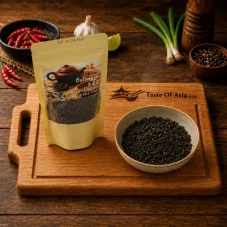
Tian Hu Shan Black Oolong Tea 150 g
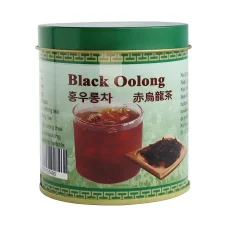
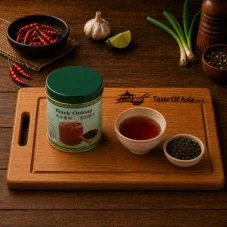
Golden Turtle Black Tea Oolong 35 g
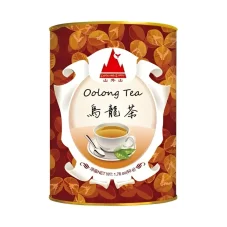
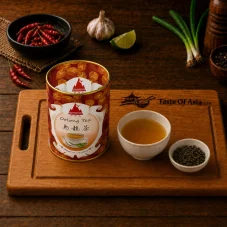
Shan Wai Shan Oolong Tea 50 g
Read next
If you want to continue with the same topic, here are more related articles to explore: