


 Česky (CZK)
 Slovensky (EUR)
 Deutsch (EUR)
 Austria
 Belgium
 Bulgaria
 Croatia
 Denmark
 Estonia
 Finland
 France
 Germany
 Greece
 Hungary
 Italy
Italy Latvia
 Lithuania
 Luxembourg
 Netherlands
 Poland
 Portugal
 Romania
 Slovenia
 Spain
Spain Sweden










Typical Indian ingredients: their role in food and how to recognize them
Indian cuisine is not a single unified tradition, but a broad family of regional styles. That's why it's worth looking at "typical Indian ingredients" as practical building blocks: what forms the base (rice, breads, legumes), what gives the dish richness (ghee, yogurt, paneer), what builds aroma (spices, aromatics), and what provides an important contrast (for example tamarind). The article provides an overview of key ingredients, their functions, and concrete advice on how to start using them at home without unnecessary mistakes.
🌶️ What is "typical" about Indian ingredients (and why it's not just spiciness)
When cooking Indian food, it's useful to remember one thing: more important than spiciness itself is the work with aroma, depth, and layering. Spices are often used to highlight the flavor of ingredients, not to overpower it. Spiciness is just one component and in many dishes is not dominant.
The typical base most often consists of these "building blocks":
- grains and side dishes (rice and various breads),
- legumes and dals (both legumes and prepared legume dishes),
- dairy products (yogurt, ghee, paneer),
- spices and aromatics,
- techniques like tempering spices, slow simmering, baking in a tandoor, or quick frying.
Balance on the plate also plays a big role: alongside the main dish there is often a side (rice or bread), something sour or fresh, sometimes chutney/pickle, and often a "calming" element through yogurt.
🍜 Universal vs. regional: why the same ingredients don’t mean the same dish
With Indian ingredients, it is very practical to distinguish what is truly universal and what is more typical for a specific regional style.
Rice and breads: a simple compass by region
The most common grains are rice and wheat. A rough orientation rule:
- South, East, and coastal India: rice dominates significantly.
- North and northwest: wheat breads (roti, chapati, paratha, naan, kulcha) are important.
Besides that, other grains are also used, for example millet, sorghum, corn, or barley. But these are not "exotic curiosities" — rather a reminder that Indian cuisine does not rely on a single universal side dish.
👃 Spices and aromatics: some things aren’t "standard everywhere"
A typical example of regionalism often mentioned is curry leaves, which are essential mainly in the south. On the contrary, things associated with the tandoor and tandoori style (and also naan) are not automatically the "Indian standard" for every dish and every region.
Overview of typical Indian ingredients: what they do in dishes and how to use them
Below are ingredients that frequently recur in Indian cooking. For each, the most important thing is to understand the function: what it is good for, when it makes sense, and what it usually pairs with.
👃 Basmati and other rice: aroma, fluffiness, ability to hold sauce
Basmati is typical mainly for its aromatic scent and behavior after cooking: if it is quality rice, it tends to be fairly fluffy and the grain remains long. Practically, this means it works well as a side for sauces and curries as well as in rice dishes like biryani or pulao.
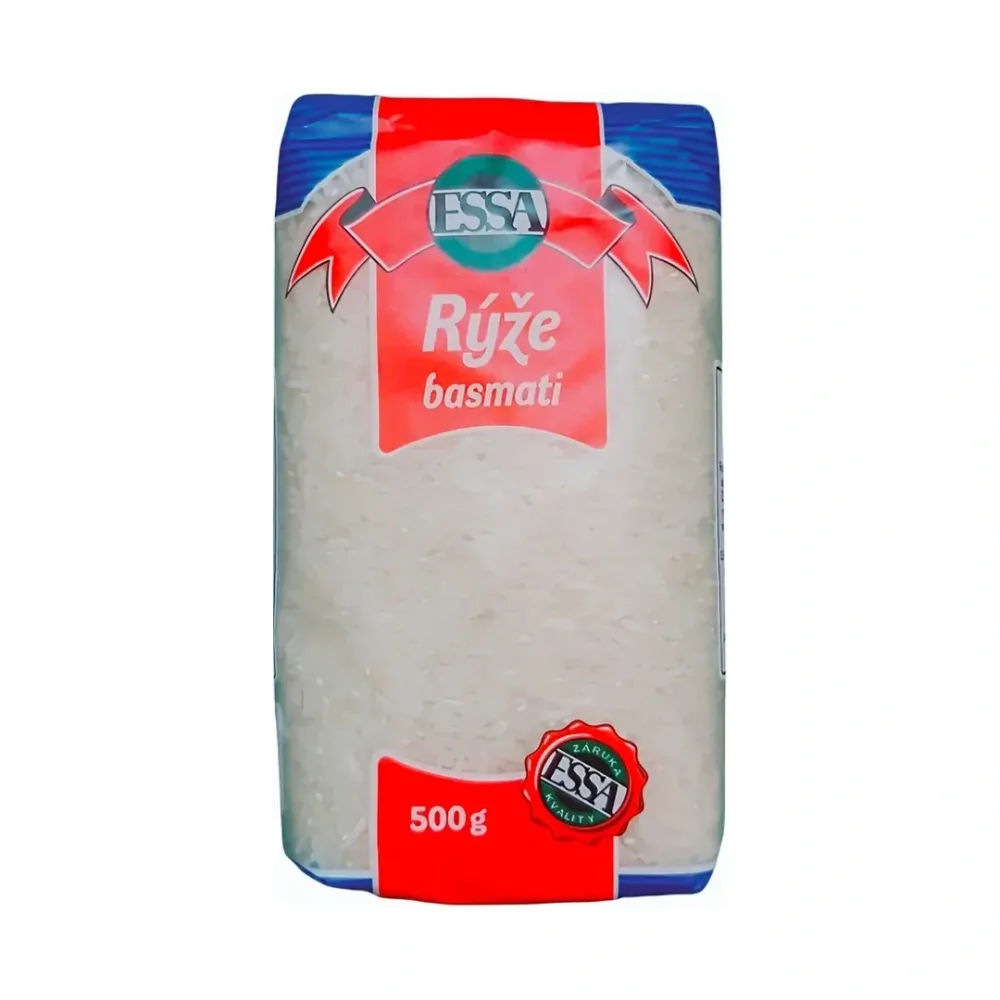
A concrete example of rice for Indian use: ESSA Basmati rice 500 g.
Wheat atta and the world of breads: from "bread" to a full-fledged side dish
Wheat atta is a typical flour for breads. Practically, it is important to understand that a bread is not just "something instead of cutlery": it is often the main side dish that scoops up sauce and at the same time carries part of the meal's satiety.
For orientation, it’s good to know at least a few names: roti/chapati (simpler breads), paratha (bread with a more distinct texture), naan and kulcha (often associated with more northern styles).
Legumes and "dal": the basis of satiety and carrier of spices
Legumes are among the most important pillars. The word dal can refer both to the legumes themselves and to a finished dish made from them. Various lentils, mung beans, urad, toor, and other types are common.
In practice, legumes are important not only for satiety: they are also great carriers of spices and aromatic fats. This is one reason why even a simple dal can taste like a "complete dish" and not just a side.
Chickpeas: firmer texture and "nutty" richness
Chickpeas appear often in Indian cuisine – and it makes sense to see them as an ingredient that can bring a firmer texture and more pronounced satiety. As with other legumes, it is important that they are well cooked and able to absorb spices and fat in which the aroma develops.
Ghee, yogurt, paneer: richness, softness, and "calming"
- Ghee adds richness and aroma. It often works as an aromatic fat that carries spices.
- Yogurt is used in marinades, sauces, and as a cooling complement. Practically, it is one of the easiest ways to balance spices without the dish losing its character.
- Paneer is typical for having no strong own flavor – and precisely for that reason works excellently as a carrier of sauces and spices.
Tamarind and coconut: contrast, fullness, and regional accent
Tamarind is a typical ingredient for acidity – it can "open up" flavor and balance richer, stewed, or creamy profiles. Coconut appears as a distinct flavor and texture component; in practice, you often notice it shifts the dish into a different, regionally colored style than the same spices without it.
👃 Curry leaves and mustard seeds: aroma that immediately suggests style
Curry leaves (typically associated mainly with the south) and mustard seeds are a good example of ingredients you shouldn’t think of as "optional decorations." When used correctly, they strongly define the character of the dish – often already in the first seconds when they release their aroma in fat.
Garam masala, tandoori masala, asafoetida: shortcuts to a typical profile (but not always universal)
For seasoning blends it’s important to understand there is no one "single correct" blend for everything:
- Garam masala is often used as a typical aromatic blend that can provide the final "Indian signature."
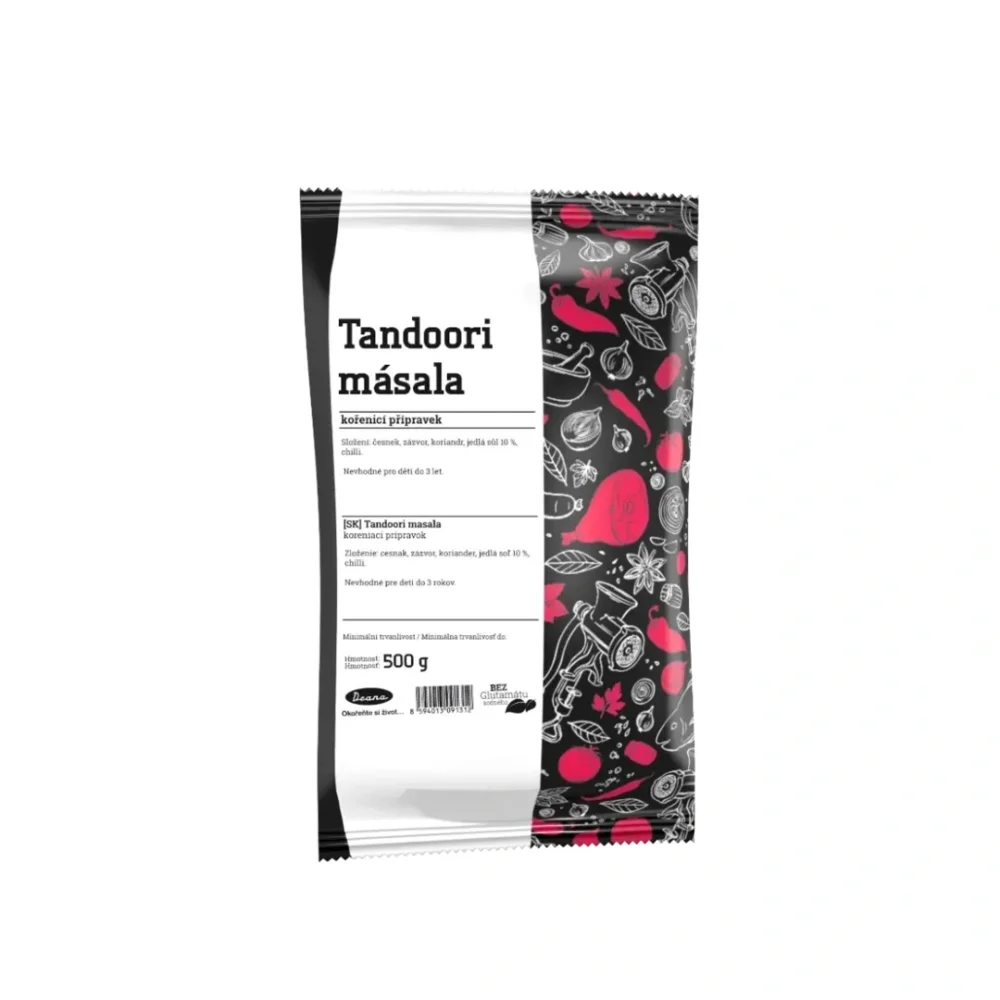
- Tandoori masala logically belongs in marinades (often with yogurt) and in sauces where you want a tandoori profile. Example blend: Drana Tandoori Masala 500 g.
- Asafoetida has a strong aroma, so it’s worth using it sparingly – think of it more as a "detail" that can easily overpower the rest if overused.
Turmeric, cumin, coriander, chili + ginger and garlic: the basic flavor alphabet
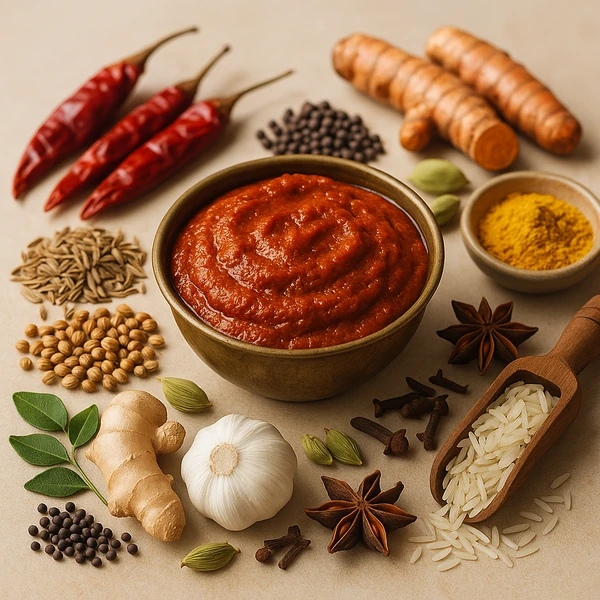
Among frequently recurring basic spices and aromatics are turmeric, cumin, coriander and chili, alongside ginger and garlic. The important thing is their interplay: some create a "warm" spiced base, some add sharpness, and others build a fresh, penetrating aroma.
How to start with Indian ingredients at home: 3 sure steps and approximate dosing
Beginners often find it helpful to focus not on dozens of items but on several repeatable steps. 👇
1) Prepare the basic "rhythm" of the meal
Indian meals often work best when you clearly have resolved:
- what will be the starch (rice or bread),
- what will be the main carrier of flavor (legumes, vegetables, meat, tofu, paneer),
- how you will soften or balance it (yogurt, possibly something sour like tamarind).
2) Learn spice tempering (the biggest difference for the least work)
Tempering is a technique where you briefly scent the spices in fat to release their aroma. A practical home procedure:
- Heat fat (often ghee or oil).
- Add whole spices (for example seeds) and let them scent briefly.
- Only after that add other ingredients (such as ginger, garlic, other spices, base sauce).
As a guideline, for 2–3 servings, you can start with roughly 1–2 tablespoons of fat and "a pinch to half a teaspoon" of whole spices. If unsure, start less – you can always add more, but burnt aroma is irreversible.
3) If you want to speed up a sauce: use a paste as a base, then adjust the flavor yourself
For a quick start, ready-made seasoning pastes for specific sauce styles are useful: usually you just briefly scent them in fat and then add the main ingredient and liquid depending on how thick and smooth you want the sauce. Two examples:
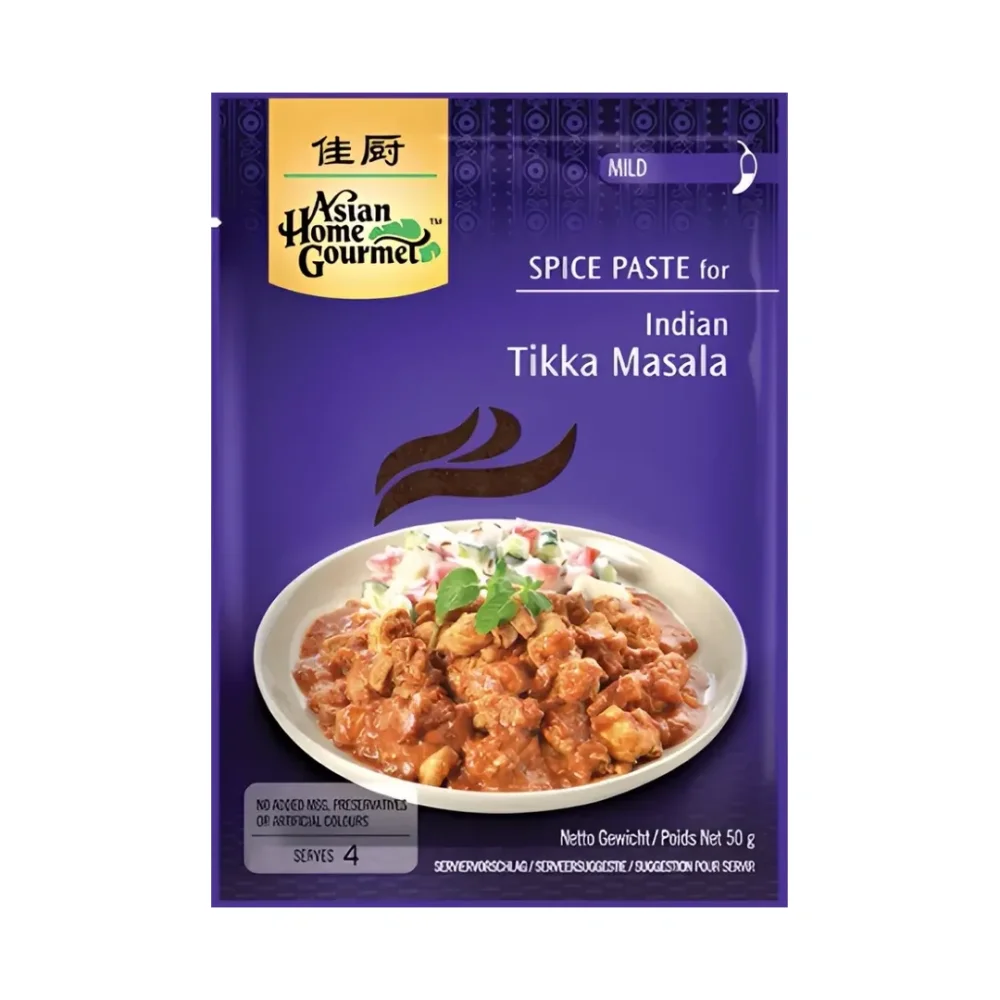
- AHG Tikka Masala Paste 50 g as a quick base for aromatic sauce.
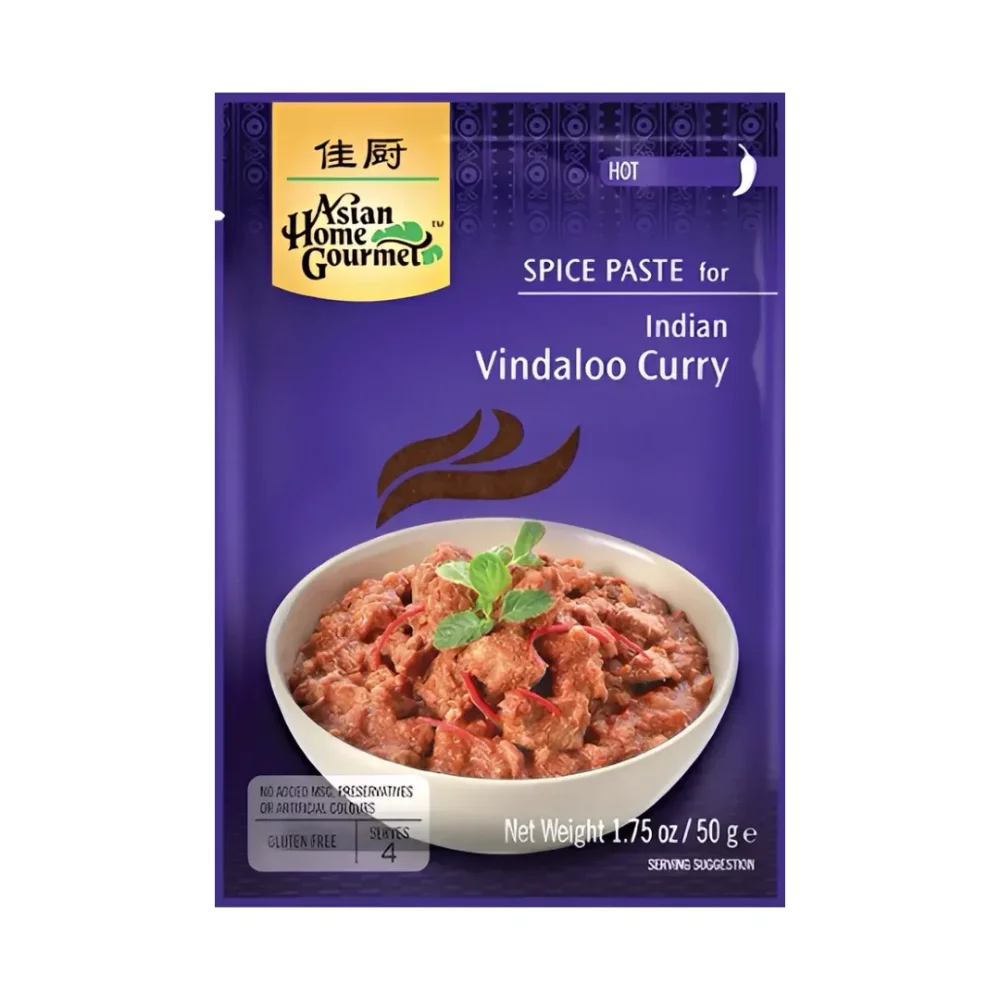
- AHG Vindaloo Curry Paste 50 g as a more pronounced, spicier base.
Tip: if you want to mellow the sauce without losing its character, it often works to add some yogurt (or serve it on the side) and possibly add a sour contrast (for example tamarind) little by little.
🍜 How to recognize quality Indian ingredients: spices, rice, legumes, pastes
Choosing well mainly means knowing, why you are buying the ingredient and what it should do in the dish. Frequent disappointment doesn’t come from the product being “bad” but from it being poorly chosen for a particular use.
👃 Spices: aroma, purity, and balance
- Quality spices are usually aromatic and clean, without mustiness and without a “stale” smell.
- With whole spices, the advantage is that you can freshly roast and grind them.
- With blends, it’s important that they taste balanced and don’t just give a dusty heat.
👃 Rice (especially basmati): aroma and behavior after cooking
With basmati, pay attention especially to the aroma, grain length, and how the rice behaves after cooking. Quality basmati is aromatic, tends to be fluffy and long after cooking.
Legumes and dhals: dryness, uniformity, clear cooking behavior
Legumes should be uniform, dry, and free of mustiness. For dhals, it’s practical to notice that different types suit different dishes depending on whether they should easily break down (creamier dal) or hold their shape.
Pastes and sauces: read labels and monitor the “technological sense”
With pastes and sauces, it pays to read the ingredients and watch the ratio of main ingredients, amount of salt and sugar, and possibly unnecessary thickeners or aromas. With higher-quality products, the ingredient list is understandable and makes technological sense.
Common mistakes and misunderstandings (and how to fix them quickly)
- “Indian = spicy.” Correct your goal: instead of chasing spiciness first focus on aroma and depth (tempering, basic spices, ghee/yogurt).
- Mixing strength, “authenticity,” and quality. Strong doesn’t necessarily mean quality. With blends, watch for balance and a clean aroma, not just aggressive heat.
- Taking regional ingredients as mandatory standard. Curry leaves are essential mainly for the south; tandoori/naan are not universal for every Indian dish. It helps to ask: am I cooking more a “rice-based” or “flatbread-based” style?
- Burnt spices and aromas. If garlic/spices burn, the dish becomes bitter. It helps to lower the heat, work in shorter steps, and have everything prepared ahead.
- Buying “all Indian ingredients” at once. In practice, it’s better to add in layers: first a universal base (rice/legumes/spices), then specialties that you use only in a small group of dishes.
What to take away from the article
- Typical Indian ingredients are not a single list of “exotics,” but a functional building set: starch (rice/flatbreads), legumes, dairy, spices, aromas, and techniques.
- In Indian cooking, aroma and depth matter more than spiciness itself.
- Distinguish universal and regional: rice more often dominates in the south and coast, wheat flatbreads in the north; curry leaves are typically southern, tandoori style isn’t automatically everywhere.
- The biggest practical shift is tempering spices in fat and working on balance (yogurt, acidity like tamarind).
- You recognize quality mainly by the aroma of spices, basmati’s behavior after cooking, dryness of legumes, and the “meaningful” composition of pastes/sauces.

Read next
If you want to explore this topic further, continue with these related blog guides and articles:
