


 Česky (CZK)
 Slovensky (EUR)
 Deutsch (EUR)
 Austria
 Belgium
 Bulgaria
 Croatia
 Denmark
 Estonia
 Finland
 France
 Germany
 Greece
 Hungary
 Italy
Italy Latvia
 Lithuania
 Luxembourg
 Netherlands
 Poland
 Portugal
 Romania
 Slovenia
 Spain
Spain Sweden










How to Start with Indian Cuisine: The First Directions, Key Ingredients, and Dishes to Understand It
Indian cuisine is not just one "typical" flavor but a whole map of regional styles – from delicate lentil dhals to fragrant rice plates and hearty sauces and marinades. If you want to start at home, the quickest way isn't to buy dozens of spices but to understand a few basic directions, one key technique (tadka), and choose a few initial dishes that teach you principles, not just one recipe.
At the beginning, it’s useful to do one thing: choose your "entry door." Asia isn't one single bundle and the Indian style mainly suits people who want hearty dishes, layered spices, braising, and a combination of sauces, legumes, and rice. This guide is built so that after reading it, you'll know what to cook first and why.
🌶️ 1) What is Truly Typical for Indian Cuisine (and Why It’s Not Just Spiciness)
The most common shortcut that holds beginners back is the idea that "Indian = very spicy." In practice, aroma, depth, and layering are often more important. Spices are used to highlight the flavor of ingredients – not to overpower it. Spiciness is just one component and in many dishes it is not dominant at all.
When you want to organize your thoughts, think about Indian food through building blocks:
- side dishes (rice and various breads),
- legumes and dhals as a stable, repeatable dish,
- dairy products (yogurt, ghee, paneer) – not just for sauces but also to "calm" flavors,
- aromatics and spices (including the technique of working with them),
- techniques like tempering spices, slow braising, baking in a clay oven, or quick sautéing.
Another typical aspect is balance "at the table": in many regions, the meal isn't centered only around one sauce but around the interplay of several elements. Alongside the main dish there may be rice or bread, something sour or fresh, sometimes chutney or pickle (a pickled, pungent side dish), and often a yogurt element that rounds out the flavors.
2) Two Directions Not to Confuse: Northern “Gravy” Style vs. Southern Rice-Coconut Style
For a home start, it’s useful not to perceive India as one cuisine but at least as two indicative directions that behave differently both on the stove and on the plate:
Northern style: sauces (“gravy”), breads, heartiness
Beginners often associate the north with sauces that are easily scooped up with bread or served with rice. Typically, you’ll deal more often with working on a base (fat + spices + aromatics) and slow braising to deepen flavor.
Southern style: rice and lighter, often differently constructed flavors
The south is good for understanding that Indian cuisine is not just about one sauce and one side. Often it makes more sense here to have a rice plate and dishes like sambar or dosa (pancake/flatbread), which teach another logic of serving and seasoning.
🍜 3) Basic Ingredients That Open Up Most First Dishes
You don’t need to stock your pantry widely. For starters, it’s better to have a few ‘core’ items that repeat in many dishes and teach you the principles.
Side dishes: one rice and one wheat path
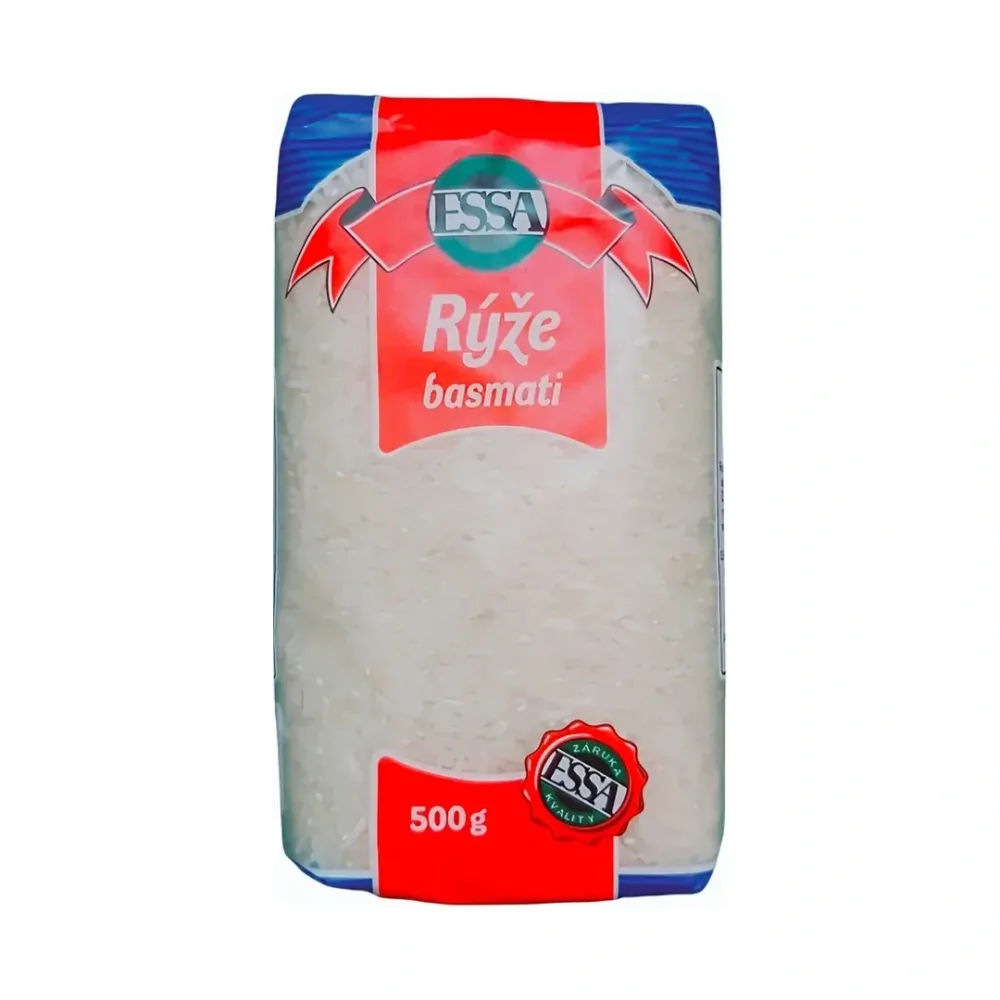
Rice and breads are more than side dishes in Indian cuisine – they are tools to eat food and balance sauces. If you want a universal rice base, it makes sense to start with basmati, which is typical for curry sides and rice dishes like biryani.
Practical start: choose one rice that you will cook repeatedly (and fine-tune your method). As a specific example you can use ESSA basmati rice.
As a wheat complement, you can try breads according to your preference (the most known in pictures is naan, but Indian reality is broader). If you want to explore possibilities, a guide can help Indian and Asian breads and flatbreads.
Legumes: dhal as a “safe base”
Dhal (legume dish) is a great start because it teaches working with seasoning and technique but also “forgives” small mistakes. Moreover, it can vary – sometimes it will be more delicate and fragrant, other times stronger, depending on how you build the spiced base.
Dairy products: yogurt, ghee, and paneer as flavor tools
In Indian cuisine, dairy products are not just “creaminess.” Yogurt is often used as a stabilizer and to calm flavors (spiciness, seasoning), ghee as a carrier of aroma, and paneer as an ingredient that holds shape and absorbs sauce well.
👃 Aromatics and spices: fewer items, more skill
From a practical point of view, it’s sensible to cook with a few “pillars”: cumin, coriander, turmeric, and chili. Only then add other things.
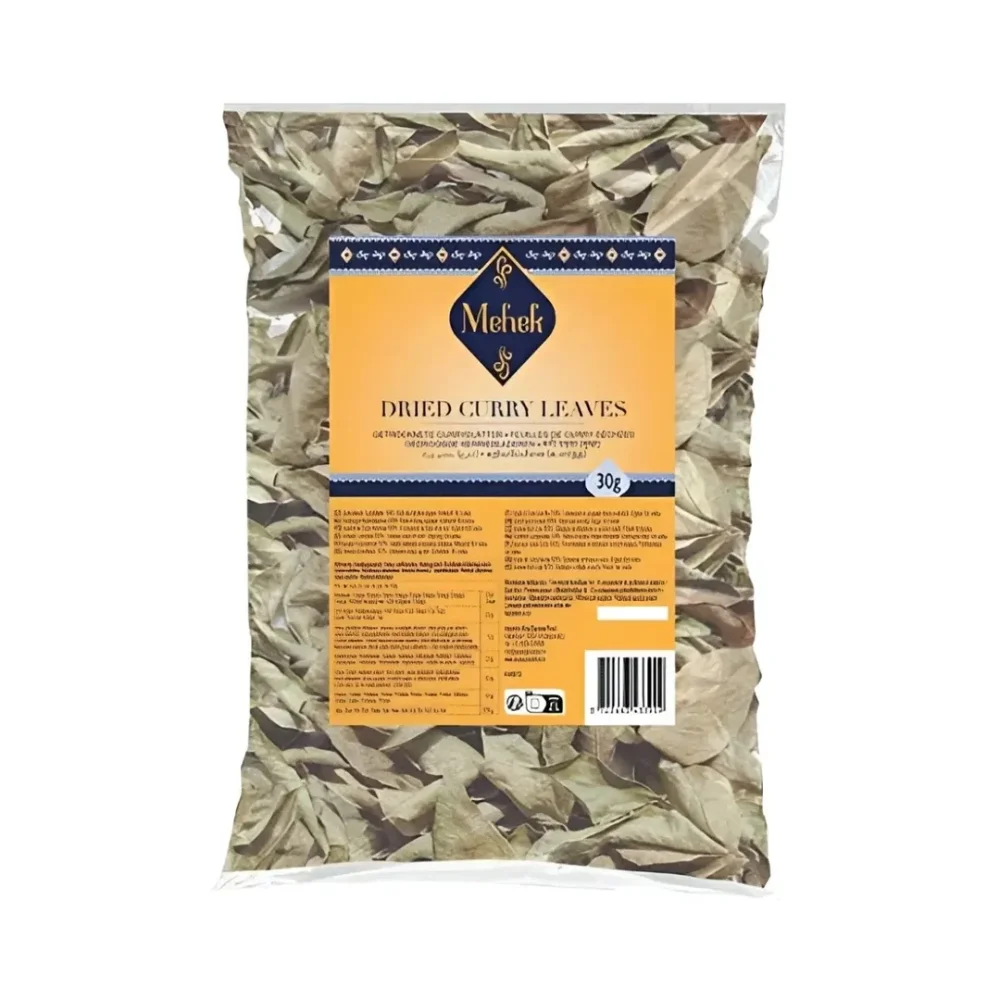
If you want to taste a different kind of aroma that is typical for part of Indian cuisine and easily lost in European improvisation, good examples are Mehek curry leaves (dried). They make sense where you want, besides “warm” spices, also a herbal citrus tone.
4) How Flavor is Built on the Stove: Layering and the Tadka Technique (Tempering Spices)
One of the most important principles of Indian cooking is layering flavor. It’s not about adding as many spices as possible, but giving them the right place in time. The typical logic is:
- awakening the fat,
- brief toasting of whole spices,
- aromatics (onion, ginger, garlic),
- wet component (e.g. tomato or yogurt),
- additional spices + main ingredient + liquid,
- finishing: adjusting acidity, herbs, or garam masala (often added at the end).
A key technique worth trying in the first few weeks is tadka (also tarka/chaunk): briefly heating spices and aromatics in hot fat and then adding this aromatic base to dhal, vegetables, or other dishes. Tadka often decides whether the result will be "just legumes" or truly taste Indian.
Practical tips to make tadka work even for beginners:
- Start with a smaller amount of spices and add more next time. With spices, it’s easier to add gradually than to rescue an overly intense flavor.
- Watch spices in the fat: it’s a short step. If burnt, it becomes bitter and spoils the whole dish.
- Deal with spiciness separately: it’s safer to add chili later (or dose it carefully) than to make the base irreversibly hot.
5) First Dishes That Make Fast Sense (and What They Teach You)
Instead of chasing the "most authentic" recipe, it’s more advantageous for a start to choose dishes with fewer steps that forgive errors and always teach one key principle. From the perspective of understanding Indian cuisine, a proven first five include:
- Simple dhal – teaches you basic flavor logic and working with tadka.
- Chole (or another legume dish) – shows how to build heartiness and depth without complicated "bottle" sauces.
- One paneer dish – understand the role of dairy products (texture, calming, sauce carrier).
- One rice dish like biryani or khichdi – teaches you that rice can be the main form of a meal, not just a side.
- One southern-style dish (e.g. dosa or sambar) – you gain contrast to northern sauces and breads.
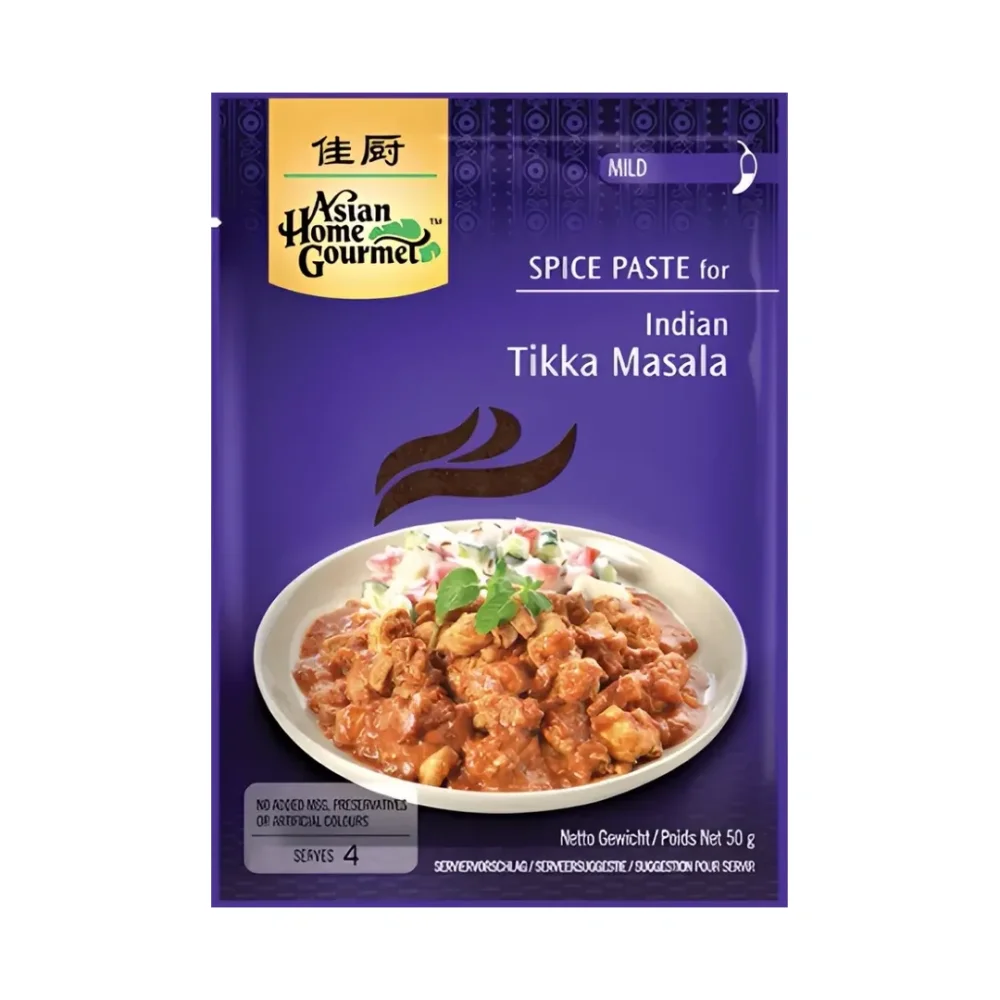
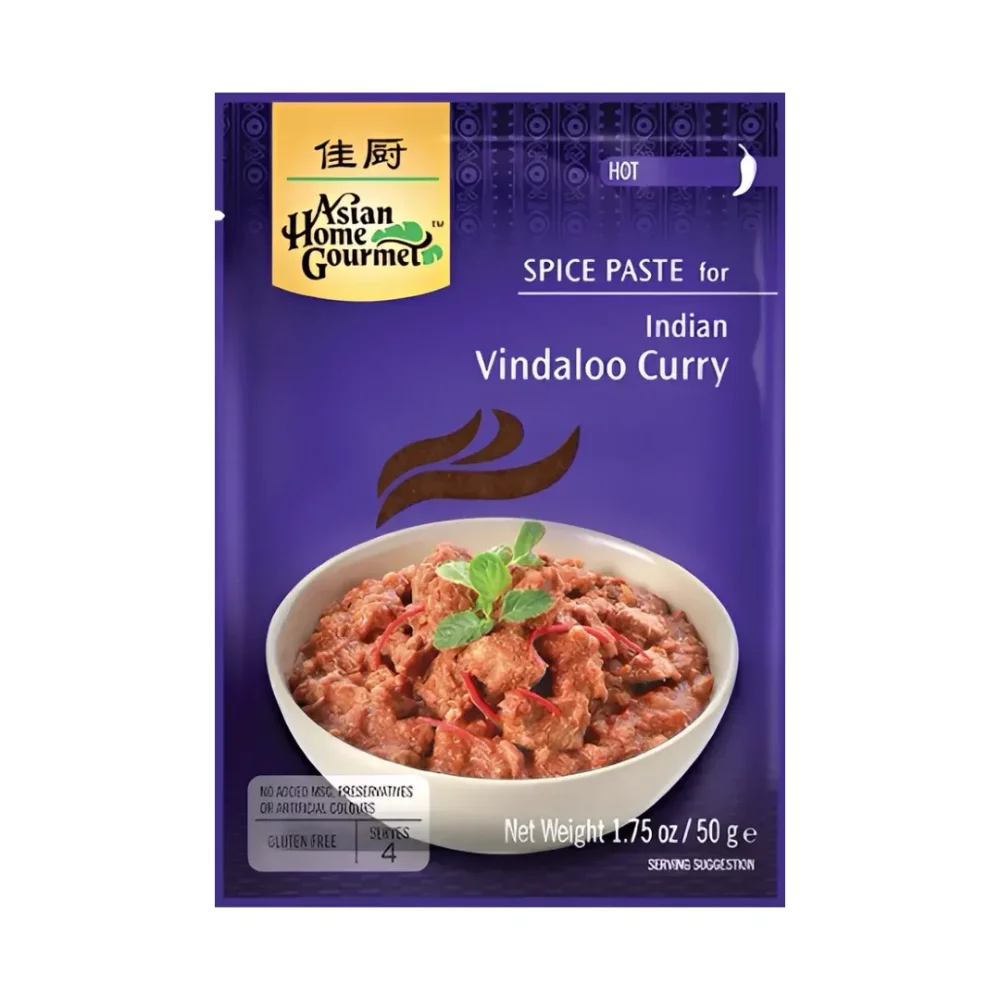
If you want to shorten the path in first attempts and focus more on technique than on assembling spices, you can use a ready-made mix/paste once, on which you practice the sequence of steps and flavor adjustment. As an example of an "aromatic sauce," Tikka Masala AHG paste (you adjust the flavor yourself later) can serve, and for a stronger, spicier direction, Vindaloo curry AHG pasteis an example. The point is to learn to awaken the base and connect it properly with the ingredient – not to collect dozens of new items.
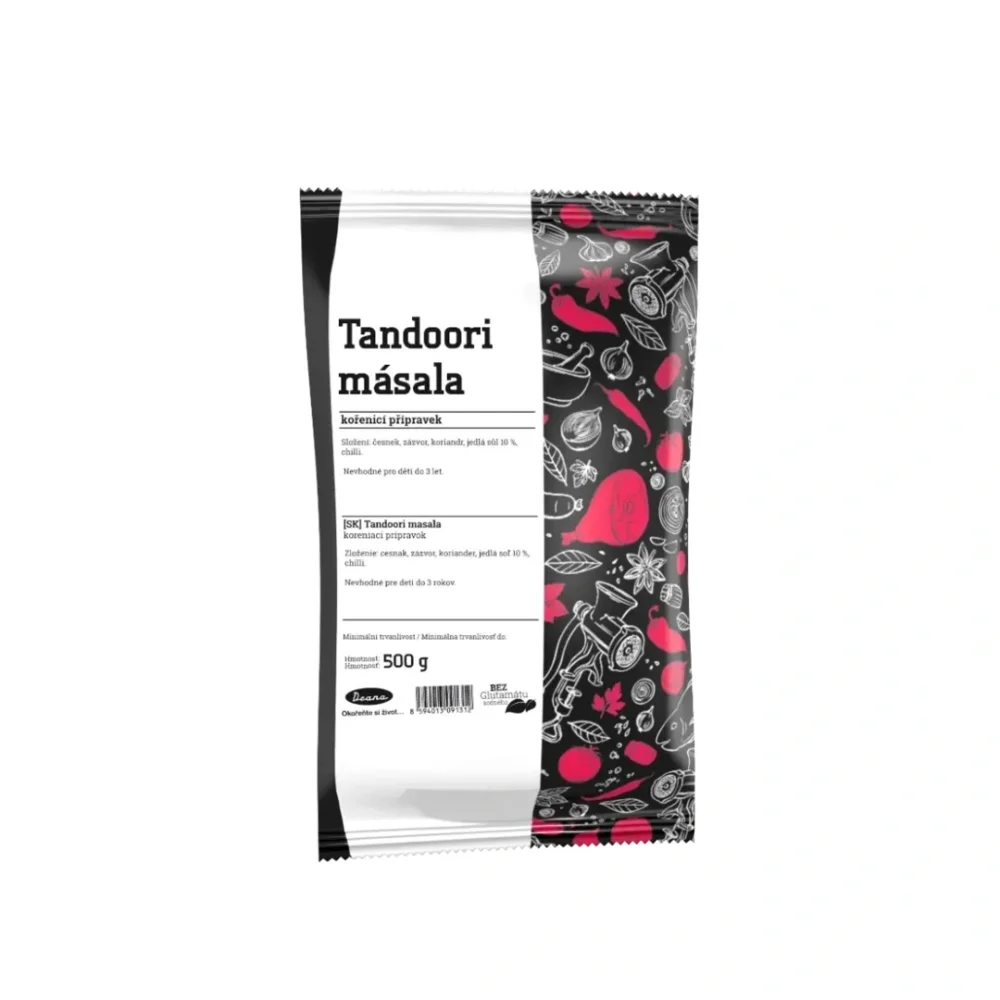
A similar “shortcut” can be used with marinades: for example, Tandoori masala Drana can be used in a yogurt marinade or sauce and helps you quickly understand the tandoori taste profile.
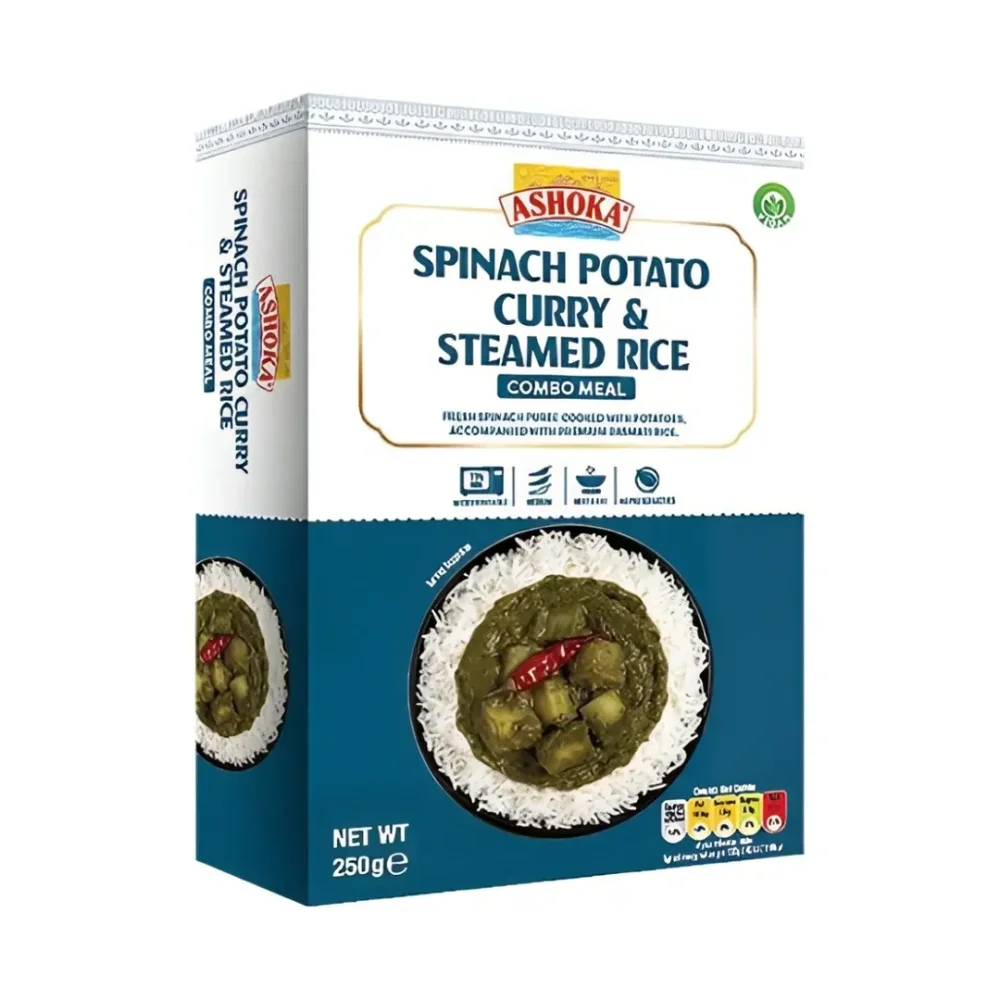
And if you’re completely at the start and want to get a taste idea first, it may be useful to try a finished dish once as a reference. For example, spinach curry with potatoes and Ashoka basmati rice will show you what a milder “saucy” style can feel like without immediately handling all steps from scratch.
If you want to explore more types of ready mixes (for India or other Asian curry styles), a guiding directory is the curry paste category and for a narrower selection also special curry pastes.
6) Most Common Misconceptions and Mistakes of Beginners (and How to Fix Them)
Misconceptions about Indian cuisine
- “Indian food is always spicy.” Often it’s not. Try dosing spiciness carefully and focus on aroma and “warm” seasoning.
- “Curry is one specific sauce.” The word “curry” is too broad – it includes many very different dishes. It helps to think about the regional style and how you build the base.
- “Naan is the base of every Indian meal.” Naan is well known, but common home life also rests on other breads and rice.
- “Indian cuisine is mainly vegetarian.” Vegetarianism is significant, but there’s also a rich tradition of meat, fish, and coastal cuisines.
- “Everything is made from one curry powder mix.” No: mixes, spices, and techniques differ greatly between regions and dishes. For starters, it’s better to learn a few pillars (cumin, coriander, turmeric, chili) than to rely on one universal mix.
Shopping and practical mistakes that unnecessarily ruin first attempts
- Buying based on a picture of a finished dish. The picture doesn’t teach you if the product is a cooking base or just a final table seasoning. They behave differently in the kitchen.
- Buying “by country” without understanding the type. Just because something looks Indian doesn’t mean it’s a universal base or a narrowly specialized ingredient used once a year.
- Starting too specialized. Some things aren’t bad but aren’t suitable as a first step: they have narrow use, challenging dosing, or too dominant flavors. For onboarding, it’s advantageous to choose items that repeat across many dishes.
- Not reading the label and ingredients list. For Asian ingredients, often the “fine print” matters: what’s at the top of the list, whether it’s a base ingredient or mostly water, sugar, and thickeners, and what allergens are present.
What to take away from the article
- You better understand Indian cuisine as a map of regional styles, not as a single “curry flavor.”
- For a start, it’s key to understand the difference between northern gravy style and southern rice style.
- Instead of collecting spices, it pays off to master a few pillars (cumin, coriander, turmeric, chili) and especially layering of flavor.
- The technique tadka is one of the fastest ways to get an "Indian" result from simple ingredients.
- The best onboarding is through a few dishes that teach the principles: dhal, chole, paneer dish, biryani/khichdi and one southern dish (dosa/sambar).
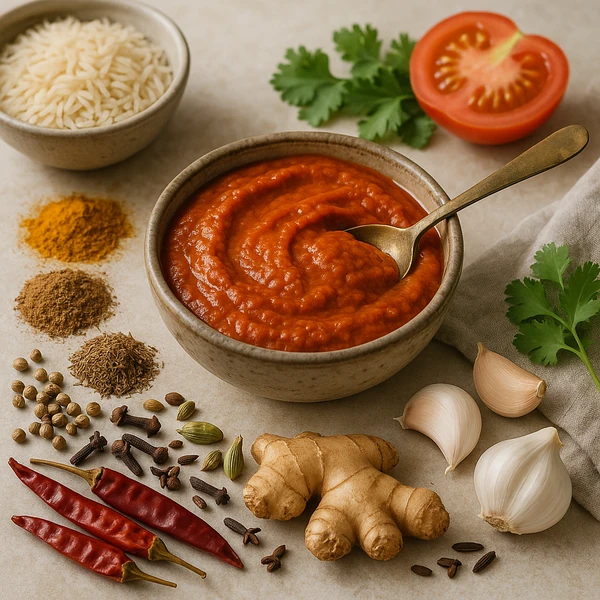
Illustrative photo: Basic ingredients of Indian cuisine – spices, rice, and legumes.

Read next
If you want to explore this topic further, continue with these related blog guides and articles:
