


 Česky (CZK)
 Slovensky (EUR)
 Deutsch (EUR)
 Austria
 Belgium
 Bulgaria
 Croatia
 Denmark
 Estonia
 Finland
 France
 Germany
 Greece
 Hungary
 Italy
Italy Latvia
 Lithuania
 Luxembourg
 Netherlands
 Poland
 Portugal
 Romania
 Slovenia
 Spain
Spain Sweden










Taste of Indian cuisine: how to recognize it and create it at home
"Indian taste" is not one universal sauce nor a synonym for spicy food. Indian cuisine is a broad family of regional styles – from delicate legume dishes through tandoori breads and marinades to rice dishes with tamarind, coconut, and curry leaves. In this article, you will clarify what typically makes up Indian taste, how the north differs from the south, and how to build it in practice even without "pouring all the spices of the world" into the pot.
🌶️ Indian cuisine as a flavor map: what is "typically Indian" and why it matters
Indian cuisine is not a single unified cuisine. This is crucial for the flavor: under one label, there can be the delicate legume dhal, tandoor bread, rich buttery curry, simple rice plate with sambar, sour fish curry or festive biryani. If you try to find "one true Indian taste," you easily end up with simplifications like "curry = yellow sauce" – and that is exactly the mistake that makes Indian cuisine unnecessarily difficult at home.
What repeats across India is several flavor principles:
- Grains and sides (rice and breads) as a base that carries the sauce and spices.
- Legumes as a hearty pillar and a great "carrier" of aromatic fats and spices.
- Dairy products (yogurt, ghee, paneer), which can soften, round out, and bind flavors.
- Aromatics and spices (ginger, garlic, cumin, coriander, turmeric, chili, and others) as flavor building blocks – not as a random mix.
- Techniques (tempering spices, long simmering, high heat roasting, quick frying) that decide whether the result will be "Indiancally fragrant" or just "over-spiced".
North vs. South: two most common forms of Indian taste
North India: wheat breads, tandoor, and richer sauces
Northern cuisine is often the most familiar to Europeans – partly because much of the international idea of "Indian food" comes from it. Flavor-wise, you often find here:
- wheat breads (naan, roti, paratha),
- dishes baked at high heat (tandoor style),
- paneer in sauces,
- yogurt marinades and sauces,
- "gravy" style with onions, tomatoes, yogurt and spices,
- more festive dishes like biryani, pilafs or meat dishes.
The taste of the north often feels rounder and fuller – thanks to fats, yogurt, and longer cooking of the base. If you want to start at home with the "restaurant classic," you usually hit the northern logic.
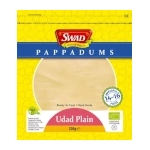
If you want to orient by sides, a good practical sign is bread: when naan/roti is on the table, you are typically closer to the north. For a natural follow-up to breads and Indian bread, a guide Indian breads and flatbreads.
South India: rice, coconut, tamarind, curry leaves, and fermentation
Southern India is distinctly "rice-based" and flavor-wise often livelier and sharper in acidity. Typical building blocks of the south:
- rice as the main side,
- coconut (grated as well as in the form of coconut milk or oil),
- tamarind as a pronounced acidic ingredient,
- curry leaves and often mustard seeds,
- fermented batters from rice and legumes, from which dosa, idli or uttapam
- are made, basic dishes like sambar, rasam and various chutneys,
- on the coast more often fish and seafood.
When you imagine "Indian food" more as tamarind sourness, coconut scent, and curry leaves than creamy sauce, you are flavor-wise heading more south.
🍜 What Indian taste consists of: ingredients that repeat across regions
For orientation, it is useful to distinguish a universal base (what you find almost everywhere) and a regional signature (what is typical mainly somewhere). Among ingredients that occur very often in Indian cuisine are:
- rice (often basmati) and wheat flour atta for breads,
- legumes (various kinds of lentils and other legumes; “dal” can mean legume or finished dish),
- chickpeas,
- yogurt, ghee and paneer,
- tamarind and coconut,
- curry leaves and mustard seeds,
- blends and spices like garam masala, tandoori masala, asafoetida, turmeric, cumin, coriander, chili,
- and almost constantly among aromatics ginger and garlic.
An important note on expectations: some ingredients are strongly regional. For example, curry leaves are essential mainly for the south, while tandoor and naan are not automatic "Indian standards" for every dish.
How flavor is built in Indian cuisine in practice: layering and tempering (tadka)
One of the greatest advantages of Indian cooking is thoughtful layering. It is not about adding as many spices as possible, but about extracting the right aroma and flavor at the right time. This sequence is often repeated:
- Warming the fat.
- Brief roasting of whole spices (to release aroma but not become bitter).
- Aromatics (typically onion, ginger, garlic).
- Wet base (tomato, yogurt or another base depending on the dish).
- Additional spices, main ingredient, and liquid.
- Final adjustment at the end (fresh acidity, herbs, optionally garam masala).
Tadka (tarka/chaunk): a small step that tastes "most Indian"
Tadka is a technique where spices and aromatics are briefly fried in hot fat, and this fragrant base is added to dhal, vegetables, or other dishes. Practically, it is often the moment when the dish "flips" from good to truly aromatic.
For your first attempts at home, a simple rule may suffice: heat the fat, add whole spices, and watch them. Frying usually takes a matter of seconds – as soon as the spices smell strong, it's time to continue with the next steps to avoid burning.
How to start at home without chaos: two safe paths
- Path A – "classic base": build flavor through fat → spices → aromatics → tomato/yogurt → simmering. This style will lead you to many northern sauces and dhals.
- Path B – "quick fragrance release": briefly fry the spices in fat and immediately continue with the ingredients. Suitable for simpler vegetable dishes or quicker sautéing.
If you want a shortcut, there are ready-made mixes and pastes for specific types of sauces. They make sense especially when you are just getting a feel for how each classic should taste:
- AHG Pasta Tikka Masala 50 g as a quick base for tikka masala sauce (good for understanding the "richer" northern sauce).
- AHG Pasta Korma curry 50 g for a milder, creamier korma style (useful if you don't want to start with spiciness).
- AHG Pasta Vindaloo Curry 50 g for a spicier vindaloo style (when you want bolder seasoning and a hotter profile).
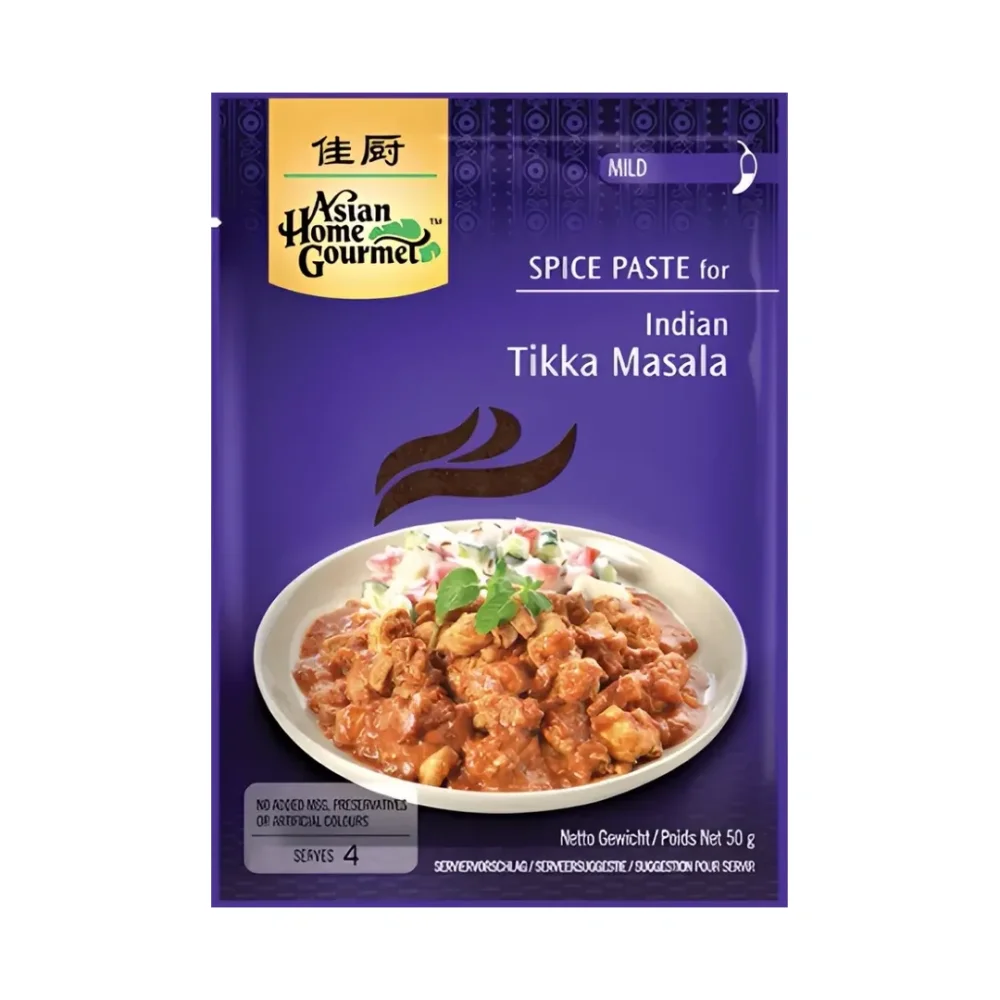
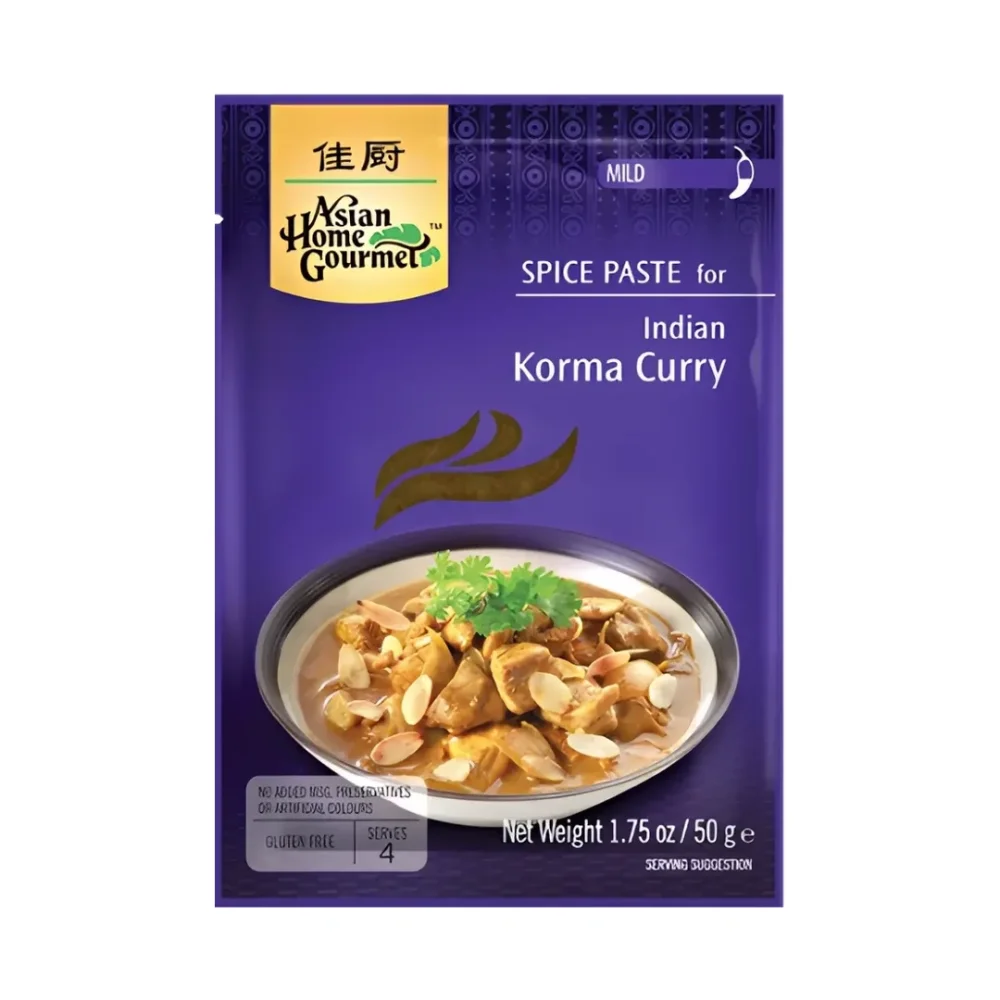
When choosing similar "curry pastes," it's good to keep a simple check: is the paste intended for a specific Indian dish/sauce? Then it’s easier to learn the taste of that particular classic. You can find a general guide under curry pastes.
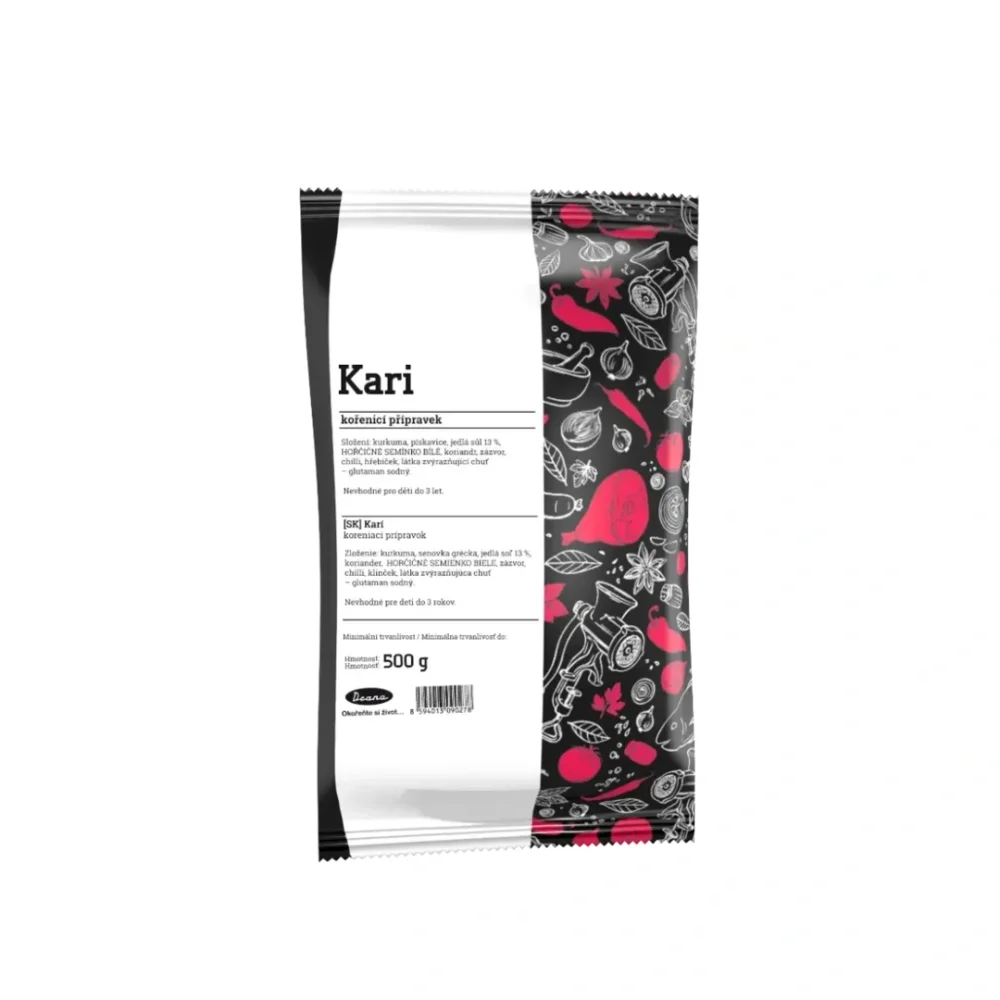
And if you usually cook "in parts" at home and want a universal mix to try the principle of releasing spices at the start, a practical start could be Drana Curry 500 g – as an assistant for first attempts. Just keep in mind that a "curry mix" is not the same as the individual regional Indian masalas and won’t automatically give you the taste of a specific dish.
💡 Common mistakes and what to watch out for (so the result isn't just "spiced")
- Mistake: "Indian = spicy." Spiciness is only one dimension of flavor. Equally important are the aroma of spices, fat, acidity (tamarind, tomato, sometimes yogurt), and the method of preparation.
- Mistake: "Just add curry." One spice (or mix) does not replace the layering technique. Without frying and aromatics, you will often get only a flat spiciness.
- Error: burnt spices in fat. Whole spices and some ground mixes easily burn in hot fat. Once it turns bitter, it can’t be "saved" by adding more spices – it’s better to start over.
- Error: all spices at once. Indian flavor often develops gradually. Some spices belong at the start in the fat, some in the base, and some only at the end (for example, for a fresher aroma).
- Mistake: naan and tandoori as a universal measure of India. They are typical for the northern style, but the south tastes completely different (rice, coconut, tamarind, curry leaves, fermentation).
What to take away from the article
- Indian cuisine is best understood as a map of regional flavors, not as a single "curry" sauce.
- For quick orientation, the contrast helps north (flatbreads, tandoor, yogurt-based and richer sauces) vs. south (rice, coconut, tamarind, curry leaves, fermentation).
- Flavor is mainly built using the technique: fat → spices → aromatics → base → simmering/finishing.
- A big difference is made by tadka (tempering spices in fat) – a simple step that adds aroma and an "Indian signature."
- The most common problems at home arise from burnt spices and the assumption that Indian food is automatically spicy or that one mix will solve it.

Read next
If you want to explore this topic further, continue with these related blog guides and articles:
