


 Česky (CZK)
 Slovensky (EUR)
 Deutsch (EUR)
 Austria
 Belgium
 Bulgaria
 Croatia
 Denmark
 Estonia
 Finland
 France
 Germany
 Greece
 Hungary
 Italy
Italy Latvia
 Lithuania
 Luxembourg
 Netherlands
 Poland
 Portugal
 Romania
 Slovenia
 Spain
Spain Sweden










North and South India in the kitchen: how to recognize the difference on the plate and what to cook at home
"Indian cuisine" is not one taste or one sauce. For a European home cook, however, the division into north and south is one of the most practical reference points: it helps to understand why sometimes bread and a creamier sauce make more sense, other times rice, coconut, and a more pronounced acidity. This article will show the main differences, what both directions have in common, and how to bring them into everyday home cooking without unnecessary shortcuts and mistakes.
Why "north vs. south" is a useful framework (and why it's not a template)
Indian cuisine is a broad family of regional kitchens that grow from different climates, agriculture, religions, historical influences, and local customs. That's why "Indian food" under the same label can take the form of a delicate lentil dhal, tandoor bread, rich butter curry, a simple rice plate with sambar, or a festive biryani.
The division into north and south is among the most important orientation frameworks for a European audience because it explains two distinctly different "home logics": which side dishes dominate, how sauces are built, where the freshness (acidity) comes from, and how the scent of spices is managed.
At the same time, it is important not to make a simplified template out of it. India is not just north versus south: there are many transition areas, and each region has its subtypes. Consider it as a map, not a ruler.
North India: more wheat and flatbreads, more dairy products, more frequent tandoor
The northern style is often recognized by its more frequent reliance on wheat and various kinds of flatbreads. For many, naan is the symbol, but in reality, the overall role of "bread with sauce" is more important than one specific flatbread.
What typically characterizes the northern profile
- More wheat and flatbreads as a side for sauces.
- More dairy products (for example yogurt, ghee, paneer) – resulting in a rounder, fuller impression.
- More frequent tandoor (baking) – and related marinating and distinctive aroma.
- Richer sauces ("gravy" style), which depend on depth and aroma, not just spiciness.
- More frequent paneer and kebabs as typical elements of the northern menu.
- Festive role of biryanis and pilafs – rice here is not marginal, it just often plays a different role than in the south.
Practically, this means: when cooking a more northern-inspired dish, think about the "sauce for dipping" and the element that softens or rounds out the dish (yogurt base, ghee, or paneer cheese).
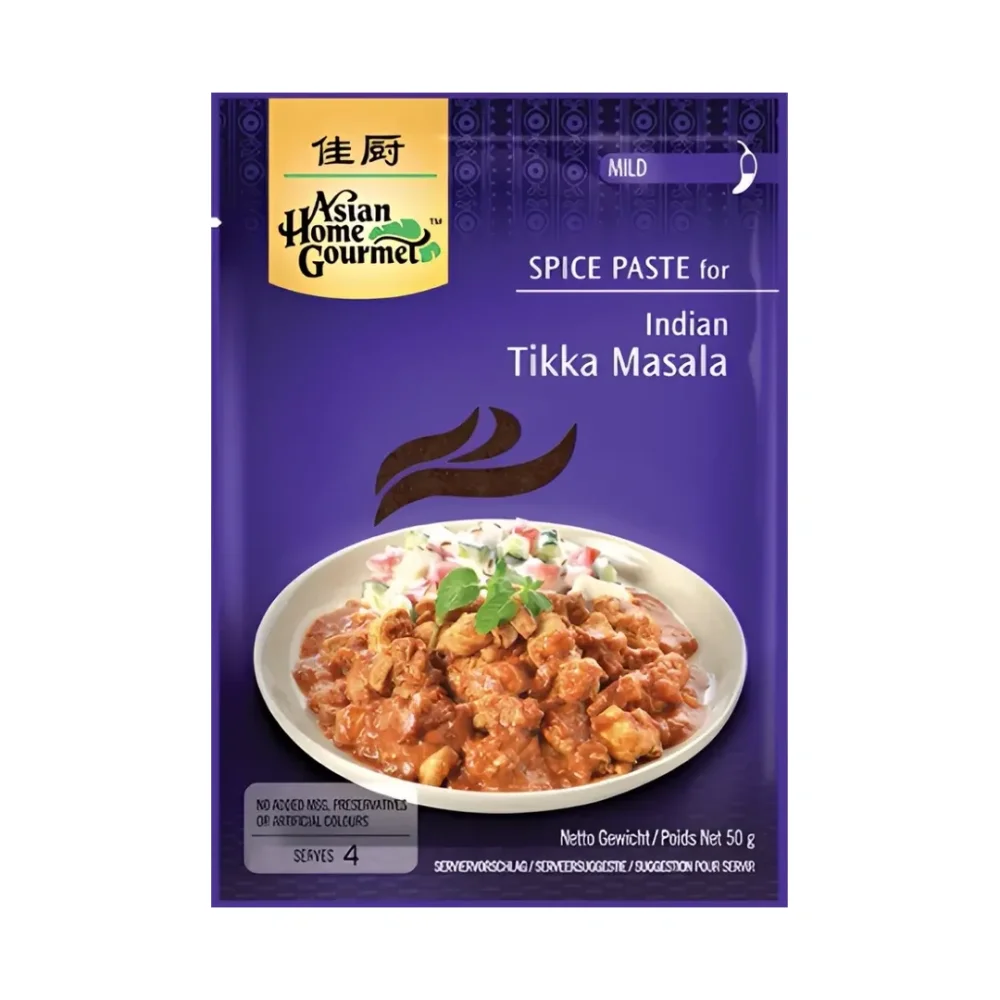
If you want to quickly taste the northern style of a "richer aromatic sauce" at home, a shortcut can be AHG Tikka Masala paste – but consider it rather as a starting point. The idea is to sense the type of sauce (aroma, depth, milder profile), not to look for one "right" taste.
To the "bread + sauce" style, it is also good to browse the guide to Indian bread and choose one side dish to repeat until it starts to make sense how to eat with sauces.
South India: more rice, coconut, tamarind, curry leaves and a lighter, more acidic profile
The southern style, on the other hand, is more often built on rice and pronounced aromatic and acidic elements. Typical is the role of coconut, tamarind, curry leaves, and mustard seeds. Fermented doughs also appear more often – and the resulting profile tends to be lighter, more acidic, and often spicier.
What typically characterizes the southern profile
- More rice as the foundation of the plate.
- More coconut as part of taste and texture.
- More tamarind as a source of acidic contrast.
- More curry leaves and mustard seeds – the aromatics differ from the northern "gravy" style.
- Fermented doughs (as a technological element), giving different structure and taste.
As a representative example of the southern direction, dishes like dosa or sambarare often mentioned. Even if you don't start fermenting dough at home right away, you can try to approximate the southern "signature" by aromatics and acidity: tamarind, curry leaves, and the way the dish is built around rice.
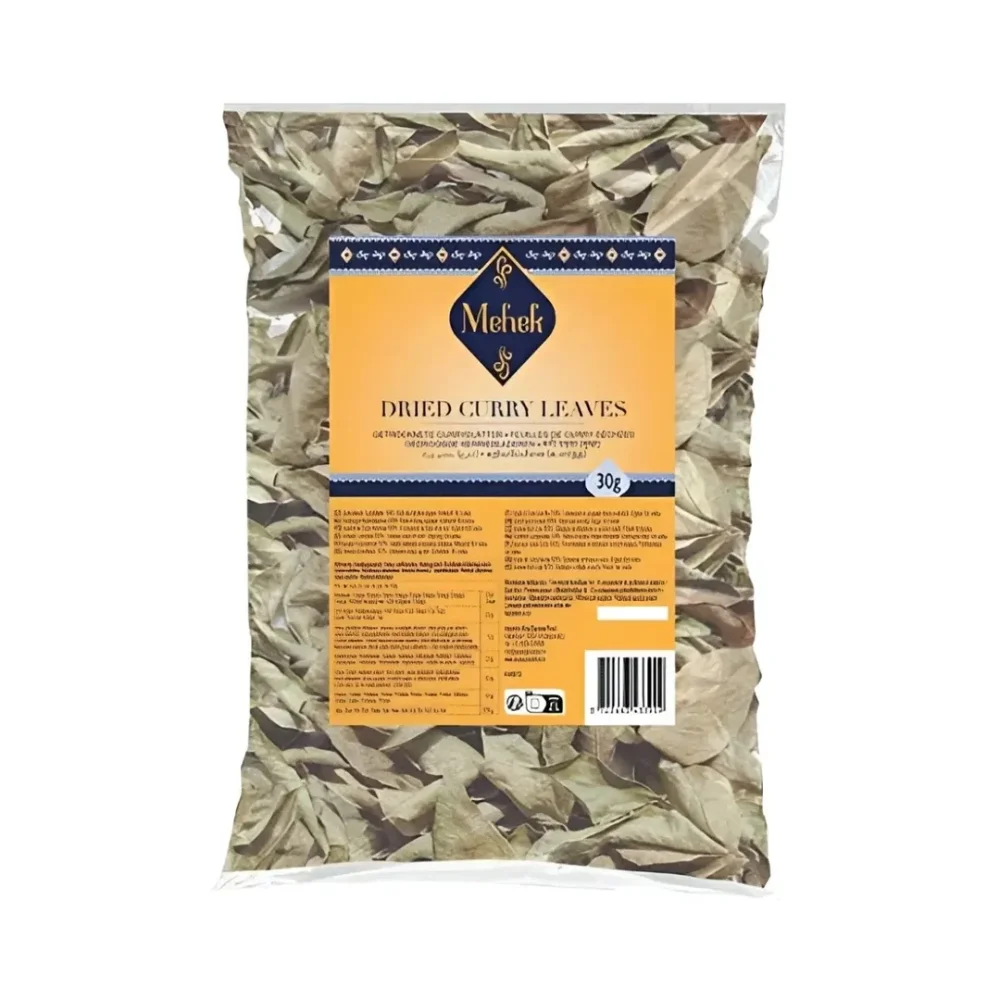
For home cooking, a great "learnable" step is to learn to use curry leaves: briefly scent them in fat at the beginning (as part of tempering spices) or add them to the sauce so they have time to release aroma. A simple start can be Mehek curry leaves.
What both north and south have in common: a building block of taste and techniques that make India India
The most common shortcut when describing India is "spicy food." In reality, Indian cuisine is much more about working with aroma, depth, and layering. Spices are often used to highlight ingredients, not to overpower them. Spiciness is just one of many taste components and is not dominant in many dishes.
Similar building blocks repeat across regions:
- Grains and sides – especially rice and various flatbreads.
- Legumes and dhals as a "safe base" and standalone dishes.
- Dairy products (yogurt, ghee, paneer), which can soften and round the taste.
- Aromatics and spicesthat form the character of the dish.
- Techniques like tempering spices (tadka), long simmering, baking, or quick frying.
Equally important is the composition of the meal on the table. In many regions, it's not about "one finished plate" but the interplay of several elements: the main sauce or dish, side (rice/bread), a sour or fresh complement, and sometimes a calming yogurt.
Chutney, raita and pickles: small bowl, big difference
India has an extraordinarily rich world of accompanying seasonings. It makes sense when you realize that these are not "extras" but taste contrasts:
- Chutney is not "jam for meat," but a contrast. It can be fruity, herbal, coconut, sour, spicy, garlic, mint, or coriander.
- Raita works as a cooling and calming complement to spicier and more heavily spiced dishes.
- Pickles (achar) add a sharp, sour, spicy, and very concentrated layer – used in small amounts but can change the whole bite.
Practical rule: distinguish sauce for cooking (which forms the base of the dish) and table seasoning (which is added only at serving in small amounts). Confusing these two roles is a common reason why a dish seems either overly heavy or "unfinished."
How to start at home: 5 steps to "set" northern and southern styles
Beginners usually make one of two mistakes: either they buy dozens of spices without a plan or try to simplify everything into one universal "curry" flavor. It's better to understand a few basic directions and build a small, repeatable minimum.
1) Learn the four guiding pillars of spices
As a reasonable start, it makes sense to be able to work with cumin, coriander, turmeric, and chili. You don't have to find perfect ratios right away – it's more important to sense what they do: what adds "warm aroma," color, spiciness.
2) Distinguish between "northern gravy" vs. "southern rice-coconut" style
When planning a meal, ask yourself a simple question: will I eat more with bread or with rice today? This determines how the dish will feel: thicker sauce and soothing (north), or lighter and more acidic profile with rice (south).
3) Take dhal as a safe base
Dhal (a legume dish) is a great start because it teaches the basic logic of seasoning and balance without complicated techniques.
4) Try one wheat side dish and one rice side dish
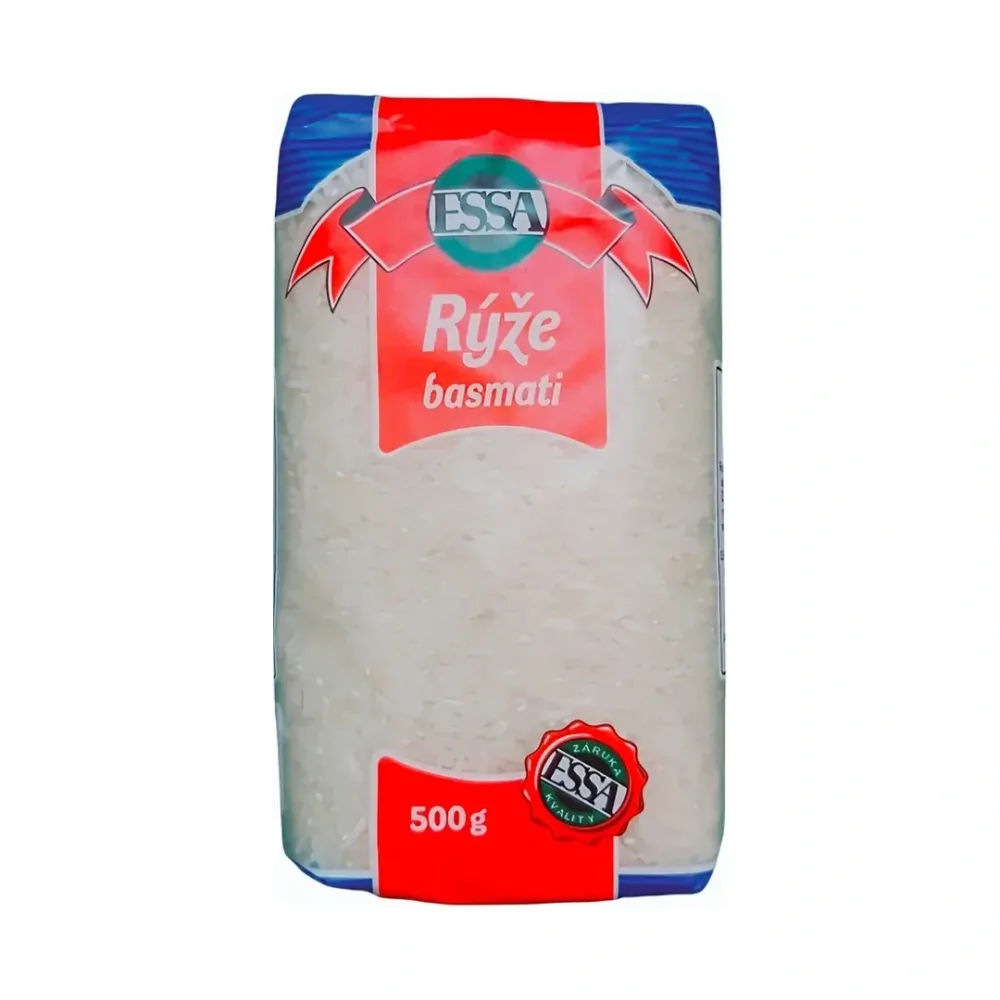
For the rice direction, it is good to have one rice that you cook repeatedly so the technique of the side dish doesn't hold you back while learning. For aromatic and more festive rice dishes like biryani or pulao, ESSA basmati riceis suitable.
5) Understand tadka (tempering spices) and when to add garam masala
Tempering spices (tadka) is a technique that gives the dish its first "aromatic signature": spices are briefly scented in fat to release aroma. And an important practical detail: garam masala is often added only at the endto keep it fragrant, not "cooked out."
A practical "tasting five" meals that help understand India
- a simple dal,
- chole or another legume dish,
- a dish with paneer,
- a rice dish like biryani or khichdi,
- a southern style dish, such as dosa or sambar.
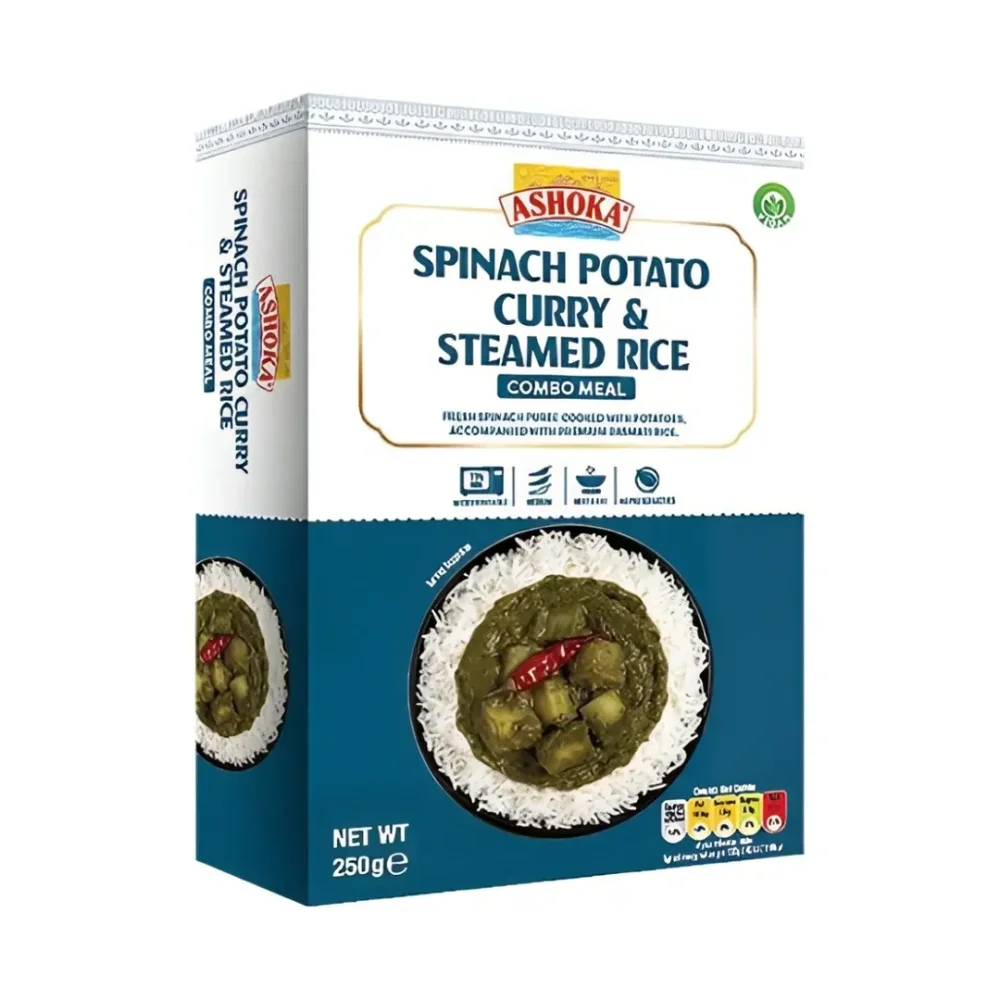
If you want to test some of these directions faster (for example as a "taste calibration"), it can help to have a ready base or ready meal that shows the character of the sauce. Example: Ashoka spinach curry with potatoes and steamed rice gives you an idea of how the combination of sauce and rice can work in one serving.
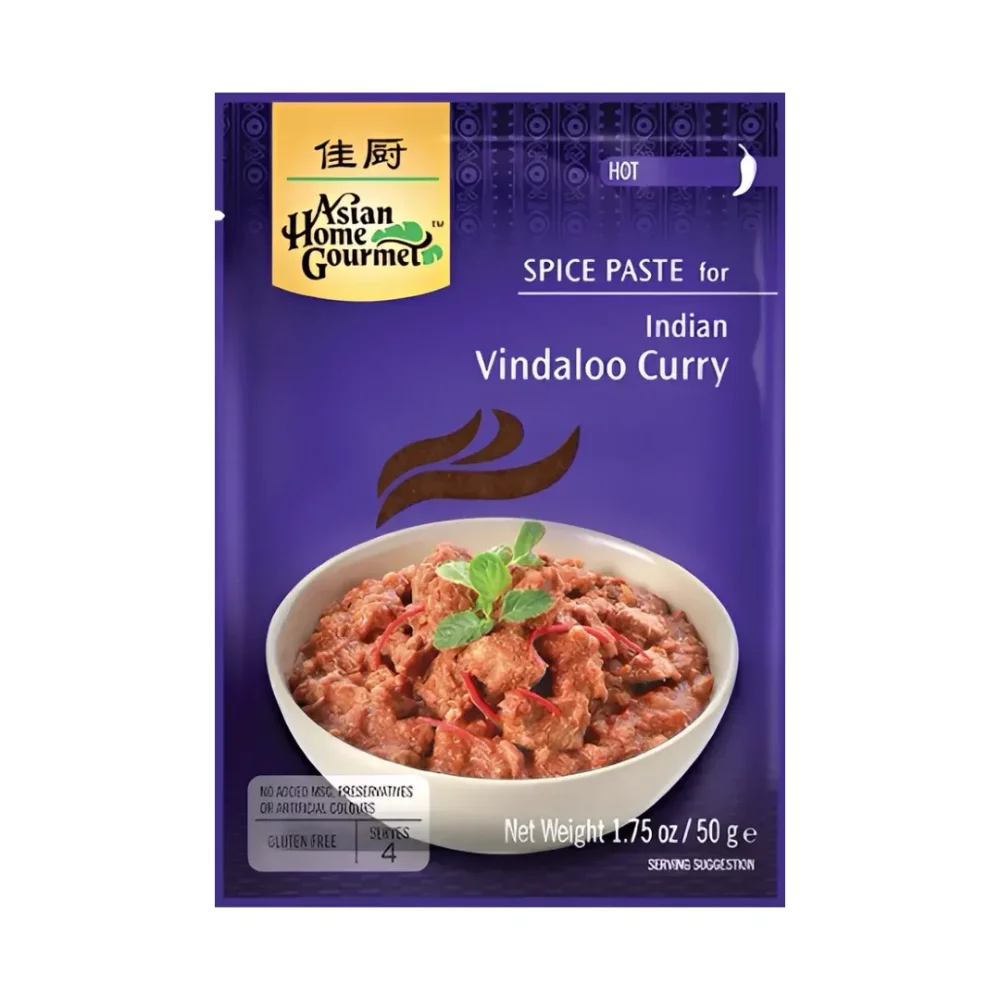
Conversely, for a more pronounced, spicier profile, a quick base can be AHG Vindaloo paste. For such bases, it pays to follow the principle "less is more and adjust" – the goal is to highlight the scent of spices, not just spiciness.
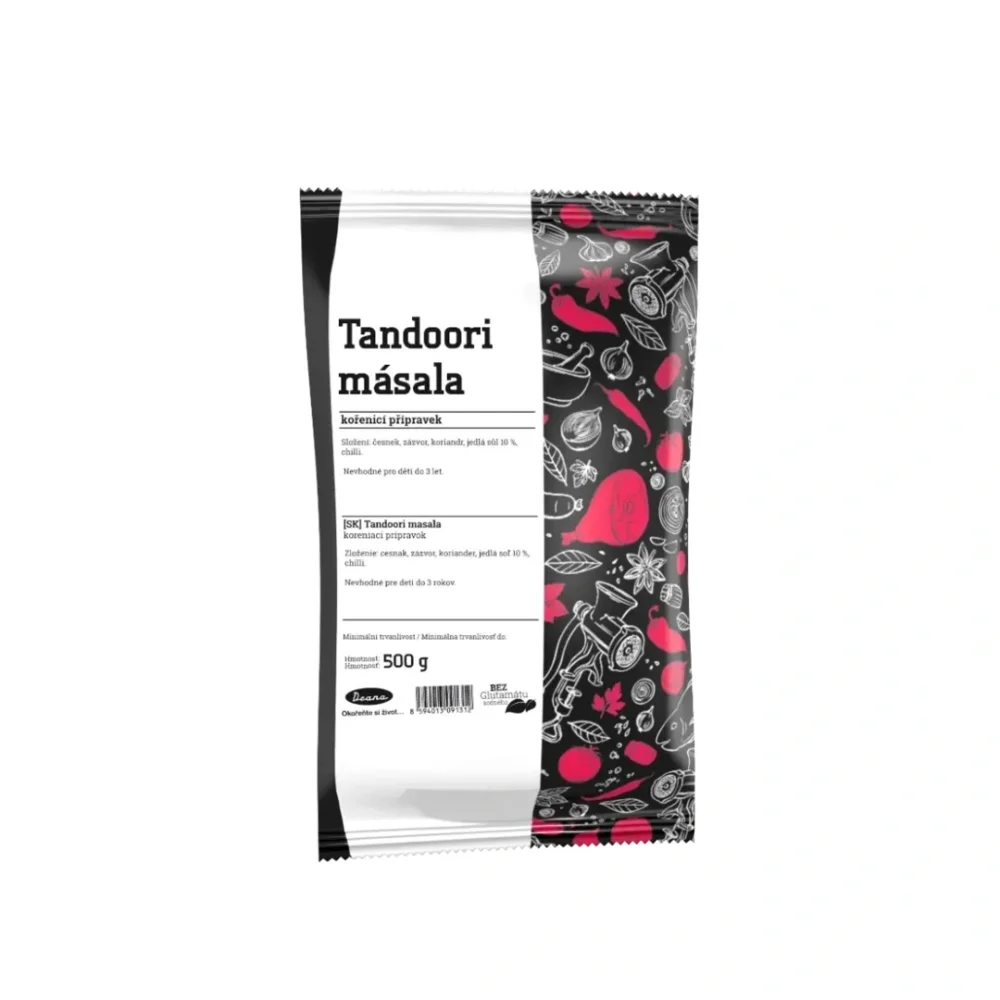
And if you want to work with the tandoor "baked" line typical for the north, it is practical to start with a marinade mix and try it in a yogurt base: Drana Tandoori Masala. The key is to follow the principle (marinade + distinctive aroma), not to chase the "one right" version.
Most common misconceptions and mistakes that spoil the impression (and how to fix them)
"Indian food is always spicy."
It is not. Many dishes rely more on aroma and warm seasoning than sharp spiciness. If your dish "hits" more than it smells, it is often a signal that you overdid the chili or lost balance (for example, a calming element like raita or the neutral bite of rice is missing).
"Curry is one specific sauce."
It is not. The word "curry" is too broad and includes many very different dishes. Practical advice: instead of looking for a "curry sauce," always clarify whether you are cooking northern gravy style (often richer and milder) or southern rice-coconut style (often lighter and more acidic).
"Naan is the base of every Indian dish."
It is not. Naan is well-known and popular, but other flatbreads and rice also play a big role in everyday life. Let the specific dish guide you: sometimes bread makes sense, other times rice as a "neutral base" helps balance the seasoning.
"Indian cuisine is mainly vegetarian."
Vegetarianism is very important, but India also has a rich tradition of meat, fish, and coastal cuisines. For home practice, thinking in categories of "legumes, vegetables, dairy, meat/fish" is more useful than narrowing India down to one dietary label.
"Everything is made from one curry powder mix."
It is not. Mixes, spices, and techniques vary significantly between regions and dishes. If you want the dish to reflect an understandable Indian logic, focus on technique (for example tadka) and contrasts (chutney/raita/pickle), not one universal mix.
🍳 An underestimated mistake: poor preparation of ingredients
In Asian cooking, preparation often decides even before turning on the stove. When you don’t have prepared and divided ingredients, it easily happens that aromatics burn before the rest is ready or the dish loses rhythm and clarity. A simple rule helps: clean and chop everything in advance, measure sauces and spices separately, and have the workspace ready so nothing slows you down while cooking.
What to take away from the article
- North and South India is a practical framework: the north more often works with wheat, dairy products, tandoor, and richer sauces; the south more often with rice, coconut, tamarind, curry leaves, mustard seeds, and a sourer profile.
- Indian cuisine is not just about spiciness – the key is aroma, depth, and working with techniques (for example, tadka).
- "Curry" is not one sauce and naan is not a universal side for everything; choose the side according to the style of the dish.
- A large part of authenticity comes from small additions: chutney as a contrast, raita for calming, and pickles as a concentrated layer in small doses.
- For a home start, it is better to have several repeatable basics (dhal, one rice, one bread) than to buy dozens of spices without a system.

Read next
If you want to explore this topic further, continue with these related blog guides and articles:
