


 Česky (CZK)
 Slovensky (EUR)
 Deutsch (EUR)
 Austria
 Belgium
 Bulgaria
 Croatia
 Denmark
 Estonia
 Finland
 France
 Germany
 Greece
 Hungary
 Italy
Italy Latvia
 Lithuania
 Luxembourg
 Netherlands
 Poland
 Portugal
 Romania
 Slovenia
 Spain
Spain Sweden










Curry in Asia: how it differs by country
Curry is not a specific sauce or a single “typical” dish. In different parts of Asia, it means different ingredients, different techniques, and a different final flavor profile – from slowly built South Asian sauces through Thai curries based on pastes to Japanese curry thickened with roux. This guide will help you understand the main differences and choose your curry style based on what you expect from it.
What the word “curry” means in Asia (and why it’s confusing)
In Western usage, the word curry is often taken as a general term for a dish with a sauce flavored with a spice blend; the origin of the term is usually linked to the Tamil word kari. At the same time, a key fact applies: in traditional Indian cuisine there is no one universal model of “curry sauce” and different regions have their own flavor profiles, methods, and blends.
In practice, this means “curry” is a useful orienting word, but it guarantees nothing precise. If you want to cook Asian curry dishes at home (or select ready-made bases), it’s important first to distinguish what kind of curry world you are dealing with – because the same word can mean paste, dry spice mix, thick stewed dish, or a completely different technique.
Curry ≠ curry powder: paste, spice mix, masala, and Japanese roux
One of the most common causes of disappointment is when someone imagines “curry” as a single ingredient. In reality, under this umbrella there are different types of bases behaving differently:
- Curry paste – a wetter, concentrated base, often with a “wet” component; typically important mainly in Thai and partly in some Malaysian-Indonesian styles. A large part of the flavor can be built quickly after a short frying.
- Curry powder (spice mix) – a dry blend of ground spices. It is very common in Europe but does not work as a universal “shortcut to curry” for all styles in Asian cuisines.
- Masala – in a South Asian context, a tool for layering flavor: can be dry or wet and typically is linked with building the base (e.g., onion, garlic, ginger + spices) rather than one finished “curry paste.”
- Curry roux – typical for Japanese curry: a block or roux base which already contains spices, fat, and thickener and leads to a thick, “homemade” sauce.
Practical tip: before you buy something or start cooking, ask yourself if you are looking for paste (Thai style), spice mix (quick seasoning), or roux (Japanese logic). Only then does it make sense to consider the exact flavor.
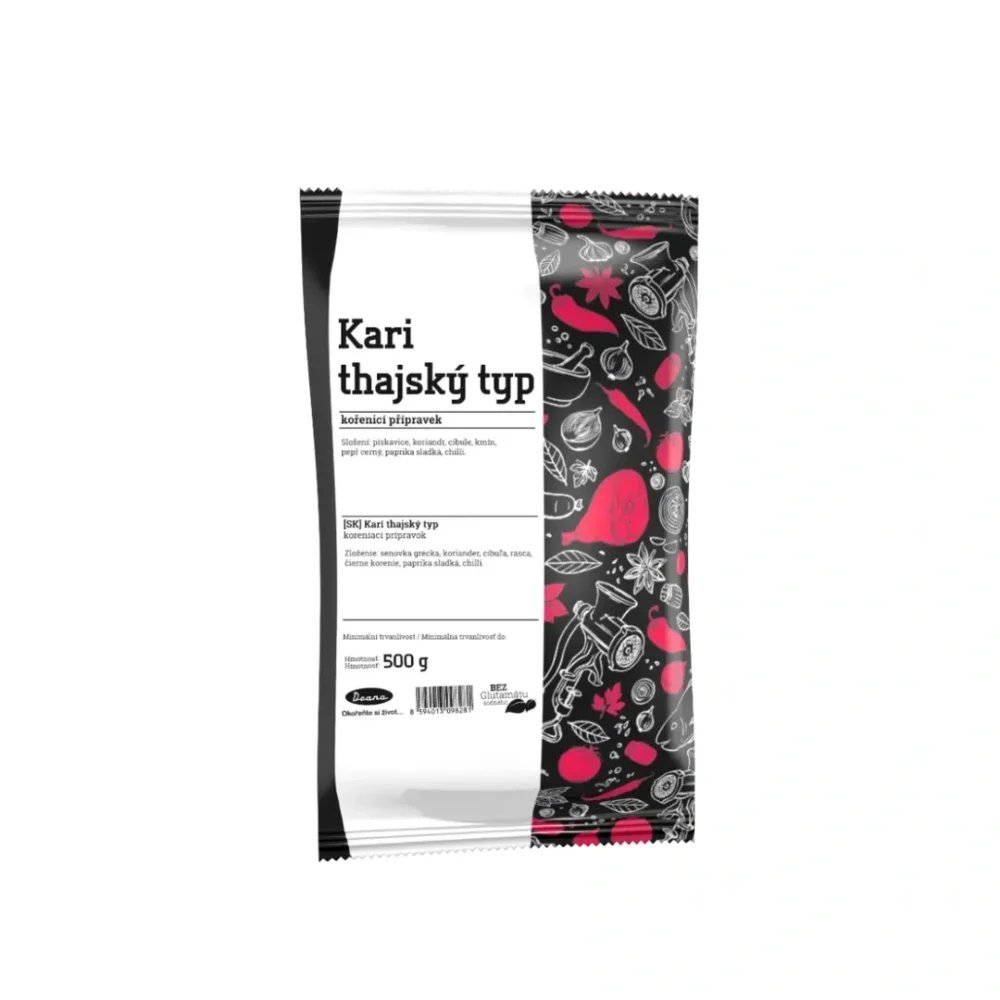
An example of a dry spice mix mainly used for quick seasoning is Drana Kari Thai Type 500 g – but it is a completely different tool from Thai curry paste.
🌶️ Main “curry worlds” by region: what is typical and why they taste different
India and wider South Asian curry: slower sauce building and working with spices
South Asian curry (India and surroundings) typically relies on a base of onion, garlic, and ginger, a combination of whole and ground spices, and slower sauce building. Depending on the region, tomatoes, yogurt, or coconut milk are added to the final structure and flavor. The important principle: the flavor often builds gradually, and masala works as a tool to layer it.
Therefore, it can be misleading to expect that “curry paste” automatically represents Indian cuisine. For some products sold in Europe as curry paste, it is more of a simplified retail base for quick cooking – which can be practical, but it is not a good key to understanding the whole Indian curry logic.
Sri Lanka: coconut, curry leaves, and a table full of bowls
The Sri Lankan curry world is related to southern India but has its own distinct identity. It is strongly associated with coconut, rice, curry leaves, black pepper, cinnamon, and often higher spiciness. It is also important that in the Sri Lankan context, curry often does not mean “one main dish in one pot,” but one of several bowls around rice – along with various accompaniments like sambols and pickles (pickled and fresh sides).
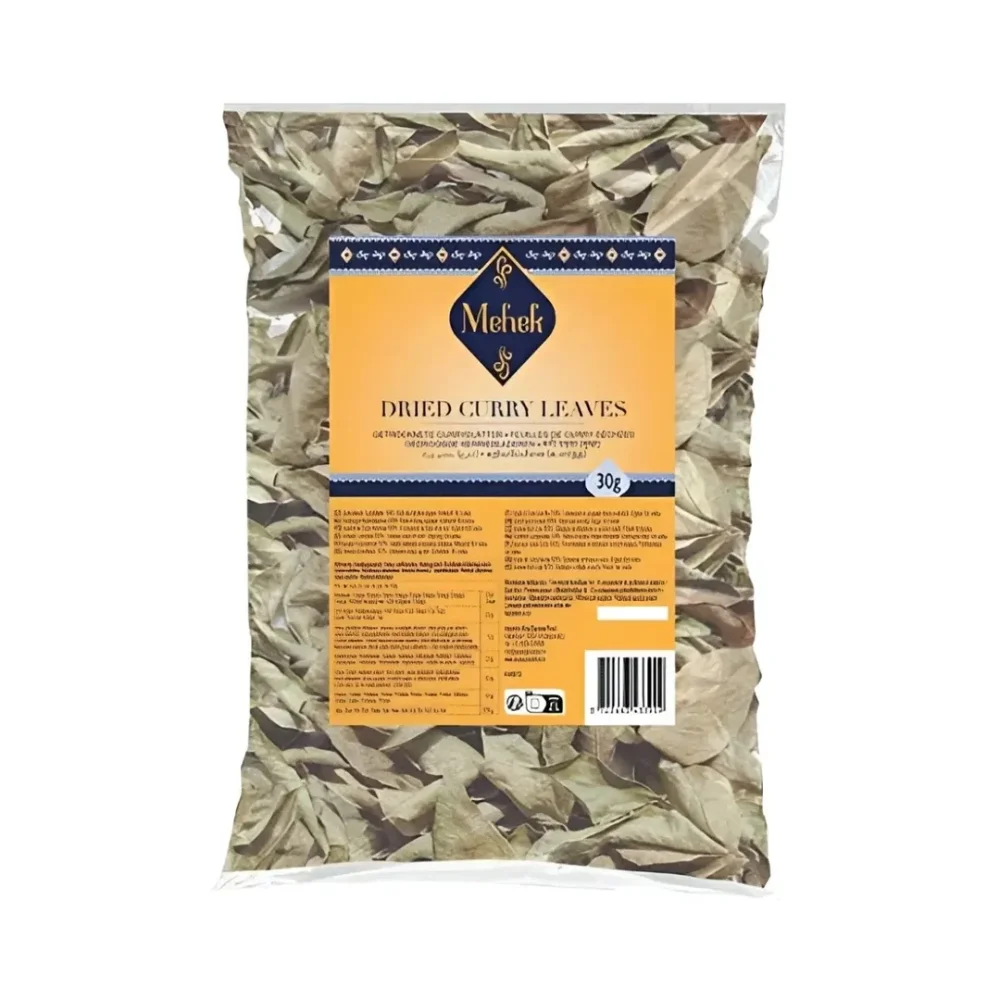
If you want to taste the typical aroma at home, which often gets lost in the European understanding of curry, focus on curry leaves – for example, Mehek Curry Leaves 30 g. (And note: curry leaves are not the same as “curry spices.”)
Thailand: curry built on pastes and precise flavor balancing
Thai curry is primarily based on curry pastes and often on coconut milk. A typical feature is the precise balance of saltiness, sweetness, acidity, and spiciness. Compared to many South Asian dishes, Thai curry is usually not built through a dry spice mix in the same way, but rather through a paste of chili, aromatics, and other components.
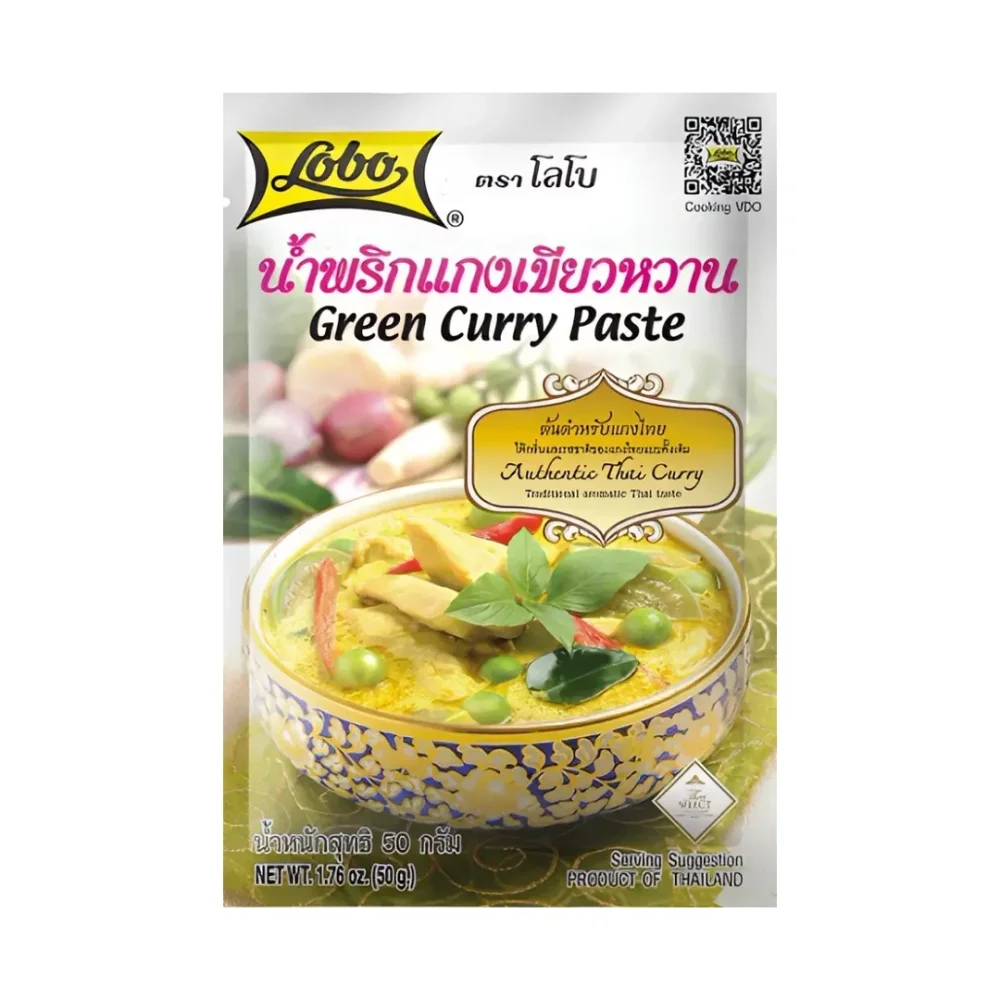
As a practical start for a “fresh, aromatic” curry, green paste is often recommended – for example, Lobo Green Curry Paste 50 g. It is a typical representative of Thai logic: a concentrated base that quickly develops flavor after a short frying and subsequent cooking with liquid (often coconut).
👃 Malay-Indonesian directions and gulai: coconut, aromatic pastes, and sometimes longer reduction
In the Malay-Indonesian space, coconut, aromatic pastes, connection with local spice blends, and often longer reduction are important. Some of these dishes are “curry” mainly from a broader classification view; locally they may have different names and logic.
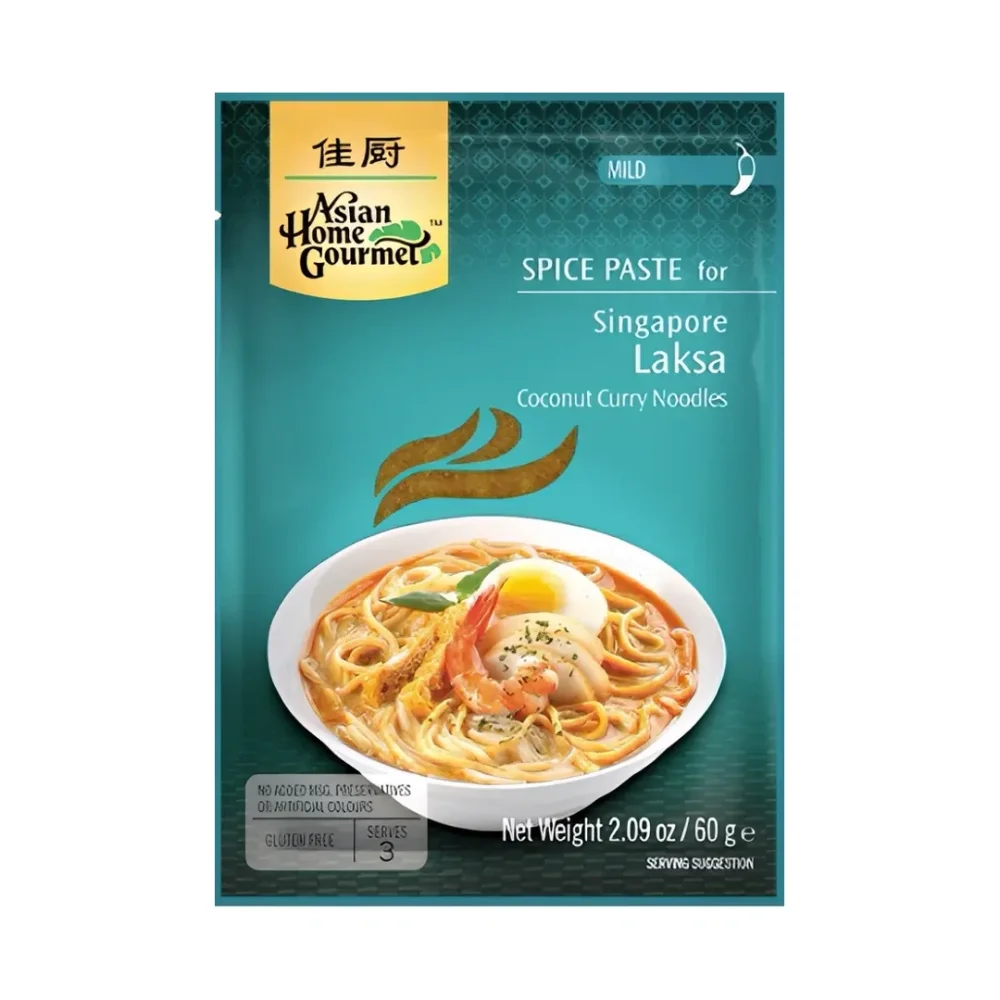
If you enjoy creamy coconut “curry” soup/noodle dishes, a typical example is laksa (coconut curry base with noodles). For quick home orientation, a ready base can be useful, for example, AHG Paste for Coconut Curry Noodles Laksa 60 g – it well illustrates how “curry” can taste different within Southeast Asia, even if it is not Thai style.
Japan: thick curry from roux (comforting, less spicy, no coconut)
Japanese curry often surprises many people because they perceive it as another “curry paste.” In reality, the most common home base is roux (block base), which already contains spices, fat, and thickener. The result is typically thicker, less spicy, often slightly sweeter or “rounder,” distinctly suitable for rice (classic examples are katsu curry or curry udon), and it is not built on coconut milk.
British-Indian and export hybrids: why “Madras” can confuse you
In the European environment, the term “curry” often includes British-Indian and other hybrid forms. An important example is Madras: in shops it can appear as powder, paste, or ready sauce base. In common European understanding, it often means a warmly spiced, rather spicy style, but it is not a universal key to understanding Indian curries. Consider it more as an export/commercial label, not as an exact regional “original.”
How to choose curry by flavor (and by how you want to cook)
When deciding which curry style suits you, it is often better to start from the taste and texture rather than the country name. Here is a practical guide based on expectations:
When you want deep spiciness and “long warmth”
- Well working are: Indian curries, some Sri Lankan curries, Thai massaman, gulai and some Indonesian styles.
- What to expect in practice: more “warm spices” and depth than herbal freshness; often longer cooking is beneficial to blend flavors.
When you want freshness and coconut
- Well working are: Thai green and red curries, some Malaysian and Indonesian coconut variants, and milder Southeast Asian styles.
- What to expect in practice: quicker way to vivid aroma; a lot depends on how well you balance saltiness and spiciness.
When you want something “homey and understandable”
- Works well: Japanese curry.
- What to expect in practice: thick sauce over rice, usually less chili and fewer “green” aromatics.
When you want less sauce and more reduced intensity
- Well working are: rendang and similar more reduced directions (where longer reduction is the way).
- What to expect in practice: less “soupy,” more concentrated, often longer time.
How to choose Thai curry paste by dish (practically)
- Quick coconut curry on a weekday: red or yellow – usually the simplest work and wide applicability.
- Fresh and distinctly aromatic dish: green – when you want herbs, sharpness, and lightness.
- Heartier, “restaurant-style” sauce: panang – when the sauce should be thicker and stronger.
- Slow stewing and deeper taste: massaman – often linked with meat, potatoes, onions, and slower cooking.
- You want to minimize disappointment risk: smaller pack of red or yellow is usually safest to start with.
How to start with paste at home (without a recipe but with concrete steps)
- First paste, then liquid: for pasty styles (typically Thai), the paste often works best when briefly heated/fried to develop the aroma, and only then you add the liquid (often coconut).
- Dose carefully: different pastes have different strength and saltiness. Start with a smaller amount (e.g. about a teaspoon), stir, taste and add gradually. The goal is that the paste doesn't "lock you" into a result that is too salty or too spicy.
- Expect fine-tuning: in Southeast Asian styles, it is common to fine-tune saltiness and umami (often with fish sauce) and possibly other flavors. If you want to better understand why sauces are not interchangeable, it pays to be clear about what is the source of saltiness and what carries the umami.
- Consider serving as part of the style: with Sri Lankan logic it makes sense to think about multiple small dishes and accompaniments; with Japanese curry rather a thick sauce "on rice".
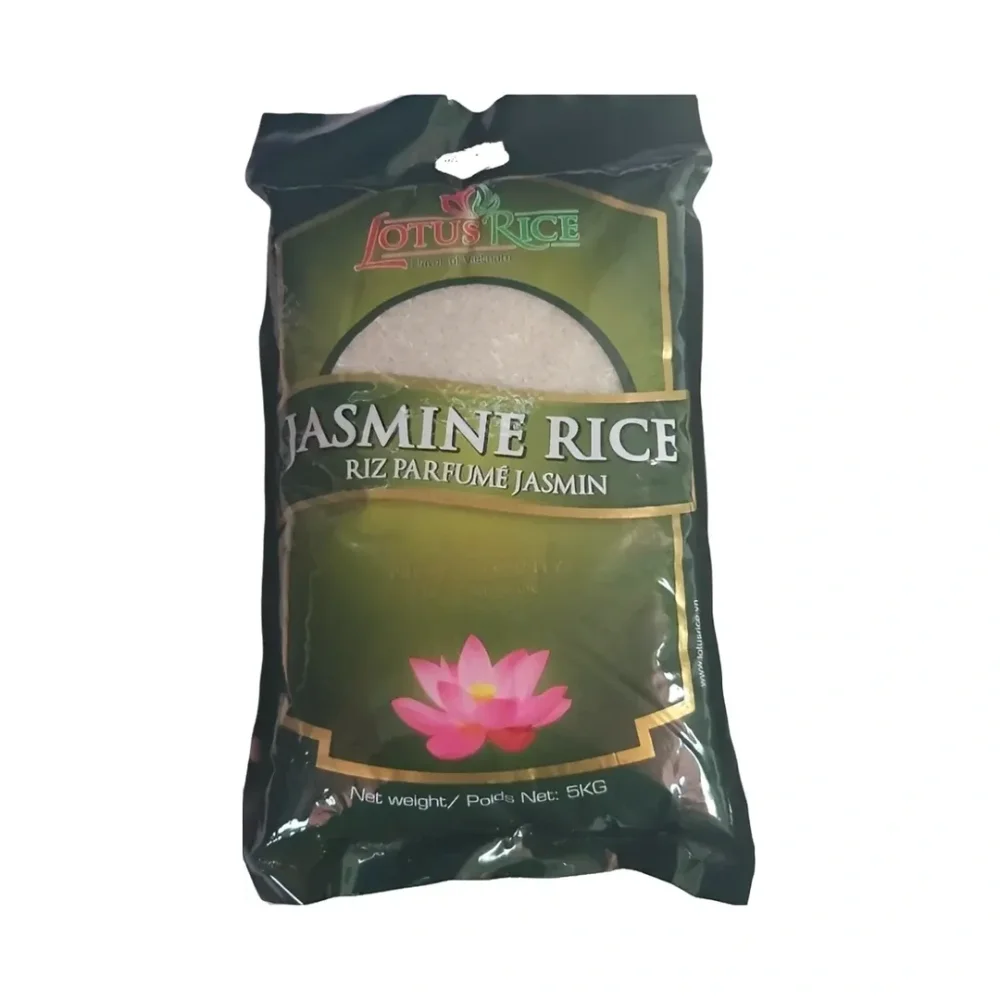
As a neutral side certainty that often meets curry styles, quality jasmine rice is suitable – for example ESSA Jasmine Rice Lotus 5 kg.
💡 What to watch out for: the most common mistakes and how to quickly fix them
Mistakes in terms: “curry spice”, curry leaves and curry paste are not the same
- Curry leaves are a specific aromatic ingredient (typically important for example in Sri Lankan/southern context).
- Curry powder is a dry blend of ground spices.
- Curry paste is a wet concentrated base (often Thai style).
- Japanese curry typically stands on roux, not on paste.
Correction in practice: when “curry” tastes vague at home, you often just used a different type of basethan corresponds to the style you wanted to imitate.
“Madras” as a shortcut for India
Madras is used in the European environment as a convenient label (often for spicier, warmly spiced profile), but it is not a universal representative of Indian curries. Correction in practice: treat Madras as an export stylenot as a map of Indian regions – and if you want a South Asian character, understanding the work with the base and masala helps you more than chasing one name.
“Thickened = higher quality” and “dark = stronger”
For sauces and curry bases, it often does not hold that density or dark color automatically means better taste. Darkness can be the result of various processes (fermentation, sugariness, style), and density can be natural or technological. Correction in practice: instead of appearance, watch what carries saltiness, what carries umami and whether the final taste aims at a certain cuisine or remains “vaguely Asian.”
Underestimating spiciness (and how to keep it under control)
In pasty styles, spiciness is easy to overshoot because the paste is concentrated. Correction in practice: dose gradually and rather leave space to “sharpen” the dish later than the opposite. An example of a chili paste often used for a quick heat-up and seasoning in Indonesian style is Koningsvogel Chilli Paste Sambal Badjak 280 g (again: it is a different tool than curry paste).
Ignoring allergens in pastes
Thai curry pastes often contain fish ingredients or shrimp paste; some products may also contain gluten or traces of allergens from production. Correction in practice: when cooking for allergy sufferers, vegetarians or vegans, you need to consider this before you start treating the paste as a “universal” base.
What to take away from the article
- Curry is a family of stylesnot one sauce: in different Asian countries it means different bases and different procedures.
- Before you start cooking, clarify whether you are working with paste, a spice blend, masala or Japanese roux – the results will be fundamentally different.
- For quick orientation, it makes sense to divide curry into main worlds: South Asian, Thai, Malaysian-Indonesian/gulai, Sri Lankan and Japanese (plus export hybrids).
- Choose according to what you want from the food: depth of spices, coconut freshness, comfortable thick sauce or reduced intensity.
- The most common mistakes come from mixing up terms (curry leaves vs curry powder vs paste) and the idea that one name (e.g. Madras) explains the whole region.

Read next
If you want to explore this topic further, continue with these related blog guides and articles:
