


 Česky (CZK)
 Slovensky (EUR)
 Deutsch (EUR)
 Austria
 Belgium
 Bulgaria
 Croatia
 Denmark
 Estonia
 Finland
 France
 Germany
 Greece
 Hungary
 Italy
Italy Latvia
 Lithuania
 Luxembourg
 Netherlands
 Poland
 Portugal
 Romania
 Slovenia
 Spain
Spain Sweden










Oyster vs. fish sauce: what is the difference and when to use each
Oyster and fish sauces can be easily confused at first glance: both are among the “basic” Asian seasonings and both can add distinct umami. However, they have different roles in the kitchen. Once you understand the difference between their roles (salting vs. rounding and connecting flavors), you will cook more confidently – and you will stop unintentionally shifting dishes into a completely different flavor logic.
Why oyster and fish sauce are often confused
In many Asian cuisines, sauces are not just “something for seasoning.” They often form the flavor backbone of the dish: determining whether the result is just salty or truly deep and layered. That’s why it’s good to know exactly what fish sauce and oyster sauce do – and why their functions only partially overlap.
Confusion arises mainly for two reasons:
- Both are used in small amounts and both provide umami, so beginners feel like “it somehow works the same.”
- Both are mixed up with other dark and strong sauces (for example with soy, hoisin, or sweet soy blends like kecap manis). But those perform different roles in dishes and are not automatically interchangeable.
Fish sauce: saltiness, fermentation, and very concentrated depth
Fish sauce is a fundamental seasoning base of Southeast Asia. Traditionally it is made by fermenting fish and salt and in small amounts can supply saltiness, pronounced umami, long finish, and fermentation depth. It is not treated as an “extra fishy taste” – rather as a concentrated tool that connects other ingredients and makes the dish fuller and more “finished.”
It’s also important what fish sauce is not. It is not the same as:
- oyster sauce (typically thicker, sweeter, darker, and with a different role),
- shrimp paste (it is pasty and used differently than liquid fish sauce),
- soy sauce (based on soy, salt, fermentation or a mix of fermented and technologically processed components; flavor profile is different),
- nor various “fish” pastes and extracts, which can be strong but work with different texture and dosing.
Quality fish sauce should be clear to translucent, without impurities or sediment (slight salt crystals are not a problem). The flavor should be purely salty with pronounced umami; it should not taste moldy, rotten, or “chemical.”
Oyster sauce: roundness, shine, and flavor connection (not “just another dark sauce”)
Oyster sauce is one of the most underrated basic sauces. A common mistake is to treat it as just “another dark sauce” or expect it to taste distinctly “like the sea.” In practice, it is often used much more practically: as a tool that can round out the flavor and make the dish overall “more compact.”
Its typical role is:
- to round out flavor (so it’s not just sharp saltiness),
- to connect saltiness and a light sweetness,
- to add a fuller, smoother impression,
- to help with shine and appearance of the sauce – that’s why it is so common in wok dishes and quick glazes.
It makes a lot of sense especially in stir-fry (wok) dishes, in quickly cooked vegetables, meat mixes, and with beef, chicken, or tofu – typically where soy sauce alone feels “harsh” and the result lacks roundness.
At the same time, an important practical point applies: oyster sauce is usually not the best as the sole salting base. It often works best in combination with another component that carries the “main” saltiness (typically another sauce or salt depending on the specific dish).
Main practical differences: not about “better or worse,” but about different tasks
1) What they do to flavor: “build” the dish vs. “round” it
Fish sauce is highly effective, aromatic, and in small doses can “build” the flavor of the dish: adding saltiness and umami with fermentation depth. Its profile tends to be sharper and more penetrating, so it is used carefully.
Oyster sauce instead often acts as a “binder”: rounding and softening, connecting salty with sweeter impressions, and helping the resulting sauce feel smooth and glossy.
2) Texture and behavior in the pan
Fish sauce is liquid and is used either as a cooking base or in dressings, dips, and seasoning where its strength is blended among other flavors.
Oyster sauce is typically thicker and thanks to this works well in a wok and quick glazes: it can “stick” to ingredients, soften edges, and visually bind the whole.
3) Which cuisines and dishes they naturally belong to
Fish sauce is as fundamental to Southeast Asia as soy sauce is to much of East Asia. It typically appears in Thai, Vietnamese, Filipino, Cambodian, and other cuisines of the region – and can function as a cooking base, in salads, and dipping sauces.
Oyster sauce is very typical for the Chinese style of quick stir-fry dishes and for situations where the result should feel rounded, juicy, and “finished.”
4) Why the sauces are not automatically interchangeable (and where hoisin and kecap manis interfere)
A common mistake in Asian sauces is thinking “dark = similar.” But different sauces perform different tasks.
- Hoisin is a thick sweet-salty sauce with a spicy character. It is great where you want a sweet-salty dark trace (glazes, roasting, grilling, some dips), but it is not a universal salty base and mechanically substituting it for oyster or soy sauce often leads to an overly sweet result.
- Kecap manis (sweet soy sauce) has a different logic: strong sweetness, thicker texture, and glazing ability. It suits certain regional dishes (e.g. fried rice, fried noodles, marinades) but it is not suitable to automatically replace regular “working” soy sauce with it because it disrupts the sweetness and tone of the dish.
- Soy sauce is not just one thing: there are multiple styles (Chinese light and dark, Japanese shoyu in several types, Korean ganjang, Thai styles for wok, etc.) and individual variants can fulfill different roles in a dish.
How to choose and use at home: practical onboarding without unnecessary shortcuts
How to read a fish sauce label (and what it reveals about the flavor)
For fish sauce, the label is surprisingly important – it hints at how “clean” and universal the profile will be.
- Ingredients: the rule often is “the simpler, the better.” Typical base is fish/fish extract, salt, and possibly water. Some styles include sugar – not necessarily a bad thing, but the flavor tends to be less austere and less universal.
- Type of fish: anchovies or “anchovy extract” are common – usually a good sign. Sometimes other small marine fish or mixtures are used.
- Clarity and appearance: good fish sauce is clear, ranging from light amber to darker reddish-brown. Cloudiness and strong sediment are not positives.
- Nitrogen labeling / N: a higher value generally means higher concentration of broken-down proteins, thus more “material” for umami and depth.
Dosing and timing: how to start so the dish is not overwhelmed
Fish sauce is concentrated. A safe and practical approach is to start with drops and taste continuously. When cooking for 1–2 servings, it often makes sense to start with just a small “splash” or 1/2 teaspoon, stir, let it briefly infuse, and then fine-tune. It always depends on the recipe and strength of the particular bottle.
Works best in combinations where its sharpness is supported by other flavors. Typical pairing in Southeast Asia:
- acidity (e.g. lime),
- sweetness (sugar or palm sugar),
- chili,
- garlic,
- tamarind,
- herbs like coriander or mint.
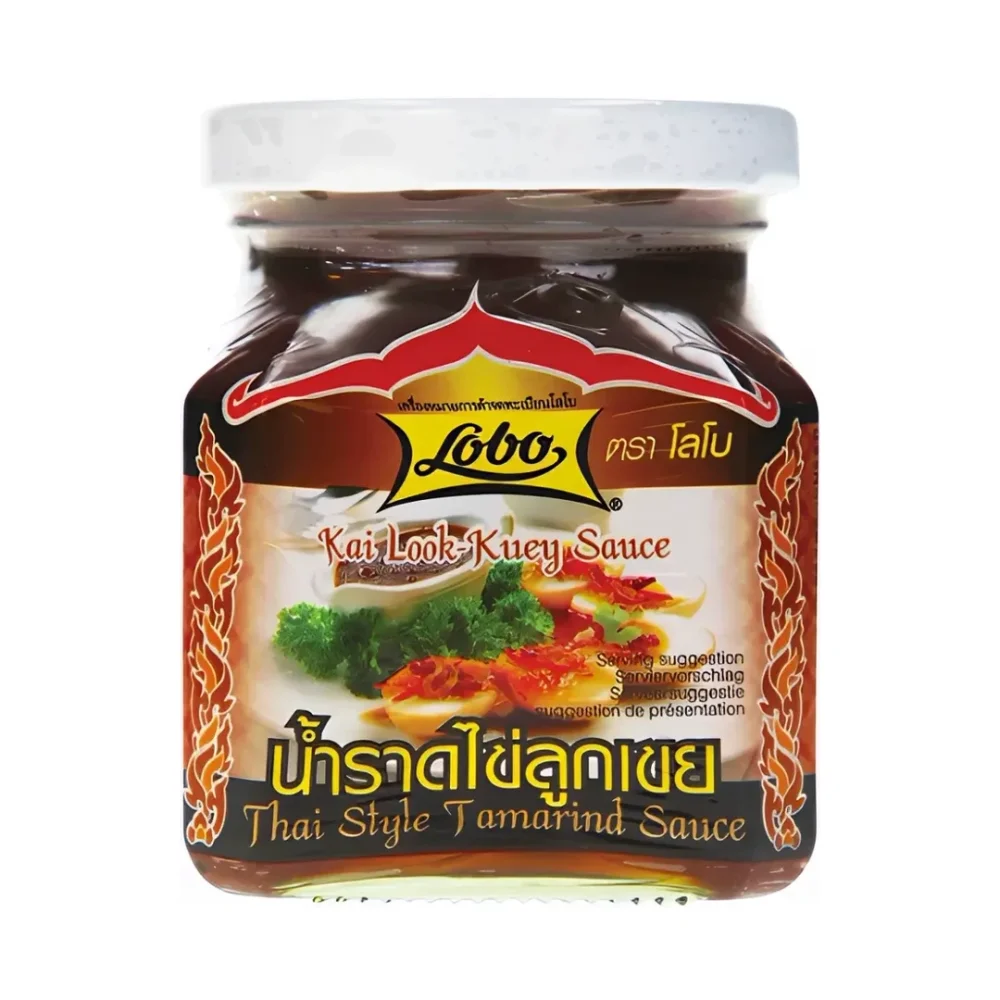
If you want to quickly “jump into” this logic, a tamarind component can be practically useful – for example Lobo Tamarind Sauce (Thai style), which works where you need a sweet and sour tamarind profile (typically in dishes like Pad Thai or quick glazing).
For oyster sauce, it’s useful to think about its “binding” role: you often use it as part of the sauce base so the dish isn’t just salty and sharp. In practice, this often means adding a small to medium amount (e.g. a spoonful into a pan for several portions) and only then adjusting overall saltiness with another component. This avoids the situation where the oyster sauce rounds the dish but it isn’t sufficiently “built.”
When to reach for which: quick scenarios that work
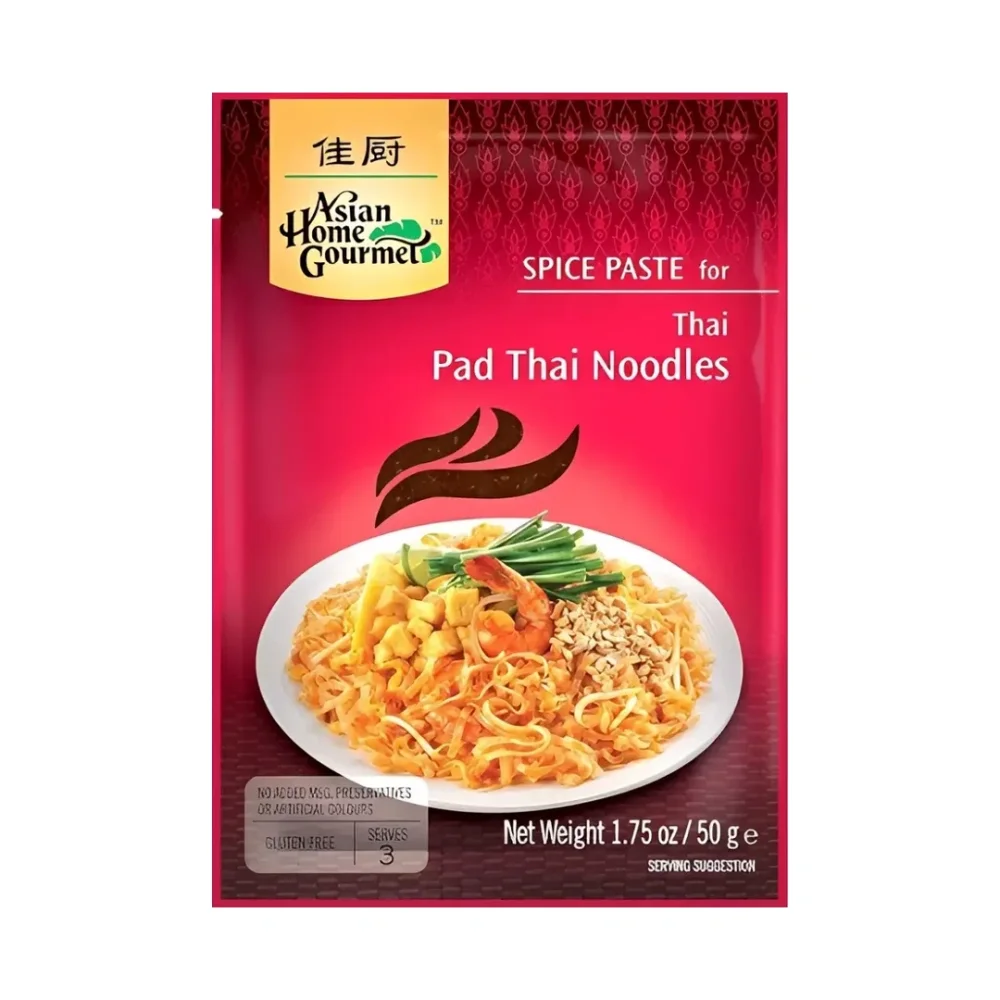
- Pad Thai, dressings, dipping sauces, and Southeast Asian salads: fish sauce often plays the role of the main “salty umami” pillar balanced by acidity and sweetness. If you want a convenient start without assembling many components, a ready base mix can help, for example AHG Pad Thai noodle paste (but it still holds that the final flavor balance depends on dosing and tasting).
- Chinese style stir-fry, quickly cooked vegetables, beef/chicken/tofu: oyster sauce makes sense when you want roundness, shine, and flavor connection – especially if soy sauce alone feels too “harsh.”
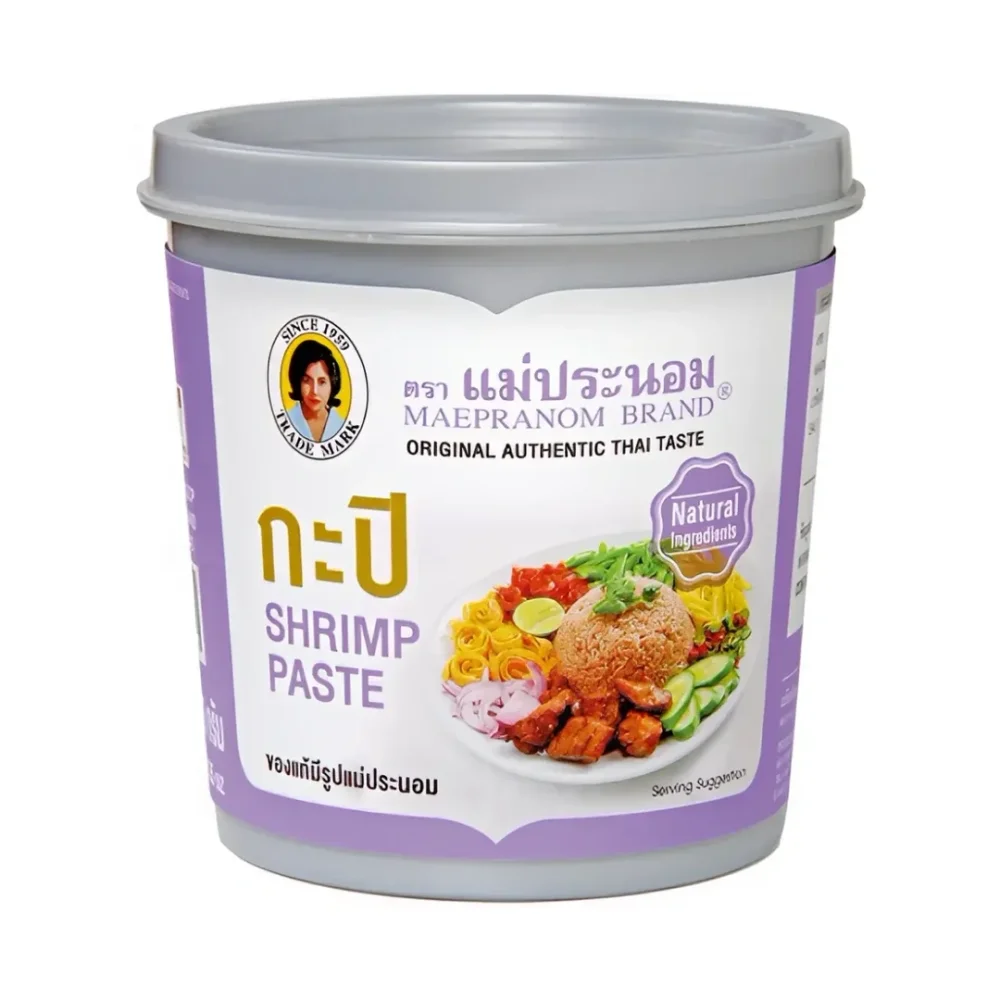
- When you want a “sea” umami note but a different texture than sauce: shrimp paste is a pasty tool with typical aroma and pronounced salty-umami intensity. It is not a substitute for fish sauce but good to know this branch of seasoning exists – for example, Maepranom shrimp pasteis used in small amounts in curries, sauces, soups, or stir-fry.
- You need spiciness as a “separate knob,” not as the main flavor: alongside fish sauce, a chili component dosed in small amounts often works well. A practical example is Maepranom Maengda chili paste, where you can add small amounts and gradually build heat.
Most common mistakes (and how to quickly fix them)
Mistake 1: “Fish sauce = fishy taste” and fear to use it
Beginners often either omit it entirely or overpour it. It helps to change the perspective: fish sauce is primarily saltiness + umami + fermentation depth. When dosing carefully and backing it with lime/sugar/chili/garlic, the result is not “fishy food,” but fuller and more pronounced flavor.
Mistake 2: Adding too much right at the start
Because fish sauce is very potent, it can easily “overpower” the dish and make it one-sidedly salty and aromatically harsh. The fix usually is not more salting, but in balancing: add acidity (lime), a bit of sweetness, and possibly volume (broth, water, coconut, etc. depending on the type of dish). The best prevention is to dose in small steps.
Mistake 3: Use oyster sauce as the only salting base
Oyster sauce rounds off and connects flavors excellently, but often is not ideal as the only "salting engine". When you base everything on it, the result may be round in taste, but at the same time unreadable or "underdeveloped." Practical advice: consider it as a component for roundness and shine and adjust saltiness according to the overall dish.
Mistake 4: Confusing it with hoisin or kecap manis because they are also dark and thicker
Hoisin and kecap manis themselves are sweeter and have a distinct flavor direction. If you use them instead of oyster sauce, you often end up with an overly sweet glaze or a „mismatched“ regional flavor. If the recipe aims for roundness and shine in stir-fry, hoisin is more of a different tool; and kecap manis is explicitly a sweet note tied to specific Southeast Asian dishes.
What to take away from the article
- Fish sauce is a concentrated salty-umami seasoning with fermentation depth, typically essential for Southeast Asia. Use it cautiously and balance with acidity and sweetness.
- Oyster sauce is a tool for roundness, flavor connection, and shine – it works great in wok dishes and quick glazes but often isn't the best as the only salting base.
- Do not confuse sauces based on color. Hoisin and kecap manis have a different logic (more sweetness and a specific character) and mechanical substitutions shift the dish elsewhere.
- Read the label on fish sauce. Ingredients, clarity, type of fish, and any N marking will indicate how "pure" and concentrated it will be.

Read next
If you want to explore this topic further, continue with these related blog guides and articles:
