Česky (CZK)
 Slovensky (EUR)
 Deutsch (EUR)
 Austria
 Belgium
 Bulgaria
 Croatia
 Denmark
 Estonia
 Finland
 France
 Germany
 Greece
 Hungary
 Italy
Italy Latvia
 Lithuania
 Luxembourg
 Netherlands
 Poland
 Portugal
 Romania
 Slovenia
 Spain
Spain Sweden










Sweetened rice vinegar
🍶 Sweetened rice vinegar: the shortcut to sushi flavour and quick pickles
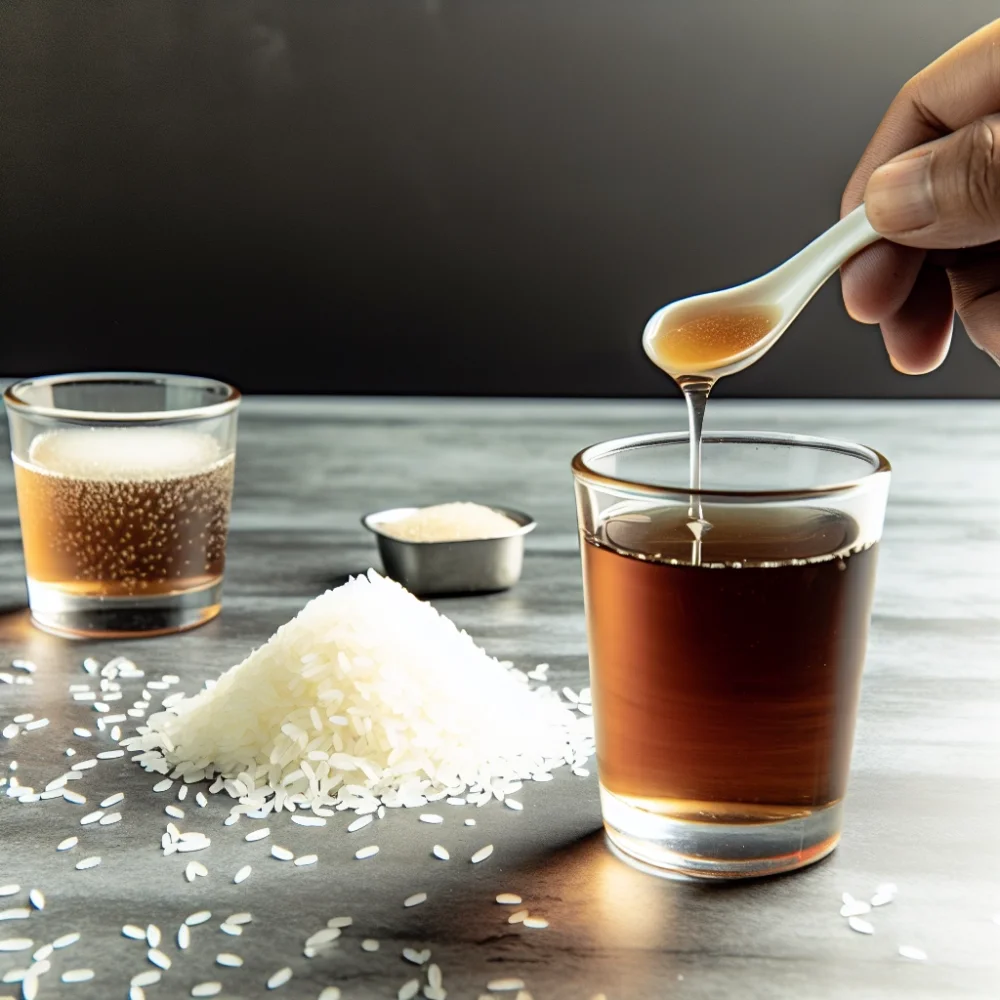
Sweetened rice vinegar is rice vinegar that’s already seasoned with sugar and often a pinch of salt. In practice it means one thing. If you want a quick Japanese style flavour, you get it without measuring ratios or tweaking for ages. It’s best known for sushi rice, but it also works beautifully in light salads, dressings and fast pickled vegetables.
Stock up on sushi and Asian pantry essentials at Asian Food Shop
💡 Tip: Treat sweetened rice vinegar as a ready made seasoning. Add it by the spoon and taste as you go. It’s easier to season rice than to fix over seasoned rice
🕰️ History and origin
Rice vinegar is a staple across East Asia, but the sweetened style is most closely tied to Japanese rice seasoning. In sushi it’s not just about acidity. It’s the balance of sweet, sour and salty that makes plain rice taste like sushi even without complicated prep.
🧪 How it’s made and common types
Sweetened rice vinegar usually starts with classic rice vinegar, then sugar and sometimes salt are added. In practice you’ll see:
- sweetened rice vinegar as the fastest route to sushi rice
- classic rice vinegar as an all purpose option for dressings, sauces and quick pickles
- brown rice vinegar for a rounder, slightly more aromatic profile in bowls and dressings
For more ideas, browse Vinegars
👃 Flavour profile
- 🍚 gently acidic, not harsh
- 🍯 lightly sweet and rounded
- 🧂 balanced to sit well with rice
- 🍣 ideal for sushi where acidity shouldn’t overpower other flavours
✅ Tip: If your sushi rice tastes too vinegary, it’s usually the amount added at once. Add in small increments and fold the rice rather than pressing it
🍳 How to use it
🍣 Sushi rice without ratios
The biggest advantage is speed. You can often fold it straight into warm rice. With plain rice vinegar you’d still need to dissolve sugar and salt.
🥗 Salads and dressings
Because it’s slightly sweet, it makes dressings taste complete fast. For a savoury edge, add a splash from Soy sauces
🥒 Quick pickles
Cucumber, radish or carrot plus sweetened rice vinegar and 10 minutes. That’s it.
🍚 Bowls and rice
A few spoons mixed into rice gives you a clean, slightly sushi like base that works with tofu, vegetables and bolder sauces.
🫶 Everyday note
Think of sweetened rice vinegar mainly as a flavour tool. It can help you season quickly and consistently. If you’re sensitive to acidity, simply use smaller amounts.
✅ How to choose a sweetened rice vinegar
- 🍣 for sushi rice it’s the most convenient choice
- 🥗 for salads you may prefer a cleaner, milder style
- 🧂 don’t automatically add extra sugar when you use a sweetened version
- ❄️ keep it sealed after opening to preserve aroma
🛒 Our picks
- P.R.B. Sweetened Rice Vinegar 500 ml the fastest way to season sushi rice without ratios
- Rice vinegar 300 ml an everyday bottle for dressings, sauces and quick pickles
- Otoki brown rice vinegar 500 ml a rounder option for bowls and dressings when you want a softer profile
🍣 Recipe: kappa maki cucumber sushi rolls with sweetened rice vinegar
Simple, authentic and perfect for your first homemade sushi. Sweetened rice vinegar saves you the step of balancing sugar and salt.
Ingredients
- sushi rice 250 g cooked
- sweetened rice vinegar 2 to 3 tbsp
- nori 2 to 3 sheets
- cucumber 1
- sesame 1 tsp optional
- soy sauce for serving
- water as needed
Method
- Let the cooked rice cool slightly so it’s warm, not hot.
- Fold in the sweetened rice vinegar gently. Lift and turn the rice rather than pressing it.
- Cut cucumber into long thin sticks. If it’s very seedy, trim out the soft centre.
- Place nori on a mat, wet your fingers and spread a thin layer of rice over the sheet.
- Add cucumber in the centre and sprinkle with sesame if you like.
- Roll tightly, press the seam for a moment, then slice into 6 to 8 pieces.
- Serve with soy sauce.
✅ Tip: Rice quantity matters most. Too much rice makes rolls thick and harder to cut. A thin layer tastes closest to a sushi bar roll

Recommended products1
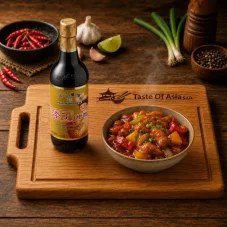
P.R.B. Sweetened Rice Vinegar 500 ml
Read next
If you want to continue with the same topic, here are more related articles to explore: