Česky (CZK)
 Slovensky (EUR)
 Deutsch (EUR)
 Austria
 Belgium
 Bulgaria
 Croatia
 Denmark
 Estonia
 Finland
 France
 Germany
 Greece
 Hungary
 Italy
Italy Latvia
 Lithuania
 Luxembourg
 Netherlands
 Poland
 Portugal
 Romania
 Slovenia
 Spain
Spain Sweden










Apple cider vinegar and distilled vinegar
🍏🧴 Apple vinegar and distilled vinegar: when to use which and why they taste so different
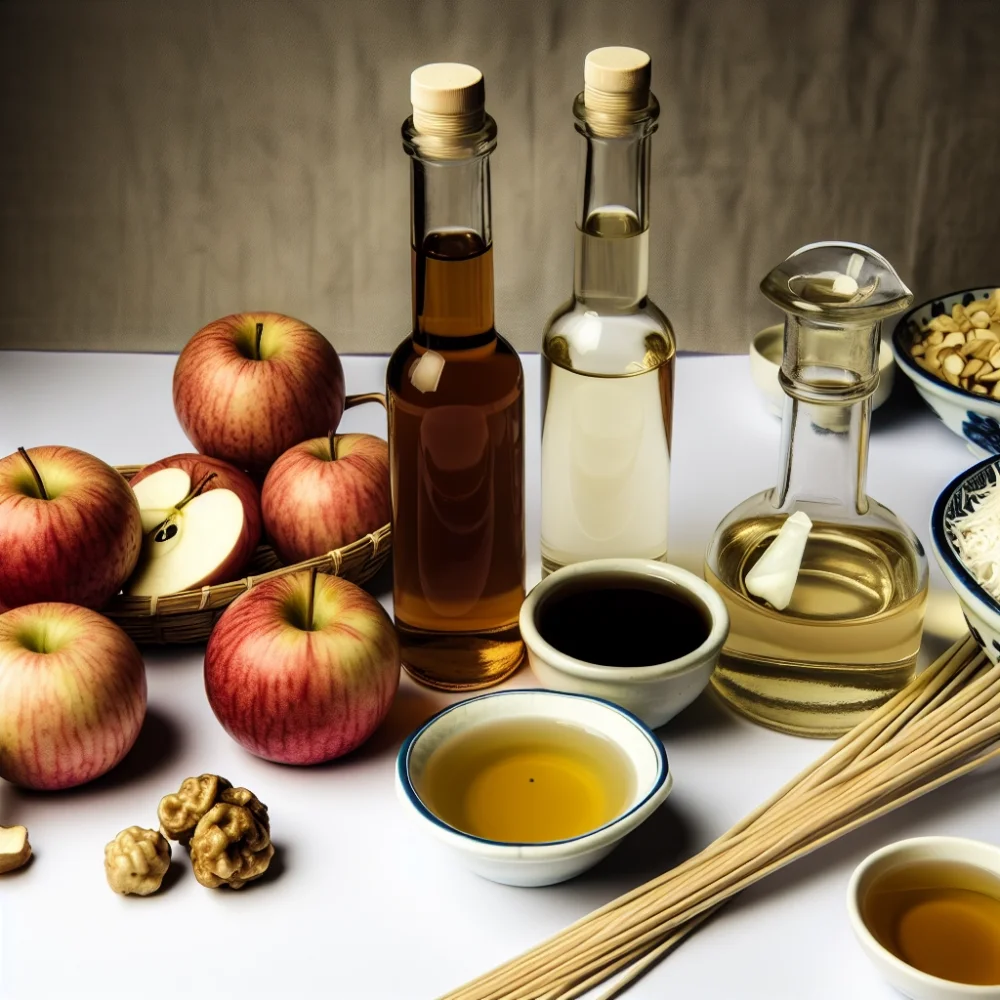
On paper, they’re both vinegar, but in the kitchen they behave very differently. Apple vinegar is milder, rounder and often slightly fruity. It’s great for dressings, marinades and quick pickles when you want acidity without a harsh edge. Distilled vinegar is clean, direct and more punchy. Used in small amounts, it can wake up a sauce fast, balance sweetness or sharpen pickles in seconds.
Stock up on pantry essentials at Asian Food Shop
💡 Tip: When a dish tastes flat, acidity often helps. The difference is whether you want gentle rounding, or a quick sharp lift
🕰️ History and origin
Vinegar has long been a natural result of fermentation and preservation, and different styles developed depending on what was available. Apple vinegar is often associated with home cooking traditions, but it also fits nicely as a gentle acid for marinades and dressings. Distilled vinegars are used when you need clean, strong acidity without extra flavour notes.
🧪 How they’re made and common types
Apple vinegar
- made from an apple base and usually tastes softer and rounder
- often more pleasant in cold dishes and lighter marinades
- pairs well with a touch of sweetness and soy notes
Distilled vinegar
- cleaner and more straightforward, typically without fruity tones
- excellent for quick pickling and a clear acidic cut
- great for sauces when you need to balance sweetness or richness fast
Browse the category Vinegars
👃 Flavour profile
Apple vinegar
- 🍏 milder, rounder, sometimes lightly fruity
- 🥗 ideal for dressings and marinades
- 🍜 can soften and round savoury sauces
Distilled vinegar
- 🧴 clean, punchy, fast effect
- 🥒 perfect for pickles and sharp seasoning
- 🍳 useful in hot cooking to cut through richness
✅ Tip: In hot dishes, add vinegar closer to the end. The aroma stays fresher and the acidity won’t taste “cooked”
🍳 How to use them
🥒 Quick pickling
Both work well. Apple vinegar gives a softer brine. Distilled vinegar delivers a sharper, cleaner bite faster.
🥗 Dressings and salads
Apple vinegar is great when you don’t want harsh acidity. Try it with a splash from Soy sauces and a touch of sweetness.
🍜 Sauces and dips
Distilled vinegar shines in sweet and sour style sauces or dips where the acidity should be clean and clear.
🔥 Marinades
Apple vinegar is gentler for chicken or tofu. Distilled vinegar is a stronger tool, so use it carefully.
🫶 Everyday note
Think of vinegar mainly as a flavour tool. It can make dishes taste brighter, often with less salt. If you’re sensitive to acidity, start small and adjust to taste.
✅ How to choose the right vinegar
- 🍏 gentle, rounded acidity for dressings and marinades: apple vinegar
- 🧴 clean, strong acidity for pickles and sauces: distilled vinegar
- 🥗 for cold dishes, apple vinegar is often the safe choice
- 🔥 for hot dishes, add vinegar near the end and in small increments
🛒 Our picks
- Otoki apple vinegar 500 ml a softer choice for dressings, marinades and lighter pickles
- Golden Mountain Distilled vinegar 1 l clean, punchy acidity for sauces and quick pickling
- Otoki Fermented Spirit Vinegar 500 ml a practical everyday option when you want a straightforward vinegar
🍲 Recipe: Filipino chicken adobo with apple and distilled vinegar
Adobo is a Filipino classic. Soy sauce, garlic, pepper and vinegar create a salty, tangy sauce that glosses the meat. Using two vinegars is a simple trick for both depth and a clean sharp lift.
Ingredients
- chicken thighs 800 g
- soy sauce 80 ml
- apple vinegar 60 ml
- distilled vinegar 20 ml
- garlic 5 cloves
- bay leaves 2
- whole peppercorns 1 tsp
- sugar 1 tsp optional
- oil 1 tbsp
- water 120 ml as needed
- rice for serving
Method
- Brown the chicken briefly in oil.
- Add garlic and peppercorns and let them become fragrant.
- Pour in soy sauce, both vinegars and water, then add bay leaves.
- Bring to a boil, lower heat and simmer 25 to 35 minutes until tender.
- Uncover and reduce the sauce for a few minutes until glossy.
- Taste and adjust with sugar or a small splash of vinegar.
- Serve with rice and spoon the sauce over the top.
✅ Tip: For a cleaner sharp finish, add a few drops of distilled vinegar right at the end. Apple vinegar rounds the sauce beautifully during simmering

Recommended products2
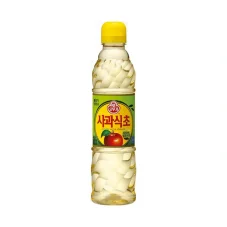
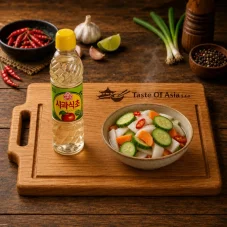
Otoki apple vinegar 500 ml
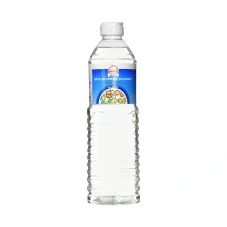
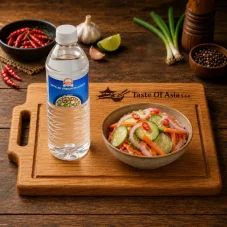
Golden Mountain Distilled vinegar 1 l
Read next
If you want to continue with the same topic, here are more related articles to explore: