

 Česky (CZK)
 Slovensky (EUR)
 Deutsch (EUR)
 Austria
 Belgium
 Bulgaria
 Croatia
 Denmark
 Estonia
 Finland
 France
 Germany
 Greece
 Hungary
 Italy
Italy Latvia
 Lithuania
 Luxembourg
 Netherlands
 Poland
 Portugal
 Romania
 Slovenia
 Spain
Spain Sweden










Recipe for Ponzu Shoyu
Ponzu Shoyu 🥢🍋
Ponzu shoyu is the kind of sauce you open for sushi once and then suddenly you’re splashing it on salads, fish and dumplings. It combines soy-sauce umami with bright citrus acidity, so food tastes sharper and fresher without complicated seasoning.
For pantry restocks, take a look at Asian Food Shop
Where ponzu comes from 📜
Ponzu is a traditional Japanese citrus sauce. In everyday use you’ll usually see two terms.
- Ponzu is a citrus base (juice plus vinegar), sometimes with dashi
- Ponzu shoyu is ponzu combined with soy sauce
In Japan, ponzu is most often used as a dip and a table seasoning, a bit like lemon juice, but with deeper umami.
How it’s made and common styles ⚗️
Typical ponzu shoyu ingredients.
- citrus (often yuzu, sudachi or kabosu, sometimes lemon)
- rice vinegar or another mild vinegar
- soy sauce
- sometimes dashi (for example from katsuobushi and kombu)
- occasionally a touch of sweetness to balance the acidity
Bottles differ mostly in how citrus-forward they are, whether they include dashi and how salty or sweet the balance is.
Flavor profile 👅
- bright citrus aroma and acidity
- salty, savory umami
- some brands add a gentle sweetness
- light, clean finish that doesn’t overpower fish or vegetables
How to use it in the kitchen 🍽️
- a dip for sushi, sashimi, gyoza and spring rolls
- tataki and quick-seared fish or meat
- grill or pan: a few drops over finished meat or vegetables
- salad dressing base: ponzu plus sesame oil plus ginger
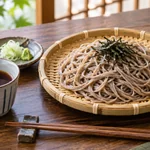
- cold noodles as a summer sauce
- hot pot or shabu shabu as a table dip
Wellness angle (keep it sensible) 🌿
Ponzu shoyu is handy because it brings a lot of flavor without heavy, creamy sauces. Citrus adds freshness, while fermented soy sauce contributes umami. It can be fairly salty, so season in small amounts and taste as you go.
How to choose a good ponzu shoyu ✅
- Ponzu vs ponzu shoyu citrus base alone or citrus plus soy sauce
- Citrus choice yuzu tends to be more fragrant than lemon
- Dashi some versions have deeper savory notes
- Salt level bolder for dipping, softer for dressings
- Use case table dip or everyday finishing sauce
Three product picks 🍋🥢
- Yamamori Ponzu Shoyu Sauce 220 ml — a ready-to-use classic for dipping and finishing fish or salads
- S&B Yuzu paste 43 g — add a small amount for a more aromatic yuzu kick
- Wadakyu Katsuobushi Bonito smoked tuna flakes 40 g — extra umami as a topping or for a quick dashi boost
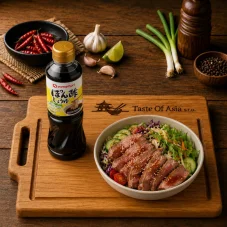
Recipe: Salmon tataki with ponzu shoyu and sesame 🔥🐟
Servings 2
Time 20 to 25 minutes
Style fast Japanese-style plate
Ingredients
- 350–450 g salmon (preferably fillet, skinless)
- 4–5 tbsp ponzu shoyu sauce
- 1 tsp sesame oil
- 1–2 cm ginger (finely grated)
- 2 spring onions (thinly sliced)
- 200 g sushi rice (optional, to serve)
- 1 tbsp sesame seeds
- 1–2 tsp yuzu paste (optional)
- a pinch of sugar (optional)
- 1 tsp katsuobushi flakes (optional, to finish)
Method
- If serving with rice, cook sushi rice according to the packet instructions and let it rest.
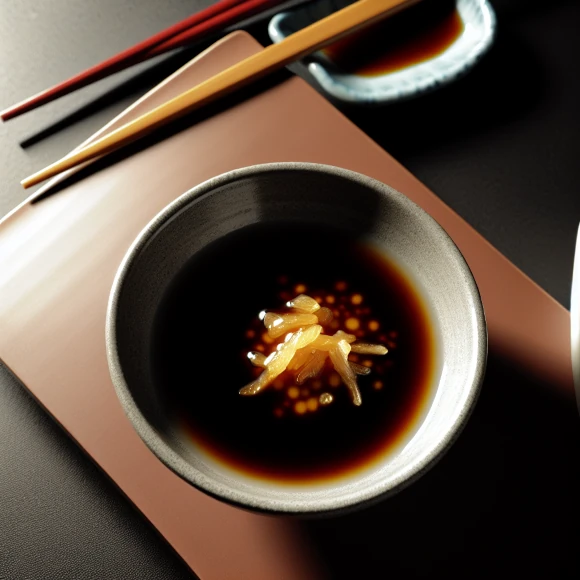
- Mix ponzu shoyu, sesame oil and ginger. Add a little yuzu paste for extra citrus aroma. If it tastes very sharp, balance with a pinch of sugar.
- Pat the salmon dry. Heat a pan until very hot. Sear the salmon for just 30 to 60 seconds per side so it stays juicy inside.
- Rest for a minute, then slice.
- Serve with the ponzu dressing, spring onion and sesame. For extra umami, finish with katsuobushi.
Tips and variations ✨
- No fish: sear mushrooms or tofu and spoon the ponzu dressing over the top.
- Even fresher: stir some finely sliced spring onion into the dressing and let it sit for a few minutes.
- On the grill: brush salmon lightly with oil, grill, then add ponzu only at the end.

Recommended products1
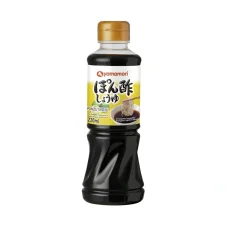


Yamamori Ponzu Shoyu Sauce 220 ml
Read next
If you want to continue with the same topic, here are more related articles to explore: