


 Česky (CZK)
 Slovensky (EUR)
 Deutsch (EUR)
 Austria
 Belgium
 Bulgaria
 Croatia
 Denmark
 Estonia
 Finland
 France
 Germany
 Greece
 Hungary
 Italy
Italy Latvia
 Lithuania
 Luxembourg
 Netherlands
 Poland
 Portugal
 Romania
 Slovenia
 Spain
Spain Sweden










How to Choose Soy Sauce: Types, Uses, and Common Mistakes
Soy sauce is often the first "Asian" bottle at home – and also one of the most common reasons why a dish ends up just vaguely salty. Under one name, there is an entire family of styles: from light working sauces for the wok to dark varieties for color, rounding, and sometimes a sweeter tone. In this guide, you will clarify the types, what to watch for on the label, and how to dose soy sauce so that it adds depth – not just salt.
In Asian cooking, sauces often are not "something extra." Very often they form the flavor backbone of an entire dish: deciding whether the result will be flat or layered, whether it stays just salty or Umami and fermentation depth appear. And especially with soy sauce, it pays to understand the role it plays in the dish – not just that it is "dark and salty."
🌶️ What is Soy Sauce (and Why There’s So Much Confusion Around It)
Soy sauce is a broad group of liquid seasonings based on soy, salt, and fermentation – or on a mix of fermented and technologically processed components. It is not a single ingredient with one fixed profile. Under one name, very different styles meet: Chinese light and dark sauces, Japanese shoyu in several traditional types, Korean ganjang, Thai soy sauces intended for wok and noodles, Filipino toyo and sweet Southeast Asian variants.
Confusion mainly arises because:
- different countries use different classifications and names,
- the words "light" and "dark" do not mean the same everywhere,
- some products are long fermented and some are flavor "stylized" by faster processes,
- the market mixes original language, export nomenclature, and marketing.
How to think about sauces correctly: saltiness, umami, color, sweetness, finishing
A safe way not to get lost is not to think about sauces just by color or density. At home, it pays off to ask yourself a few practical questions when choosing (and later cooking):
- What is the main source of saltiness?
- What carries the umami? (fermentation, marine components, extracts...)
- What adds color?
- What adds sweetness?
- Is it a base for cooking, or a seasoning at the finish? (finishing)
This thinking is important also because sauces often “interfere” with each other. When you already have other strong umami components in the dish (e.g., miso, oyster sauce, fish sauce, or fermented pastes), soy sauce can be just a complement – not the sole source of saltiness.
Main types of soy sauce: what light and dark mean in different cuisines
Soy sauces can combine saltiness, umami, fermentation depth, often a light sweetness – and sometimes significantly influence the color of the dish. But “light” and “dark” are not universal terms.
Chinese logic: the pair light + dark has different roles
In Chinese cuisine, two bottles are very often used:
- Light soy sauce is typically the basic working sauce – mainly for saltiness and flavor.
- Dark soy sauce is more often used where a deeper color, rounder tone, or slightly sweet effect is desired.
Practical impact: when you want a darker color, often "pouring more light soy" is not the solution. Often enough is a small amount of darkwhich adds color and rounding without unnecessary oversalting.
Japanese logic: shoyu is its own world
Japanese cuisine has a more sophisticated classification and commonly cites five basic types of shoyu: koikuchi, usukuchi, tamari, saishikomi, and shiro. For home orientation, what matters most is this: the difference is not just color, but also production style, ingredients, saltiness, depth, and whether the sauce works better for cooking or as a final seasoning.
Thai soy sauces: similar bottles, different behavior in the pan
The Thai market is tricky for a European cook: several types of bottles may look similar, but behave differently in dishes.
- Thai light soy sauce often corresponds to what one imagines under "light soy sauce": a working seasoning for woks, stir-fried noodles, fried rice, vegetables, and marinades. Typical use: pad see ew, fried rice, stir-fry, marinades.
- Thai dark soy sauce is used mainly for color and mild rounding. It is usually not meant as the sole source of saltiness – rather it adds a darker tone and gloss.
- Thai sweet dark soy sauce is a thicker, sweeter, and darker style – closer to a glaze than a usual salty sauce. A small amount can strongly change the color and overall impression.
How to choose soy sauce in practice: label, quality, and the first "safe" choice
"Choosing well" does not automatically mean buying the most expensive bottle or the flashiest packaging. The right choice is mainly based on understanding the function of the sauce and knowing what type you really need.
1) Always read the label: is it a base or a seasoned product?
Soy sauces include pure “basic” sauces and various derivatives (flavored, sweeter, stylized). For universal home use, it is useful to know whether you are buying a working salty base or a product that already targets a specific flavor.
2) Signs that often indicate a "higher quality" profile
There is no one hundred percent rule, but in practice, several signs help to watch out for in universal/table soy sauce:
- Simpler composition: a good sign is when the sauce mainly relies on soy, grain, salt, and water, without a long list of additives.
- A hint of natural fermentation: marking such as naturally brewed, fermented or honjozo can suggest that the flavor was developed by fermentation and aging, not just quick “assembly.”
- Appearance corresponds to the style: a quality seasoning sauce is often more clear to translucent reddish-brown than opaquely black. (Exceptions are dark and sweet dark styles, which are meant to be thicker and darker by principle.)
- Scent is layered: a better sauce does not just smell salty; it can have a grainy, toasted, mushroomy, nutty, or fermentation trace.
- Taste is round, not aggressive: it may be salty but also long, full, and not astringent.
3) How to start at home without unnecessary mistakes
If you don’t want to build a "collection" of bottles immediately, it is often more practical to choose one reliable universal cooking soy sauce and then, depending on what you cook most often, add a more specialized type (for example, a darker variant for color or Japanese style for final seasoning). It is important to keep in mind that "one bottle for everything" only works to a certain extent.
How to use soy sauce smartly: layering, working with color, and dip vs. pan
The most common mistakes with soy sauce are dosing and confusing color with flavor. Three simple habits help in practice:
Add in layers
In many dishes, it is better to add a smaller amount at the beginning (to combine with fat and ingredients) and then a final drop at the end. You gain deeper flavor without easy oversalting. If you don’t know how much to add, take it as a guideline: start with a smaller dose and fine-tune little by little – individual styles vary in saltiness and concentration.
Distinguish saltiness and color
When you want a darker look for wok-fried noodles or meat, the solution often is not to add more "regular light" sauce. Often you need a different type (dark / sweet dark) and a smaller amount. This is typical for Thai-influenced stir-fried dishes (e.g., pad see ew), where look and gloss play a big role.
Don’t underestimate the difference between sauce for the pan and sauce for the bowl
A sauce that works great in the pan as part of the heat, fat, and other ingredients may not be the most pleasant alone as a dip. If you want to use soy sauce also "at the table," pay attention to whether the flavor is round and layered or just sharply salty.
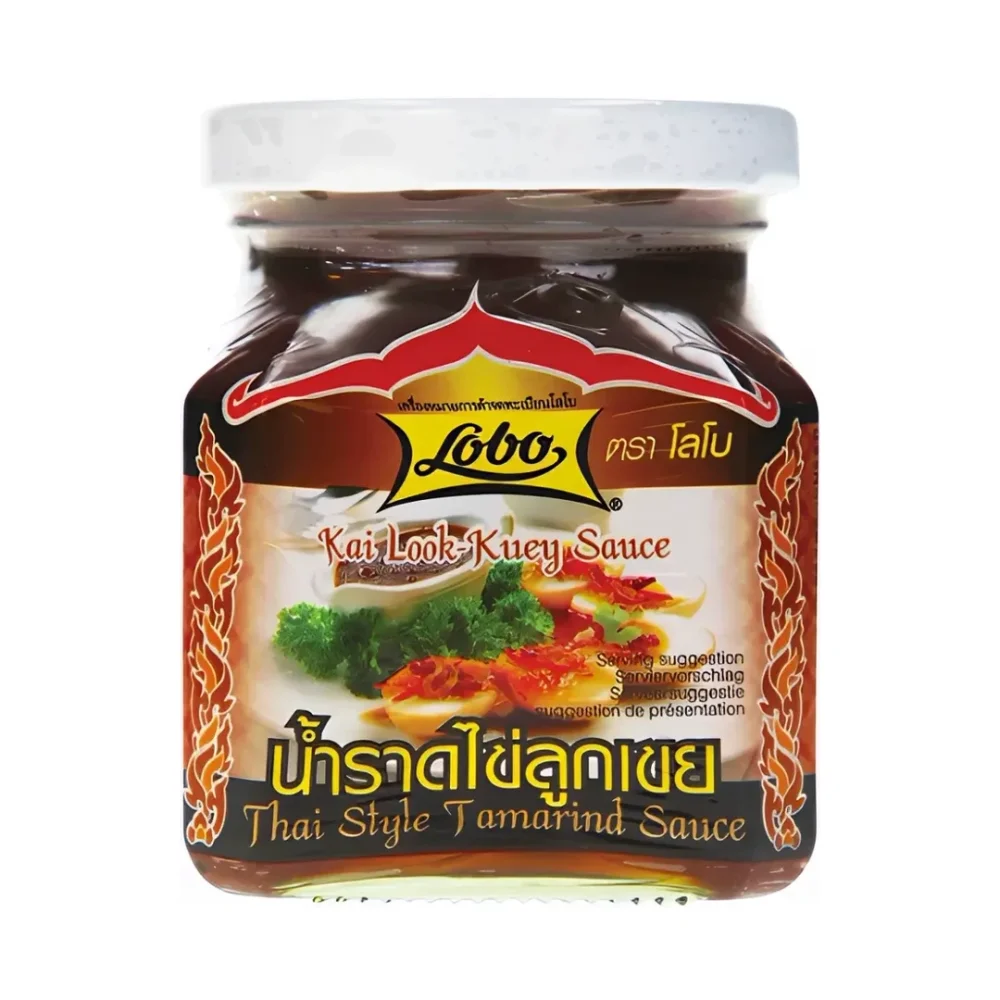
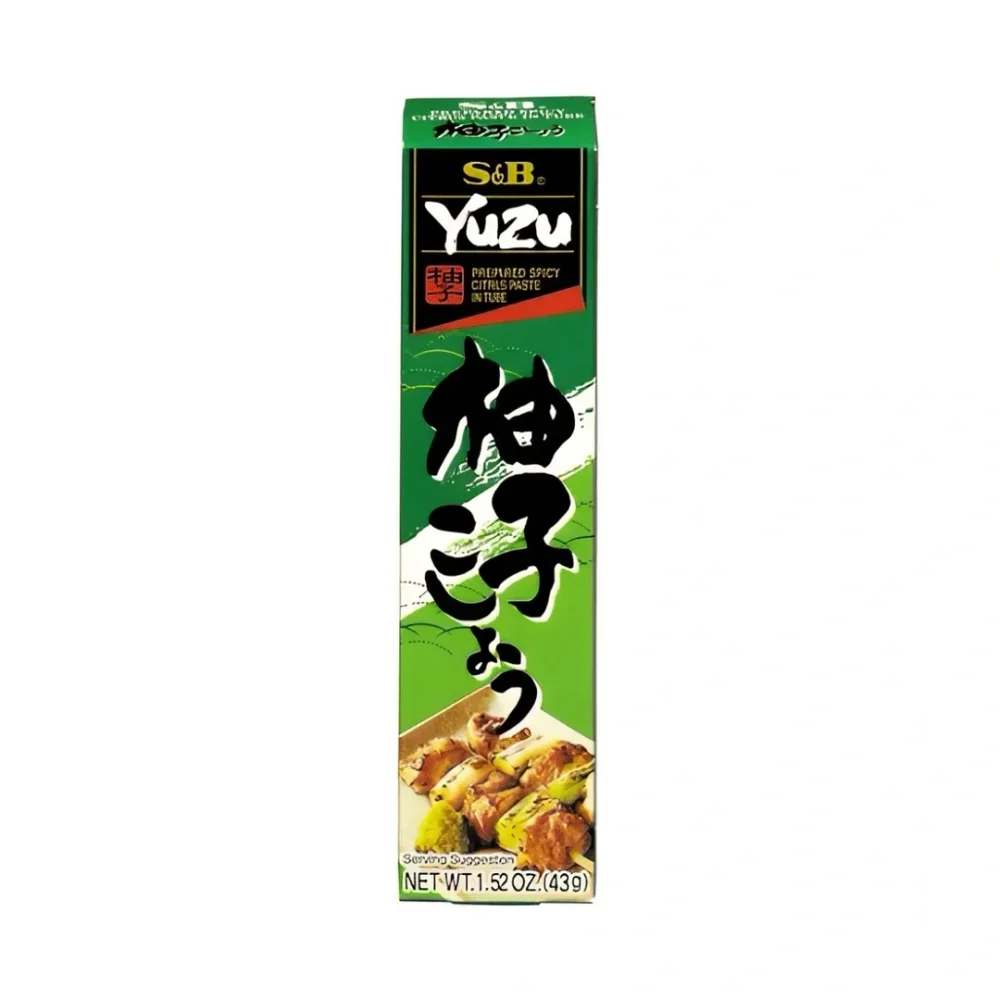
And one more practical note on “fine-tuning”: if you already have a finished dish and it lacks spark, it is often better to add an aromatic or acidic component than to salt more. In the Thai profile, such a role can be played by a sweet and sour element – for example, Thai-style tamarind sauce – or conversely citrus aroma at the end to add a distinct accent (e.g. yuzu paste).
Most Common Mistakes and Confusions ⚠️ (and How to Fix Them Quickly)
- "Dark = the same and interchangeable": mistake. Dark color can mean longer fermentation, a higher share of sugar or caramelizing components, thicker texture, a different ratio of soy and grains, or a completely different regional style. If you darkened a dish and it is oversalted, next time look for a dark type intended for color and use a smaller dose.
- Density as a sign of strength: a thick sauce doesn’t have to be "more concentrated" in saltiness – it can be sweeter, starchy, glazing, or primarily table sauce. A thin sauce, on the other hand, can have a very strong impact because it is flavor-concentrated.
- Hoisin as a substitute for soy sauce: hoisin is a thick sweet-savory sauce with a spicy character. It works excellently in glazes, baked and grilled preparations, or some dipping sauces (often for meat, especially pork or duck). But when used instead of regular soy sauce, the result is often an overly sweet and flavor-shifted dish. Hoisin is not a universal salty base – it is a specific tool.
- Fish sauce as a direct substitute for soy: fish sauce can take on the role of salting and umami component in some dishes, but the profile is different – sharper, more aromatic, and very effective in small doses. If the recipe belongs to Thai or Vietnamese logic, it often makes sense to reach for fish sauce; if you are aiming for a Chinese/Japanese profile, stick more with soy sauce.
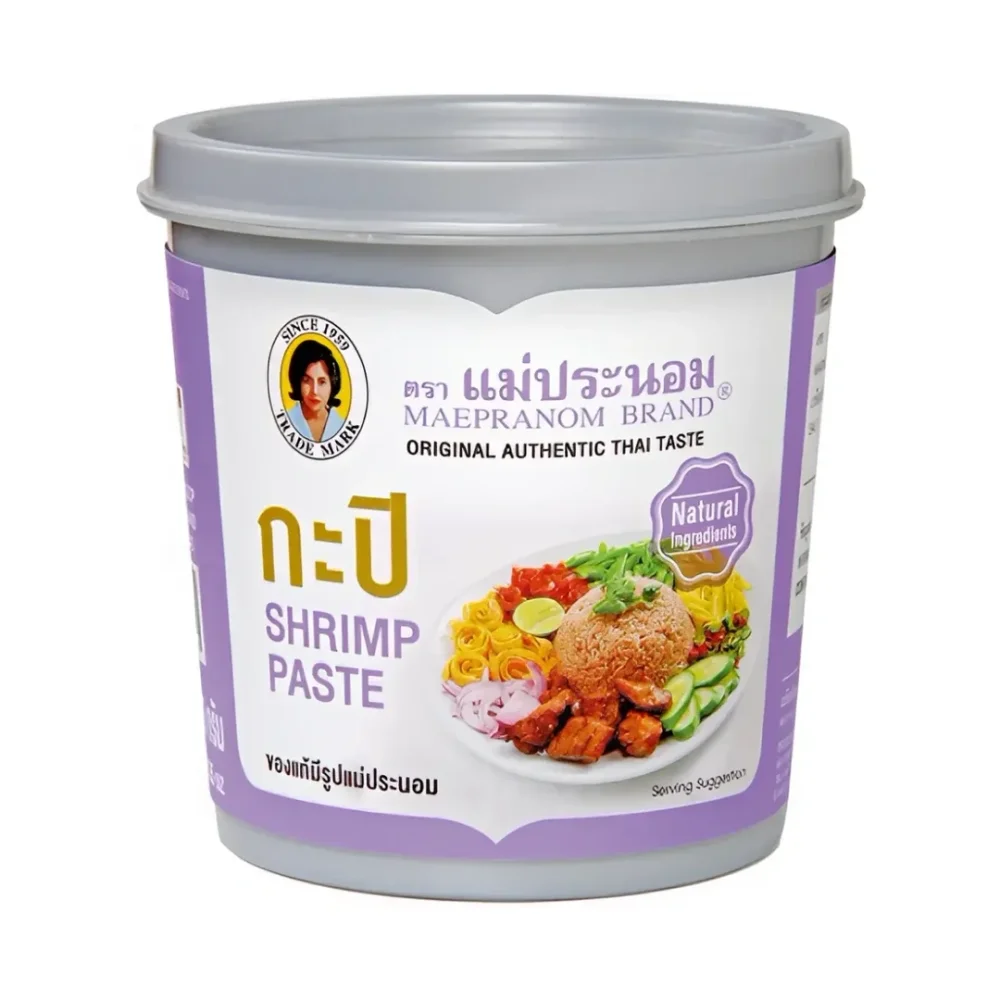
- Trying to “balance flavor” with more soy sauce: if the dish is already salty enough, adding more will worsen the problem. At that moment, balancing helps more: acidity, sweetness, chili, or an aromatic component. In Southeast Asia, very concentrated umami ingredients are often used – typically shrimp paste (see shrimp paste), where a small amount is enough and must be counted into total saltiness.
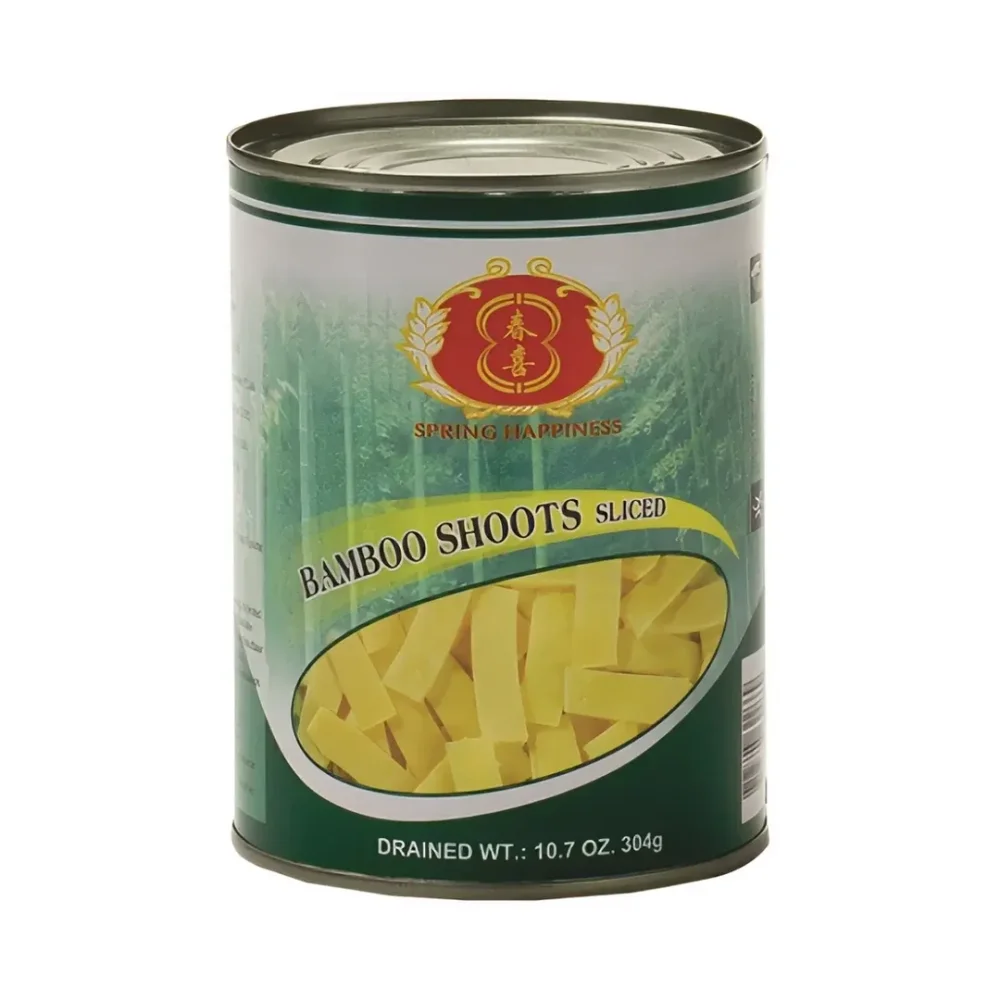
A small but practical cooking tip: ingredients that are themselves gently flavored and "absorb" the sauce make differences between soy sauce types more pronounced. Typical examples are bamboo shoots in the wok or curry – on them you can tell whether the sauce adds just salt or also depth.
What to take away from the article
- Soy sauce is not one. It is a family of styles, and differences are not only “light vs dark” – it also depends on origin, production, and intended use.
- "Light" and "dark" do not mean the same everywhere. In Chinese logic, light (flavor) and dark (color/roundness) are often combined; in Japanese cuisine, shoyu has its own classification; in Thai cuisine, there are variants for wok, color, and a sweeter glazing effect.
- Color is not taste. For a dark appearance, you often need a different type of sauce and a smaller amount – not more of the "common" one.
- Layer it. A smaller amount at the beginning + a final drop at the end often brings a deeper flavor without over-salting.
- Do not confuse sauces just because they are dark. Hoisin and fish sauce are not universal substitutes for soy sauce – each has a different function.
- The label tells you more than the packaging. For universal use, a good sign is simpler ingredients and a hint of natural fermentation (e.g. naturally brewed/fermented/honjozo), plus a layered aroma and rounder flavor.

Read next
If you want to explore this topic further, continue with these related blog guides and articles:
