


 Česky (CZK)
 Slovensky (EUR)
 Deutsch (EUR)
 Austria
 Belgium
 Bulgaria
 Croatia
 Denmark
 Estonia
 Finland
 France
 Germany
 Greece
 Hungary
 Italy
Italy Latvia
 Lithuania
 Luxembourg
 Netherlands
 Poland
 Portugal
 Romania
 Slovenia
 Spain
Spain Sweden










How to use vinegars in Asian cuisine: when to add acidity, with what, and why it matters
Vinegar in Asian cuisine is not an "extra sourness," but a practical tool that can enhance flavor, balance saltiness, and make the dish clearer. When you know, when acidity should be part of the base and when it is just a final accent, you will decide much more confidently in sauces, dips, and marinades.
Why vinegar holds such importance in Asian cooking
In many Asian dishes, it’s not just about "what is the main ingredient," but mainly how the flavor structure is built – often precisely through the sauce or seasoning mix. Acidity (and thus vinegar) plays a specific role in this: it can remove heaviness from a dish, highlight individual flavors, and give a "more finished" impression even to a simple base.
It is important not to think about vinegar in isolation. The practical question in Asian cooking isn’t "what to acidify with," but rather: what already carries saltiness and umami in the dish (e.g., soy or fish sauce), what adds sweetness or color and what should just be a final highlight. Vinegar often acts as the tool that "sharpens" the flavor at the end or helps balance the sweet-salty richness of some sauces.
🍳 What vinegar exactly does in the kitchen: acidity as a tool, not just an extra flavor
Vinegar practically is primarily a source of controlled acidity. This doesn’t mean every dish has to be "sour" – often it’s about preventing the final flavor from being flat. Acidity can:
- balance saltiness and umami (typically where you season with soy or fish sauce),
- lighten sweet-salty sauces and prevent them from feeling sticky,
- highlight aromatics (garlic, chili, citrus notes),
- act as a “finishing touch” – that is final refinement just like when you add a bit of soy sauce at the very end.
This is an important shift in thinking: just as Asian sauces are not automatically interchangeable simply because they are "dark and salty," neither is the "acidic component" one thing. Acidity can be clean, sweet and sour, hidden in a finished chili sauce, or just a small accent in a dip.
Typical “vinegar” situations in Asian cuisine (and what to expect from them)
1) Rice vinegar: clean acidity for rice, dressings, marinades, and quick pickling
The most practical starter choice for home Asian cooking is rice vinegar – typically where you want a gentle, clean acidity without overpowering other flavors. It’s used, among other things, for seasoning sushi rice, in salad dressings, marinades, and for quick pickling of vegetables.
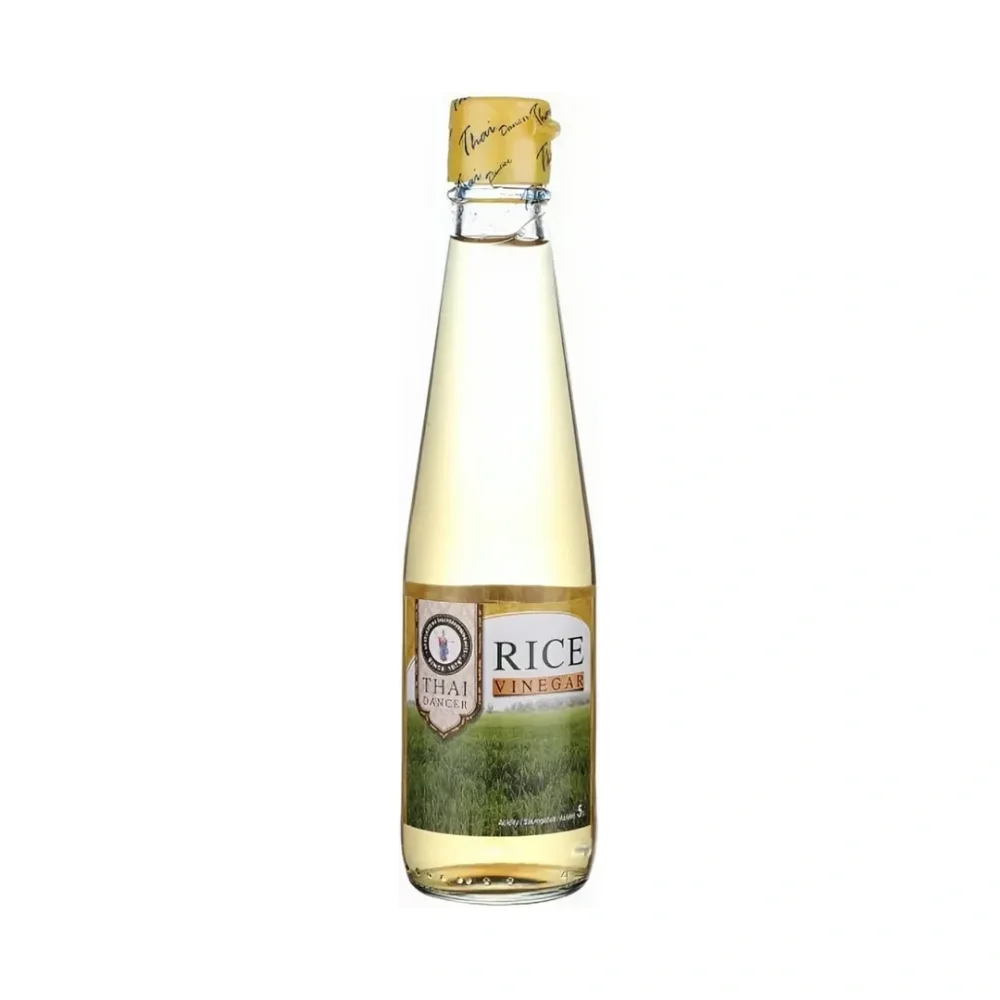
If you want to start simply, it makes sense to have one reliable bottle of rice vinegar at home and learn its timing and dosing. A concrete example is Thai Dancer rice vinegar.
2) Vinegar as part of chili sauces: it’s not just about heat
With chili products, it’s good to monitor what role they play – because two sauces with the same heat can behave very differently. A particularly common group is thin chili sauces, where vinegar and sugar, together with chili, form an important part of the profile: the result is not a “cooking paste,” but rather a table sauce or dip that is both spicy and sour.
A typical example of this logic is Thai sweet chili sauce (nam chim kai), which is based on a combination of chili, garlic, sugar, vinegar, and water – and is used for fried foods, snacks, or dipping. Similarly, the term "sriracha" can mean different styles and it’s not good to automatically assume every sriracha works the same way.
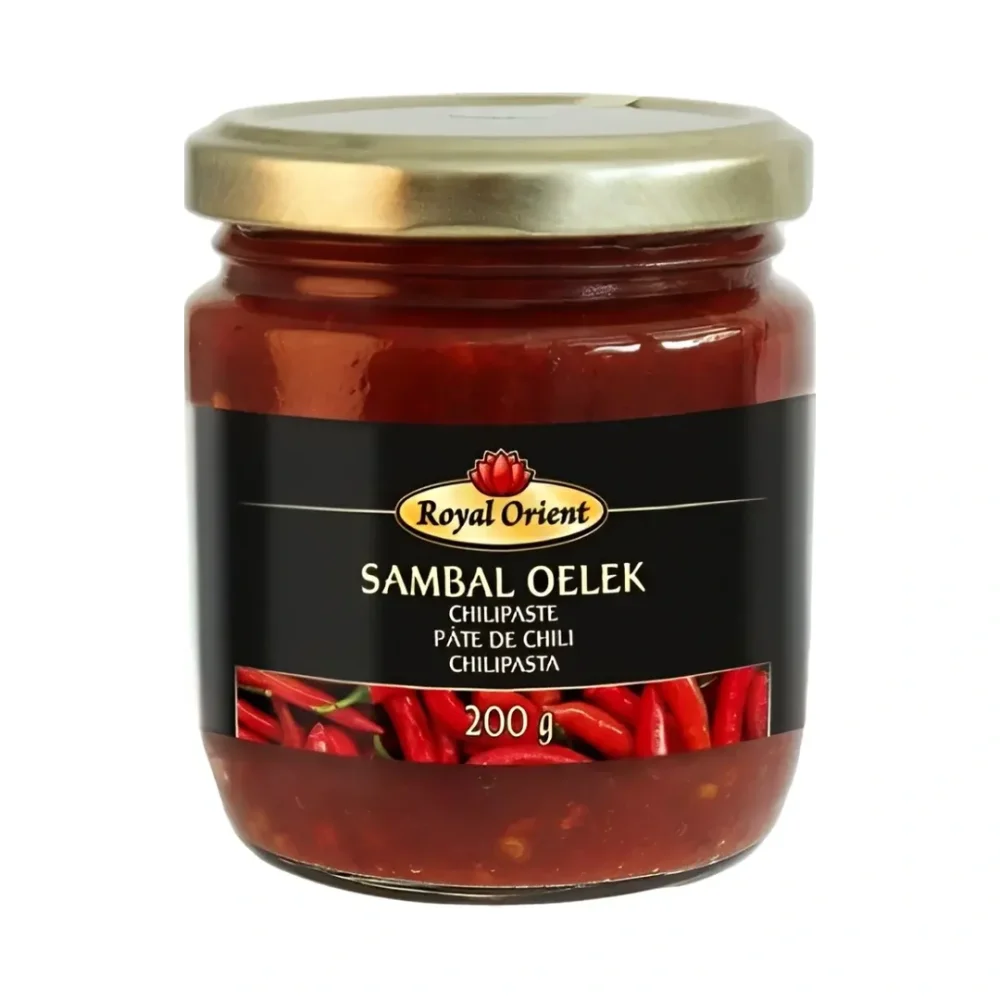
For home use, it’s useful to also have a “pure” chili component without unnecessary additives and adjust acidity as needed. An example is Sambal Oelek: when you add it to a dip, you can adjust the acidity precisely with vinegar (and not expect the chili product to solve it alone).
3) Acidity even without vinegar: sweet and sour sauces and citrus pastes
In Asian cuisine, you often encounter that the “sour impression” doesn’t come only from pure vinegar but from finished sauces or aromatic ingredients. Practically, this means before you start pouring vinegar into the dish, it’s good to clarify whether acidity is not already present elsewhere – and whether you might need to balance sweetness or saltiness instead.
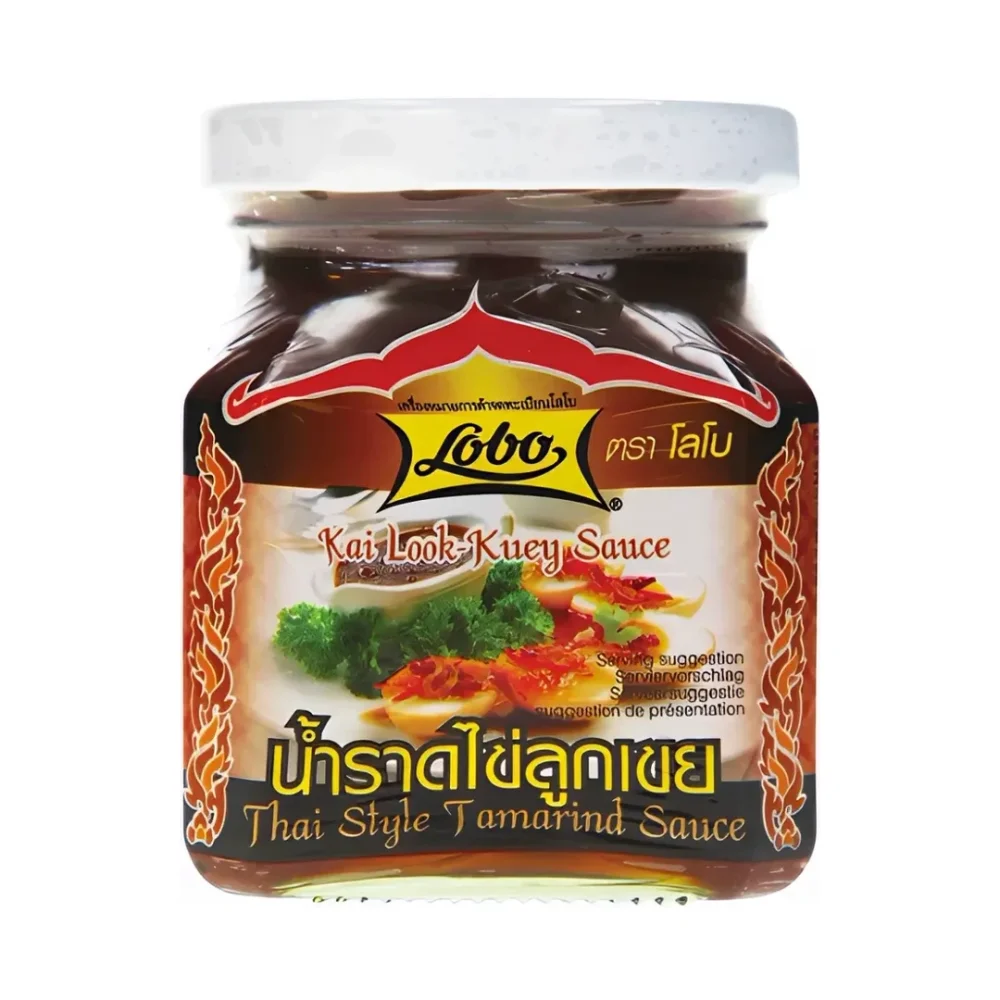
- For a sweet and sour profile, finished sauces are also used, for example, tamarind sauce (Thai style), which suits dishes like Pad Thai or quick glazing.
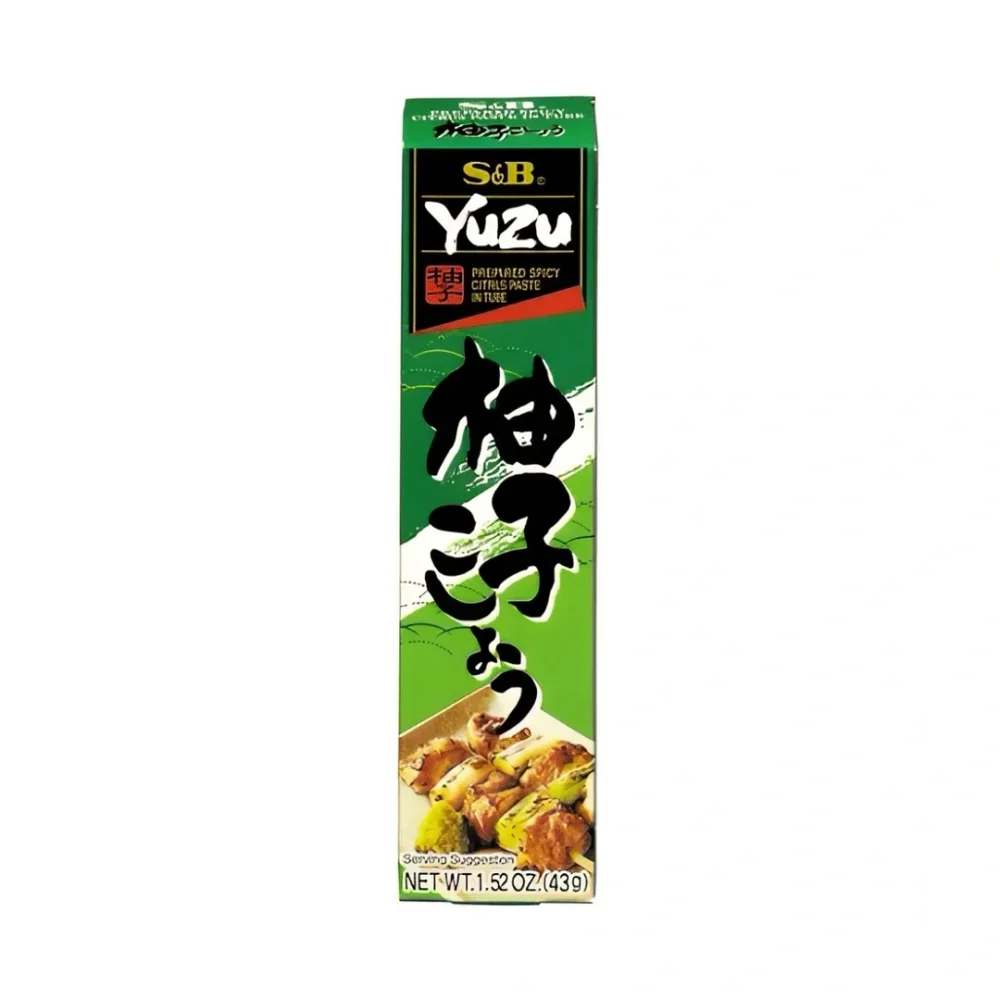
- For an aromatic “citrus accent,” for example, yuzu paste can be used – here it’s not vinegar, but the acidity and aroma are already combined in one ingredient, so it’s seasoned differently than with pure vinegar.
How to work with vinegar in practice: layering, timing, and smart pairing with umami
When seasoning in Asian style, it pays to think in layers. For example, with soy sauce, it’s often recommended to add a small amount at the beginning and a final drop at the end – you get depth without oversalting. The same logic applies to acidity: prefer adding in small doses and tasting continuouslyrather than "overacidifying" the whole dish at once.
It helps to keep simple control questions in mind that generally work for Asian sauces and seasonings:
- What is the main source of saltiness? (often soy sauce or fish sauce)
- What carries umami and fermentation depth? (fermented sauces, pastes)
- What adds sweetness and possibly color? (sweeter or darker sauces, glazes)
- What should be the “finishing touch”? (often acidity – vinegar or another sour accent)
This way of thinking is also useful for substitutions. For example, fish sauce is not just “fish flavor”: it is a very concentrated source of saltiness, umami, and fermentation depth. If for some reason you cannot use it, there are methods that try to imitate part of its role by combining other ingredients – and precisely a drop of rice vinegar can appear in such combinations as an element that helps to round out the overall profile (although the substitute will never be exactly the same).
Most common mistakes: why acidity often “doesn’t fit”
- Confusing "sour sauce" with vinegar. A thin chili sauce with vinegar and sugar is not the same as pure vinegar. In the kitchen, it has a different role: it is often meant for the table or dipping, not as a seasoning base for the pan.
- The idea that dark and salty = interchangeable. In Asian cuisine, this mistake happens with sauces in general: dark color can mean longer fermentation, higher sugar content, different texture, or a completely different regional style. Then you sometimes add acidity “blindly” to a poorly constructed base – and the dish ends up just aggressive, not balanced.
- Overdoing the acidity. Vinegar is a concentrated tool. It’s safer to add it gradually and taste continuously, especially when you already have pronounced umami components in the dish (soy, fish, or fermented pastes).
- Poor timing. Acidity can be part of dressings, marinades, or quick pickling but often works best as a final finish. If you add it too early and in large amounts, you can overpower aromatics and flatten other flavors.
Key takeaways from the article
- Vinegar in Asian cuisine is not decoration – it’s a tool that helps build the flavor structure and make the dish clearer.
- The most useful start is rice vinegar: you’ll use it for rice, dressings, marinades, and quick pickling.
- Don’t just focus on heat with chili sauces: vinegar in them often means a different function (table sauce/dip), not a “cooking paste.”
- Add acidity in small amounts and always in relation to what already provides saltiness, umami, sweetness, and color in the dish.
- Don’t confuse “sour sauce” with vinegar and don’t expect one dark/salty ingredient to replace another – first clarify what role each ingredient plays.

Read next
If you want to explore this topic further, continue with these related blog guides and articles:
