


 Česky (CZK)
 Slovensky (EUR)
 Deutsch (EUR)
 Austria
 Belgium
 Bulgaria
 Croatia
 Denmark
 Estonia
 Finland
 France
 Germany
 Greece
 Hungary
 Italy
Italy Latvia
 Lithuania
 Luxembourg
 Netherlands
 Poland
 Portugal
 Romania
 Slovenia
 Spain
Spain Sweden










Coconut sugar: what it is, how it tastes, and when it makes sense in Asian cuisine
Coconut sugar is important in Asian cuisine mainly because it sweetens differently than regular white sugar: it adds not just "pure sweetness" but also a warmer, caramel tone. To make it work well, you need to understand two things: it is not made from coconut flesh and its taste is not "coconut" in the sense of coconut milk. In the article, we will show which dishes it suits, how to start using it at home, and what to watch out for when choosing and using it.
🌶️ What is coconut sugar and why doesn't it taste like coconut milk
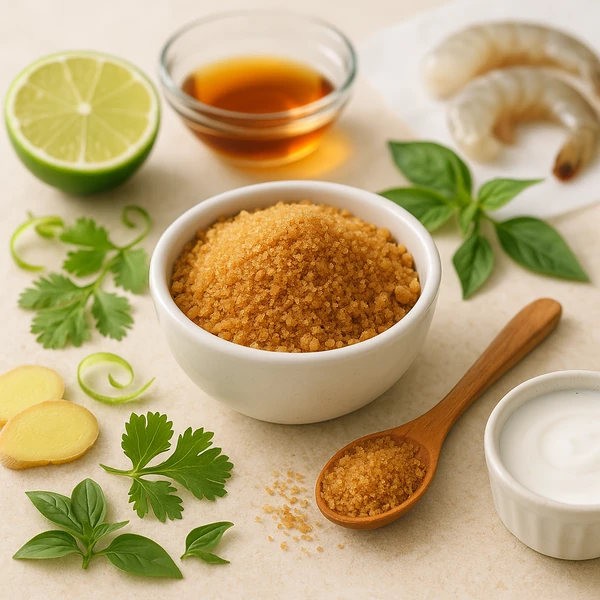
Coconut sugar is not made from the white flesh of the coconut, but from the sap of the coconut palm inflorescence. This is a crucial point of orientation because many people automatically associate it with coconut milk or coconut flesh based on the name.
The taste of coconut sugar is usually not "coconut" (like coconut milk), but rather caramel to lightly toasted, sometimes with notes reminiscent of cane sugar or molasses, or stylistically close to palm sugar. In practice, this means it suits wherever you want a sweetness rounder, darker, and less sharp than that of white sugar.
Why coconut sugar is important in Asian cuisine
In tropical Asia, "coconut" is not one ingredient but a whole family of products with different uses: coconut water, flesh, coconut milk, cream, oil, sugar, and more. Coconut sugar plays a specific role in this family: it doesn't address fat or creaminess, but rather the type of sweetness.
In many Thai and Indonesian sauces, marinades, and dressings, sweetness does not function just as "extra sugar." It is a tool to:
- soften saltiness and spiciness,
- round acidity,
- and give the dish a deeper, warmer flavor tone.
That is why coconut sugar makes sense in Asian cooking even for home cooks: it is not just an exotic item for display but a practical ingredient that changes the character of the sweet component.
Which "variants" to consider: kitchen helper vs. marketing around "superfoods"
With coconut sugar, it pays to stick to the culinary perspective and distinguish two levels:
- Everyday kitchen use – mainly dealing with the flavor profile and how the sugar behaves in food (especially solubility).
- Marketing framing – often shifts attention to "miraculous" properties. For cooking, however, the key is that coconut sugar sweetens differently than white sugar and adds a caramel tone.
For the result in sauce or dessert, it is practically more important whether you like its taste and how it works for you than the promises on the packaging. In this respect, coconut sugar is similar to other Asian ingredients: choosing well means understanding the ingredient's function, not just its name.
Where coconut sugar makes sense: sauces, marinades, desserts, and dressings
From the usage perspective, coconut sugar typically works well where you want to "round off" sweetness and add a caramel undertone:
1) Thai and Indonesian sauces
In sauces, coconut sugar can help make sweetness less "straightforward" than with white sugar. At the same time, it can soften sharp edges when you combine salty, sour, and spicy components.
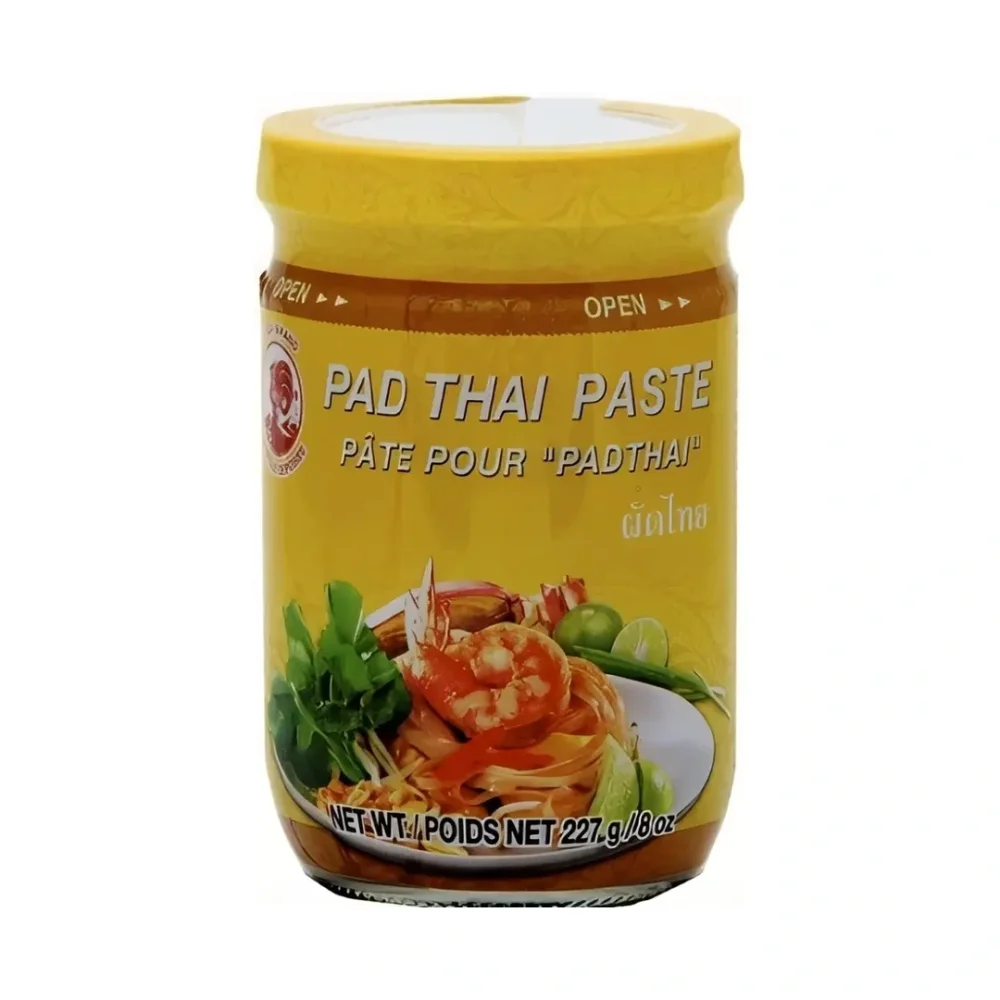
Practical note: if you use ready-made flavor bases, sweetness often is already part of the mix. Then it's better to sweeten only after tasting. A typical example of a ready-made base is Cock Brand paste for Pad Thai – with similar products, it makes sense to first cook the sauce according to the base and only then adjust the sweetness.
2) Marinades and glazing
In marinades, coconut sugar adds a warmer sweetness and helps "round out" the flavor. It is also suitable for styles where sweetness is part of the dish's identity (typically some Indonesian sweet and salty combinations).
3) Desserts and caramel/coconut sweets
It suits desserts precisely because of the caramel tones. It's not that the dessert tastes like coconut milk, but that the sweetness feels darker and warmer.
4) Dressings where sweetness should be "rounder"
In dressings and cold sauces, coconut sugar can work as a sweet component that doesn't come across as sharp as white sugar. However, its solubility is important – sometimes it helps to dissolve the sugar first in a small part of the liquid (or use a warmer component) and only then mix the rest.
How to choose coconut sugar and how to start using it at home (practically)
A good choice of Asian ingredient mainly depends on understanding, what you want it for. With coconut sugar, it is useful to watch two things: what you are buying (type of product) and how it will behave in the recipe.
🌶️ 1) Always read the label: what is really inside
With Asian ingredients, small print often decides. The ingredient list is usually in descending order by weight – so the first ingredients define the character of the product most. It makes sense to quickly check whether you are buying the basic ingredient or an already altered/flavored product.
2) Start with a smaller amount and adjust to taste
Coconut sugar adds not only sweetness but also a caramel tone, so it may come through more in sauces than you expect. A simple way to start at home is:
- add a smaller amount than you would white sugar,
- let it dissolve and simmer briefly (in hot sauces),
- and then adjust gradually after tasting.
In cold mixtures, expect that the final impression may change once the sugar fully dissolves.
3) Manage solubility according to the type of dish
From a culinary perspective, solubility is also key with coconut sugar. It usually blends easily in warm sauce or marinade, whereas in cold dressing it may require more time or help (for example, dissolving first in a small part of the liquid).
4) When it is better not to sweeten
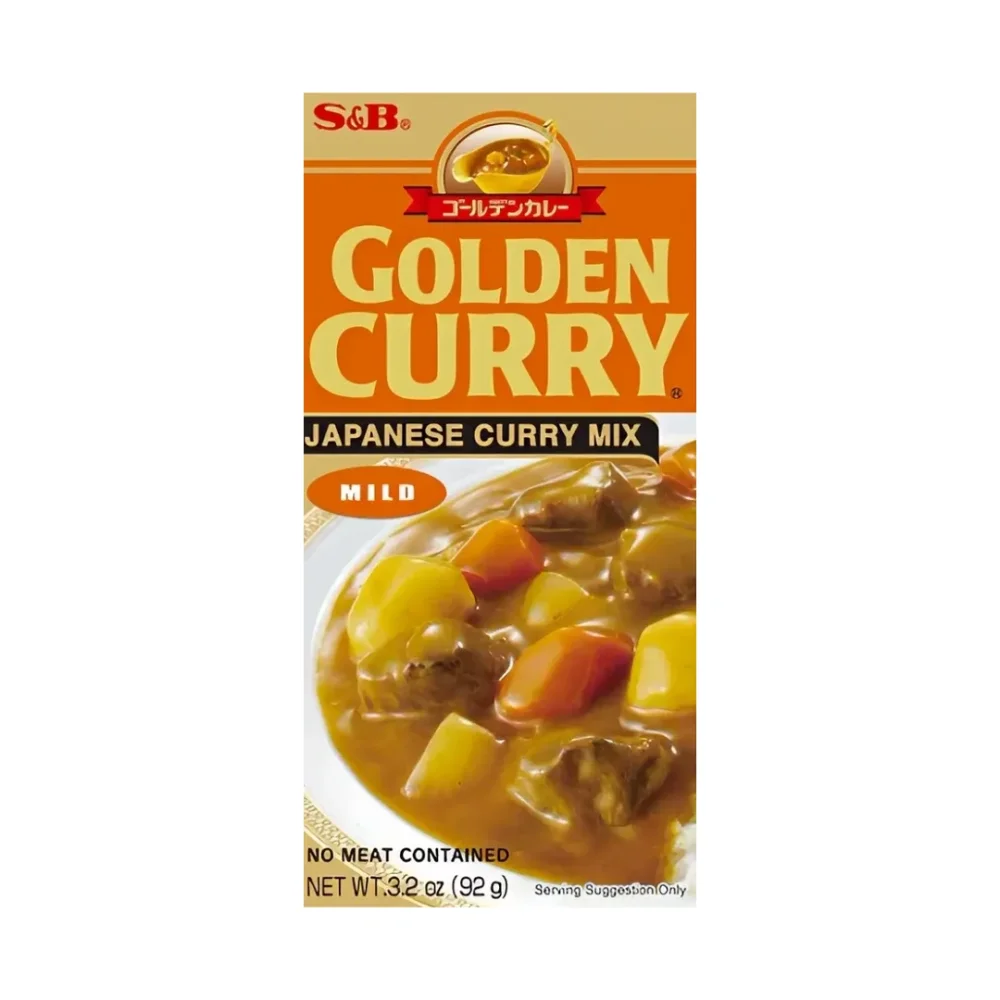
If you use mixes or pastes that already have a lightly sweet profile, it is safer to add sweetness at the end. This applies, for example, to S&B seasoning curry paste, where the taste is typically balanced and blind sweetening can push the result away from the intended style.
Common mistakes and misunderstandings (and how to fix them quickly)
- "It will taste like coconut." Not necessarily. Coconut sugar has more caramel and toasted tones. If you want a coconut aroma, coconut milk or cream (another part of the "coconut family") handle that.
- Confusing origin: flesh vs. sap. Coconut sugar is not a "sweet version of coconut flesh" – it is made from the sap of the coconut palm inflorescence. That explains why it tastes different from coconut milk.
- Adding a large amount right at the start. Because coconut sugar brings a more pronounced tone than white sugar, it pays to dose in smaller steps and taste.
- Underestimating solubility in cold dishes. In dressings, sugar may dissolve more slowly – the solution is time, a warmer component, or pre-dissolving in a small part of the liquid.
- Focusing on marketing instead of culinary function. For the outcome in food, the most important thing is the flavor profile and behavior in the recipe.
What to take away from the article
- Coconut sugar is made from the sap of the coconut palm inflorescence, not from coconut flesh.
- Do not expect the taste of coconut milk: the typical profile is caramel to toasted and "warmer" sweetness.
- In Asian cuisine, it is mainly suitable for Thai and Indonesian sauces, marinades, dressings, and desserts, where sweetness should be rounded and add depth.
- When choosing and using it, it is practical to watch the label (what you are buying) and solubility (especially in cold mixtures).
- Start with a smaller amount and adjust only after tasting – especially if you cook with ready-made pastes and mixes that already contain sweetness.

Read next
If you want to explore this topic further, continue with these related blog guides and articles:
