


 Česky (CZK)
 Slovensky (EUR)
 Deutsch (EUR)
 Austria
 Belgium
 Bulgaria
 Croatia
 Denmark
 Estonia
 Finland
 France
 Germany
 Greece
 Hungary
 Italy
Italy Latvia
 Lithuania
 Luxembourg
 Netherlands
 Poland
 Portugal
 Romania
 Slovenia
 Spain
Spain Sweden










Coconut milk vs. coconut cream: what is the difference and when to use which
Coconut milk and coconut cream are not just two differently named "coconut things." They mainly differ in fat and water content – and consequently in how they thicken curry, soften soup, or behave in pudding or cream. In the article, we will show practical rules for cooking and desserts, how to read the label, and how to avoid the most common mistakes.
Why coconut milk and cream get confused (and why it matters)
Coconut is one of the most versatile ingredients of tropical Asia, but "coconut products" are not a single ingredient. From one fruit comes a whole family of products that differ in taste, texture, fat content, and use – and coconut milk and coconut cream are the pair most often confused.
In practice, this manifests very quickly: if you use coconut cream instead of coconut milk in curry, the dish tends to be richer, rounder, and thicker. Conversely, when you use the common coconut milk instead of cream in desserts or creams, the result may seem flat and less velvety – often tempting you to do a long reduction (which sometimes does not suit the recipe at all).
🌶️ What is coconut milk and how it behaves when cooking
Coconut milk is made from the white flesh of a ripe coconut: the flesh is ground, pressed, and extracted (with or without water) resulting in a white emulsion with fat, subtle sweetness, and a distinct coconut aroma.
In Asian cuisine, it is one of the key ingredients for Thai curries, soups like tom kha, Filipino dishes in the style ginataan, but also for Malaysian and Indonesian dishes and many desserts. An important detail: not all coconut milk is the same. A very good indicator is the composition and fat content – the difference between "thin" and "full" types is really noticeable in curry or soup.
Separation of fat is not automatically a defect
For shelf-stable products (for example in cans or cartons), it is common for coconut milk to separate into a thicker fatty layer and a more liquid bottom part. Before using the milk, stir it – either by shaking (if the packaging allows) or thoroughly stirring after opening. In warm food, the emulsion usually recombines, but if you only pour the “water from the bottom,” the taste and texture will be poorer.
🌶️ What is coconut cream: thicker, fattier, and creamier
Coconut cream is compared to coconut milk thicker and fattier. In food standards, the difference is often described even through minimal fat content: coconut milk has a lower fat base, while coconut cream is more concentrated and richer. In cooking, this mainly means three things:
- more pronounced texture and creaminess,
- less need for reduction (when you want a thick result),
- stronger “coconut character” in the final dish.
It is typically suitable for richer curries, desserts, coconut puddings and creams, whipped or thick coconut bases, and generally for dishes where coconut is to play the main role, not just a supporting one.
Concentrated coconut cream, coconut cream, and “light”: names are not always the same
Besides milk and cream, you will also encounter other coconut variants that are often confused just by the name. It is good here to rely less on the front of the package and more on the composition, fat content, and possible added sugars.
Concentrated coconut cream and coconut cream
There are also concentrated coconut cream variants or thick coconut creams. Names are not consistent between brands: sometimes it is a very concentrated, fat-rich coconut product, other times a sweeter dessert cream or a product mainly intended for pastry making.
- Concentrated coconut cream is typically suitable where you want high coconut intensity and minimum water.
- Coconut cream can be purely culinary, but it can also be partly dessert – you cannot automatically tell without reading the label.
Light coconut milk
Light coconut milk makes sense when you want coconut more as a subtle background than the main creamy component. It typically fits lighter soups, less fatty drinks, or recipes where coconut should only complement the aroma and not form the entire texture.
🌶️ When to use what: simple decision rules by dish
The most universal way is to think about how thick and "rich" a result you want – and whether it's suitable to add water (milk), or conversely to remove water by reduction (cream is usually a shortcut).
Coconut milk: when the dish should remain more liquid
- standard curries
- soups
- sauces that should remain more liquid
- cooking rice and legumes with coconut tone
- drinks and smoothies
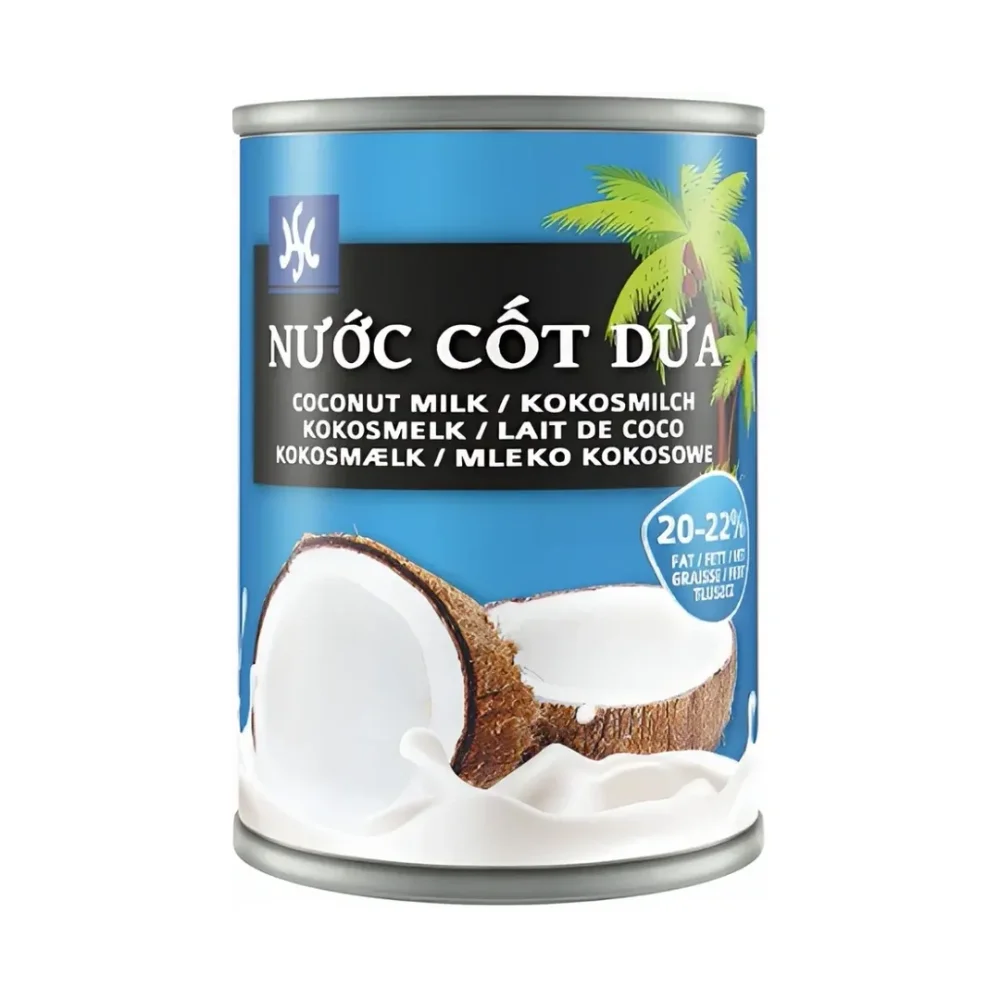
If you want to start with a “fuller” type for cooking, a practical example is H&S coconut milk 20–22% – the high fat content here helps precisely with creaminess and body of the sauce.
Coconut cream: when you want thicker curry or dessert without long reduction
- thicker curry
- rich desserts
- creams and puddings
- recipes where you want a strong coconut character
- situations where you don’t want to reduce the dish for a long time
Light coconut milk: when coconut should be just a background
- lighter soups
- less fatty drinks
- recipes where coconut should only form a supporting layer
Two quick “home” scenarios: curry and coconut rice
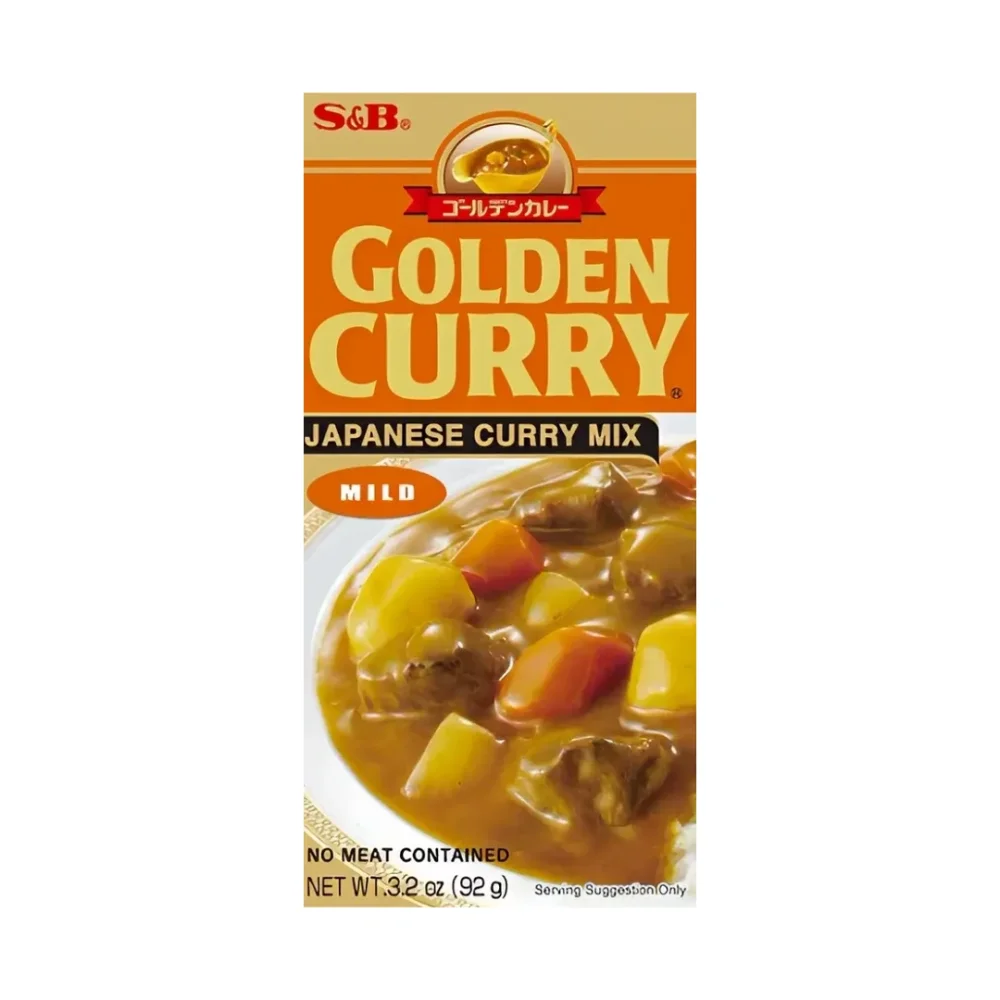
- Quick curry: when working with a ready-made curry base (for example S&B curry seasoning paste), coconut milk is usually the most straightforward way to get a sauce that is still quite liquid but creamy.
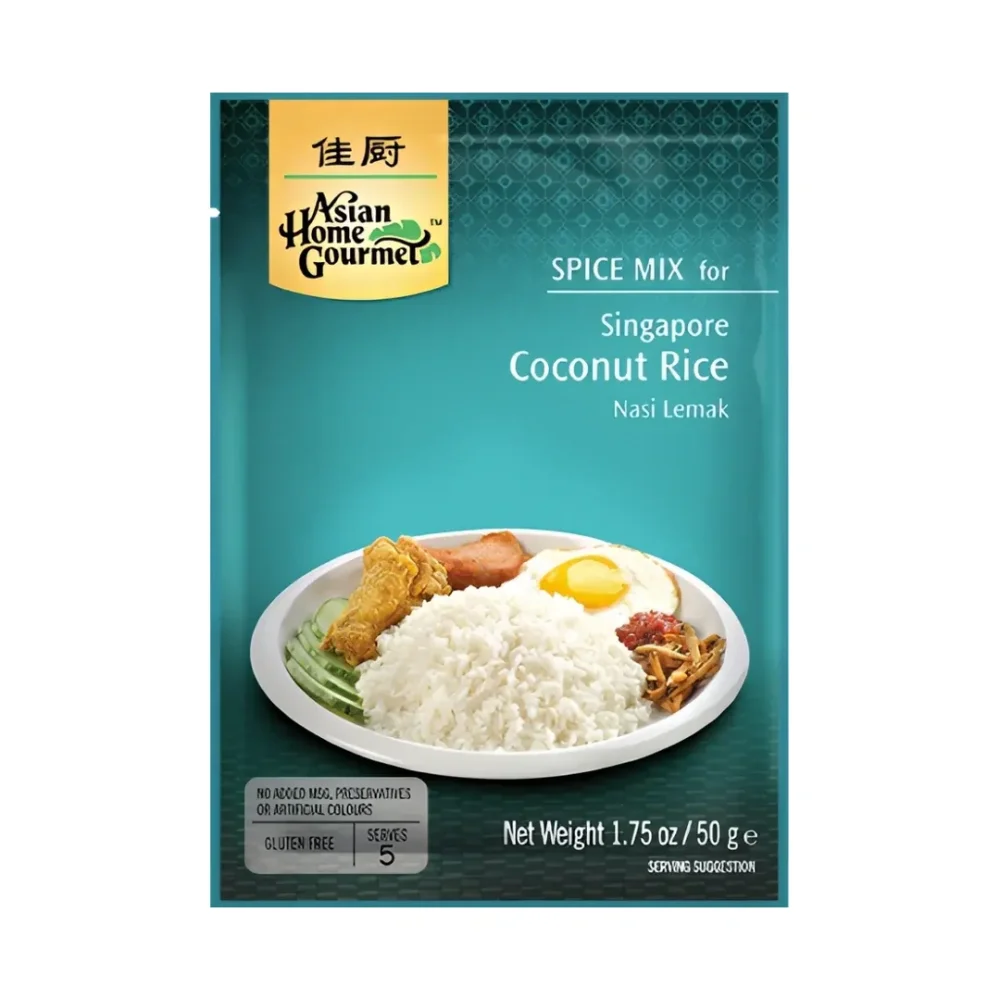
- Coconut rice: for dishes where coconut is cooked directly with rice, coconut milk often makes more sense (because of the water absorbed). For a flavor "kick," seasoning pastes are also used, for example Nasi Lemak coconut rice paste.
How to (stress-free) substitute milk with cream and vice versa
The most common mistake is a blind 1:1 substitution without expecting a change in result. When you do need to substitute, treat it as working with density and water:
- Instead of coconut milk, you have coconut cream: start using cream carefully and adjust dilution gradually. Add water in small amounts (for example, several spoons at a time) until you approach the liquidity that coconut milk would normally have in the dish.
- Instead of coconut cream, you have coconut milk: expect the result to be less thick. Sometimes a short reduction helps (but it is not always desirable – it can shift flavor and texture). In desserts, consistency is often more important than “just making it work,” so it pays off to choose the type the recipe truly needs in advance.
How to choose coconut milk and cream based on the label (what to watch out for)
Coconut milk is a typical category where packaging easily confuses. In practice, it is worth following three rules: (1) know what you want the ingredient for, (2) choose the right type, not just the right category, (3) always read the label.
- Fat content and ratio of coconut component to water: for curry and richer dishes, the fuller type is often suitable; for drinks or lighter recipes, a milder variant may make sense.
- Stabilization and behavior after opening and heating: differences can be in how the milk separates and what final thickness it has.
- Base vs. flavored product: especially with “coconut creams,” check if it is not a sweeter dessert variant (added sugars can be seen in the composition).
Practical rule: don’t buy the “best” coconut product based on impression, but based on function. Many disappointments in home Asian cooking arise not because the ingredient is objectively bad, but because it was poorly chosen for the specific use.
Common mistakes and misunderstandings (curries, desserts, drinks)
- Swapping milk and cream 1:1 and the surprise that the dish is suddenly much thicker (or conversely more watery).
- The assumption that “coconut milk” is always one standard. Differences in fat content, thickness, and stabilization have a real impact on the result.
- “Coconut cream” as a name = automatically the same thing. For some products, it may be a culinary base, for others a dessert product. Without the composition and fat, you cannot guess.
- Light coconut milk in dishes where coconut should form the body of the sauce. It can be great in lighter soups but might feel flat and less "rounded" in curry.
- Underestimating texture in desserts. In Asian sweet dishes, texture often decides; therefore, typical mistakes include swapping coconut milk and coconut cream (similarly to confusing various starches or gelling agents).
What to take from the article
- Coconut milk is more versatile for curries, soups, more liquid sauces, coconut rice, and drinks.
- Coconut cream is thicker and fattier – gives a quick creamy, rich result and is suitable for thicker curries and for desserts, creams, and puddings.
- Concentrated and “creamy” products can differ greatly; names are not always consistent, so the label (fat, composition, possible sugars) decides.
- The most common mistake is swapping milk and cream 1:1 without adjusting thickness; when substituting, adjust water and consistency gradually.

Read next
If you want to explore this topic further, continue with these related blog guides and articles:
