


 Česky (CZK)
 Slovensky (EUR)
 Deutsch (EUR)
 Austria
 Belgium
 Bulgaria
 Croatia
 Denmark
 Estonia
 Finland
 France
 Germany
 Greece
 Hungary
 Italy
Italy Latvia
 Lithuania
 Luxembourg
 Netherlands
 Poland
 Portugal
 Romania
 Slovenia
 Spain
Spain Sweden










How to choose coconut milk: fat, consistency, and the right type for curry, soups, and desserts
Coconut milk is one of the most important ingredients of tropical Asia – in Thai curries, soups like tom kha, Filipino dishes called "ginataan," but also in various desserts. At the same time, it is a category where significantly different products are sold under the same name. In practice, it is often not that the recipe "doesn't work," but that you have chosen the wrong type (or too thin a variant) for the specific dish.
Why choosing coconut milk determines the outcome
Coconut is among the most versatile ingredients of tropical Asia – and it is not just one ingredient but a whole family of products that differ in taste, texture, fat content, and use. From one fruit, you can get coconut water, coconut milk, coconut cream, concentrated coconut cream, coconut oil, and other products.
With coconut milk, it is crucial to understand one practical thing: fat carries a large part of the coconut flavor and creamy texture. Therefore, the difference between “full” and “thin” coconut milk in curry or soup can be huge. The thinner variant may create a white base, but it often feels watery and less "rounded."
🌶️ What is coconut milk (and why it often separates into two layers)
Coconut milk is made from the white flesh of a ripe coconut. The flesh is crushed, pressed, and extracted with water or without it. The result is a white emulsion with fat, a gentle sweetness, and a distinct coconut aroma.
For shelf-stable products (typically cans or cartons), it is common that over time it separates into a thicker fatty part and a more liquid bottom layer. This in itself is not a defect – it is often the natural behavior of coconut fat in the emulsion. In the kitchen, it is usually resolved simply: by stirring, shaking (if the packaging allows), or gradually mixing it into the sauce while heating.
Types of "coconut milk" you might encounter and how they differ
Names on packages can be misleading. The most important thing is not just to deal with "coconut," but what role the product has in the dish: does it provide body and creaminess, or just a light coconut background?
Coconut milk (common cooking base)
The most universal choice for most savory dishes: Thai curry, soups, sauces, but also cooking rice or legumes with a coconut touch. In this category, individual products can vary dramatically: some are thick and full, others significantly thinner.
Coconut cream (when you want more body without long reduction)
Coconut cream is thicker than regular coconut milk. Practically, it is suitable where you want a stronger coconut character and creaminess without having to reduce the sauce for a long time: thicker curries, rich desserts, creams, and puddings.
Concentrated coconut cream and coconut cream
Concentrated coconut cream makes sense when you need a high intensity of coconut and minimal water – that is, the most "coconut power" in a small amount of liquid.
Regarding the term coconut cream extra caution is needed: it can be purely a culinary product, but also a product aimed at the dessert range. Without reading the label, it cannot be automatically recognized.
Light coconut milk (lighter variant, but with limits)
Light coconut milk is a variant with a lower fat content. It is made either by separating the thicker fatty component or by additional dilution. It is practical for lighter soups, smoothies, and drinks, diet modifications, and recipes where coconut should not dominate.
For full-fat curries, rich sauces, or strong desserts, it is often too weak. A common disappointment in home cooking is when someone uses the light version in a dish where coconut is supposed to be the base – and the result lacks depth. This is not necessarily a recipe error, but rather that fat in coconut products carries both flavor and texture.
How to read the label: what to watch for to buy the right type
Packaging can look similar, but the real difference is usually in fat content, density, stabilization, fat separation, and especially suitability for curry, desserts, or drinks. "Choosing well" for Asian ingredients generally does not mean blindly picking the most expensive or most eye-catching packaging – it means understanding the function of the ingredient and checking what you are really buying.
1) First, clarify what you need coconut milk for
- Curry and richer sauces: usually a fuller, fattier type works – it should carry the flavor and body of the dish.
- Soups: depends on the style. For creamier soups (e.g., tom kha), you usually appreciate a fuller base, while a lighter variant may make sense for lighter soups.
- Desserts: you take care not only of the flavor but also of the consistency; often cream or fuller milk is suitable.
- Drinks and smoothies: a lighter variant may be practical if you don't want a strong fat content.
2) Watch the fat content and "coconut component"
For shelf-stable products, a very good guide is precisely the fat content and composition. Generally, fuller coconut milk (with a higher proportion of coconut component or fat) behaves more distinctly and "roundly" in food.
3) The shorter and clearer the ingredients list, the easier the orientation
One practical quality guide is a shorter and more understandable ingredients list. At the same time, certain stabilizers may appear in coconut products – the important thing is mainly knowing what result you expect from the product and how it behaves after heating.
4) Separation of fat and liquid is not automatically a problem
Natural separation of the fat and liquid layer is not itself a defect. More important is whether the coconut milk tastes full after heating or remains "watery," and whether it actually carries flavor in the sauce or just acts as a white liquid without depth.
Practical choice according to the dish: coconut milk vs. cream vs. light
As a quick guide, there is a division according to what consistency and coconut intensity you want.
When to choose coconut milk
- common curries
- soups
- sauces that should stay more liquid
- cooking rice and legumes with a coconut tone
- drinks and smoothies
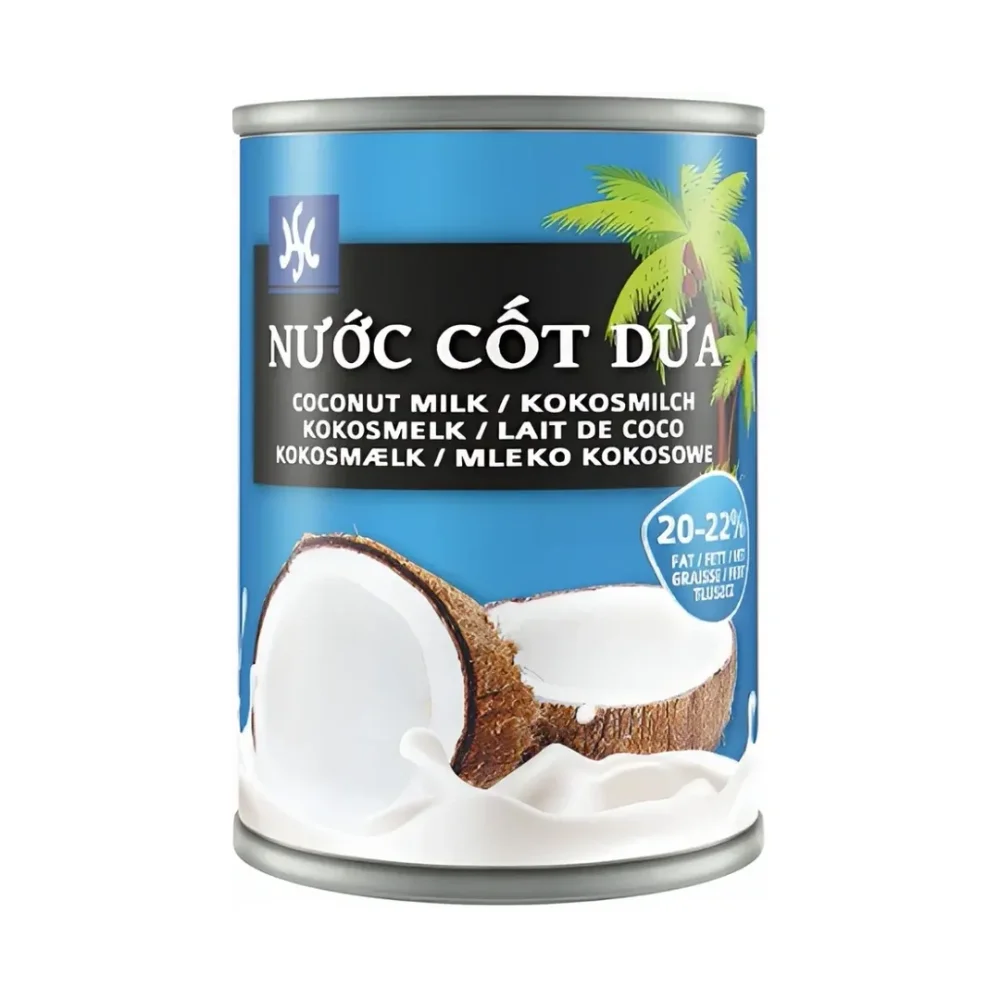
If you know you want a fuller result in curry or creamier soup, choosing a full-fat variant helps. A concrete example of a fuller type might be H&S coconut milk 20–22%which is aimed exactly at creamier use.
When to use coconut cream
- thicker curries
- rich desserts
- creams and puddings
- recipes where you want a strong coconut character
- situations where you do not want to reduce the dish for a long time
When light coconut milk makes sense
- lighter soups
- less fatty drinks
- recipes where coconut should only form a background
How to quickly check at home that you chose correctly
- After heating, the flavor should be "round": if the sauce feels watery, the problem is often the too thin or "light" type.
- Coconut should carry something in the sauce: not only color but also structure and flavor.
- Consistency should match the dish: for curries and desserts, you usually appreciate a fuller base than for drinks.
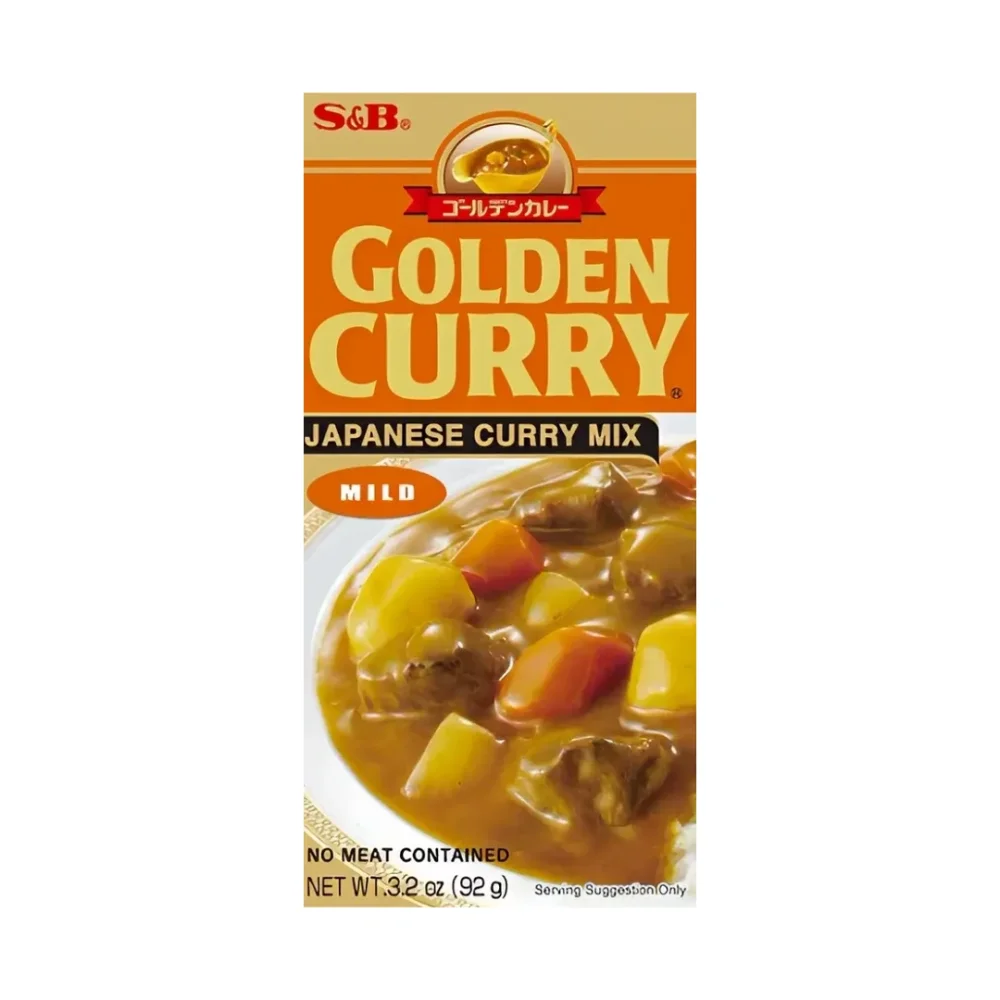
If you are starting with curry and want to save yourself the trouble of mixing spices, it makes sense to combine coconut milk with a ready curry paste – for example, S&B curry seasoning paste. It is important to realize that even a great paste will be "flatter" in the result if you drown it in too thin a coconut base.
💡 What to watch out for: most common mistakes and how to fix them ⚠️
Mistake 1: "Coconut milk is always the same"
It isn’t. Differences in fat content, density, and composition are fundamental. That’s why it’s good to choose the type according to the dish: smoothies have different needs than curry or desserts.
🍳 Mistake 2: Using the light version in a dish where coconut should be the base
Typically in rich curries, sauces, and strong desserts. If a dish lacks depth, switching to a fuller coconut milk or cream often helps – rather than adding "something else" to fix the flavor.
Mistake 3: Fear of separated fat layer
Separation into thick and liquid layers is natural in coconut products. Do not judge quality only by appearance after opening; more important is taste after heating and how the product behaves in the sauce.
Mistake 4: Confusing coconut milk, cream, and "coconut cream" without reading the label
Coconut cream is not the same as coconut milk (different density), and coconut cream can be either culinary or dessert product. When the recipe depends on coconut flavor and texture (curries, creams, puddings), choosing precisely pays off.
Mistake 5: Trying to "somehow" replace coconut when it is key in the dish
When substituting, it is important not to replace the name but the function. If the recipe needs coconut mainly for creaminess and it is only one component of a wider sauce, sometimes you can improvise. But when coconut forms the backbone of flavor and body (typically curries and desserts), substitutes like "water with coconut aroma" will not replace fat or texture. And even if dairy cream adds creaminess, it shifts the dish into a different flavor style.
Mistake 6: Underestimating storage after opening
Coconut milk and cream do not degrade dramatically after opening, but they are prone to spoilage. Practical rules: after opening, transfer to the refrigerator, work cleanly, and do not leave the product long in the original opened can (if the manufacturer recommends pouring). And again: fat separation does not have to mean a problem – more important are the smell, taste, and overall condition.
What to take away from the article
- Coconut milk is not one standard: it differs in fat, density, and behavior when heated.
- For curries, rich sauces, and desserts a fuller type usually makes sense; the light variant is rather for lighter soups and drinks.
- Separated fat layer is natural and itself does not mean a defect.
- Read the label: coconut cream can be culinary or dessert, and you can’t tell without ingredients.
- Store in cool and clean conditions after opening: coconut products are more sensitive than they appear.

Read next
If you want to explore this topic further, continue with these related blog guides and articles:
