


 Česky (CZK)
 Slovensky (EUR)
 Deutsch (EUR)
 Austria
 Belgium
 Bulgaria
 Croatia
 Denmark
 Estonia
 Finland
 France
 Germany
 Greece
 Hungary
 Italy
Italy Latvia
 Lithuania
 Luxembourg
 Netherlands
 Poland
 Portugal
 Romania
 Slovenia
 Spain
Spain Sweden










Mochi, grass jelly and other desserts with a "different" texture: how to understand them and what to expect
For many Asian desserts, the main point is in the texture – whether the bite is elastic, jellied, pearly, smooth, or icy. In this guide, you will get oriented in mochi, agar jellies, grass jelly, and other "textural" sweets and learn how to taste and combine them so they make sense even without complicated preparation.
Texture as the main experience: why mochi and jelly desserts taste "different"
In classic European desserts, taste often decides mainly (chocolate, butter, cream) and baking technique. In many Asian sweets, it is equally important (and sometimes even more so) how the dessert feels in the mouth: whether it is elastic, sticky, chewy, jellied, smooth, icy, or layered.
This is why a dessert may have a delicate, subtle flavor and yet be "fun" – because the main effect is made by texture and contrast (for example gel + milk, or elastic mochi + tea). At the same time, it is also the most common source of misunderstanding: something a European might describe as "rubbery" may be, in that context, exactly the right, expected property.
Asian desserts do not form one uniform style – alongside Japanese delicate sweets are Chinese and Southeast Asian bowls with jelly, ice, fruit and syrups or modern urban desserts with tapioca, tea and milk. Common is the extensive use of rice, coconut base, starches and gelling.
If you want to quickly understand "what is what", a category can also serve as a crossroad Sweets and desserts.
What exactly does "dessert with a different texture" mean: three building materials (rice, agar, starches)
For a beginner, it is useful not to focus first on the names of all specific desserts, but understand what the texture is typically "built from". In practice, three materials keep coming back:
- Rice and glutinous rice flour – create elasticity, stickiness and chewiness. This includes mochi and other rice cakes, but also sticky rice in desserts.
- Agar (often called "kanten" in a Japanese context) – a gelling agent from red algae. It gives cleaner, firmer and fairly "clear" gels and behaves differently than gelatin. It suits fruit and coconut jellies or dessert layers.
- Tapioca and other starches – tapioca is a starch from manioc (cassava). In desserts, it creates a translucent, elastic or "pearl" texture and is often combined with milk, coconut base, fruit or tea.
This view is practical also when tasting: when you know something is based on sticky rice, it makes sense to expect elasticity; on agar, more of a firm gel; on tapioca starch, pearls or slippery texture.
From mochi to grass jelly: the most common textural desserts and how they differ
Mochi and the "elastic" family of rice sweets
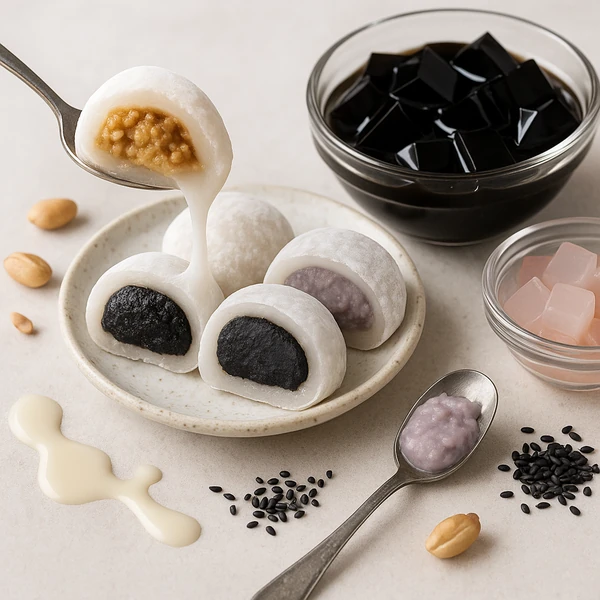
Mochi is a Japanese rice sweet made from glutinous rice. Traditionally it is prepared from the variety mochigome, which is steamed and pounded into an elastic mass; today you also commonly encounter versions made from flour mochiko or shiratamako. The specific rice and technique are the reason why mochi typically has an elastic to "rubbery" texture – and why this is not a flaw, but intention. Mochi is also strongly connected with tradition and holidays in the Japanese context (often linked to the Japanese New Year and the traditional pounding of rice).
In practice, it is good to distinguish several terms that often get lumped together in common speech:
- traditional mochi – the basic rice mass (various shapes and uses),
- daifuku – mochi with filling (often red bean paste "anko"),
- ice cream mochi – modern variant with ice cream,
- warabi mochi – a different dessert than classic mochi: made from starch and with a more jelly-like texture.
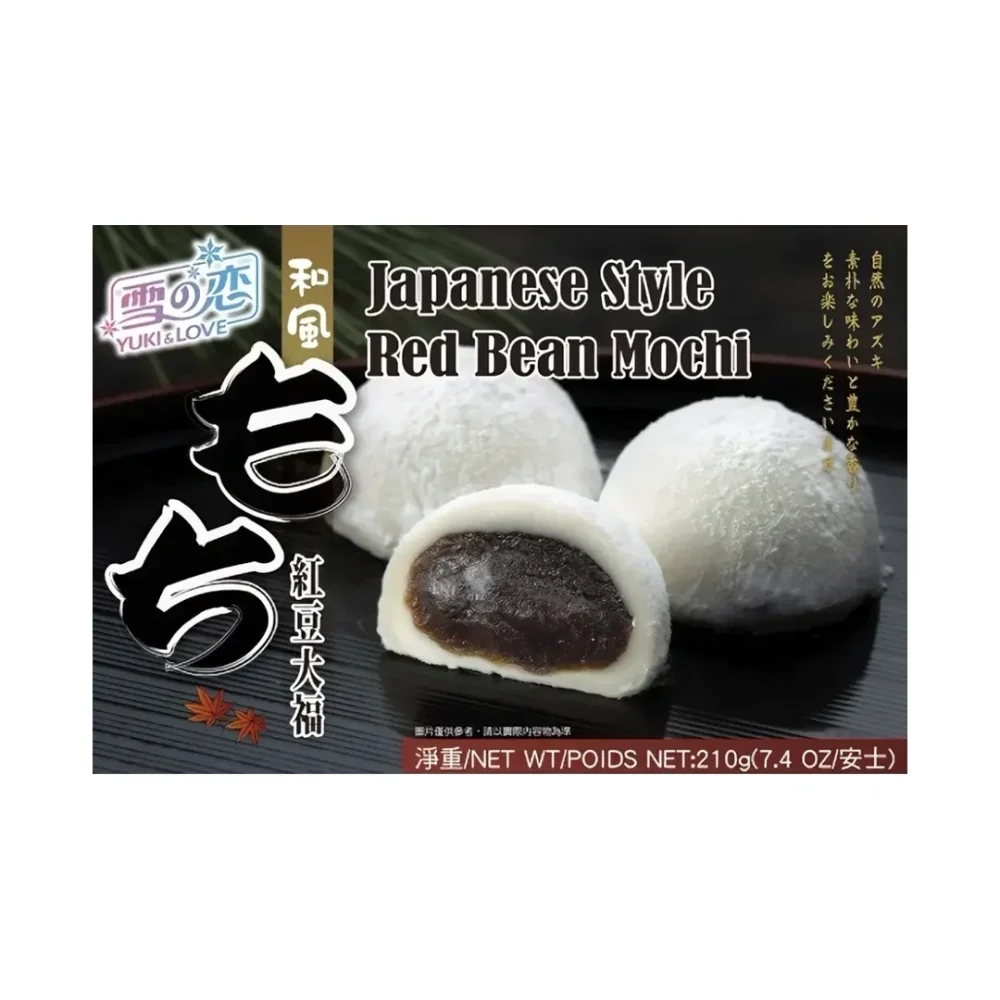
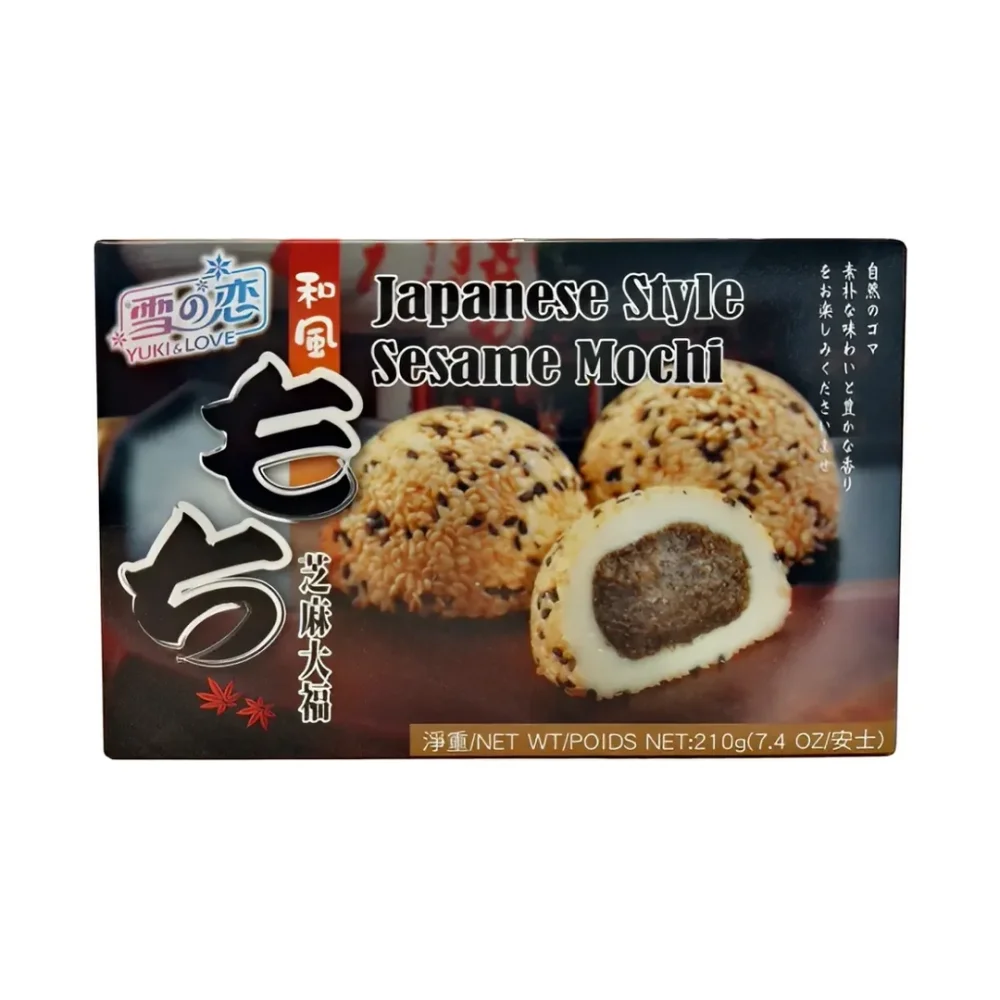
If you want to start with ready-made mochi and compare how different fillings work with elastic dough, you can try mochi cakes with red bean filling (a typical combination with bean sweetness), or a more pronounced "nutty" line like sesame mochi. A gentler, sweeter variant is mochi with taro filling (taro is a different ingredient than ube; they are not the same).
Another crossroad purely for mochi is the category Mochi.
Agar (kanten): firm, clear jelly without gelatin
Agar-agar is a gelling agent obtained from red algae. In desserts, it is important because it creates a firmer and "cleaner" gel – often one that holds shape and can be easily sliced. Compared to gelatin it behaves differently and is plant-based. In the Japanese context, agar is often referred to as kanten.
Where you typically encounter agar texture:
- fruit jellies,
- coconut jellies,
- top layers and "cuts" of desserts,
- traditional Japanese and broader Asian sweets.
If you like in an Asian dessert mainly the precise, cooling and firm jelly slice, it is quite possible that agar/kanten (or another type of gelling) plays a role – and it also explains why "it's not like European jelly."
Grass jelly: dark herbal jelly for refreshment and contrast
Grass jelly (dark herbal jelly) is popular mainly in the Chinese cultural sphere and Southeast Asia. It is valued for its cooling effect, slightly herbal taste and mainly for how it creates a contrast against:
- milk,
- ice,
- syrup,
- fruit.
Setting expectations is important: grass jelly usually is not a dessert based on intense sweetness. It often functions rather as a refreshing textural component in a bowl, drink or shaved ice desserts.
Tapioca and "pearl" texture: from bubble tea to sweet bowls
Tapioca comes from the starch of manioc (cassava). In the Asian sweet world, it is essential because it can create translucent, elastic and often "pearl-like" texture. In the same textural world are often placed also sago and various desserts and drinks where pearls are combined with tea, milk, coconut or ice (typically also in the context of bubble tea and urban desserts).
For orientation: this texture is not about "cream" or "sponge", but that small balls or pieces move in the mouth that slide and stretch. This is why it works so well in layers – when you put liquid (milk/tea), ice and pearls next to each other, each bite is a bit different.
🌶️ Pudding and smooth "jelly" texture: when you want something delicate
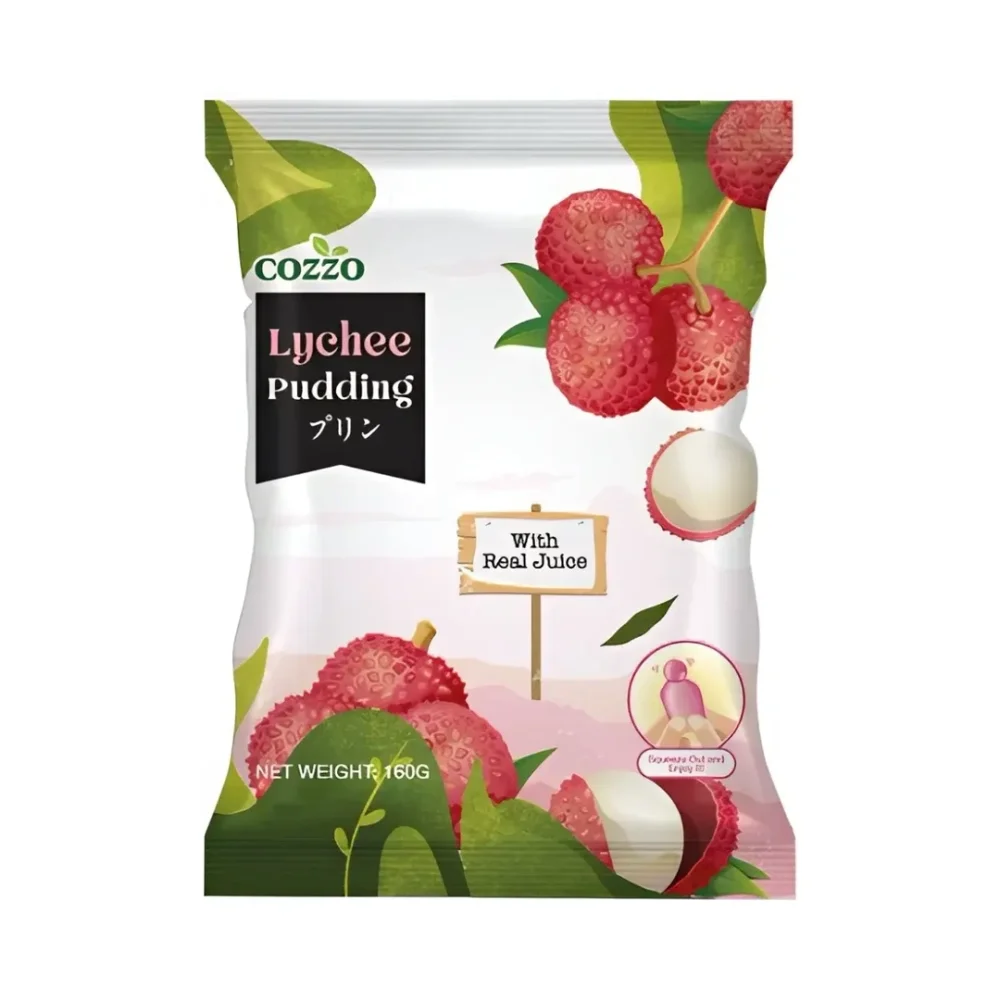
Besides chewy and pearly things, there is also a world of smooth, pudding-like and "jelly" desserts – often meant to be eaten chilled and function as a quick sweet snack. An example can be lychee-flavored jelly pudding, which is based precisely on smooth, delicate texture and fruity aroma.
Nata de coco: coconut gel as pieces for dessert cups
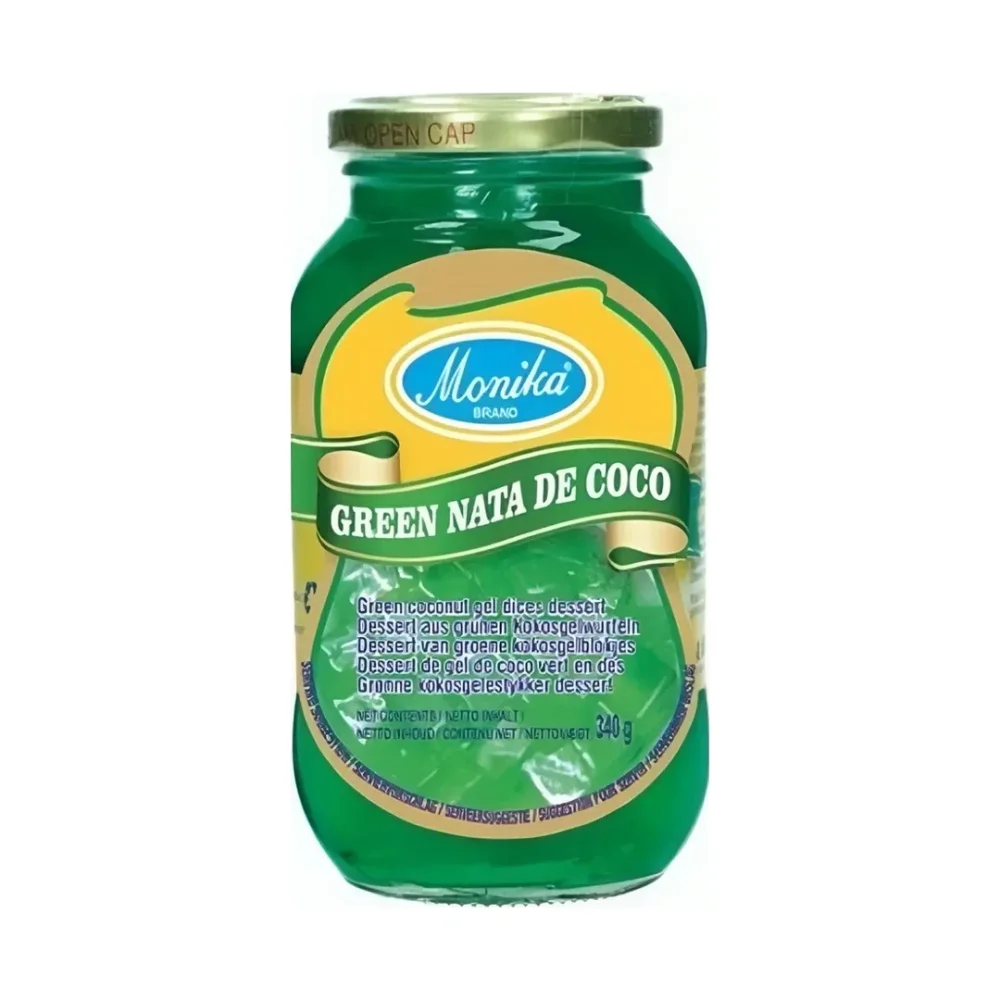
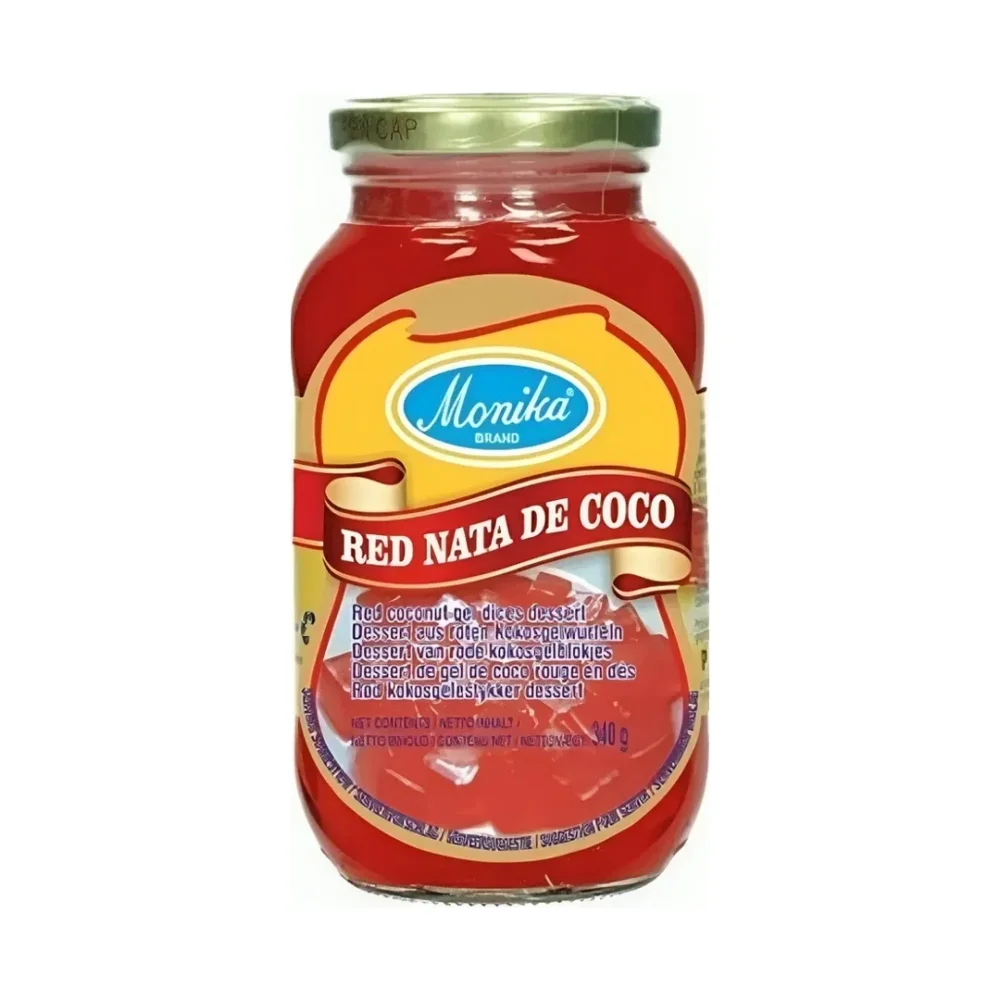
In the category "extra texture," there is also nata de coco – coconut gel in the form of elastic pieces added to desserts as a playful component. Typically it suits fruit salads, ice cream or dessert cups where besides creamy or icy component, you want something that "crunches"/bounces and holds shape.
As a practical example, you can try for instance Nata de Coco coconut gel (green) or Nata de Coco coconut gel (red) – both work mainly as "pieces" that change the impression of a normal cup.
🍽️ How to start at home: a simple tasting plan and combinations that work
With textural desserts, it's worth thinking like composing a bowl: base + texture + aroma. You don’t have to cook anything complicated to understand the principle.
1) Start with two contrasting textures (and keep portions small)
- Elastic: mochi (small pieces, often with filling).
- Gel / jelly: pudding or nata de coco as "pieces" in a cup.
Mochi tends to be filling – it is normal to start with one or two pieces and mainly notice how the dough behaves when chewing (it bounces, holds together, it is not "cake dough").
🌶️ 2) Play with temperature: what is better chilled and what tolerates room
Many textural desserts stand on the contrast of temperatures. Grass jelly typically functions as a refreshing component with milk, ice or fruit, and similarly the "jelly" puddings mostly make sense chilled. Mochi is often best when soft and elastic, not hard and cold.
3) Dose sweetness only at the end (especially with grass jelly)
With desserts like grass jelly, it is good to count on the fact that the main role is in texture and cooling impression, not sugar. If you compose a bowl "for testing" at home, add the sweet component gradually (syrup, fruit) and always taste if you have not already overwhelmed the gentle herbal note.
4) If you want to understand "rice" texture, reach for sticky rice
One of the most important dessert lines across Asia is the combination of rice and coconut: rice provides body, coconut softness and fullness, the sweet component connects it, and the contrast (fruit, salt, sesame, bean paste) "lifts" it. If you like compact, cohesive rice texture, the basic ingredient is usually sticky rice – for example sticky rice (typical also for Thai and other Asian use, where rice should hold together).
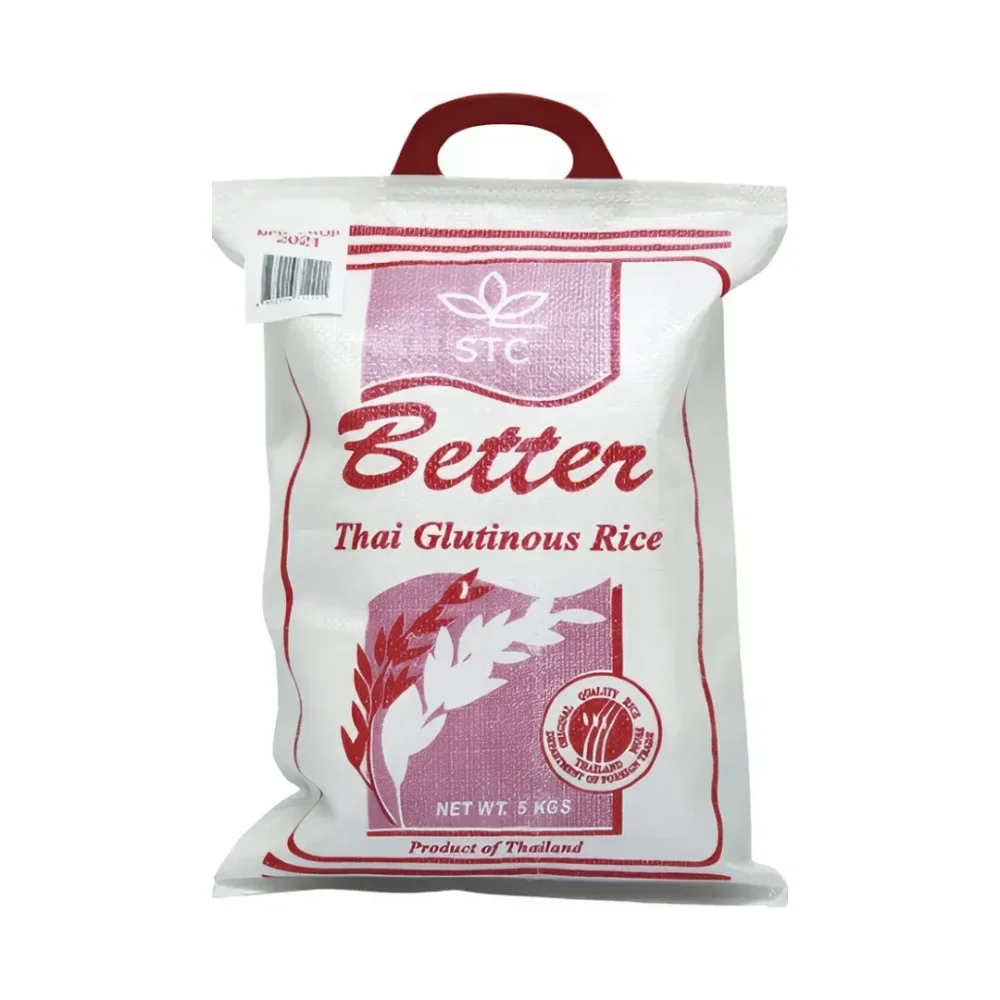
You don’t have to make a specific recipe right away: even just tasting sticky rice (compared to regular loose rice) will tell you a lot about why some desserts aren’t "creamy" but compact and chewy.
5) Coconut milk vs. coconut cream: a small detail that changes texture
In coconut and milk-based desserts, it makes a huge difference whether the base is more watery or thick. Coconut cream is more concentrated and fattier than coconut milk, so it gives more creaminess and often a thicker result. A common mistake is to treat them as interchangeable 1:1 without expecting a texture change: with cream the dessert will be fuller and thicker, with milk it may seem watery.
Tip for orientation when choosing: watch whether you are buying a purely culinary coconut base or a sweetened “dessert” product – and whether you want lightness or velvety fullness.
💡 What to watch out for: common mistakes and misunderstandings around textures
“That’s rubbery” vs. “it’s supposed to be elastic”
The most common mistake with mochi is expecting it to be like a baked pastry. Mochi is supposed to be elastic and slightly chewy; it is made from sticky rice (not wheat gluten) and its texture is culturally expected.
Confusion between mochi and warabi mochi
“Warabi mochi” sounds like mochi, but it is a different type of dessert: it is made from starch and has a more gel-like structure. If you expect classic elastic rice mochi, you might be surprised – and vice versa.
Agar is not gelatin: it behaves differently
With agar jellies, it's good to keep in mind that agar gives a firmer, cleaner gel and behaves differently than gelatin. When you expect a “jiggle,” you might instead get a clean cut. This is not a mistake, but a material property (and a reason why agar is widely used in Asian sweets).
Grass jelly is not primarily about sugar
If you try to make grass jelly a “very sweet jelly,” you easily overshadow what people enjoy about it: coolness, a subtle herbal flavor, and contrast to milk/ice/fruit. Sweetness is often more of an accompaniment.
Confusing coconut milk and cream without adjusting expectations
In coconut-based desserts (puddings, creams, coconut jellies), the difference between milk and cream is crucial. When you swap one for the other, you change the texture – sometimes a lot. If you want the same impression, a simple swap without adjustment is not enough.
What to take away from the article
- In many Asian desserts, texture is as important as taste – sometimes it is even the main point.
- For orientation, it helps to think about three “materials”: sticky rice (elasticity), agar/kanten (firm gel) and starches like tapioca (pearls, slippery texture).
- Mochi is supposed to be elastic and chewy; daifuku is mochi with filling and warabi mochi is a different, starch-based type of dessert.
- Grass jelly often acts as a refreshing component in bowls and drinks – it’s not necessarily a “very sweet” thing.
- Start by tasting small portions and build contrast: elastic + gel, smooth + pieces, temperature + ice.

Read next
If you want to explore this topic further, continue with these related blog guides and articles:
