

 Česky (CZK)
 Slovensky (EUR)
 Deutsch (EUR)
 Austria
 Belgium
 Bulgaria
 Croatia
 Denmark
 Estonia
 Finland
 France
 Germany
 Greece
 Hungary
 Italy
Italy Latvia
 Lithuania
 Luxembourg
 Netherlands
 Poland
 Portugal
 Romania
 Slovenia
 Spain
Spain Sweden










Rose water
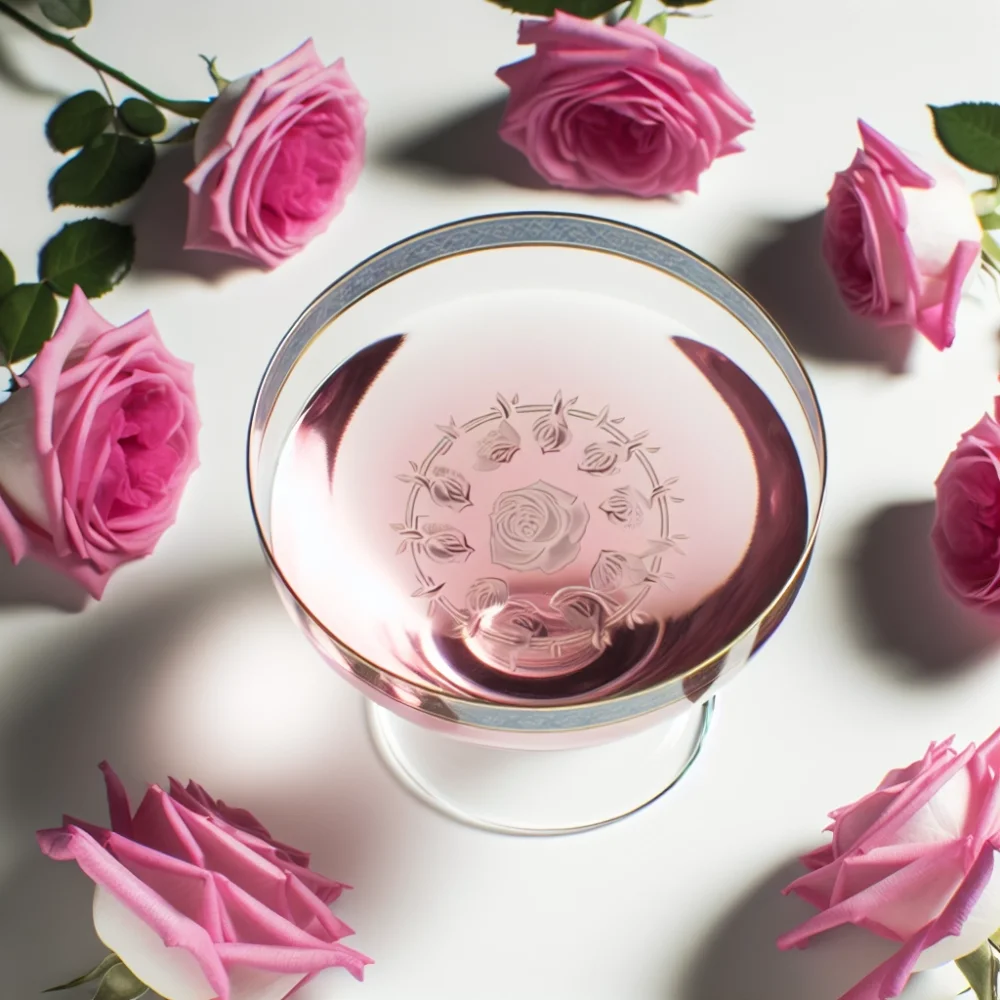
🌹 Rose water: floral aroma for desserts, drinks and elegant finishing touches
Rose water is a fragrant ingredient with a clean, floral and gently sweet aroma. In many Asian and Middle Eastern-inspired sweets it plays a role similar to citrus zest or vanilla: it does not become the main flavor, but lifts the scent and makes desserts feel refined. It shines most in milk-based desserts, syrups and chilled drinks where the aroma stays vivid.
Asian ingredients available at Asian Food Shop
💡 Note: With rose water, less is more. Too much can taste perfumey. Start with a few drops and adjust at the end.
🕰️ Origin and background
Rose water has a long history in Persian and broader Middle Eastern food traditions, later spreading into South Asia and parts of Southeast Asia. It is commonly used in sweets, syrups and festive drinks, often alongside milk, nuts, saffron or cardamom.
Quick insight
Many classic recipes add rose water at the very end. The reason is simple: the key effect is aroma, and long boiling can make it fade quickly.
🧪 Types and what to look for
Rose water is typically a hydrosol from distilling rose petals. In practice, products vary mostly in intensity, so it is worth dosing gradually.
- intensity some bottles are potent and work best drop by drop
- ingredients simpler is usually better
- best use chilled drinks and creams highlight the aroma
👃 Flavor profile
- 🌹 expressive floral fragrance
- 🍬 softly sweet impression
- 🥛 excellent with dairy and coconut desserts
- 🍋 a small acidic touch can brighten sweetness
✅ Tip: A pinch of salt or a gentle tang often makes the floral note cleaner and rounder.
🍳 Best ways to use rose water
🍮 Creams, puddings and dessert cups
Add rose water after cooking or off the heat so the aroma stays fresh.
🧁 Syrups and finishing touches
It works beautifully in simple sugar syrups drizzled over desserts. Small amounts go a long way.
🧋 Chilled drinks
Rose water turns a simple milk drink into a festive one. It also pairs wonderfully with coconut milk from Coconut milk.
🍧 Texture boosters
Tapioca and nata de coco add playful texture and help the aroma feel more “dessert-like”.
🫶 Nutrition context
Rose water is used in small amounts as a flavoring. Practically, a strong aroma can make desserts feel fuller even with less sugar. If you are sensitive to floral notes, increase the dose slowly.
✅ How to choose rose water
- aroma pleasant floral, not harsh
- dosing start low and adjust at the end
- use best in cold drinks and creams, less ideal for long boiling
- storage keep cool after opening and use clean utensils
💡 Practical: Rose water usually “settles” best with a creamy base, a pinch of salt and a textural element.
🛒 Product pairings that work especially well with rose water
- Chaokoh Coconut milk 18% 250 ml creamy base for drinks and dessert cups
- Thai Dancer Tapioca pearls 454 g great for puddings and dessert cups that carry aroma well
- Monika White coconut gel Nata de coco 340 g chewy cubes that add texture to sweet bowls and drinks
🍨 Recipe: Rose coconut dessert cup with tapioca and nata de coco
Creamy coconut milk, gentle rose aroma, tapioca for texture and nata de coco for a light, chewy finish.
Ingredients
- coconut milk 400 ml
- tapioca pearls 60 to 80 g
- rose water 1 to 2 tsp, depending on intensity
- sugar 1 to 2 tbsp, to taste
- pinch of salt
- nata de coco 3 to 5 tbsp
- ice or well chilled glasses
Method
- Cook tapioca pearls according to the package. Let them sit briefly, then rinse to remove excess stickiness.
- Warm coconut milk with sugar and a pinch of salt, just until the sugar dissolves.
- Stir in the cooked tapioca.
- Remove from the heat and add rose water. Taste and adjust with a few drops if needed.
- Divide nata de coco into glasses, spoon in the rose tapioca and serve well chilled.
✅ Tip: If the floral note feels too strong, a pinch of salt or a gentle tang can soften it without removing the aroma.

Read next
If you want to continue with the same topic, here are more related articles to explore: