

 Česky (CZK)
 Slovensky (EUR)
 Deutsch (EUR)
 Austria
 Belgium
 Bulgaria
 Croatia
 Denmark
 Estonia
 Finland
 France
 Germany
 Greece
 Hungary
 Italy
Italy Latvia
 Lithuania
 Luxembourg
 Netherlands
 Poland
 Portugal
 Romania
 Slovenia
 Spain
Spain Sweden










Ginger
🫚 Ginger: the warming root that wakes up wok, tea, and marinades
Ginger is a flavour “wake-up call”. When a sauce feels heavy, a broth tastes flat, or a marinade lacks sparkle, ginger flips the switch: it warms, cuts through fat, lifts aroma, and makes food taste more alive. In Asian cooking it’s one of the most reliable moves — perfect for wok stir-fries, soups, dressings, tea, and as a pickled side.
Asian ingredients for everyday cooking are available at Asian Food Shop.
💡 Tip: Want lighter flavour without adding sourness? Ginger often does the job. Vinegar handles acidity; ginger handles energy and aroma.
🕰️ History and origin
Ginger has been used across Asia for centuries — from China and India to Southeast Asia, Korea, and Japan. In the kitchen it’s not “just a spice”: it’s a multi-purpose flavour tool that plays beautifully with soy sauce, sesame, chilli, garlic, sugar, and vinegar — the backbone of many Asian sauces.
What makes ginger special is its dual nature: it can be punchy and fragrant at the same time. And the form you use matters a lot.
🧪 Forms and types: what to use when
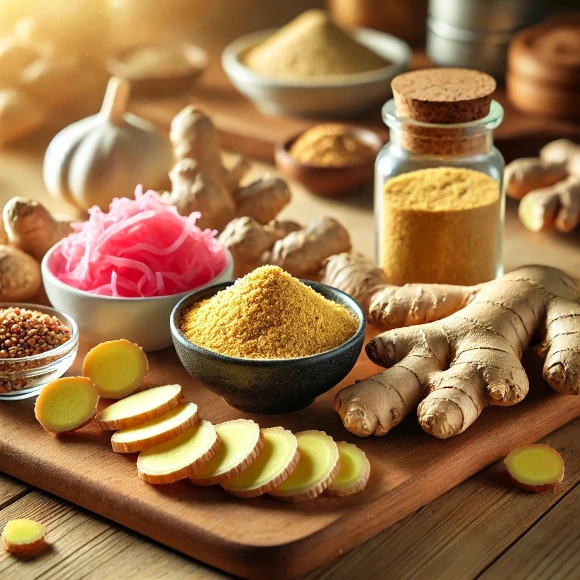
You’ll meet ginger in a few common pantry forms:
- Fresh ginger — brightest aroma and the “juicy” zing; great for stir-fries and soups.
- Ground/dried ginger — warmer, deeper spice profile; great for marinades, baking, and spice blends.
- Ginger paste — fast ginger without grating; excellent for sauces, dressings, and quick marinades.
- Pickled ginger — milder, sweet-sour; classic as a side (sushi), also great in bowls and salads.
- Ginger tea / tea concentrate — a one-minute comfort drink; also surprisingly useful in glazes.
For easy browsing, ginger shows up most often in: Spice, Teas, Sauces & pastes, and pickled options under Vegetables.
👃 Flavour profile
- 🔥 warming heat (not the same as chilli heat — more “glow” than “burn”)
- 🍋 a light citrusy lift in fresh ginger
- 🌰 deeper warmth in ground/dried ginger
- ⚡ a natural ability to lift sauces and cut fatty richness
✅ Tip: In hot cooking, use ginger twice — a bit early for depth, and a tiny touch at the end for brightness.
🍳 How to use ginger in cooking
🥘 Wok stir-fries
Classic base: oil + garlic + ginger, then protein/tofu and vegetables. Ginger is the aromatic starter. It pairs naturally with soy sauce and a few drops of sesame oil.
🍜 Soups and broths
A few slices in ramen-style broth, pho-inspired soups, or quick miso soups makes the flavour feel cleaner and fresher. For balance, ginger often works best with a touch of sweet and a touch of acid.
🥗 Dressings, marinades, and glazes
Ginger shines in fast dressings: soy sauce + ginger + vinegar + sweet + oil. Use it for cucumber salads, tofu, chicken, shrimp, salmon, and roasted vegetables. You’ll typically pull from vinegars, sugar, and optionally chilli sauces.
🍣 Pickled ginger as a smart side
Pickled ginger isn’t “just for sushi”. It’s a quick sweet-sour accent that cleans the palate and works beautifully in bowls, sandwiches, and salads — especially next to richer foods.
☕ Ginger tea
Ginger tea concentrates are pure convenience: spoon into a mug, add hot or cold water, done. Bonus: the sweet-ginger profile also fits glazes and quick dressings when you want aroma and gentle sweetness.
🫶 Practical “benefits” in the kitchen
Ginger is traditionally loved for its warming feel and is commonly used in hot drinks and comforting foods. In everyday cooking it also helps you rely less on heavy seasoning: it lifts flavour, so sauces can taste vivid even with slightly less salt or sugar.
If you’re sensitive to strong spices (or you get reflux), start small and adjust gradually.
✅ How to choose and store ginger
- Fresh: look for firm pieces without soft spots; thinner skin often means fewer fibres.
- Ground: aroma matters most — if it smells dull, it will taste dull. Keep tightly sealed.
- Paste: ideal for speed; you want a bold ginger taste, not a watery one.
- Pickled: perfect ready-to-use side; store after opening as directed on the label.
- Tea: great as a fast comfort drink and a sneaky glaze ingredient.
💡 Tip: In dressings, add ginger in small steps. Fresh ginger is powerful — a little goes a long way.
🛒 Our picks
- T'best Ginger tea 500 g — a sweet, gently spicy one-minute drink; also great as a glaze/dressing base.
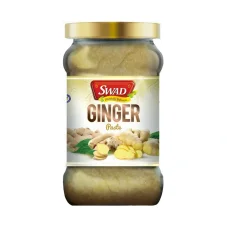
- Swad Ginger paste 300 g — ginger without grating: for wok bases, sauces, marinades, and dressings.
- Golden Turtle Chef Pickled ginger white 240 g — a ready side that refreshes the palate; great beyond sushi, too.
🥗 Recipe: Quick ginger–soy dressing / marinade (10 minutes)
One universal recipe for almost anything: cucumber salad, tofu, chicken, shrimp, salmon, roasted vegetables — and it can double as a quick wok sauce. It’s a stable flavour backbone you can push sweeter or spicier.
Ingredients
- soy sauce 3 tbsp
- rice vinegar (or another mild vinegar) 1–2 tbsp
- sesame oil 1 tsp
- ginger paste 1–2 tsp (or 1–2 tsp freshly grated ginger)
- sugar 1–2 tsp (or honey to taste)
- garlic 1 clove (optional)
- chilli sauce 1 tsp (optional)
- water 1–3 tbsp (to thin out)
Method
- Mix soy sauce, vinegar, sugar, and ginger (paste/fresh) until dissolved.
- Stir in sesame oil and optional chilli/garlic.
- Add water: more for a dressing, less for a marinade.
- Taste and adjust: too salty → a splash of water/sweet; too sweet → a bit more vinegar; not lively → a touch more ginger.
- Use immediately for salads; marinate 20–60 minutes for proteins; for wok, add at the end and toss briefly.
✅ Tip: For a “restaurant finish”, keep it slightly thicker and add sesame oil right before serving.

Recommended products12
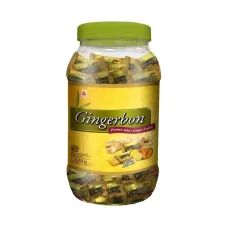
Agel Ginger Sweets with honey and lemon 620 g
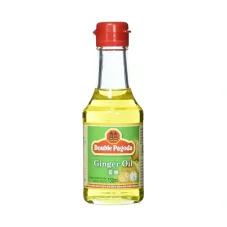
Ginger oil 150 ml
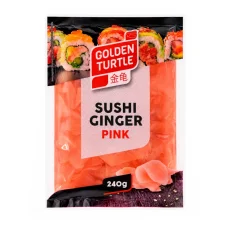
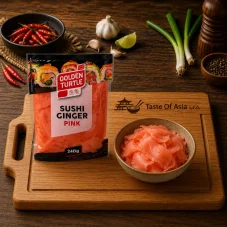
Golden Turtle Chef Pickled ginger pink 240 g
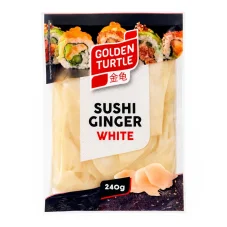
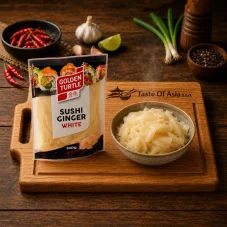
Golden Turtle Chef Pickled ginger white 240 g
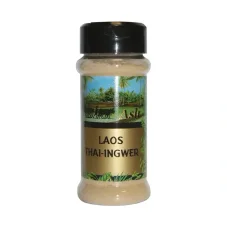
Asli Thai Ground Ginger 35 g
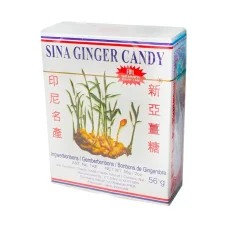
PT Sindu Ginger candies 56 g
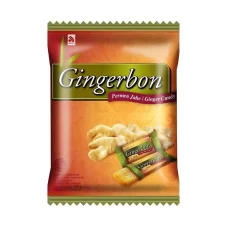
PT Agel Ginger candies 125 g
SWAD Garlic paste with ginger 300 g
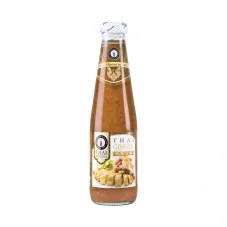
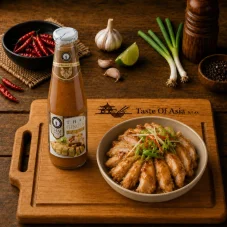


Thai Dancer Thai ginger sauce 300 ml
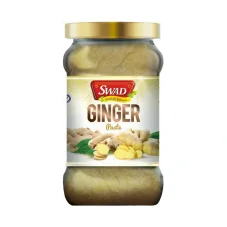
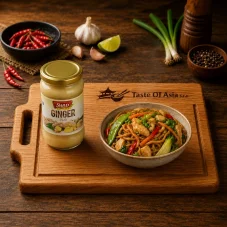
Swad Ginger paste 300 g
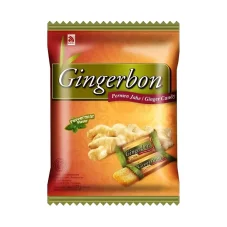
Agel Ginger Peppermint Candies 125 g
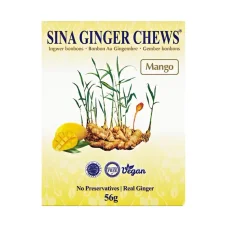
Sindu Ginger candies with Mango flavour 56 g
Read next
If you want to continue with the same topic, here are more related articles to explore: