Česky (CZK)
 Slovensky (EUR)
 Deutsch (EUR)
 Austria
 Belgium
 Bulgaria
 Croatia
 Denmark
 Estonia
 Finland
 France
 Germany
 Greece
 Hungary
 Italy
Italy Latvia
 Lithuania
 Luxembourg
 Netherlands
 Poland
 Portugal
 Romania
 Slovenia
 Spain
Spain Sweden










Turmeric
🟡 Turmeric: the golden spice that brings color, aroma, and depth
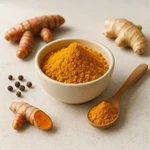
Turmeric is one of those unassuming powders that does a lot of heavy lifting. It looks simple, yet it can warm up a dish instantly, lift the aroma, and dye food a beautiful golden yellow. If you want curry to feel fuller, rice to look more interesting, and a marinade to carry a clear Asian signature, turmeric is an easy win.
Asian pantry essentials are available at Asian Food Shop
💡 Tip: Bloom turmeric briefly in oil first. 20 to 30 seconds over medium heat is enough and the aroma becomes noticeably stronger
🕰️ History and origin
Turmeric comes from the rhizome of Curcuma longa, native primarily to South Asia. In Indian cooking it is a foundational staple, and through trade routes it spread across Southeast Asia and beyond. In Thai, Malaysian, or Indonesian cooking it is used not only for color but because it can soften the sharp edges of chilli, add earthiness, and connect sweet, salty, and sour.
When you taste a good yellow curry or “golden” rice, turmeric and smart use of fat are often doing the quiet work in the background.
🧪 Processing, types, and what makes it work
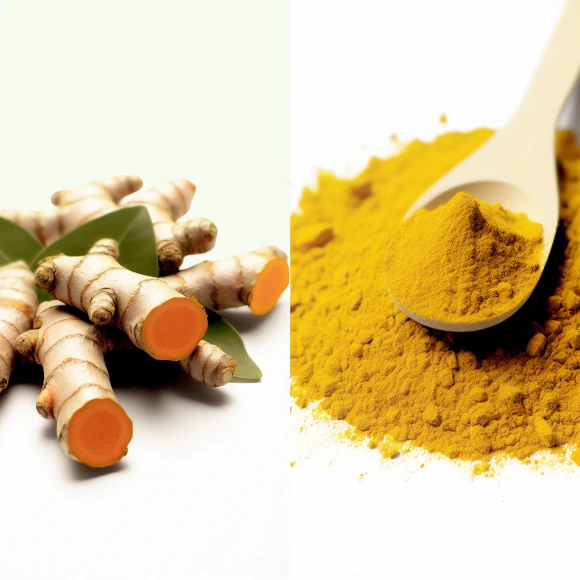
Turmeric is made from ginger like rhizomes. A typical process is cleaning, often briefly boiling or steaming, drying, and then grinding into a fine powder.
The turmeric formats you will meet in the kitchen
- ground turmeric is the everyday workhorse for cooking, marinades, rice, and sauces
- fresh rhizome can be more aromatic but requires grating and stains hands and boards quickly
- blends and pastes turmeric is a common base note in curry pastes and spice mixes where it brings color and earthy depth
For a well stocked pantry it helps to keep turmeric within Spice and if you cook curry often, it pairs naturally with Kari pastes.
👃 Flavor profile
- 🌿 earthy, warm, slightly woody
- 🍋 mildly bitter and dry in the finish
- 🟡 strong in color, more supportive in taste
- 🧈 works best with fat, such as oils or coconut milk
- 🧂 plays well with salt, garlic, ginger, and acidity
✅ Tip: Add turmeric in small steps. Half a teaspoon can be enough and too much may taste dusty and bitter
🍳 How to use turmeric in cooking
🍚 Golden rice that looks restaurant ready
A pinch of turmeric in rice delivers color and subtle aroma. It is especially good next to saucy dishes because the rice feels less plain. It works perfectly with Jasmine rice.
🍛 Curry, sauces, and coconut bases
Turmeric belongs to yellow curry profiles. It helps connect coconut milk and spices into a smooth sauce. If you cook creamy curry, the combination of turmeric and Coconut milk is a safe bet.
🔥 Marinades for grill, oven, or pan
Turmeric is excellent in marinades for chicken, tofu, or vegetables. A simple base is turmeric, garlic, a bit of salt, a touch of sugar, oil, and an acidic element. Then you just marinate briefly and grill or roast.
🍜 Wok and stir fry
In a wok, bloom turmeric in oil first, then add aromatics, and only then the rest. If you build quick sauces, a splash from Soy sauces can help balance the flavor.
🥣 Soups and broths
A small amount of turmeric also works in broths and soups, adding warmth without overpowering other ingredients.
🫶 Wellness notes
Turmeric is often discussed because of curcumin, which is widely researched. In everyday cooking, it is best treated primarily as a flavor tool. Its warmth can make sauces taste livelier so you may need less salt, and in fat rich dishes it feels rounder and more comforting.
If you are sensitive to bitterness, start with a smaller amount and adjust gradually.
✅ How to choose a good turmeric
- color and aroma good turmeric is intensely yellow and smells fresh and earthy, not stale
- grind a finer powder dissolves better in sauces and marinades
- packaging resealable packaging helps keep aroma
- usage a small pack is enough for occasional cooking, a larger pack makes sense for regular curry and marinades
- storage keep it dry and away from light. Turmeric absorbs odors and moisture
💡 Tip: Turmeric stains strongly. Gloves help, or rinse hands and boards right away with warm water and a little dish soap
🛒 Our picks
- Drana Turmeric Ground 25 g is ideal for trying turmeric in everyday cooking when you want fresh aroma without storing a big pack for long
- Drana Ground Turmeric 500 g is a practical choice if you cook curry, marinades, and golden rice regularly
- H&S Turmeric 1 kg is a large pack for kitchens where turmeric is used often, especially for curry sauces, marinades, and batch cooking
🍛 Recipe: Thai yellow curry with chicken and extra turmeric
Yellow curry is creamy, aromatic, and warming without having to be extremely spicy. Here turmeric brings color and earthy depth, while coconut milk rounds everything out.
Ingredients
- boneless chicken thigh fillets 500 g
- yellow curry paste 2 to 3 tbsp depending on strength
- coconut milk 400 ml
- turmeric 1 to 1.5 tsp
- fish sauce 1 to 2 tbsp
- sugar 1 to 2 tsp
- salt to taste
- oil 1 tbsp
- onion 1
- garlic 2 cloves
- potatoes 2 small
- lime 1 to finish
- water 100 to 150 ml depending on thickness
- jasmine rice for serving
Method
- Heat oil in a pan. Add yellow curry paste and fry for 20 to 30 seconds to release aroma.
- Add garlic and onion and soften briefly. Stir in turmeric so it blooms in the fat.
- Add chicken and sear quickly on all sides so it gets coated with the spiced base.
- Pour in coconut milk and a little water. Add potatoes. Simmer gently for 15 to 20 minutes until chicken and potatoes are cooked through.
- Season with fish sauce, sugar, and optionally a pinch of salt. The curry should taste balanced, not just salty or sweet.
- Finish with juice from lime, stir briefly, and serve with jasmine rice.
✅ Tip: For more turmeric impact without bitterness, add it in two steps. A little early into the oil and a small pinch right before serving

Recommended products1

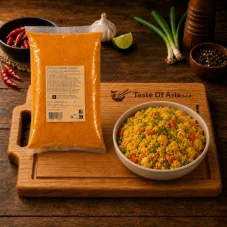


H&S Turmeric 1 kg
Read next
If you want to continue with the same topic, here are more related articles to explore: