


 Česky (CZK)
 Slovensky (EUR)
 Deutsch (EUR)
 Austria
 Belgium
 Bulgaria
 Croatia
 Denmark
 Estonia
 Finland
 France
 Germany
 Greece
 Hungary
 Italy
Italy Latvia
 Lithuania
 Luxembourg
 Netherlands
 Poland
 Portugal
 Romania
 Slovenia
 Spain
Spain Sweden










How to start with Indonesian cuisine: rice, sambal, kecap manis, and a few dishes that will teach you the most
Indonesian cuisine is not one "uniform" flavor, but a huge world of regional styles across the islands. The good news is that starting at home is surprisingly easy if you don't try to cook everything at once. In the article, we will show what is typical for Indonesia, how to recognize its flavor, what the most important differences are (including a brief orientation in island Southeast Asia), and how to choose your first ingredients and first dishes without unnecessary mistakes.
🌶️ What is typical for Indonesian cuisine (and why it is not just "a lot of chili")
Indonesian cooking can be recognized by several fixed principles that reoccur in various forms across regions. These principles are best understood first – and only then decide whether you're cooking "Javanese" or "Balinese" style.
- Rice as the center of the meal – often acts as the carrier on which the rest of the plate stands.
- Chili and sambal – spiciness is important, but the key is that sambal is not one thing, but a family of seasonings with different functions, textures, and "depth."
- Aromatic pastes as a start – many dishes begin by frying a spice base that creates aroma and color.
- Coconut and coconut milk – provide roundness and smoothness, but this does not mean everything has to be "coconut-flavored."
- Fermented seasonings – add saltiness and distinctiveness (important to perceive them as flavor tools, not just decoration).
- Tempeh and tofu as part of tradition – tempeh is not a "meat substitute," but a traditional ingredient with its own flavor and role in the cuisine.
Practically: Indonesian food is often not just "spicy." It is usually distinct, layered, and based on how the base (rice/noodles), sauce or paste, something fresh or crunchy, and table seasoning come together.
How to recognize Indonesian flavor on the plate
Indonesian flavor is often full and rounded, with a slightly sweet-salty line, into which enters chili sharpness and aromatic notes. Sometimes it is milder and coconutty, other times it feels smoky or “deep” due to fermented components. Compared to cuisines that rely mainly on fresh herbs or precisely balanced acidity, Indonesia is often more paste-like, richer and deeper.
The diversity of Indonesia: regions and two home styles by which you won't get lost
Indonesian cuisine is a broad collection of regional cuisines spread across a huge archipelago – the taste differs on Sumatra, on Java, on Bali, on Sulawesi, and on eastern Indonesia. For a start, it's more useful not to aim to "master all regions" but to distinguish two practical directions, which are cooked quite differently at home:
- Coconut styles – where coconut and coconut milk play a role; the flavor is rounder and often "softer."
- Broth-based (mildly coconut) styles – typically soup dishes, where an aromatic base and structure are important, not just creaminess.
Similarly, you can organize the "carrier" of the dish: nasi (rice) vs. mie (noodles). Both paths are great for onboarding – they just teach slightly different skills.
Island and port Southeast Asia in a nutshell: how Indonesia differs from the Philippines, Malaysia, and Singapore
If you're attracted to the broader island Southeast Asia, it helps to keep in mind a simple orientation contrast (not as dogma, but as a compass):
- Indonesia: sambal, kecap manis (sweet soy sauce), coconut, tempeh – often a "deeper" and paste-like flavor.
- Philippines: more often work with vinegar and acidity; a typical dish for orientation is adobo and often calamansi is mentioned, calamansi (citrus acidity).
- Malaysia and Singapore: a port mix of influences and street food/hawker culture; among typical orientation points are nasi lemak, laksa and also sambal.
For starting with Indonesia, this is especially useful so you don't confuse the flavor goal: sometimes people search for "Indonesian sweet-salty depth" but buy ingredients that lead more to Filipino acidity or the Singapore-Malaysian coconut noodle world.
🍽️ What to start with at home: minimum ingredients, first dishes, and how to use them without disappointment
The most common beginner problem isn't a lack of talent but too much ambition: buying too many things and trying too many recipes at once. It's better to take Indonesia as a set of several principles you "get hands-on" with on a few dishes, and only then add more layers.
First purchase: build a small but usable "Indonesian logic"
- Rice: treat it as a stable base. For fried rice (nasi goreng), it helps a lot at home to have cooked and cooled rice – it fries better and holds its structure.
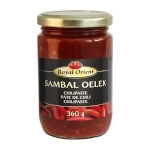
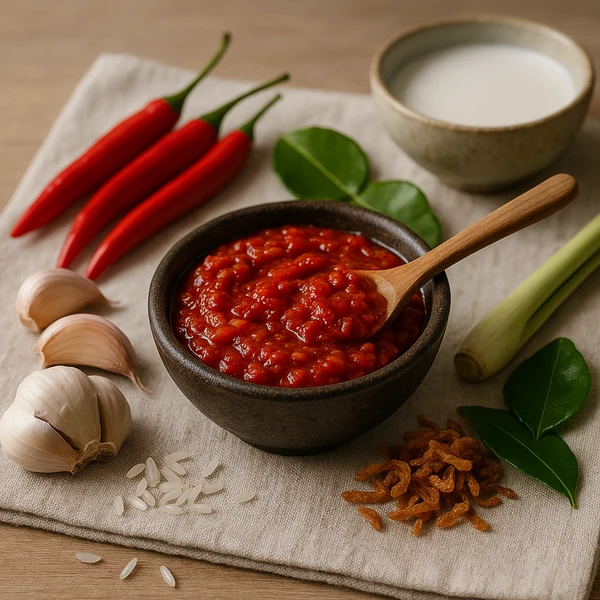
- Sambal: choose one type and learn to dose it. A good starting strategy is to start with a small amount (like half a teaspoon to a teaspoon per serving), stir, and add gradually. The category Sambal and chili pastesis a useful guide for selection.
- Kecap manis: it is essential in Indonesia for the typical sweet-salty depth. Even a small dose can change the character of the dish – start cautiously and adjust at the end so you don't overpower the aromatic paste.
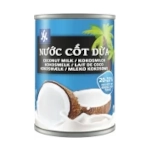
- Coconut milk: suitable for "coconut styles" and softening spiciness and aroma. If you're starting with it, add gradually and taste regularly so creaminess doesn't cover the other flavors. A practical guide is Coconut milk.
- Aromatic paste (spice base): if you don't want to deal with a full list of aromatics and spices yet, it is reasonable to use a ready-made base on which you learn the technique "fry – release aroma – combine with rice/noodles."
First dishes that will teach you the most (without turning you into a cook on probation)
As first steps, dishes that have few steps, don't "punish" small mistakes, and always teach one key principle make sense. Repeatedly proven for starting Indonesian cuisine are:
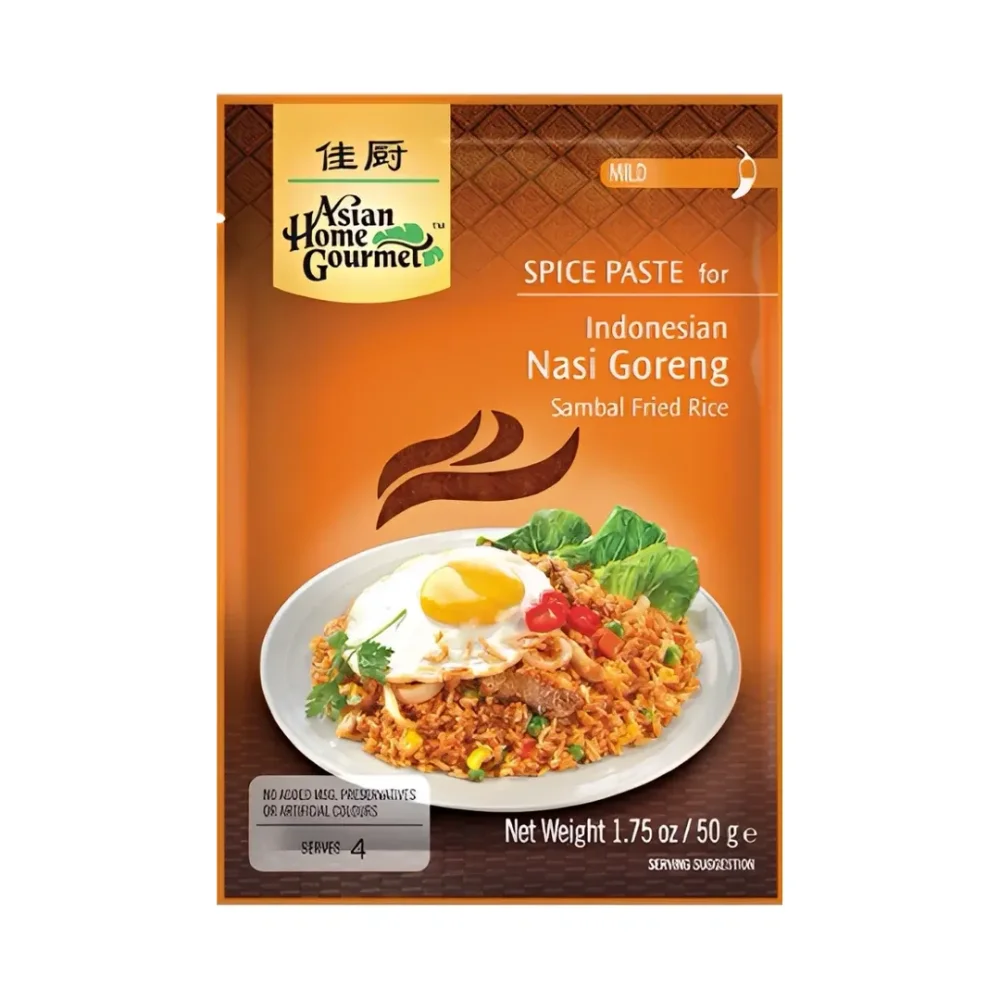
- Nasi goreng (fried rice): teaches you how to work with rice, quick frying, and basic Indonesian flavor axis. For first attempts, a ready-made paste is useful – e.g. AHG Pasta for Nasi Goreng rice 50 g – which you briefly fry and mix with rice. Then just adjust depending on whether you want more sweet-salty depth or more chili.
- Mie goreng (fried noodles): a similar principle to nasi goreng, but you learn more about watching noodle texture and step order.
- Gado-gado: helps understand that Indonesian flavor is not just about spiciness but about combination of components and textures (sauce, vegetables, sides).
- Satay with peanut sauce: teaches you simple work with sauce and the "main" flavor that holds the whole dish together.
- Simple soto: a good start into the broth direction – you understand the difference between coconut creaminess and a dish based on aromatic base and broth.
- One sambal as table seasoning: ideally try it with two different dishes so you see how the same spicy component behaves with rice vs. in sauce/dip.
When you want quick success vs. when you want to understand the technique
- Quick success: go for dishes with a small number of steps (nasi goreng, mie goreng) and stick to one paste + one spicy component (sambal) + rice/noodles.
- I want to understand principles: choose one rice dish (nasi goreng), one broth dish (simple soto), and one sambal. This way you "get hands-on" with the most important differences that keep returning in Indonesia.
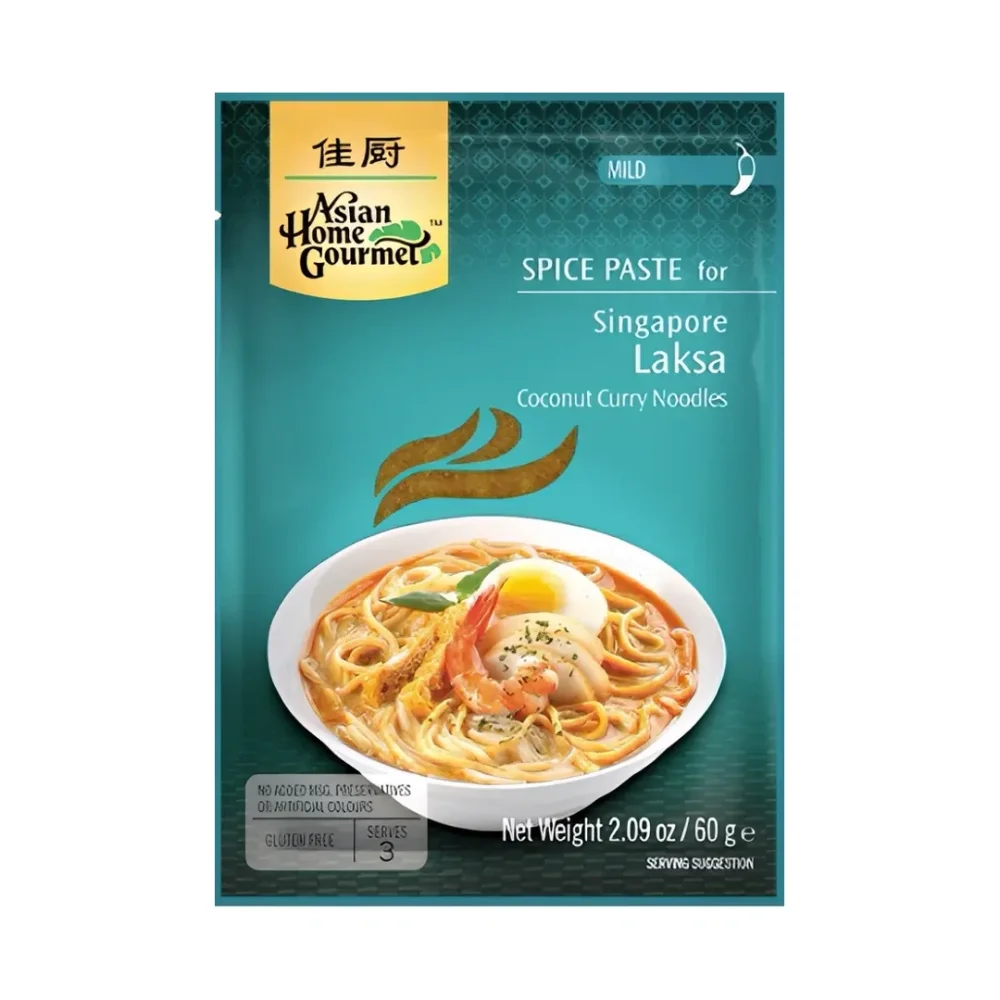
- I want the coconut direction (whether in Indonesia or in port kitchens): a coconut dish will show you how coconut milk smooths the aroma and spiciness. If you are also interested in the Singapore-Malaysian branch, a typical start is laksa and a quick base for it could be e.g. AHG Coconut Curry Noodle Laksa Paste 60 g (then you just adjust with coconut milk and the "carrier" – noodles).
A brief note on the Filipino "sour" branch (and why it’s good not to confuse it with Indonesia)
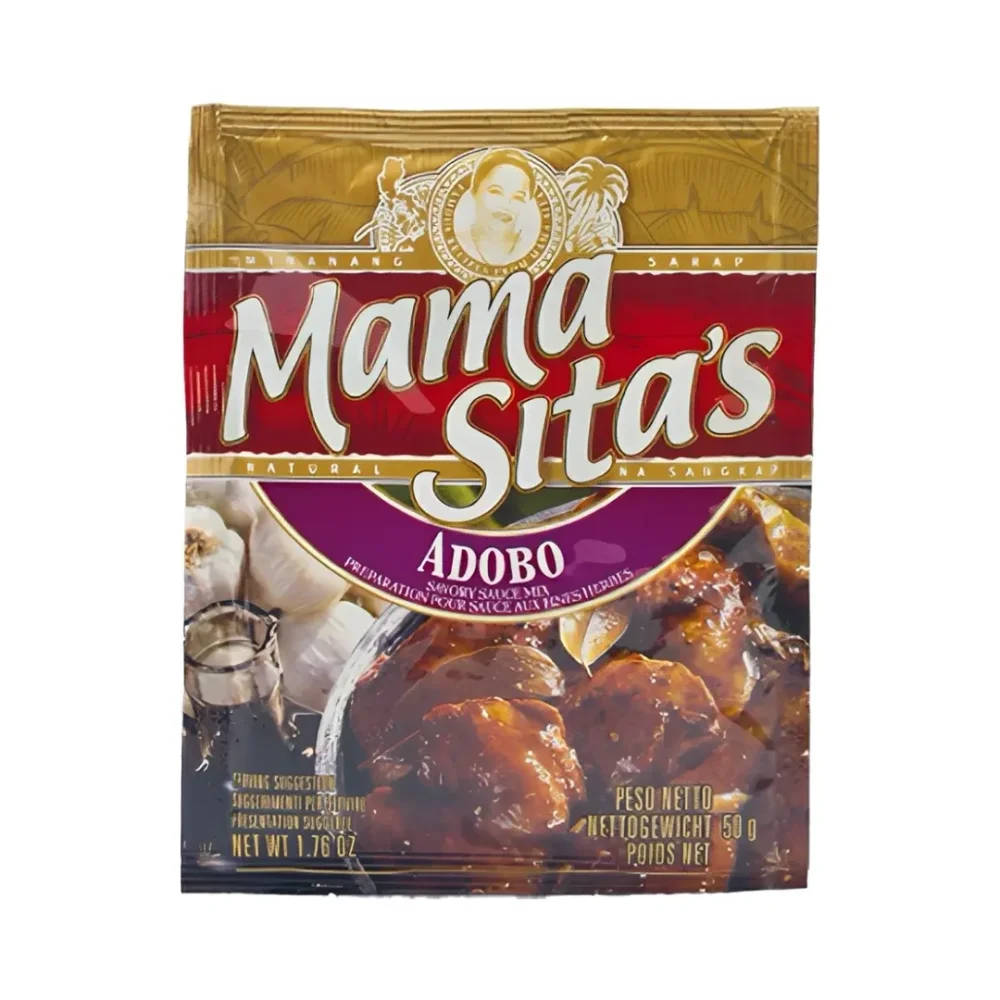
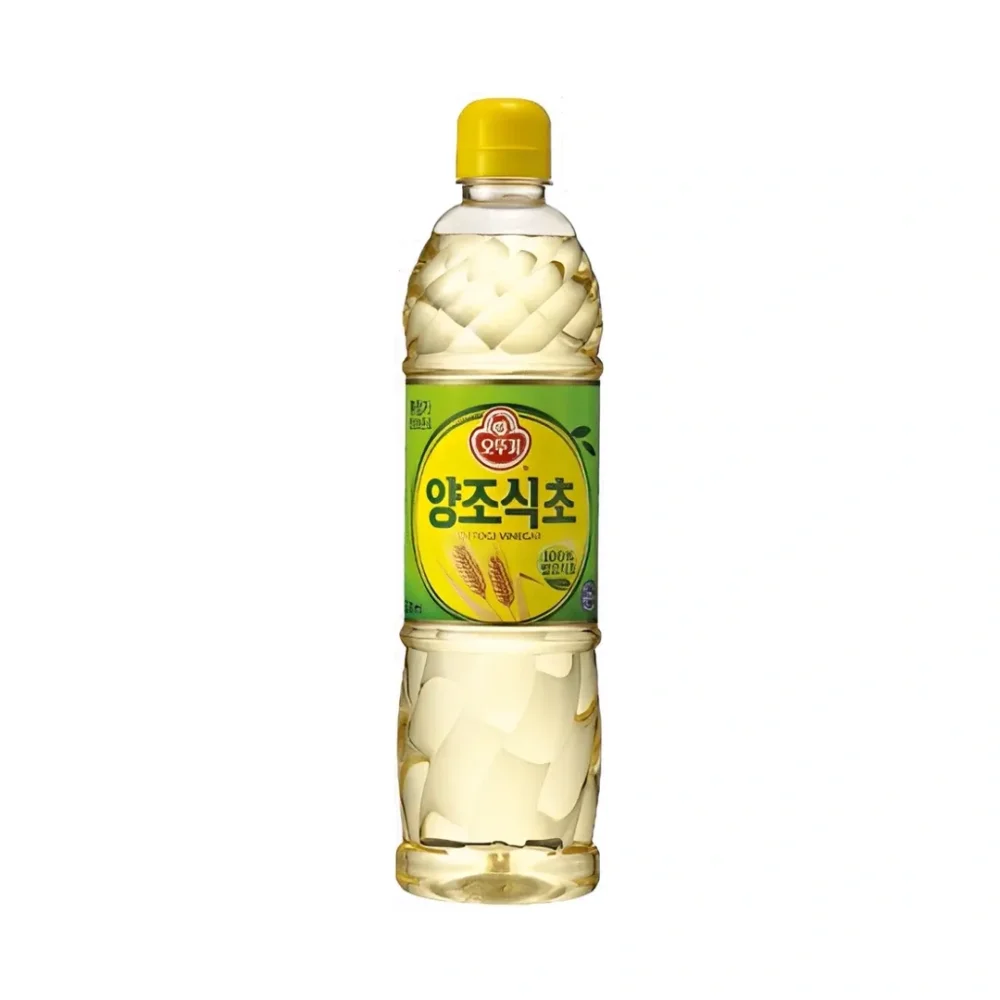
If when discovering island Southeast Asia you find yourself more interested in acidity and a vinegar line, you may come across Filipino adobo. For quick orientation, there are ready mixes like Mama Sita's Adobo Sauce Mix 50 g. And if you often adjust acidity at home and want a “pure” sour tool without fruity notes, a commonly usable vinegar can come in handy, e.g. Otoki Fermented Alcohol Vinegar 500 ml. But consider this a different flavor direction: Indonesia is typically defined also by sweet-salty depth (kecap manis) and working with sambal, not just acidity.
💡 What to watch out for: the most common mistakes and beginner errors
Misconceptions directly about Indonesian cuisine
- "Indonesian cuisine is mainly spicy." Spiciness is important, but so are coconut, sweet-salty depth, fermented components, and overall dish structure.
- "Nasi goreng is the definition of all Indonesia." It is a famous dish, but only one part of a much wider world.
- "Sambal is just chili paste." In reality, it is a family of seasonings with various roles (sometimes a cooking base, other times table seasoning).
- "Tempeh is just a vegetarian meat substitute." Tempeh has its own flavor and cultural significance; if you approach it as a "substitute," you often prepare it in a way that suppresses its character.
- "Indonesia tastes the same everywhere." Regional differences are crucial – that's why it makes sense to start with principles and then regions.
Mistakes that repeat when starting with Asian cuisines in general (and how to watch for them)
- Starting with five cuisines at once: instead, set one clear goal (e.g., 2 rice dishes + 1 sambal) and repeat them until you "get the hang of them."
- Buying too large a pantry without a plan: the first purchase should be small and repeatable. Once you know you cook nasi/mie goreng often, then it makes sense to expand your selection.
- Choose recipes by photo, not by technical difficulty: onboarding is about certainty, not visual performance.
- Underestimate preparation: for quick dishes in a pan, the order and prepared ingredients matter. When you find something "boring," it is often just because you started cooking without a prepared base.
- Confuse table sauces with cooking bases: some things are meant to season at the table, others should be sautéed as a base. If you're not sure, reading the label and looking at the composition and function helps.
- Buy too specialized a product as the first one: if you don’t know how else you can use it, it is often a bad first choice.
What to take away from the article
- It pays to start understanding Indonesia through principles (rice, sambal, aromatic paste, coconut, kecap manis, tempeh/tofu), not through trying to "cook the whole island."
- As first dishes, it makes sense to start with nasi goreng, mie goreng, gado-gado, satay, simple soto and one sambal – each will teach you something a little different.
- The most common mistake is to narrow Indonesia down to spiciness. In reality, it is about sweet-salty depth, aromatics, coconut and work with seasonings.
- If you are also attracted to the wider island Southeast Asia, a short compass helps: Indonesia = sambal/kecap manis/coconut, Philippines = vinegar and acidity (adobo), Malaysia and Singapore = port mix of influences (laksa, nasi lemak).

Read next
If you want to explore this topic further, continue with these related blog guides and articles:
