


 Česky (CZK)
 Slovensky (EUR)
 Deutsch (EUR)
 Austria
 Belgium
 Bulgaria
 Croatia
 Denmark
 Estonia
 Finland
 France
 Germany
 Greece
 Hungary
 Italy
Italy Latvia
 Lithuania
 Luxembourg
 Netherlands
 Poland
 Portugal
 Romania
 Slovenia
 Spain
Spain Sweden










What to drink in summer, winter, and with different meals: a practical guide to Asian drinks and teas
Asian drinks are not just "something sweet with ice." They often have a tea base, work with distinctive aromas (citrus, ginger, jasmine), with temperature and sometimes even texture – so they can be both a drink and a small snack. In this guide, we'll clarify what makes sense to drink in summer, winter, and how to choose a drink based on the type of meal so that the whole feels balanced and "complete."
How to think about modern Asian drinks: tea base, texture, and "drink as snack"
Modern Asian drinks share common features that make them surprisingly easy to navigate. They often derive from tea or a tea base, combining traditional ingredients with modern service (ice, milk, syrups, jelly elements) and play a lot on texture – meaning how the drink "behaves in the mouth," not just how it tastes.
It is also important that many drinks function as "drink as snack": they are not just an accompaniment to food but a standalone small experience. A typical example is bubble tea (a Taiwanese phenomenon that spread globally) or various milk and fruit teas with toppings.
And one more thing: these drinks are usually designed to look good – layers of color, contrast between milk and darker tea, vivid green matcha, or intense citrus notes. It's not just for effect: the visual often hints at what taste and texture to expect.
For basic orientation, a simple compass is good: temperature (hot vs iced) + intensity (mild vs strong) + aroma (citrus, ginger, jasmine…) + texture (clean vs "something to chew on").
What to drink in summer: ice, citrus, and freshness for cold (not just) Asian cuisine
In summer, we often look for drinks that cool us down but do not overpower the food. Many summer Asian dishes also rely on freshness, acidity, herbs, and pronounced seasoning (for example, fish sauce, soy sauce, or chili accents). This is important: such food is not "bland" but flavorfully lively – and the drink should take that into account.
When you eat fresh and acidic things, a citrus profile works
For cold bowls, salads, or lighter summer combinations, drinks that can bring citrus aroma and refreshment often fit well. A practical "quick" base for hot and cold drinking is citrus tea in the style of yuzu (a distinctly citrus profile that flavors water or tea without brewing), for example, T'best Citrus Tea Yuzu 500 g.
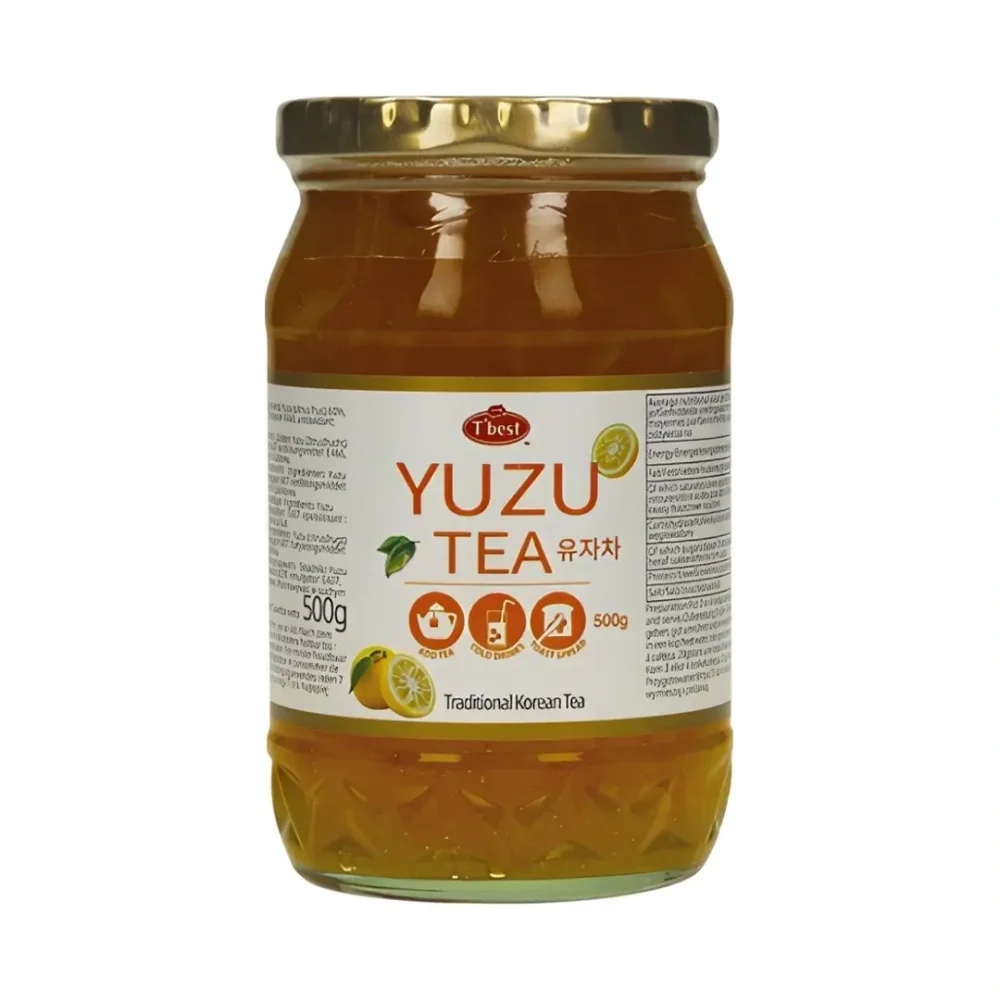
How to use it in practice without a complicated recipe: start with a small amount, mix with water or chilled tea, and adjust based on whether the drink is meant as pure refreshment or should "hold up" with more intense food.
If you want a drink with a gentle texture, reach for aloe
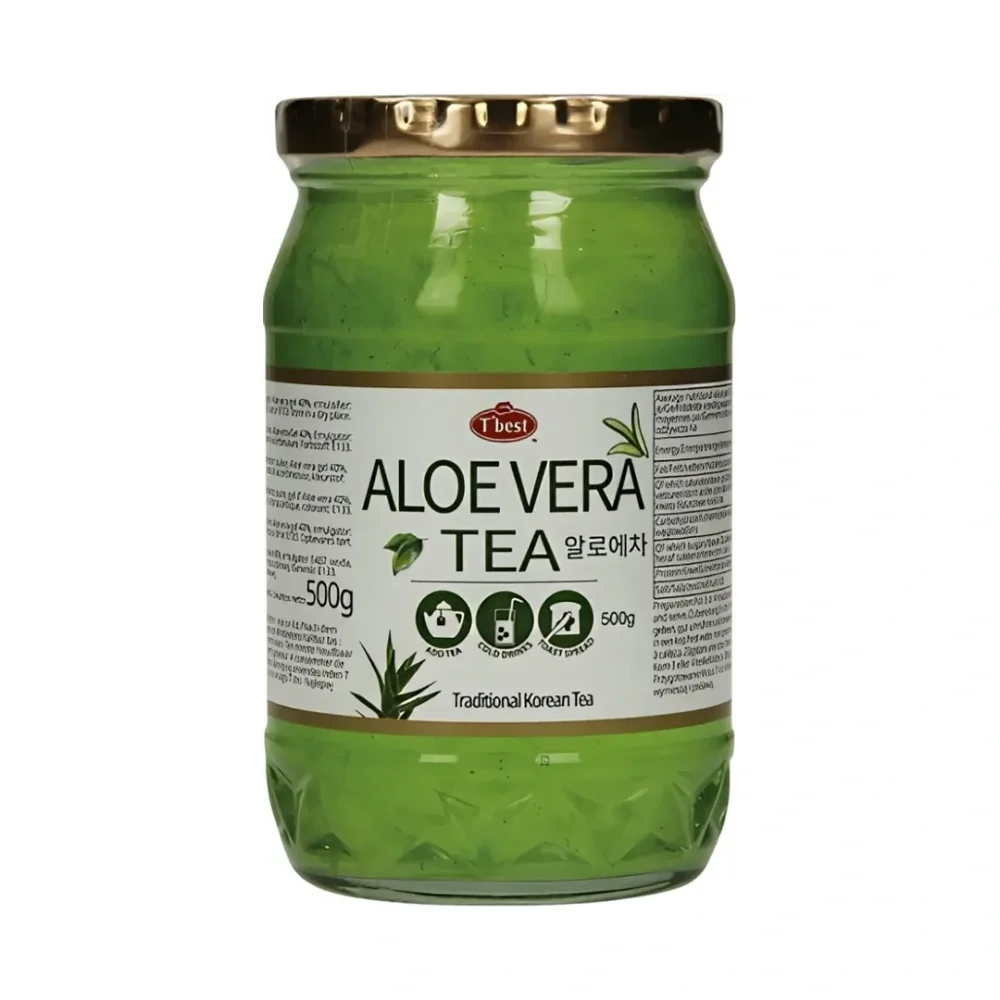
Texture is a big topic in modern Asian drinks – and it doesn't have to be bubble tea right away. If you want something that is still fresh but not just "flavored water," an aloe drink may make sense, which can be prepared hot or cold and often combines well with lemon or mint, for example, T'best Aloe Vera Tea 500 g.
Light teas as a summer "clean" choice
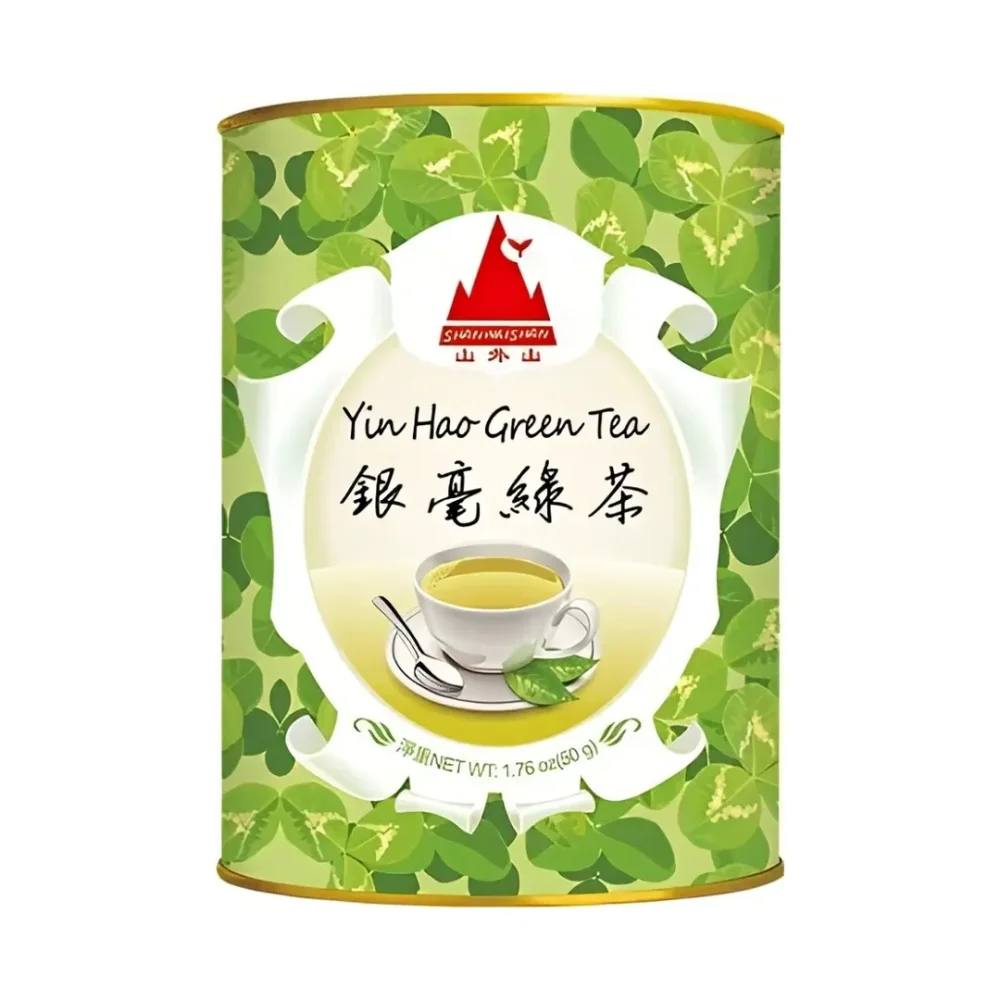
When it's hot, many people appreciate simplicity: a lighter tea that is pleasant both warm and chilled. With green teas, it is good to keep in mind that it’s not just one flavor – Chinese green tea will taste different than Japanese styles (they differ in processing and profile). For everyday, purely fresh drinking, a milder green tea is suitable, for example, Shan Wai Shan Green Tea Yin Hao 50 g.
What to drink in winter: ginger, plum, and hot tea as a ritual
In winter, we naturally shift to hot drinks and aromas that feel “warming” or cozy – although you can still make the same bases iced. Modern Asian drinking often relies on traditional ingredients that have gained a more convenient, urban form.
Ginger as a distinctive base (hot and cold)
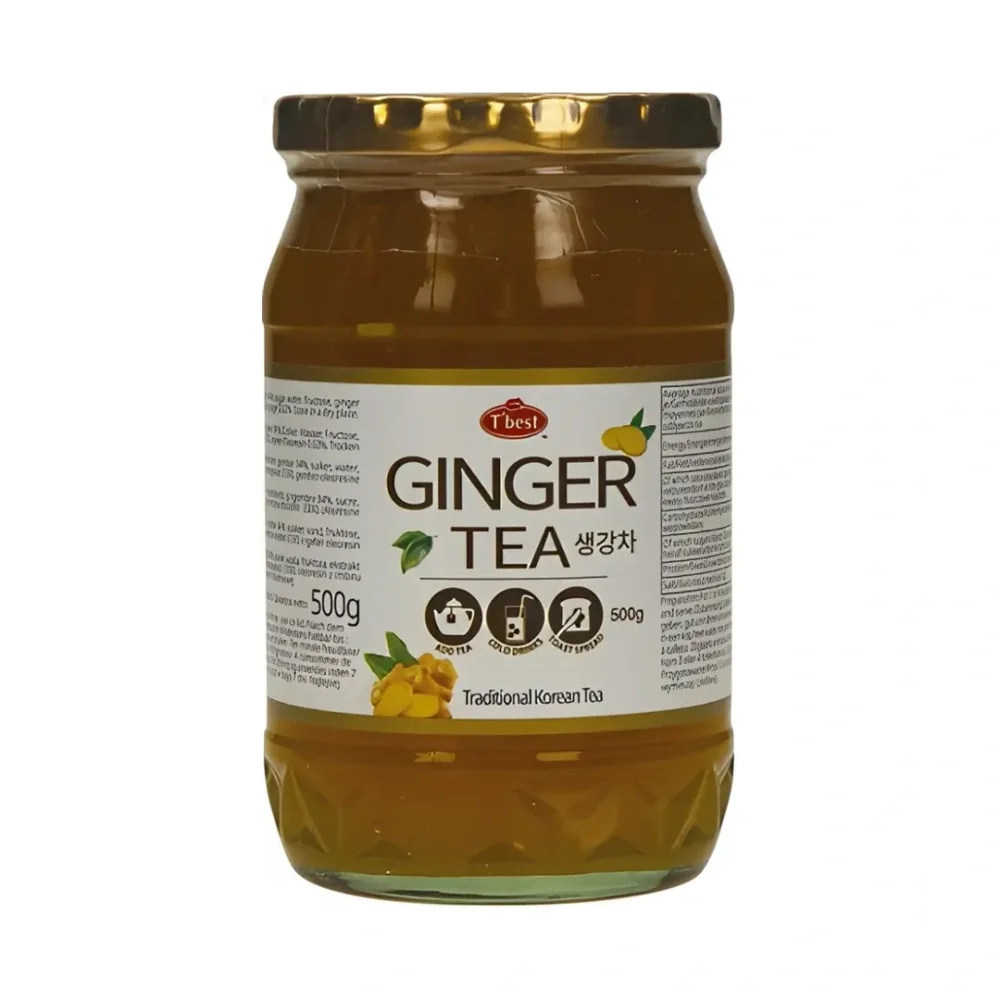
The ginger profile is typically strong and pairs well with citrus accents or honey sweetness. If you want a simple base that you can dilute according to taste, a ginger tea base makes sense, for example, T'best Ginger Tea 500 g. In practice, it’s good to add gradually: ginger can quickly take the leading role and the drink may then taste sharper than desired.
Plum profile as a "rounder" winter choice
Besides citrus and ginger, plum bases appear in modern Asian drinks (in a Korean context, you might also encounter the term maesil – plum profile). Such a base can be used as hot tea or as the base for homemade lemonade. A practical example is Nokchawon Plum Tea 480 g.
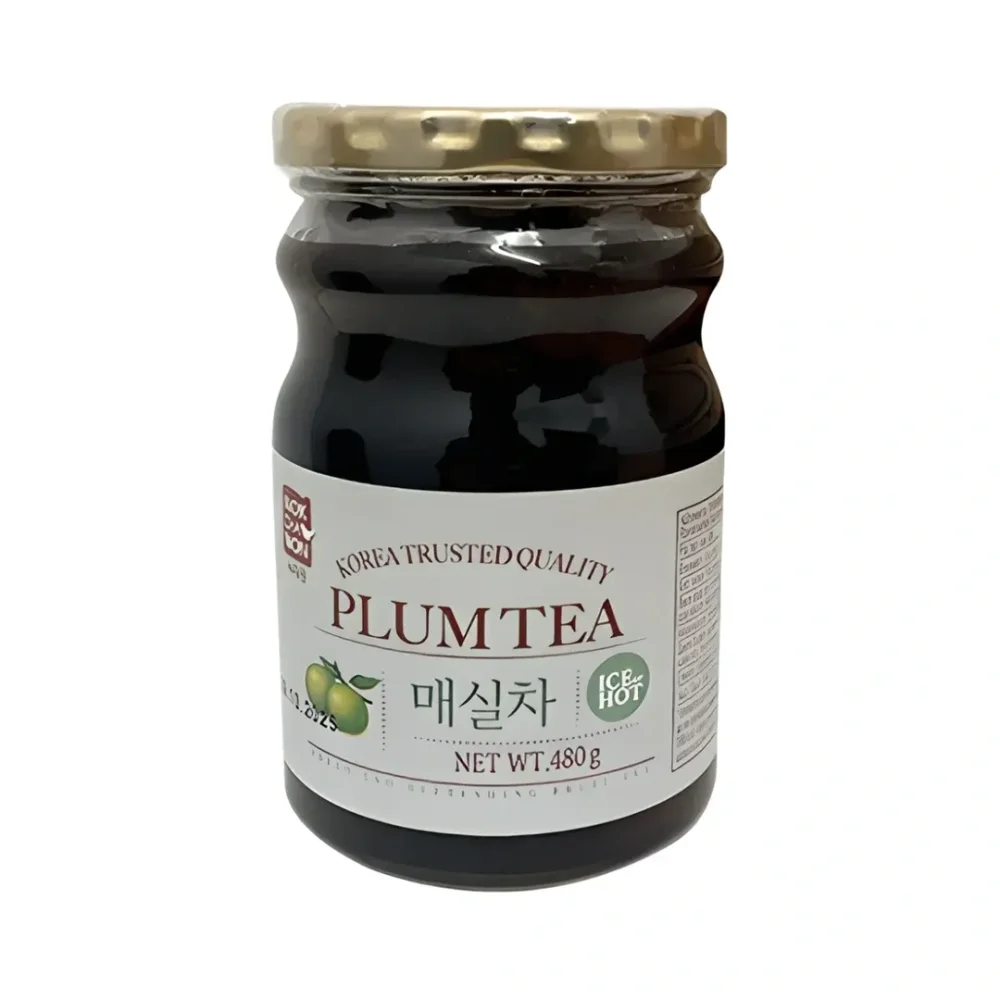
In winter, plum and fruit tea bases work well when you want something aromatic and pleasantly sweet but don’t want a “heavy” drink with milk.
👃 What to drink with different meals: pairing by intensity, aroma, and tea type
The most reliable way to choose a drink with food is not to pair just "by country" but by how intense (saltiness/umami, acidity, chili) the food is and what type of drink can handle that. Here is practical guidance based on how teas differ by processing and profile.
True tea and its main types: why it matters in pairing too
True tea is considered a beverage from the tea plant Camellia sinensis. From one plant you get white, green, yellow, oolong, black, and dark/post-fermented teas – the difference mainly lies in processing (oxidation, leaf heating, rolling, possible aging, and fermentation). This is important for pairing: each type has a different intensity and aroma.
- Lighter dishes and milder courses: often subtler teas work (for example, mild green or some fresh, floral styles).
- Medium-intensity dishes: often tolerate oolong, which lies between green and black tea and can be very diverse.
- Richer, more intense courses: usually require a "stronger" tea base (typically stronger black teas or dark/post-fermented styles).
Jasmine and green tea as a safe choice for many dishes
Jasmine tea is a good example that tea can be traditional and very approachable. In better versions, it is green tea scented with jasmine (not just a mix with simple aroma). If you want a floral aroma suitable for calm drinking and with food, an interesting example is Golden Turtle Green Tea Jasmin Pearl 35 g (the “pearl” style is typical by rolling leaves into balls).
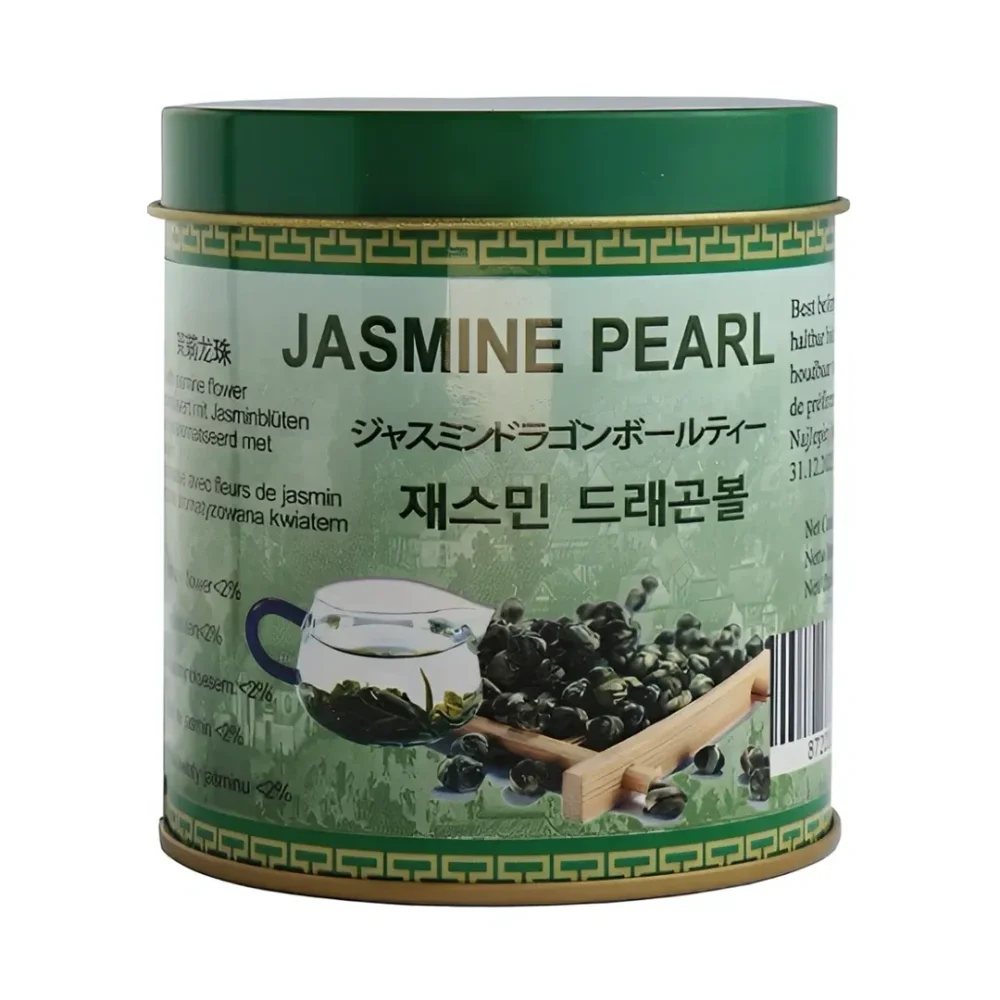
Oolong as a bridge between fresh and intense
Oolong is a large category between green and black tea: it can be light and floral, but also darker and roasted. If you want tea that can be drunk cleanly and its taste can develop with repeated infusions, oolong makes sense, for example, Shan Wai Shan Oolong Tea 50 g.
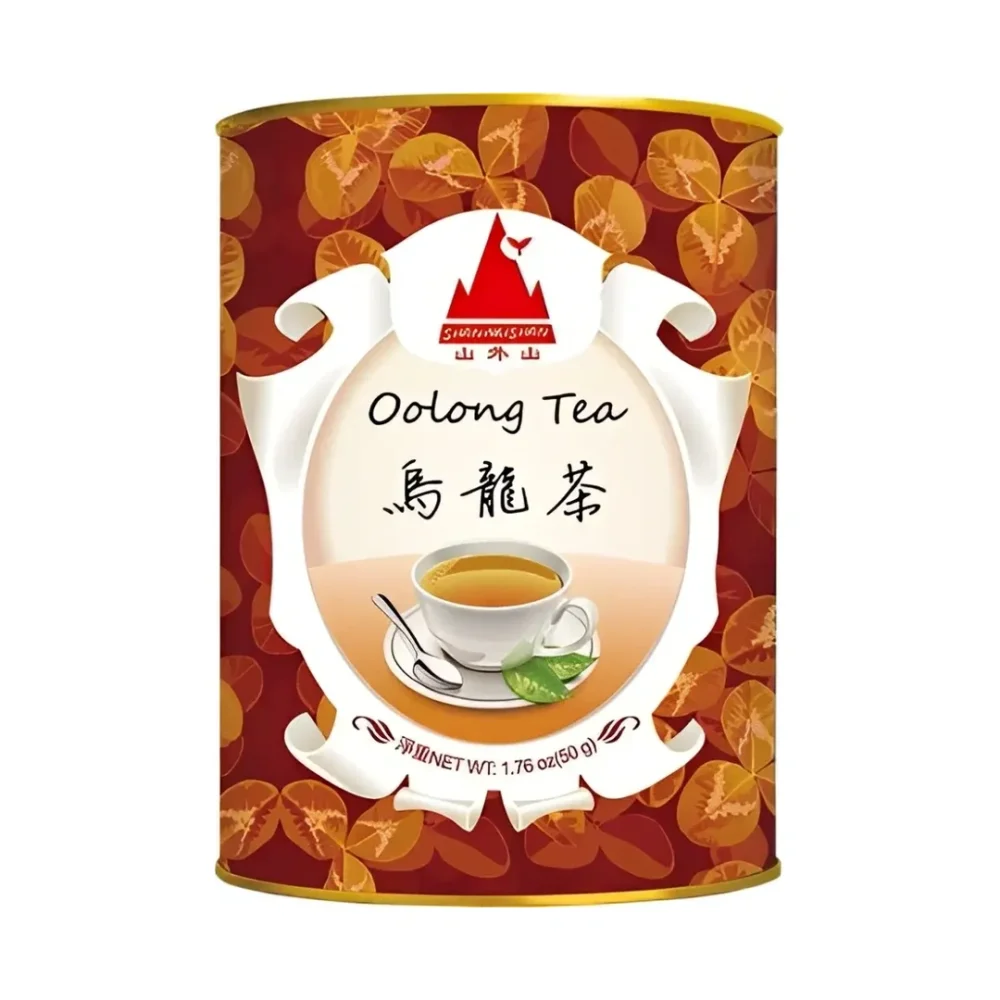
What to drink with desserts and sweets
With Asian sweets, it’s good to keep in mind that often it’s not just a “baked cake,” but a world of textures (rice cakes, mochi, jelly, puddings, ice desserts) and the combination of sweet with tea. A practical rule: when the dessert itself is sweet and textural, the drink can be simpler and more tea-like so that the whole is not "overly sweetened."
How to build a "complete" Asian drink at home: 5 things that must fit
When a drink feels like just a "sweet tea", it often lacks some important part. A well-constructed modern Asian drink can be understood as five layers:
- Base – tea, fruit extract/concentrate, syrup, coconut or milk component.
- Sweetness – sugar/syrup or naturally sweet concentrate (sweetness should be controlled, not accidental).
- Temperature – hot, iced, or slushy style.
- Texture – pearls, jelly, aloe, foam, thickness.
- Aroma/identity – something that "names" the drink: matcha, yuzu/yuja (citrus), plum, jasmine, oolong, ginger, etc.
Practical procedure to start without complications:
- First choose the identity (citrus vs ginger vs jasmine vs plum) and select the base accordingly.
- Add sweetness gradually – especially with fruit and tea concentrates, it is easy to overdo it. It’s safe to “tune in small steps” and always taste again after mixing.
- Treat ice as an ingredient: a lot of ice quickly dilutes the drink. If you want intensity, make the base a bit stronger and then add ice.
- Add texture only when you really want it. When the goal is a drink with food, a cleaner variant often wins. When the drink itself is the snack, texture makes a lot of sense.
💡 Common mistakes and what to watch out for
“Tea is tea”: it’s not
Under the word tea, many things are colloquially hidden, but true tea is from Camellia sinensis. Herbal and fruit blends are technically more infusions (tisanes). In practice, this means: when choosing tea with food or as the base for a modern drink, first clarify whether you want a tea character or just a fruity sweet-sour taste.
Matcha vs matcha latte blends
Matcha is a specific Japanese tea style that became the base for modern drinks like matcha latte. However, it’s also true that "matcha latte blend with sugar" is not the same as pure matcha. If you want a taste-wise tea, distinctly green profile, it’s good to watch exactly what you’re drinking (tea vs sweetened blend).
👃 Jasmine tea: scenting with flowers vs mere flavoring
Jasmine tea can be a quality green tea that has taken on the scent of jasmine flowers, but also a simpler flavored blend. The result in the cup can be completely different even though the name sounds similar.
When a drink “doesn’t work,” the problem usually lies in one of two things
- Over-sweetening: in modern drinks, sweetness is often optional. If it’s too much, try raising the tea base (or adding plain water/ice) and bring aroma (citrus, jasmine, ginger) back into play.
- Dilution with ice: the drink may taste fine at first but loses identity after a few minutes. Less ice or a stronger base helps.
What to take away from the article
- Modern Asian drinks often rely on tea, aroma, and texture – and sometimes they are snacks themselves, not just an accompaniment.
- In summer, iced and citrus profiles and clean teas mostly work; acidity and aroma come into their own with fresh dishes.
- In winter, hot tea bases and stronger aromas like ginger or plum suit well.
- With food, pair mainly by intensity: mild teas with lighter courses, oolong as a universal bridge, stronger teas with richer dishes.
- If you want the drink to feel “complete,” check five layers: base, sweetness, temperature, texture, and identity.
If you want to create your own orientation map, start simply: choose one tea for everyday drinking and one aromatic base (citrus or ginger) for quick seasonal drinks. The rest is mostly about tuning sweetness, ice, and intensity.

Read next
If you want to explore this topic further, continue with these related blog guides and articles:
