Česky (CZK)
 Slovensky (EUR)
 Deutsch (EUR)
 Austria
 Belgium
 Bulgaria
 Croatia
 Denmark
 Estonia
 Finland
 France
 Germany
 Greece
 Hungary
 Italy
Italy Latvia
 Lithuania
 Luxembourg
 Netherlands
 Poland
 Portugal
 Romania
 Slovenia
 Spain
Spain Sweden










🍚 Sticky rice: the secret to mango sticky rice, dumplings, and that perfect chewy bite
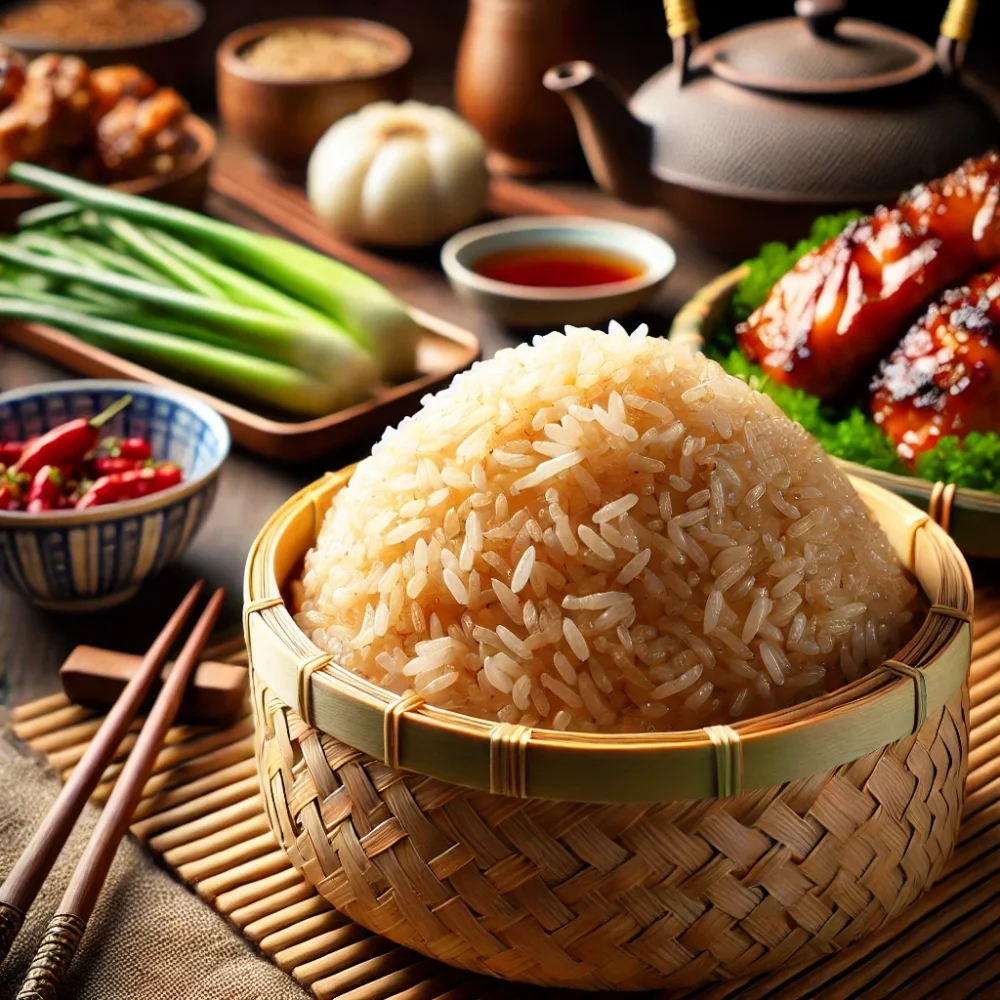
Sticky rice, also called glutinous rice, behaves very differently from jasmine rice after cooking. It clumps, turns springy, and delivers that signature chewy texture. That’s why it’s the base for Thai mango sticky rice, Lao and Northern Thai sides for grilled meat, and many rice cakes and dumplings.
Asian ingredients for everyday cooking are available at Asian Food Shop
💡 Tip: Sticky rice isn’t overcooked. The “stickiness” is the point, and when cooked right it tastes clean with a great bite.
🕰️ Origin and background
Sticky rice has deep roots in Southeast Asia. In Laos and Northern Thailand it’s an everyday staple, often eaten by hand and dipped into sauces. It’s prized because it forms compact bites that hold shape and carry flavor.
🧪 How it’s made, types, what makes it sticky
The key difference is starch. Sticky rice is high in amylopectin and low in amylose.
- grains cling together after cooking
- texture is springy and pleasantly chewy
- works beautifully in sweet recipes too
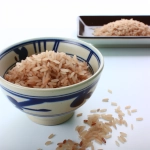
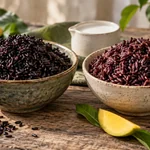
You’ll usually see white sticky rice for all-purpose cooking and black sticky rice for a deeper flavor and dessert-forward look.
Browse the category Sticky rice
👃 Taste and texture
- mild, slightly sweet
- soaks up coconut and sauces well
- texture is the main attraction
✅ Tip: Build flavor with what you add. Coconut milk plus a pinch of salt makes everything taste brighter.
🍳 How to use sticky rice
🥭 Sweet dishes
The classic is Thai mango sticky rice. Coconut milk, sugar, a pinch of salt, and ripe mango. Sticky rice gives the exact chewy texture you can’t get from regular rice.
🔥 With grilled meat
In Lao and Thai cooking, sticky rice is a common side for grilled meats and salads. It’s practical, holds together, and works perfectly with spicy dips.
🥟 Dumplings and rice cakes
It’s also used for rice balls, cakes, and dumplings, where elasticity matters.
🍲 Porridges and coconut desserts
White and black sticky rice both show up in sweet porridge-style desserts with coconut.
🫶 Nutrition notes
Think of sticky rice as a practical energy base. Because it’s satisfying, smaller portions can feel substantial. Pair it with protein and vegetables for balance.
✅ How to choose the right sticky rice
- White vs. black: white is more universal, black is more aromatic and often used for desserts
- Brands vary: stickiness and aroma can differ
- For mango sticky rice: aim for soft but still springy grains
- Prep matters: rinse well and ideally soak before steaming or cooking
💡 Tip: Steaming is the traditional way to get the best texture. A pot method works too if you soak and don’t overwater.
🛒 Product picks
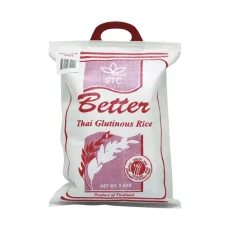
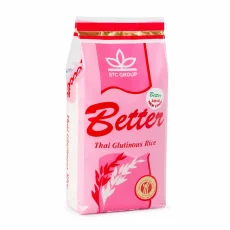
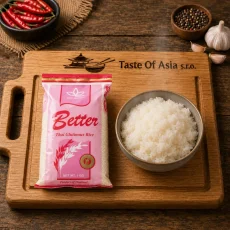
- Better Brand Sticky rice 1 kg a versatile everyday pack for sweet and savory dishes
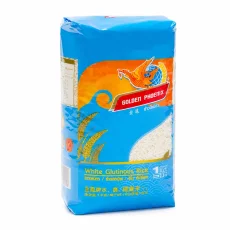
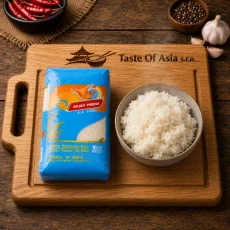
- Golden Phoenix sticky rice 1 kg a classic choice for mango sticky rice and grilled-meat sides
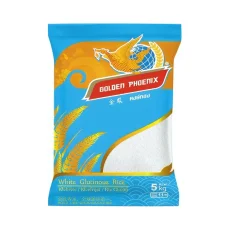
- Golden Phoenix Glutinous Rice 5 kg a value size if you cook sticky rice often
🥭 Recipe: Thai Mango Sticky Rice (Khao Niew Mamuang)
A simple but precise dessert. Rinse, soak, cook, then let the rice absorb the coconut mixture.
Ingredients
- sticky rice 250 g
- coconut milk 250 ml + 3 tbsp extra
- sugar 2 to 3 tbsp to taste
- salt a generous pinch
- mango 1 to 2 ripe
- sesame optional to sprinkle
- pandan 1 leaf optional for aroma
Method
- Rinse the rice several times until the water is almost clear.
- Soak for 4 to 8 hours, then drain.
- Cook until tender, ideally by steaming, or gently in a pot with minimal water.
- Warm coconut milk with sugar and salt, stirring until dissolved.
- Mix cooked rice with most of the coconut mixture and rest for 15 to 20 minutes.
- Serve with mango, drizzle with the remaining coconut milk, and sprinkle sesame.
✅ Tip: Don’t skip the salt in the coconut mixture. It won’t taste salty, it just makes coconut and mango pop.