

 Česky (CZK)
 Slovensky (EUR)
 Deutsch (EUR)
 Austria
 Belgium
 Bulgaria
 Croatia
 Denmark
 Estonia
 Finland
 France
 Germany
 Greece
 Hungary
 Italy
Italy Latvia
 Lithuania
 Luxembourg
 Netherlands
 Poland
 Portugal
 Romania
 Slovenia
 Spain
Spain Sweden










Black and Riceberry rice
🖤 Black and Riceberry rice: dark grains with character for curries, bowls and sweet desserts
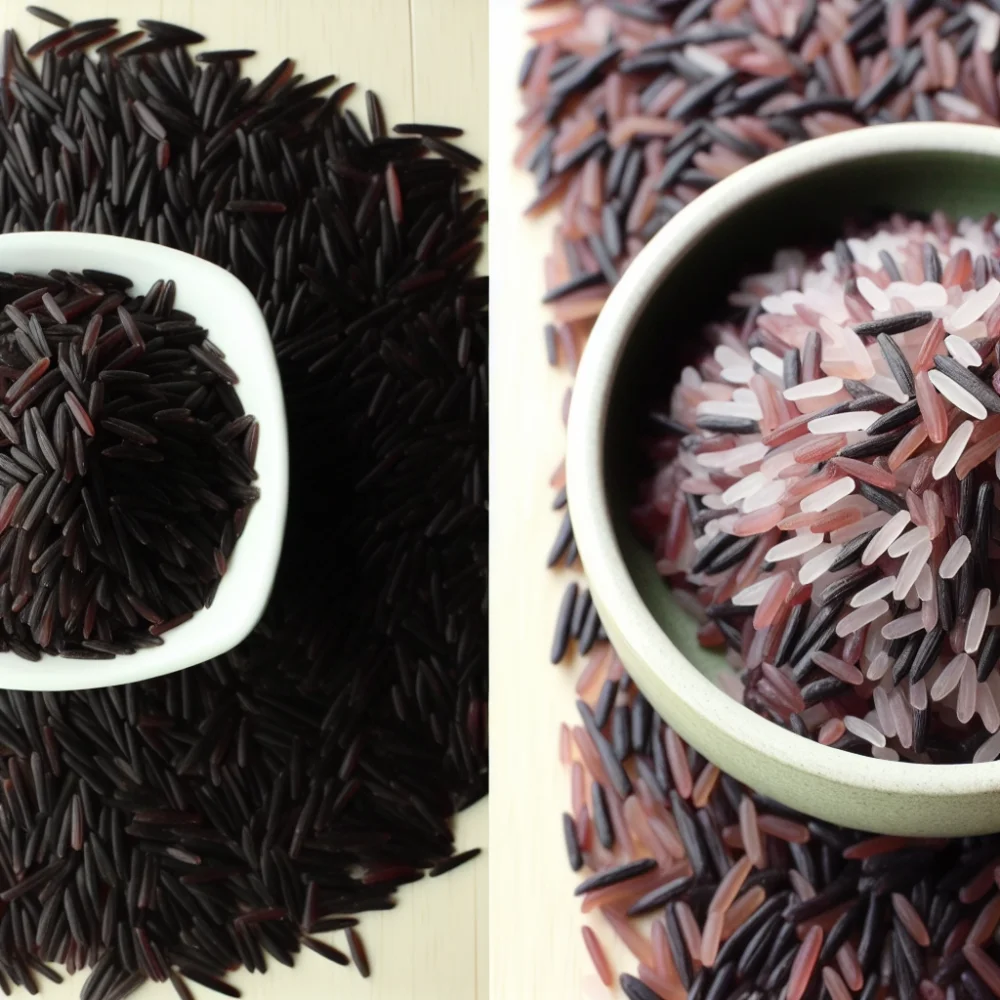
Black rice and Thailand’s Riceberry rice are “dark grain” varieties that stand out immediately: deep colour, a more pronounced nutty note and a firmer bite than standard white rice. They work best when rice is meant to be part of the main character of the plate, for example as a base for bowls, a side for curries, in salads or even in coconut-based desserts.
Staple and specialty rice options are available at Asian Food Shop
💡 Tip: Dark rice varieties often taste even better once cooled. That makes them a strong fit for meal prep and chilled salads.
🕰️ Origin and background
Black rice has a long history across Asia and appears in multiple regional styles. The nickname “forbidden rice” is often mentioned as a legend about select dark varieties once reserved for higher social classes. Regardless of the story, dark rice is widely valued for its stronger flavour and visual impact.
Riceberry is a more modern Thai variety, known for a purple-wine colour and a fuller, more aromatic impression. In practice it works both as a side and as a base ingredient.
🧪 Processing, types and what to expect
Dark rice is often sold as natural whole grain. That means less polishing compared with white rice, which affects both texture and flavour.
- typically more fibre than highly polished white rice
- natural plant pigments responsible for the dark colour
- a more pronounced grain-forward taste
Black vs Riceberry in practice
- black rice is often firmer, nutty and sometimes slightly earthy
- Riceberry tends to feel rounder and is especially pleasant in cold preparations
For orientation, the categories Rice and rice products and Other rice are useful.
👃 Flavour profile
- 🥜 nutty, whole-grain character
- 🍞 lightly toasted to malty notes, more common with Riceberry
- 🍚 firmer bite than white rice
- 🎨 strong visual effect that influences the look of sides and salads
✅ Note: Dark rice pairs well with light elements for contrast, for example coconut, sesame or pale vegetables.
🍳 How to use it
🍛 A side for curries and sauces
Dark rice varieties match bold sauces well. A practical pairing is Kari pastes with Coconut milk, where the rice brings structure and the sauce adds creamy contrast.
🥗 Salads and rice bowls
Once cooled, black and Riceberry rice hold their shape without turning mushy, which is ideal for bowls with vegetables, tofu or fish and for Thai-leaning salads.
🍤 Wok and fried rice
Cooking rice ahead and cooling it helps. The grains separate more easily in a wok and the rice resists getting mashed.
🍮 Sweet desserts
Black rice is widely used in coconut desserts. Whole-grain styles make an excellent pudding base, but they need a longer cook time.
🫶 Wellness notes
Dark rice is often sold as whole grain. In general this means more fibre than white polished rice and a more filling feel thanks to a firmer structure. Exact values vary by variety and cooking method.
✅ Choosing black or Riceberry rice
- whole grain vs polished whole grain is more characterful but takes longer to cook
- use case firm grains suit salads and bowls, while desserts benefit from rice that can simmer longer
- prep soaking for 30 to 120 minutes can shorten cooking time and soften the grain
- water ratio dark rice often needs more water than white rice, so adjust to the specific variety
- mixing for a gentler profile, combine with another style from Rice and rice products
💡 Tip: Cooked dark rice is often excellent the next day in salads and wok dishes.
🛒 Product picks
- Golden Phoenix Riceberry rice 1 kg a distinctive Thai Riceberry choice for bowls, salads and curry sides
- ESSA Rice Black Natural 1 kg whole-grain black rice with a nutty profile that also works well chilled
- Thai Dancer Black Glutinous Rice Flour 400 g a practical option for desserts and doughs where a dark rice flavour and colour are useful
🥭 Recipe: Thai-style coconut dark rice pudding with mango
Inspired by Thai coconut desserts with dark rice. The result is creamy, with a nutty rice base and fresh fruit on top.
Ingredients
- black rice 200 g
- Riceberry rice 200 g optional as a variation or half-and-half with black rice
- coconut milk 400 ml
- sugar 2 to 3 tbsp to taste
- salt a pinch
- mango 1 to 2 for serving
- sesame optional to finish
- water as needed
Method
- Rinse the rice several times. For shorter cooking, soak for about 60 minutes, then drain.
- Place the rice in a pot and add water so it sits about 2 to 3 cm above the rice. Simmer until tender, typically 30 to 50 minutes depending on the variety, topping up with water as needed.
- Once tender, add coconut milk, sugar and a pinch of salt. Simmer gently for another 10 to 15 minutes until creamy.
- Let it rest briefly. Serve with fresh mango and finish with sesame if desired.
✅ Note: Riceberry is usually less sticky than traditional black glutinous rice. A creamier texture comes from a longer gentle simmer with coconut milk.

Recommended products2
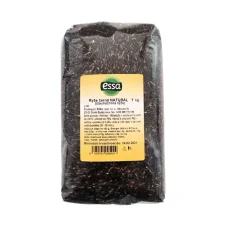
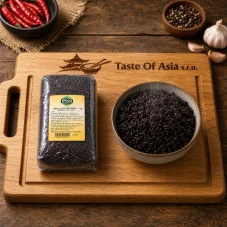
ESSA Rice Black Natural 1 kg
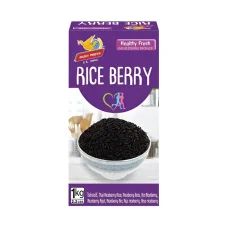
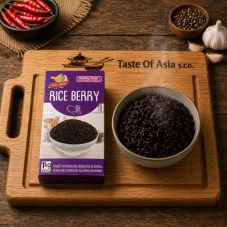
Golden Phoenix Riceberry rice 1 kg
Read next
If you want to continue with the same topic, here are more related articles to explore: